























During the Second World War, Blackpool played a vital role in Britain’s war effort through the construction of thousands of Vickers Wellington bombers at Squires Gate. While today the area is known as Blackpool Airport, during the war it became one of the country’s most important aircraft manufacturing centres, transforming the famous seaside resort into a hub of wartime industry.
As the threat of German bombing increased in the late 1930s, the British Government introduced the Shadow Factory Scheme, designed to disperse aircraft production away from traditional manufacturing centres. Blackpool was selected as an ideal location due to its existing aviation facilities, good transport links and relative distance from the Luftwaffe’s primary targets. In 1939, Vickers-Armstrongs established a major shadow factory at Squires Gate, where production of the Wellington bomber soon began.
The Wellington was one of the RAF’s most important aircraft during the early years of the war. Designed by the renowned engineer Barnes Wallis, it featured a revolutionary geodetic airframe construction. Instead of a conventional structure, the aircraft used a latticework framework covered in fabric, giving it exceptional strength and allowing many damaged aircraft to return safely from combat missions despite sustaining severe battle damage.
Production at Blackpool expanded rapidly. Components were manufactured and assembled across several sites in the town, while final assembly took place at both Squires Gate and Stanley Park Aerodrome. Aircraft completed at Stanley Park would undertake their maiden flights there before being transferred to Squires Gate for testing and delivery to RAF squadrons.
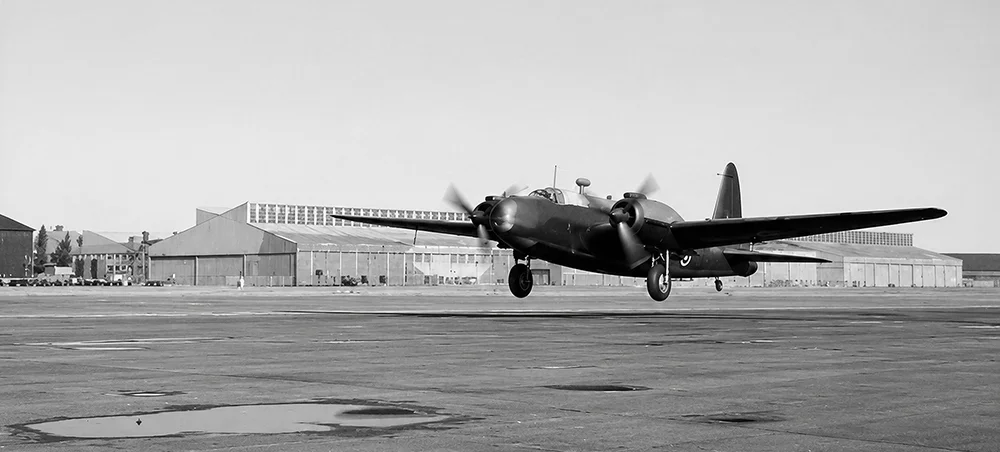
Wellington Bomber taking off at Blackpool Airport at Squires Gate. Photo provided by © Spitfire Visitor Centre
Between 1941 and 1945, more than 3,800 Wellington bombers were built by the Blackpool operation. This remarkable achievement represented a substantial proportion of all Wellingtons produced during the war and demonstrated the scale of Blackpool’s contribution to the Allied war effort. Thousands of local men and women found employment in the factories, many of whom had never previously worked in engineering or aviation. Their efforts helped keep the RAF supplied with aircraft during some of the most critical periods of the conflict.
As the war progressed, production shifted to later variants of the Wellington. One of the final versions produced in Blackpool was the Wellington Mk XVIII, powered by Bristol Hercules radial engines. Unlike the earlier bomber variants, these aircraft served primarily with Coastal Command, carrying radar and specialised equipment to hunt German U-boats in the Atlantic. A photograph taken in November 1944 shows one of these Hercules-powered aircraft, representing the advanced stages of Wellington development and the continuing importance of Blackpool’s production facilities late in the war.
The final Wellington built in Blackpool was delivered in October 1945, shortly after the end of the war. By that time, the Wellington had earned its place as one of Britain’s most successful wartime aircraft, serving in bombing operations, anti-submarine patrols, maritime reconnaissance and training duties throughout the conflict.
Today, little remains to remind visitors of the enormous manufacturing effort that once existed at Squires Gate. Yet during the war years, Blackpool was far more than a holiday destination. Behind the promenade and theatres, thousands of workers were helping to build the aircraft that would contribute to victory in Europe, making the Wellington bomber one of the town’s most significant wartime legacies.
There is another post on Blackpool Timeline about The Spitifire Centre at Hangar 42.
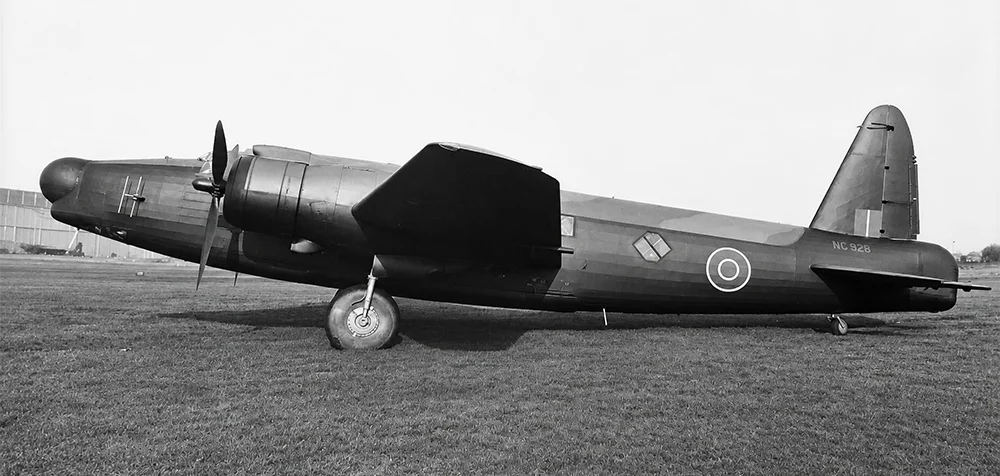
Wellington MK XVIII, Hercules. Photo taken in November 1944. © Blackpool Airport Supporters
Featured Image © Blackpool Airport Supporters
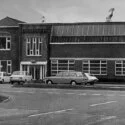
Additional Images © Spitfire Visitor Centre


