


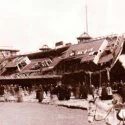






























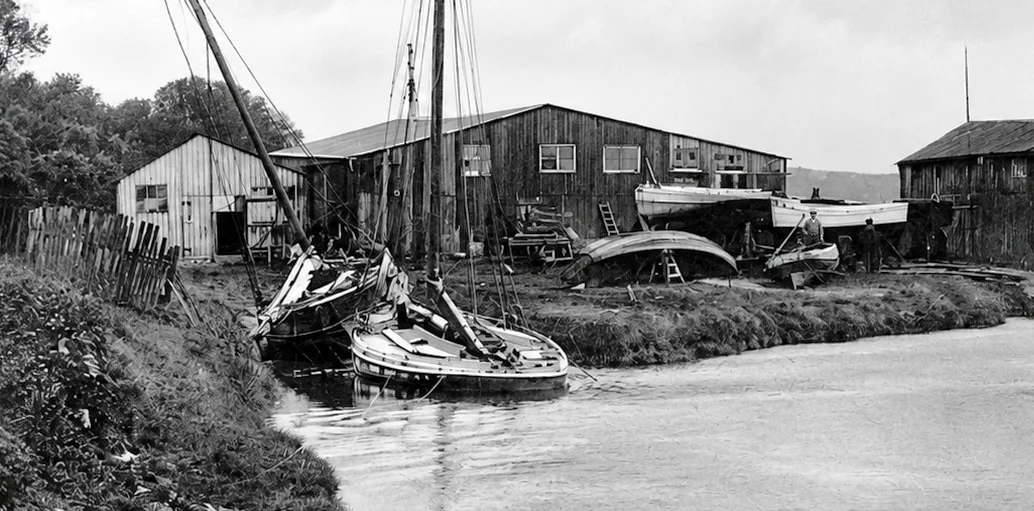
The boatyard as it was c1900. Image provided by © Red Rose Collections
For almost two centuries, Freckleton Boatyard played a vital role in the maritime history of the Fylde Coast. Situated on the banks of the River Ribble at Naze Lane East, the yard was at the heart of a thriving river port that connected the rural village of Freckleton with ports around Britain and beyond. Long before the construction of Preston Dock or the dominance of road transport, Freckleton was a busy riverside settlement where shipbuilding, sail making and coastal trading formed an important part of the local economy. Although Freckleton had been used as a port for many years beforehand, the boatyard was established in 1814, marking the beginning of a long tradition of commercial shipbuilding on the Ribble. During the early years, local craftsmen built sloops, flats and other small sailing vessels that carried cargo along the Lancashire coast and inland waterways. The yard quickly gained a reputation for producing sturdy working craft capable of operating in the challenging tidal conditions of the Ribble Estuary.
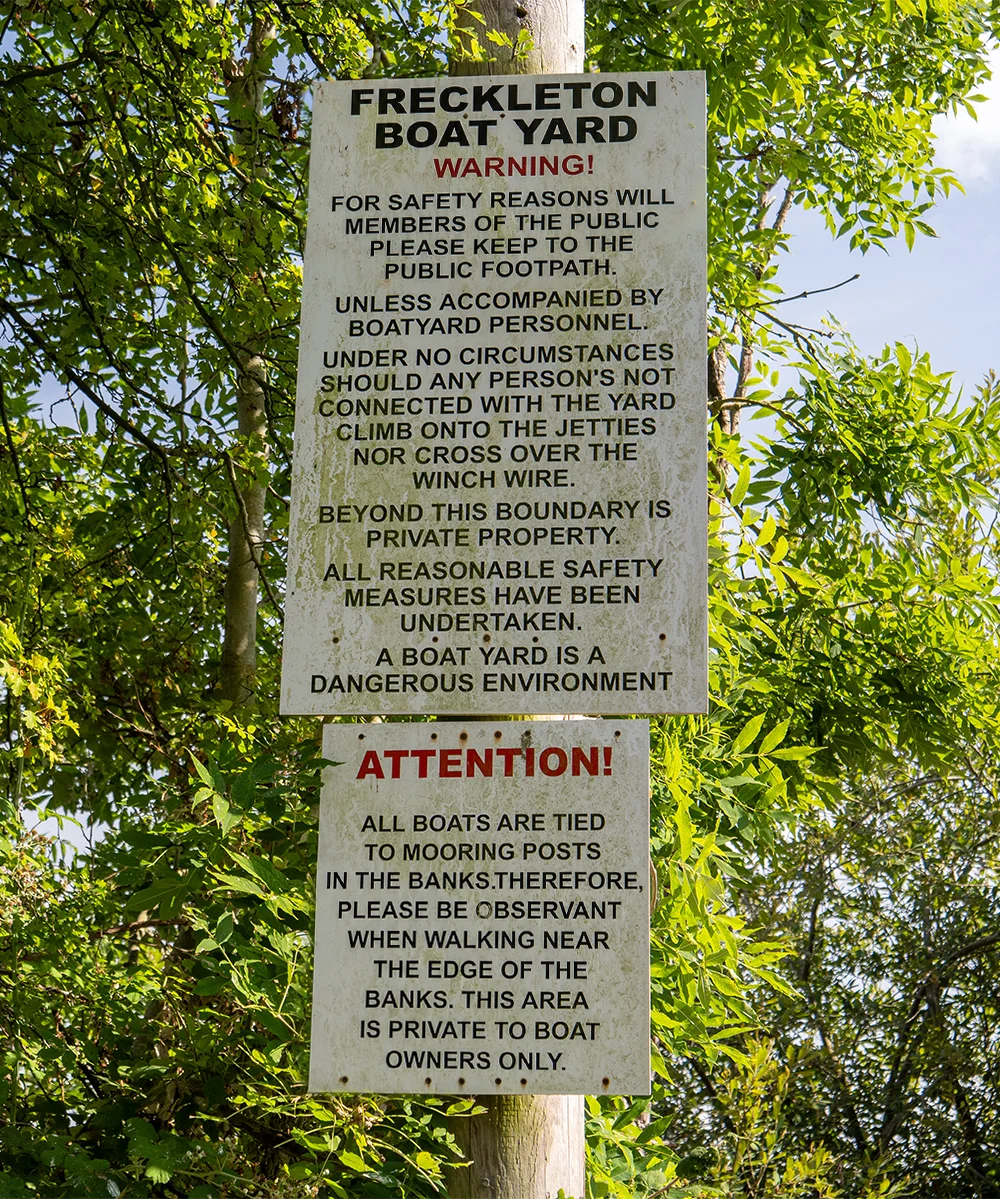 The village’s maritime industry expanded throughout the nineteenth century. Cargoes of timber, grain and slate regularly arrived from Connah’s Quay on the River Dee and occasionally from Ireland, while coal was transported from Wigan along the River Douglas before being unloaded at Freckleton. Supporting industries developed alongside the shipyard, with local businesses producing rope and sailcloth for the growing fleet of sailing vessels. Together, these trades transformed what had traditionally been an agricultural village into an important riverside industrial community. Among the yard’s most successful shipbuilders were the Wright, Rawstrone and Allanson families, who oversaw the construction of increasingly larger vessels. In 1871, the yard launched its first ocean-going vessel, the schooner Isabella, demonstrating that Freckleton’s craftsmen were capable of building ships for international trade. During the following years, several impressive three-masted schooners were launched, including Jane, Perseverance, J. C. Swindlehurst and the Welcome, an 88-foot schooner whose launch on 13 June 1885 attracted large crowds and was followed by a celebratory dinner at the nearby Ship Inn.
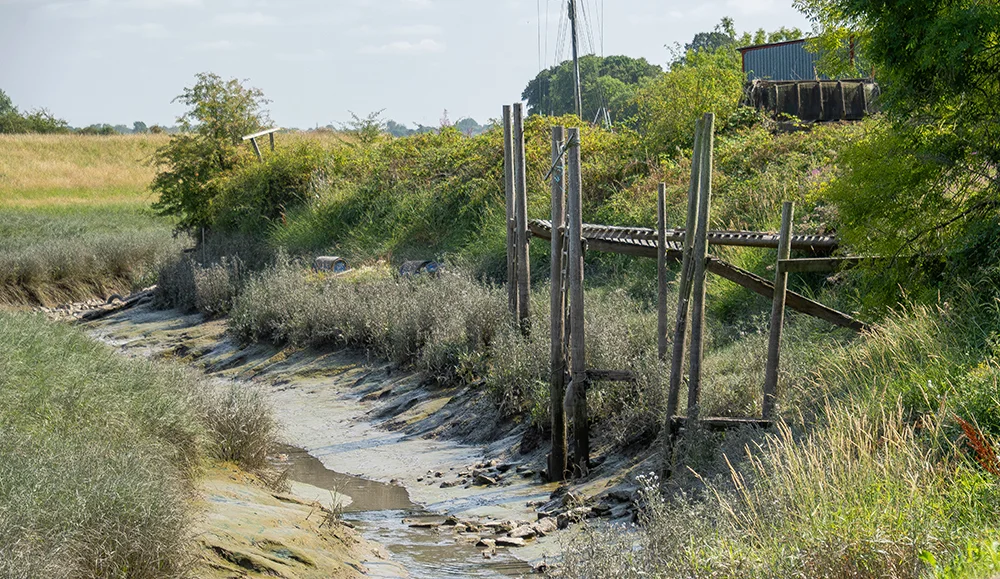 During the twentieth century, the nature of the yard changed as traditional wooden shipbuilding declined. Rather than constructing large numbers of new vessels, Freckleton Boatyard became renowned for its repair and maintenance work, eventually taking on the prestigious responsibility of servicing Royal National Lifeboat Institution (RNLI) lifeboats from across the North West. This specialist work reflected the high regard in which the yard’s craftsmen were held and ensured that Freckleton continued to play an important role in Britain’s maritime infrastructure. The boatyard’s fortunes declined during the second half of the twentieth century as commercial shipping patterns changed and traditional wooden boatbuilding gave way to modern construction methods. In June 1970, a fire destroyed one of the main workshops, bringing an end to much of the historic yard’s activity. Although the site continued to operate on a much smaller scale for several years and even launched a 35-foot yacht, Northern Rose, in 2000, large-scale boatbuilding had effectively come to an end. The business later concentrated on the manufacture of fibreglass mouldings, bringing to a close almost two centuries of continuous shipbuilding on the site.
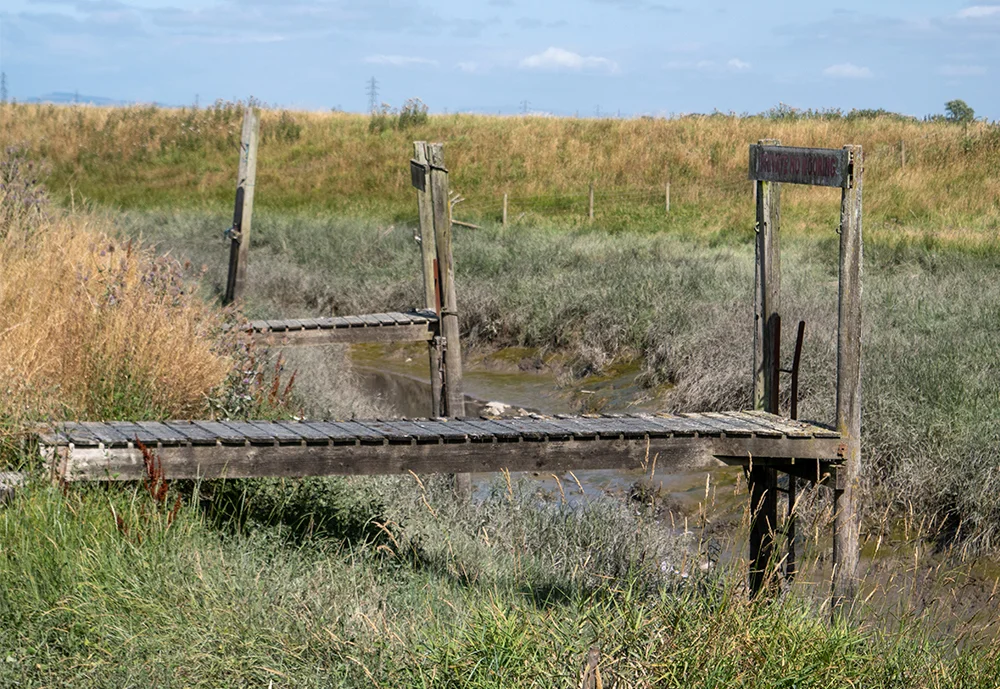 Today, little remains to suggest that Freckleton was once one of the Ribble’s busiest shipbuilding centres. Yet the boatyard played a significant role in the village’s development, supporting generations of skilled craftsmen and helping establish Freckleton as an important port long before the modern era. Together with the nearby quay, it stands as a reminder that this quiet Fylde village once built vessels that sailed around the British coast and maintained the lifeboats that saved countless lives at sea.
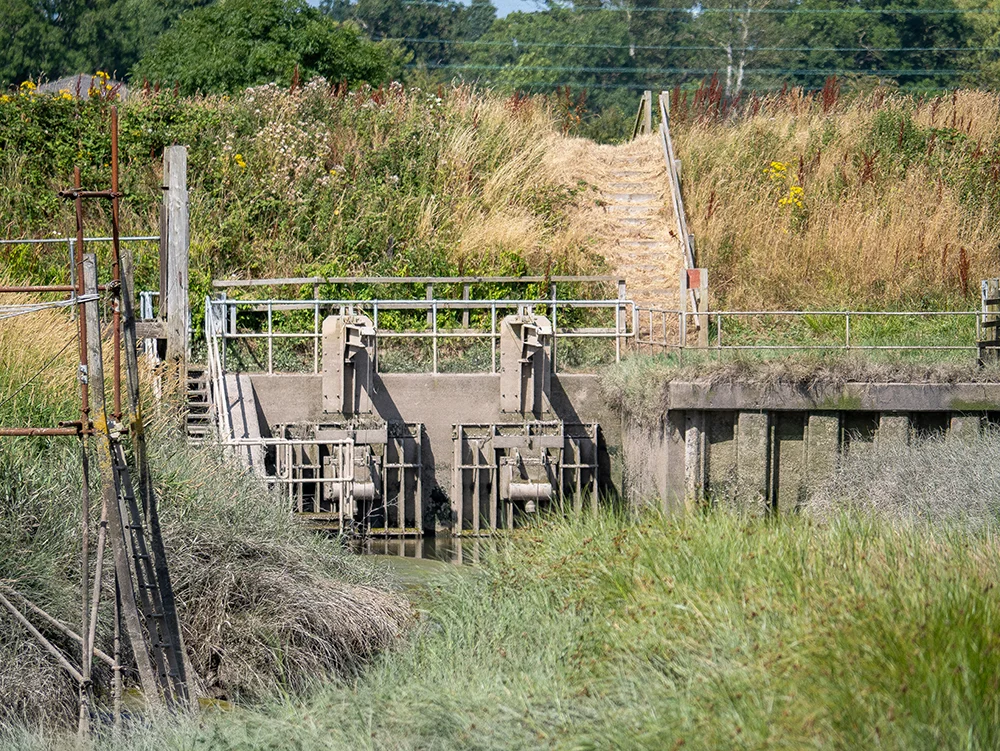
As demand for traditional wooden boat building declined, the site entered a new chapter with the arrival of Marine & Industrial Mouldings Ltd. Building on the area’s long association with craftsmanship and manufacturing, the company adapted the former boatyard for the production of glass reinforced plastic (GRP) components. Over the following decades, the business developed expertise in the design and manufacture of moulded products for a wide range of industries, becoming particularly well known within the UK horsebox, racehome and coachbuilding sectors. Using modern design techniques alongside specialist manufacturing processes, the company continued the site’s long tradition of skilled engineering and fabrication, ensuring that a location once synonymous with wooden boat construction remained an active centre of manufacturing into the twenty-first century.
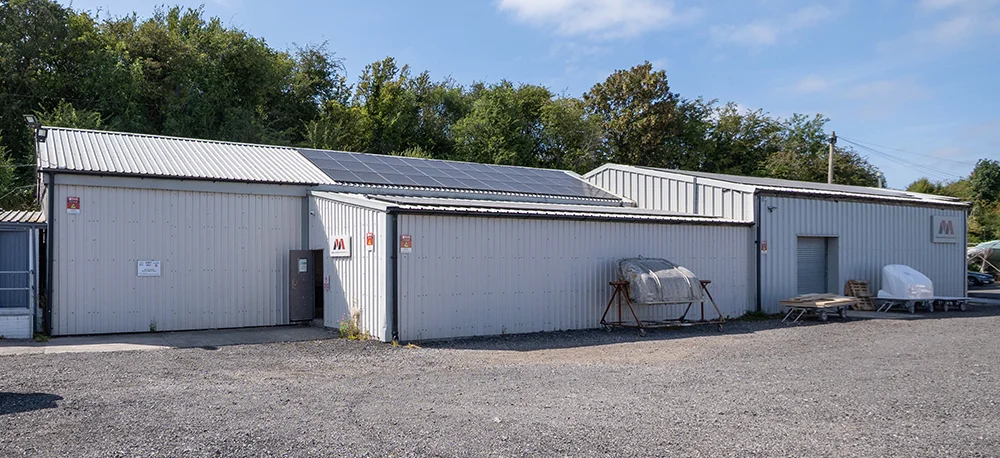
On the site today is Marine & Industrial Mouldings Ltd. July 2026
July 2026
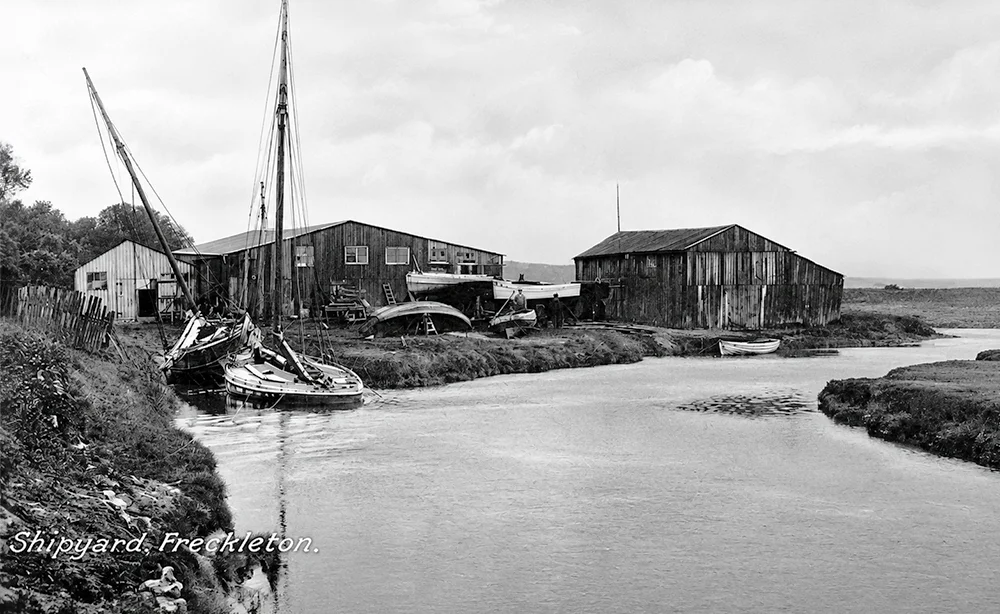
Shipyard, Freckleton c1900. Image provided by the Red Rose Collections.
Featured Image © Red Rose Collections
Additional Images © Deeper Blue Marketing & Design Ltd
Background Image © Deeper Blue Marketing & Design Ltd


