

































On 27 October 1862, Captain William Swarbrick, master of the Fleetwood steam tug Wyre, carried out a remarkable rescue in Morecambe Bay, saving 17 people from a sinking sailing vessel during a violent gale. His actions, alongside those of his crew and local pilots, earned him national recognition and an RNLI Silver Medal, securing his place in Fleetwood’s maritime history.
The vessel in distress was the barque Pudyona, associated with Glasson Dock near Lancaster. She had become stranded in Morecambe Bay during severe weather, with heavy seas and powerful squalls threatening the lives of everyone aboard. The steam tug Wyre, commanded by Swarbrick, was travelling towards the River Lune to assist another vessel bound for Glasson Dock. Three Fleetwood pilots were aboard when those on the tug spotted the stranded barque near the screw-pile lighthouse. Recognising the danger, Swarbrick changed course and headed towards the wreck, despite the difficult conditions.
Bringing the tug close enough to the damaged vessel was a dangerous undertaking. The Pudyona was exposed to the gale and heavy seas, and there was a serious risk that the Wyre could herself be damaged while attempting the rescue. Nevertheless, Swarbrick manoeuvred his vessel as close as conditions permitted, allowing 15 people to be taken aboard. With two still stranded, a further attempt was made, and both were successfully recovered. The timing proved critical. According to a contemporary account published in the Lancaster Guardian on 1 November 1862, the survivors had barely reached safety when the barque moved off the bank, filled with water, rolled onto her side and sank in deeper water. Had the rescue been delayed, the outcome could have been very different.
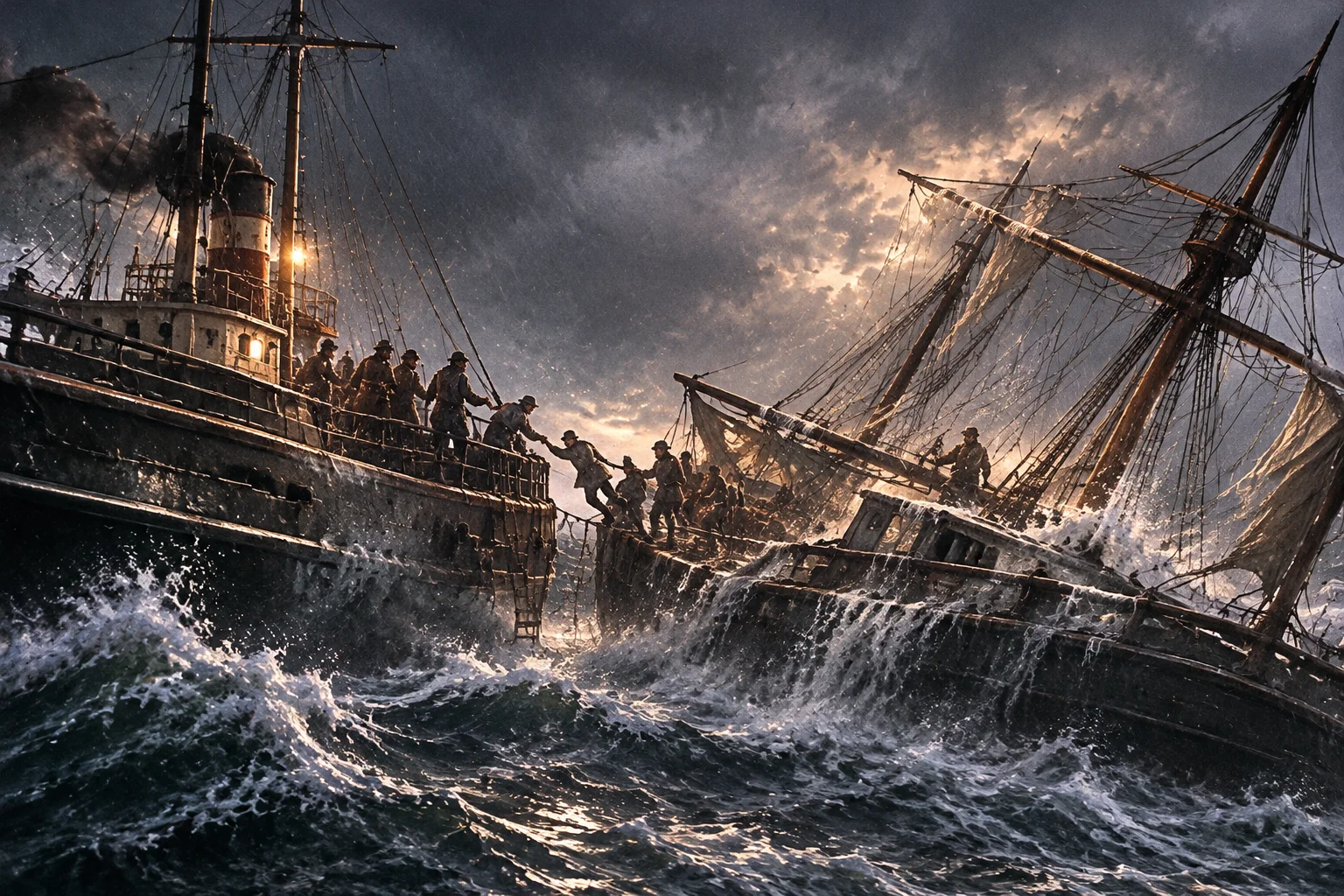
AI Interpretation © Deeper Blue Marketing & Design Ltd 2026.
The rescue attracted considerable attention, with particular praise directed towards Captain Swarbrick, his crew and the Fleetwood pilots Robert Gerrard, Hornby and Hesketh. Contemporary reports also raised questions about the actions of another steam tug, the Teaser, which had previously been towing the Pudyona. However, the circumstances were complicated by poor visibility and the difficulty of judging events from the stranded vessel, and the newspaper acknowledged that the other tug’s master might have acted as well as circumstances allowed. What was beyond dispute was the successful intervention of the Wyre and the survival of all 17 people aboard the barque.
Recognition followed within weeks. The Fleetwood Chronicle reported on 19 December 1862 that Captain Swarbrick had been presented with a telescope sent by the British government in acknowledgement of his courage and humanity. An account published in The Nautical Magazine and Naval Chronicle in 1863 also recorded a payment of £3 to Swarbrick, with payments awarded to the mate, first engineer, pilot and other members of the crew. These awards recognised not only the captain’s leadership but also the collective effort required to bring the survivors to safety.
Further recognition came on 1 January 1863, when the Royal National Lifeboat Institution voted Silver Medals to William Swarbrick and Fleetwood pilot Robert Gerrard for their actions. The awards were subsequently recorded in the Institution’s official publications and remain part of Fleetwood Lifeboat Station’s historical medal record. Although the rescue was undertaken by a steam tug rather than a lifeboat, the RNLI recognised the exceptional bravery demonstrated in saving lives at sea.
Captain Swarbrick’s achievement belongs to an important period in Fleetwood’s development as a working port. The town’s maritime activity depended on experienced captains, pilots and tug crews who understood the shifting sands, tidal channels and unpredictable weather of Morecambe Bay. Their everyday responsibilities involved guiding and assisting vessels through difficult waters, but occasionally those skills became the difference between life and death. While relatively little has yet been established about Swarbrick’s personal life or the remainder of his career, the events of 27 October 1862 provide a lasting record of his seamanship and courage. His rescue of 17 people, accomplished only moments before their vessel sank, remains a remarkable chapter in Fleetwood’s seafaring history.
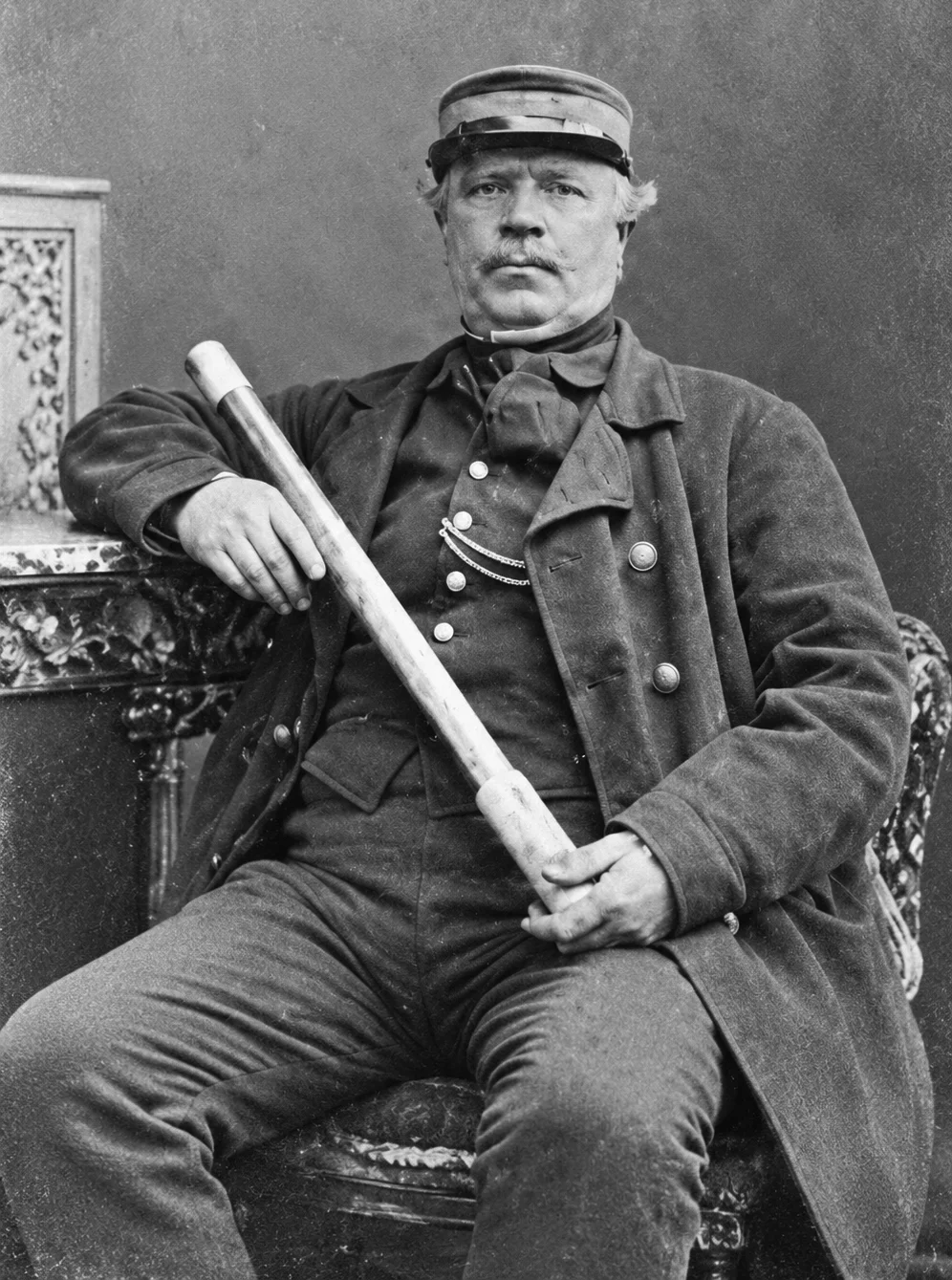
Text source: ChatGPT andUniversity of Liverpool


