































Sykes began boxing at the age of seven and demonstrated considerable promise as an amateur. However, his early career was repeatedly interrupted by periods in prison. During the early 1970s, he continued training and boxing while serving a sentence at Walton Prison in Liverpool, eventually representing the North-Western Counties amateur boxing team. In 1973, he reached the semi-finals of the Amateur Boxing Association heavyweight championships, losing to eventual champion Garfield McEwan. His performances demonstrated that, despite his troubled personal circumstances, he possessed the ability to compete against accomplished amateur boxers.
Following his release from prison in 1973, biographical accounts place Sykes in Blackpool, where he is said to have worked as a beach lifeguard. Although this detail appears in published accounts of his life, contemporary evidence establishing the circumstances and duration of his employment has not yet been located. His documented association with the resort would become clearer several years later, when he returned as a professional heavyweight boxer.
Sykes made his professional debut on 20 February 1978, defeating Keith Steve Johnson at the Norfolk Gardens Hotel in Bradford. Over the following months, he fought a succession of opponents while attempting to establish himself in the heavyweight division. His early contests included two meetings with Neil Malpass for the Central Area heavyweight championship, the first ending in disqualification and the second in a draw. Victories over Tommy Kiely, Neville Meade and American heavyweight Dave Wilson demonstrated his punching power, although his disciplinary problems continued to attract attention.
On 24 October 1978, Sykes entered the ring at Blackpool Tower Circus to face Congolese heavyweight Lisimo Obutobe. The contest was scheduled for eight rounds and represented Sykes’s seventh professional appearance. Obutobe had fought extensively in Europe, facing several established heavyweights, including Alfredo Evangelista and Jean-Pierre Coopman. However, his professional record suggested that he would face a difficult challenge against the powerful Yorkshire boxer. Sykes won the contest by knockout in the sixth round, improving his professional record to five victories, one defeat and one draw.
The Blackpool contest took place during an important period in Sykes’s brief professional career. Despite having relatively little experience, he was beginning to attract attention within British boxing, and his promoter, Manny Goodall, was attempting to establish him as a serious heavyweight contender. The Tower Circus provided an unusual setting for the fight, with its historic arena better known for circus performances than professional boxing. The event nevertheless formed part of Blackpool’s wider sporting history, when the resort’s entertainment venues occasionally accommodated boxing contests and other competitive events.
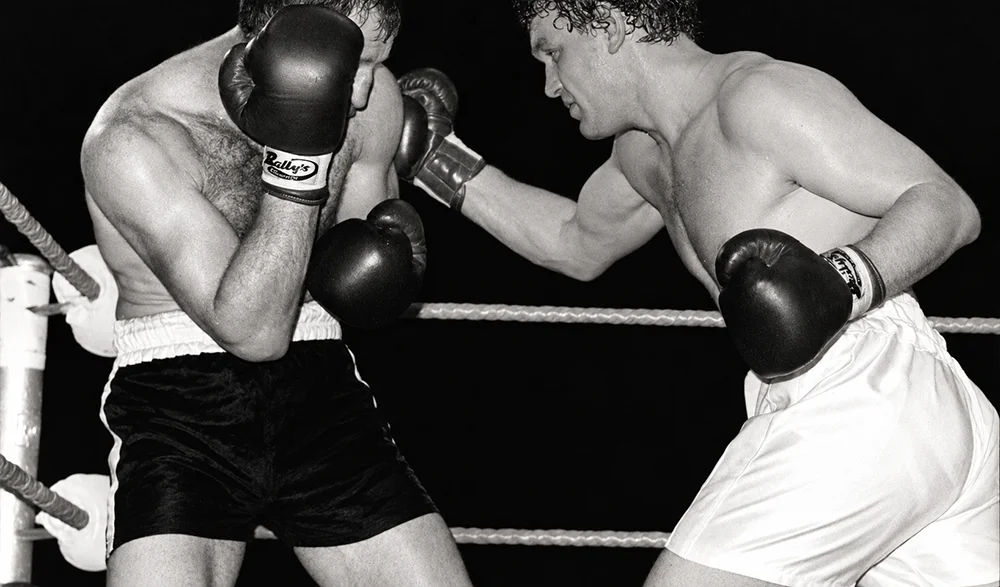
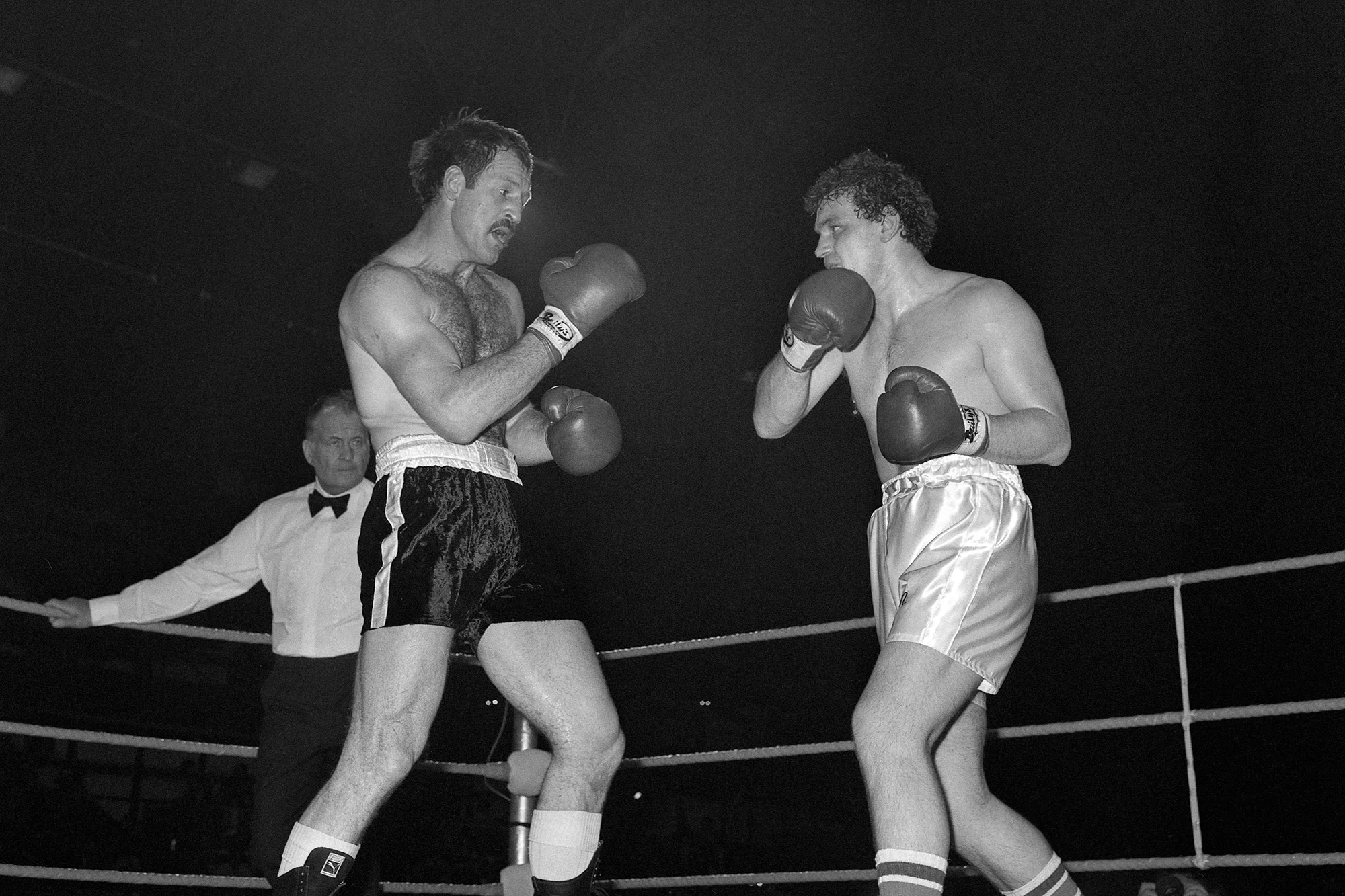
Less than eight months after his Blackpool appearance, Sykes received the opportunity to challenge John L. Gardner for the British and Commonwealth heavyweight championships. The fight took place at the Empire Pool, Wembley, on 26 June 1979. Gardner was the more experienced boxer and stopped Sykes in the sixth round. It proved to be the highest-profile contest of Sykes’s professional career. He fought only once more, travelling to Lagos, Nigeria, where he was knocked out in the opening round by Ngozika Ekwelum on 29 March 1980. His final professional record stood at six wins, three defeats and one draw from ten contests.
y this time, Sykes had also become involved in a criminal case with a direct connection to the Fylde Coast. During 1979, an industrial dispute at an engineering business in St Annes resulted in the assault of trade union official John Turton, a shop steward with the Amalgamated Union of Engineering Workers. The dispute arose during a period of industrial unrest within the engineering industry, when workers were taking action over pay and working conditions. The company’s owner, Peter Howe, arranged for Sykes to attack Turton in an attempt to influence the union’s position during negotiations.
Turton was assaulted with an iron bar, suffering serious injuries that included a fractured leg and head wounds requiring stitches. The case subsequently reached the courts, where Howe’s involvement in arranging the attack was established. Contemporary reporting in December 1980 recorded that Howe had received a two-month prison sentence. Sykes was subsequently sentenced to five years’ imprisonment, a punishment confirmed in an international news report published on 4 March 1981. The report identified both Howe and Turton and described how the businessman had paid the boxer to intimidate the union representative during the industrial dispute. The incident brought Sykes’s criminal activities into direct contact with the working lives of people on the Fylde Coast.
The conviction effectively ended any realistic prospect of Sykes returning to professional boxing. Although he had demonstrated considerable physical strength and fighting ability, his career had been marked by repeated periods of imprisonment and difficulties maintaining the discipline required of a professional sportsman. In later years, his reputation increasingly centred on his criminal record and the stories surrounding his life rather than his achievements in the ring. His experiences subsequently became the subject of documentary films, biographies and recollections from people who had known him.
Paul Sykes died in Wakefield on 7 March 2007, aged 60. His short professional career remains an unusual chapter in British boxing history, particularly because he progressed from prison and amateur competition to challenging for the national heavyweight championship within a remarkably short period. His connection with Blackpool is equally distinctive, encompassing both a documented victory at the Tower Circus and a serious criminal case arising from an industrial dispute in neighbouring St Annes.
Blackpool Timeline intends to investigate Sykes’s connections with the Fylde Coast further, particularly the accounts of his employment on Blackpool Beach during the 1970s and the circumstances surrounding his appearances in the resort. Additional information may emerge from contemporary newspaper archives, boxing records and the extensive research undertaken by author Jamie Boyle, whose books examine Sykes’s life and career. Any significant new findings will be incorporated into a future update of this article.
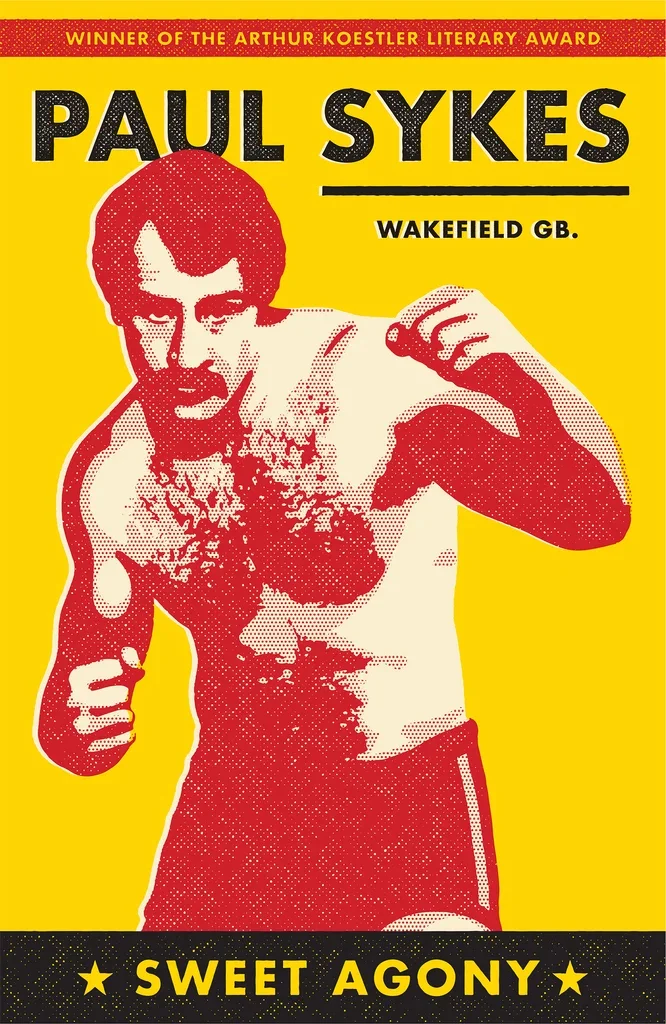
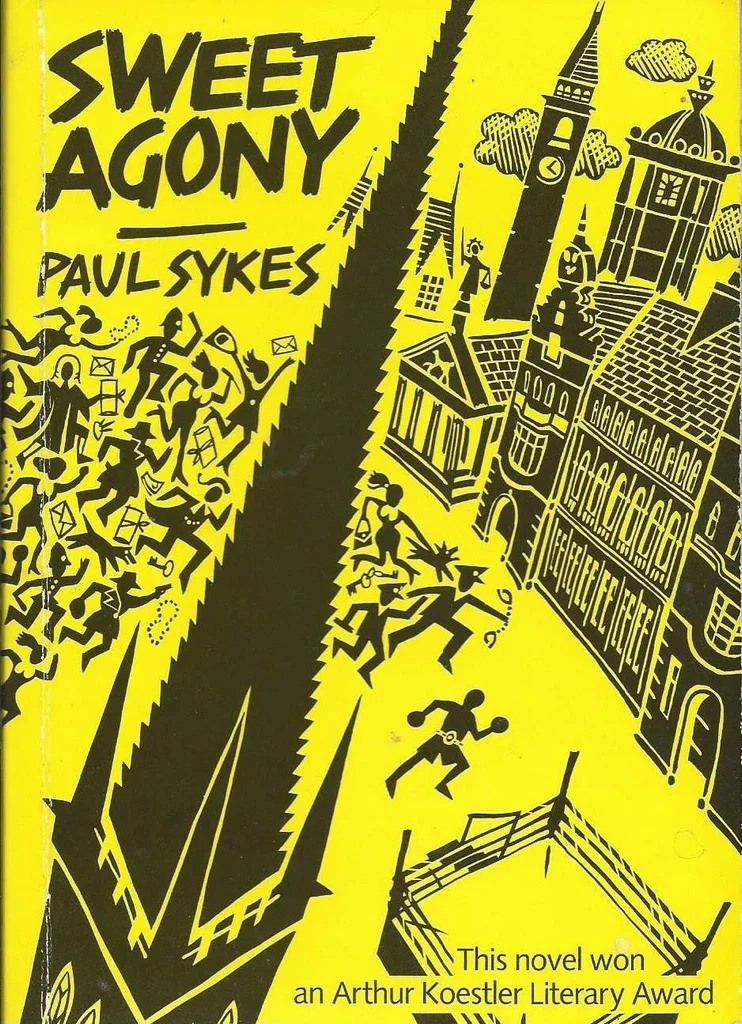
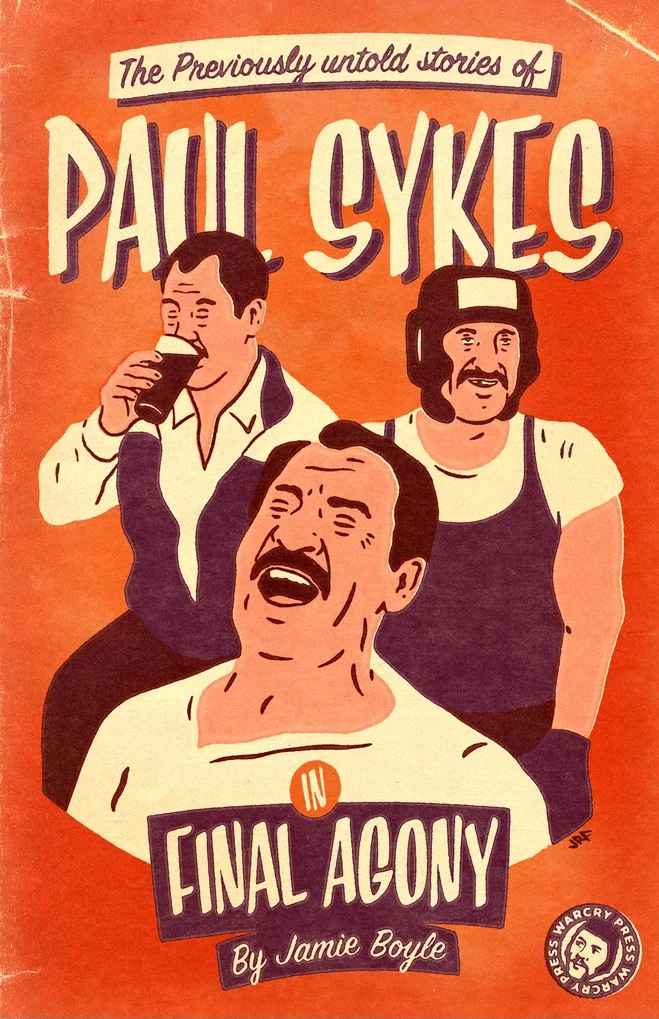
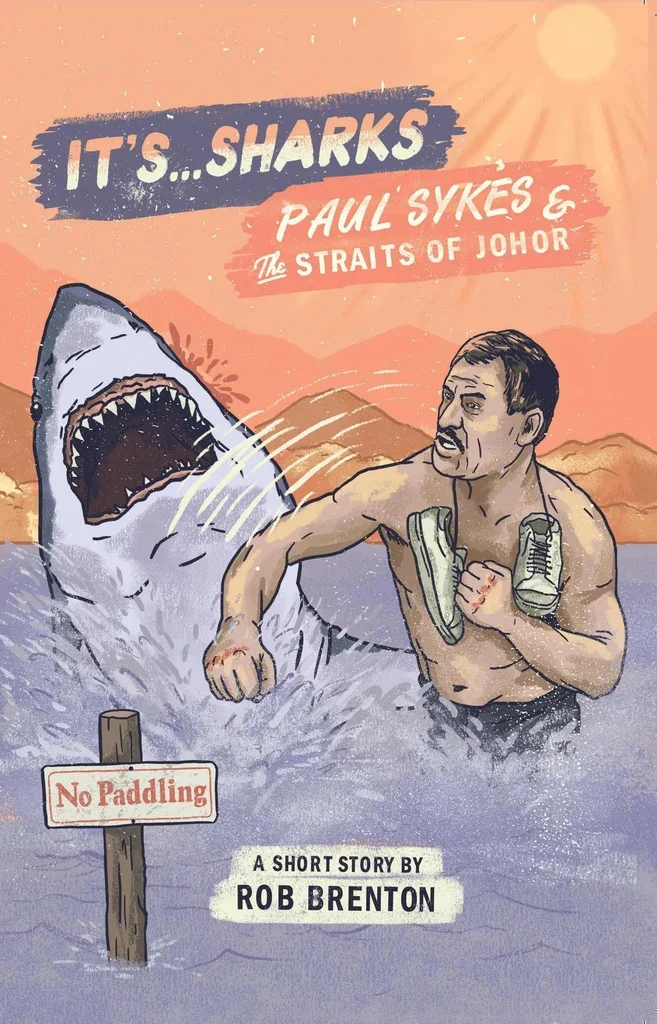
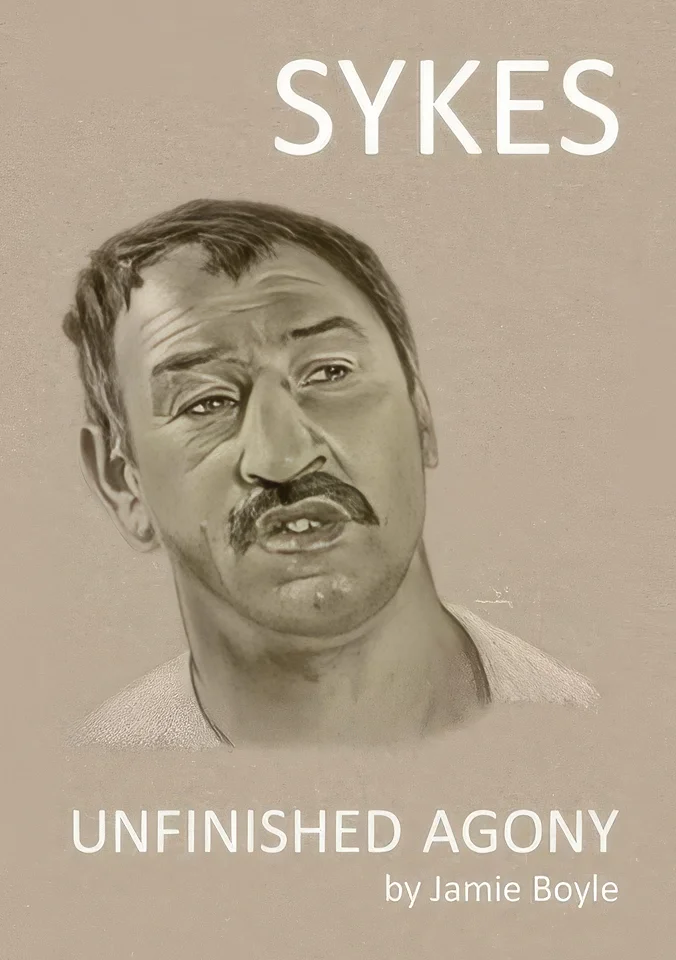
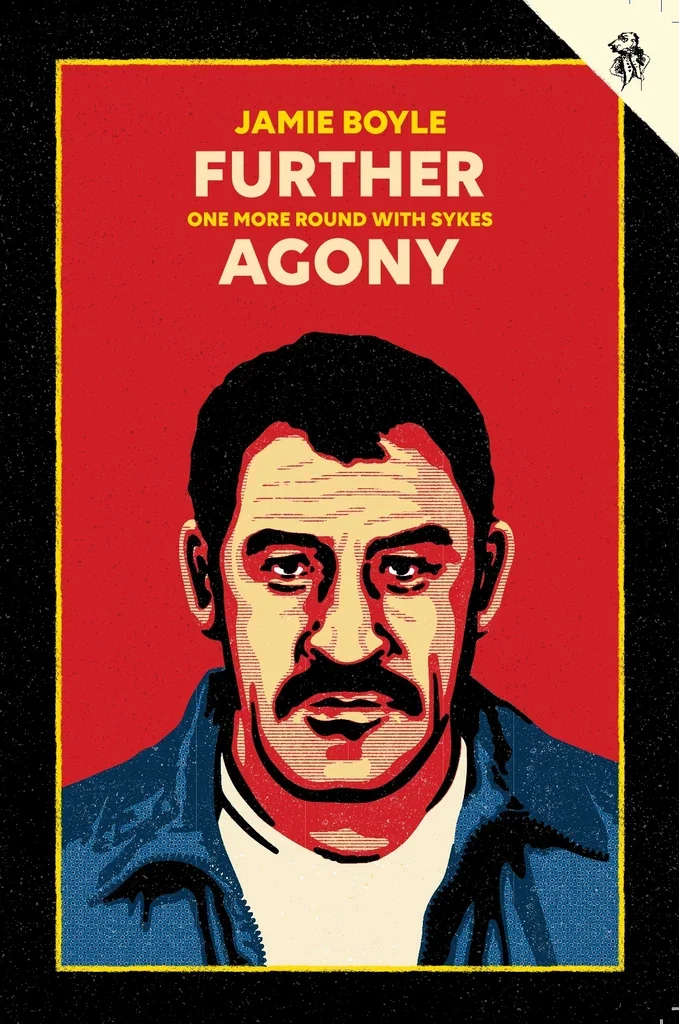
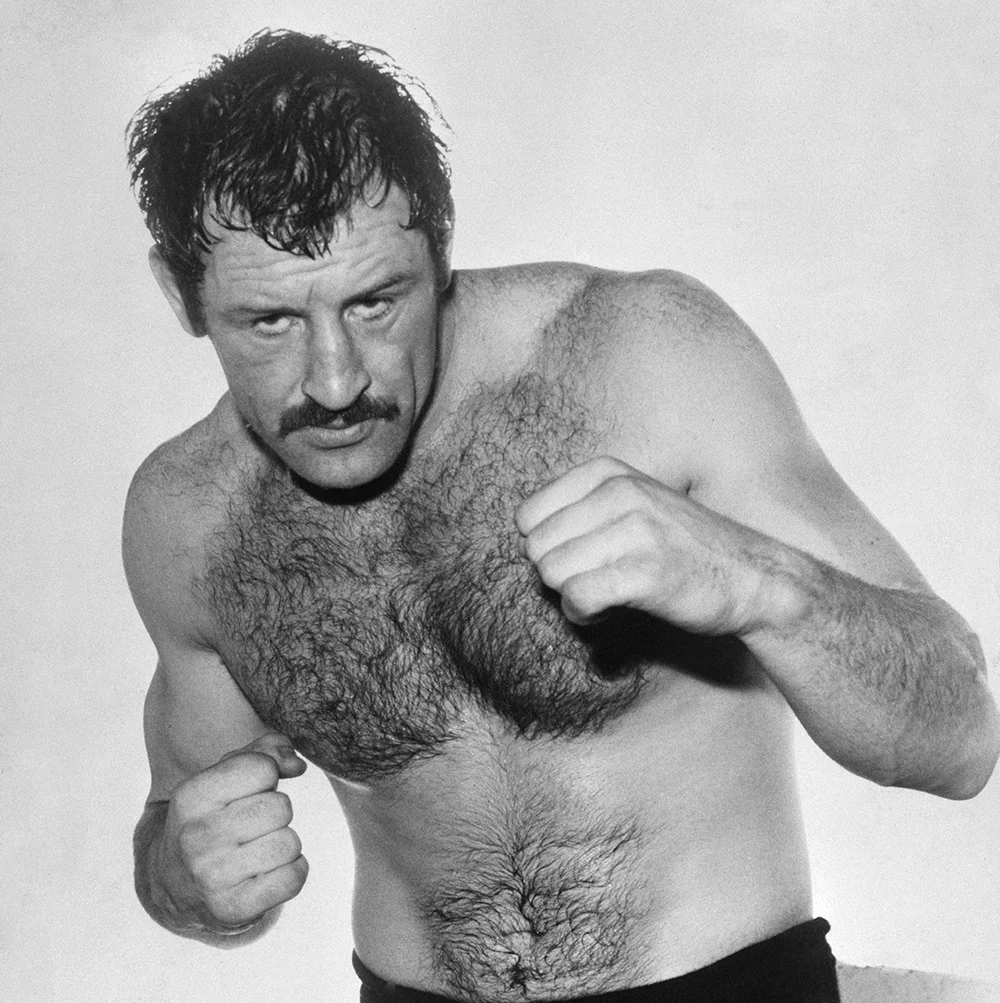
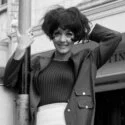
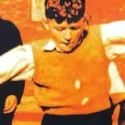
Heavyweight boxer Paul Sykes, of Ossett, Yorkshire. *PNR/COPY NEG


