













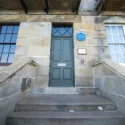


















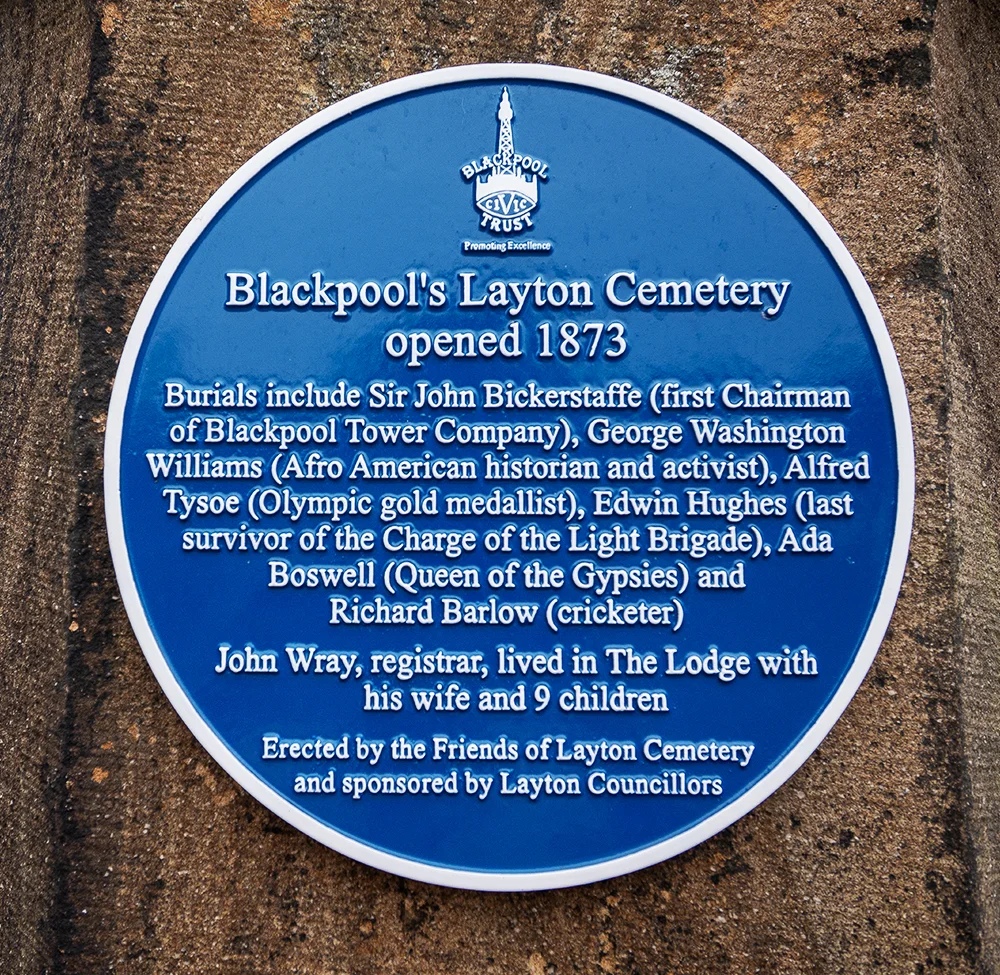
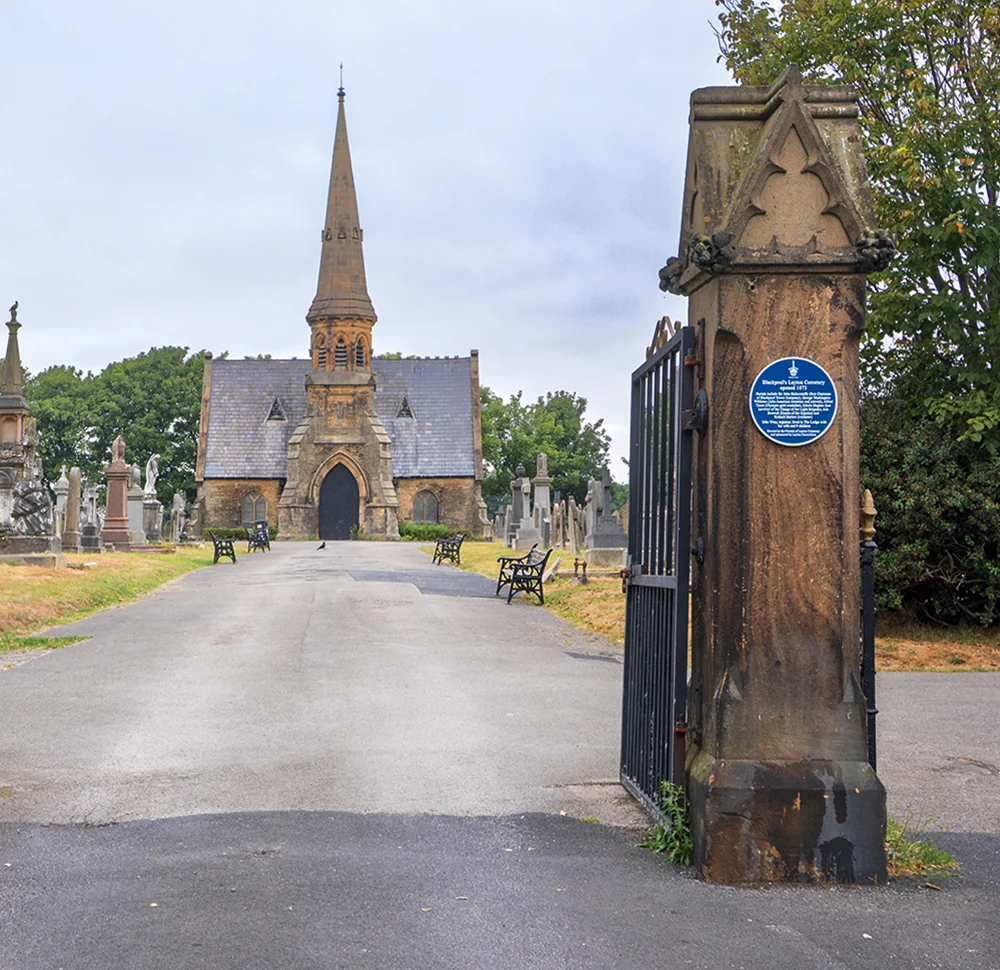
 Layton Cemetery, one of Blackpool’s most important surviving Victorian sites, received its own Blue Plaque in 2025, recognising more than 150 years of local history and the generations of Blackpool residents whose stories are represented within its grounds. The plaque was unveiled on 8 November 2025 by the Mayor of Blackpool, Councillor Kim Critchley, accompanied by representatives of the Friends of Layton Cemetery and Blackpool Civic Trust. It was sponsored by the Friends of Layton Cemetery and Layton councillors, with Blackpool Civic Trust recording that the plaque was installed in recognition of the cemetery’s historical and cultural significance.
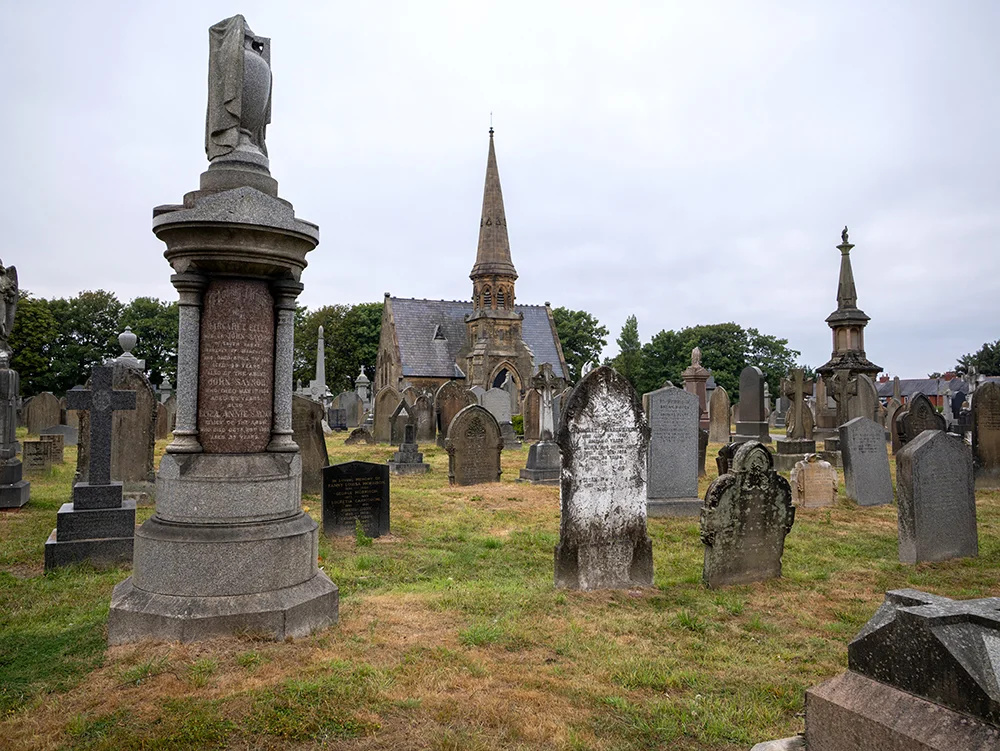
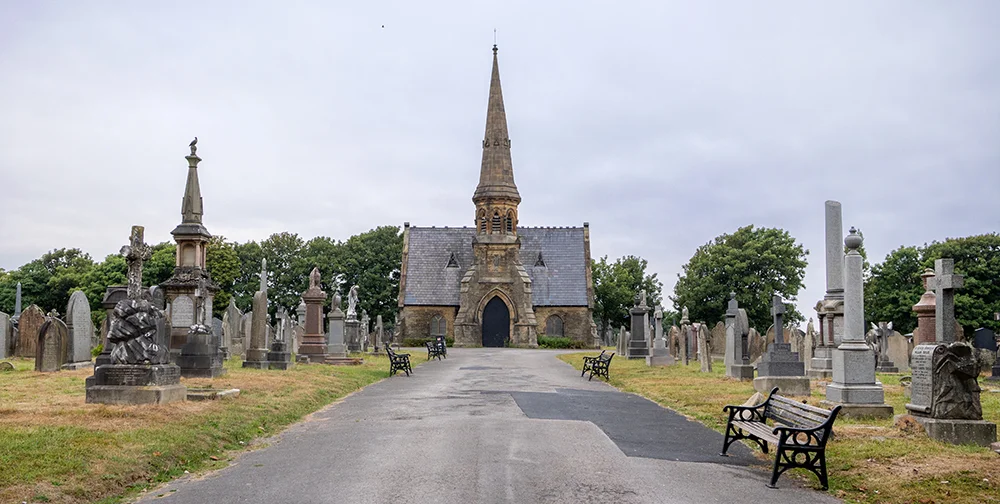 Layton Cemetery opened in 1873 as Blackpool underwent a period of rapid expansion. The existing graveyard at St John’s Parish Church in the town centre had become full, while the growth of Blackpool as a resort was bringing an increasing permanent population. A new burial ground was therefore established away from the increasingly congested centre of the town. The first interment took place on 14 February 1873, when John Slater, a gardener and handyman at Bailey’s Hotel on the Promenade, was buried there. The cemetery was initially comparatively small but expanded considerably as Blackpool grew. Today it extends across approximately 40 acres and contains around 17,300 graves, making it an extraordinary physical record of the development of the town and its population. The cemetery was laid out by Preston architects Garlick, Park and Sykes. Three mortuary chapels originally served Anglican, Roman Catholic and Nonconformist sections, reflecting the different religious communities within the growing resort. Only the Church of England chapel survives and is now Grade II listed. The cemetery subsequently developed further sections, while the Jewish Cemetery lies a short distance away along Talbot Road.
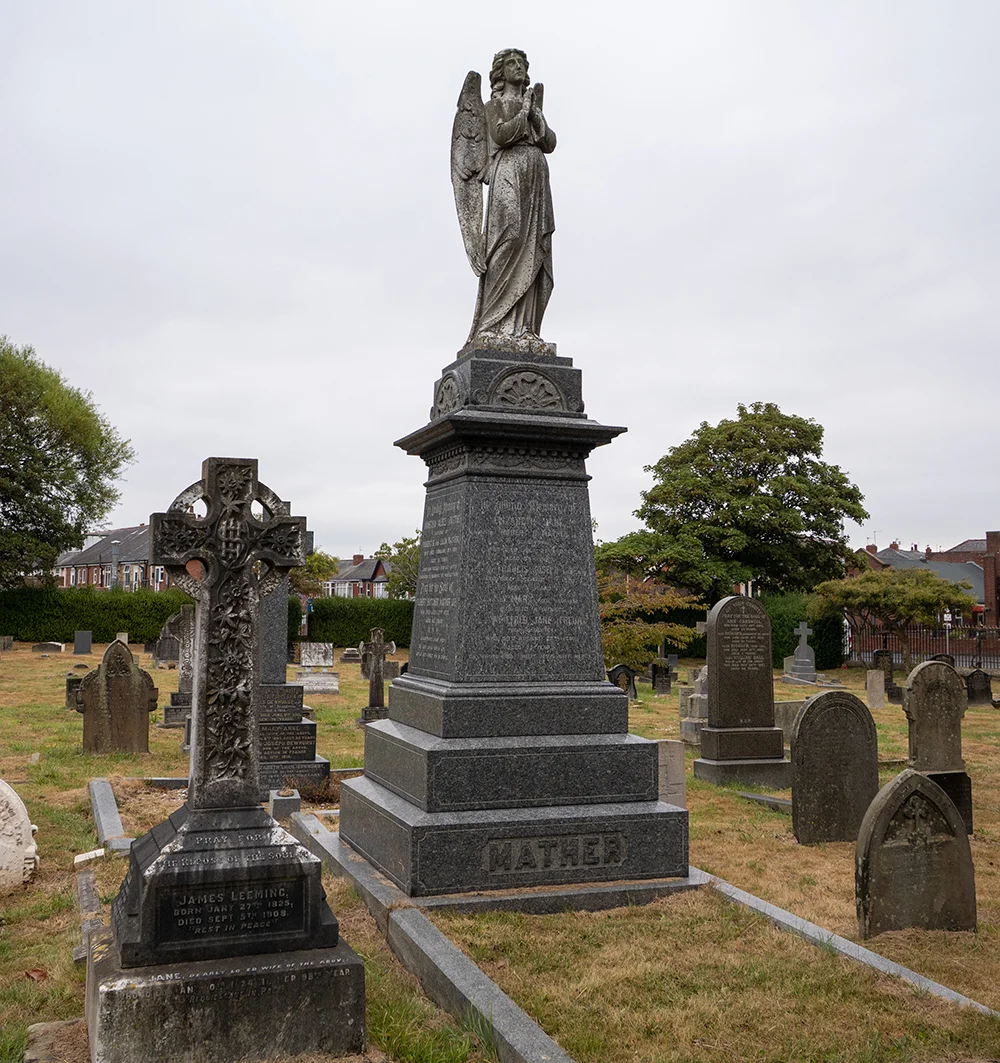
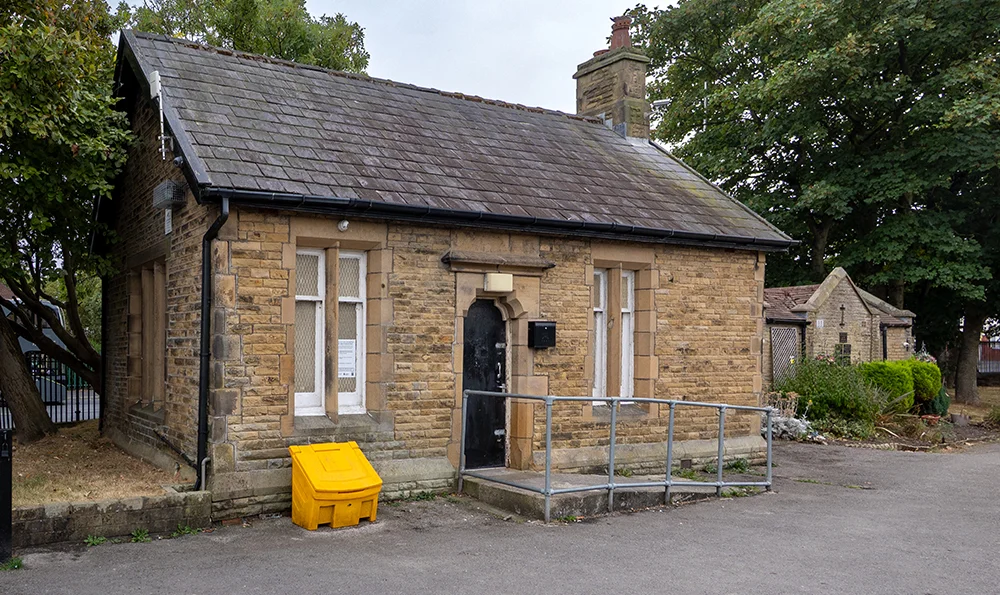 The reason Layton Cemetery was chosen for a Blue Plaque goes considerably further than its age. The site effectively preserves part of Blackpool’s social history in stone. Among those buried there are people closely connected with the development and national reputation of the town, including John Bickerstaffe, former Mayor of Blackpool and chairman of the company responsible for Blackpool Tower; John Grime, founder of the Blackpool Gazette; Lancashire dialect poet Samuel Laycock; England Test cricketer Richard ‘Dick’ Barlow; and athlete Alfred Tysoe, who won two gold medals at the 1900 Olympic Games. Several individual memorials within the cemetery are themselves recognised for their local heritage importance. Its significance is architectural as well as personal. The burial ground and Edwardian lodge are locally listed, along with original boundary features and important memorials. The surviving chapel is a prominent historic feature, while Blackpool Council’s assessment of Layton identifies the cemetery as significant for its religious, social and family history and as an important area of open space within the community.
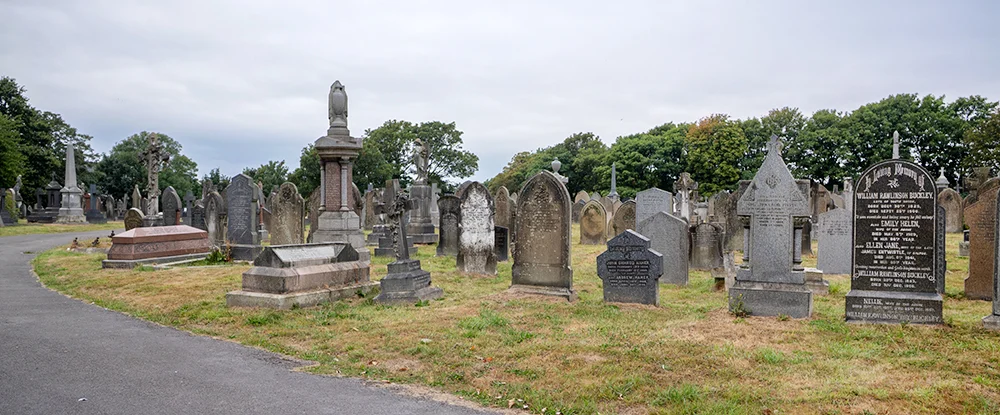 The cemetery also played a part in the physical development of Layton. Its establishment helped encourage residential growth in the surrounding district and contributed to the need for improved transport connections between Layton and central Blackpool. What had originally been a cemetery beyond the busy centre of the Victorian resort gradually became surrounded by the expanding town. Much of this heritage is now promoted by the Friends of Layton Cemetery, whose volunteers research the people buried there and organise guided tours highlighting graves and stories of particular interest. The group was also instrumental in securing the Blue Plaque, with Pam Isherwood recognised by Blackpool Civic Trust for her work towards obtaining it.
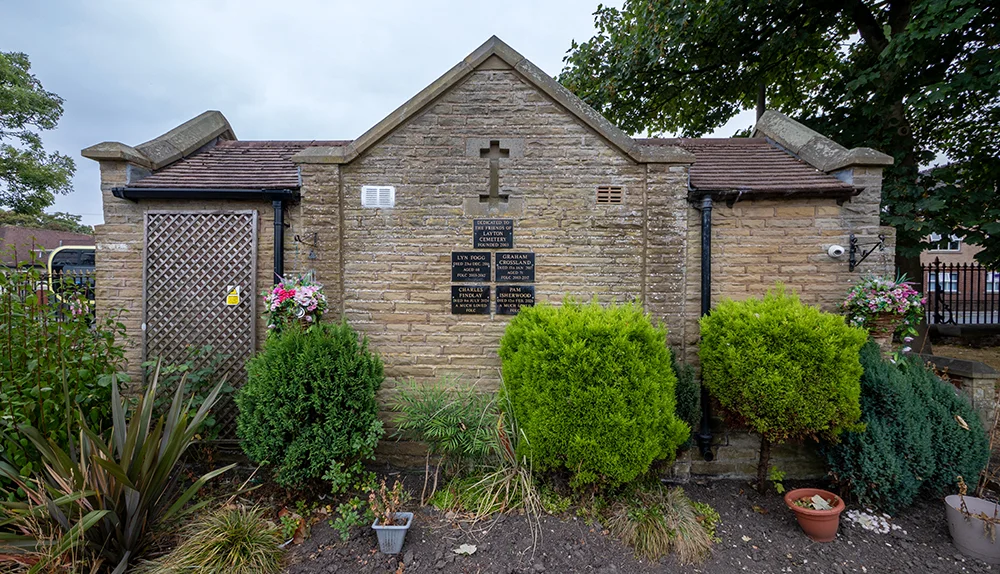 The unveiling on 8 November 2025 therefore recognised not simply a Victorian cemetery, but a place containing more than a century and a half of Blackpool’s history. From prominent figures who helped shape the resort to thousands of residents whose lives formed part of the wider Blackpool community, Layton Cemetery remains one of the town’s most significant historical landscapes. Its Blue Plaque provides a permanent reminder that the cemetery itself, as well as the people commemorated within it, forms an important part of Blackpool’s heritage.
Images by © Deeper Blue Marketing & Design Ltd


