


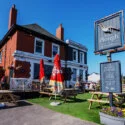






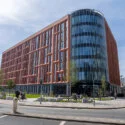


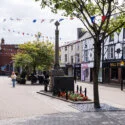














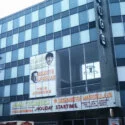



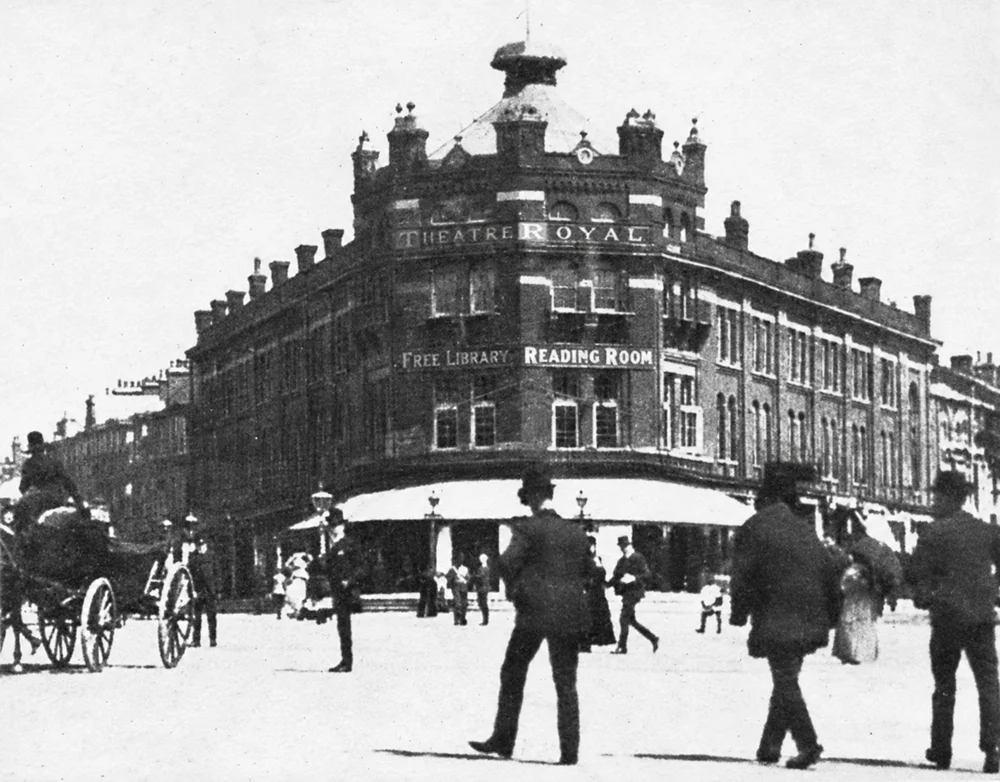
The Theatre Royal at the junction of Talbot Square and Clifton Street, Blackpool. Originally opened as the Arcade and Assembly Rooms in 1868, the building was the venue for Oscar Wilde’s lecture, The House Beautiful, in December 1883. It later became the Tivoli Theatre and Yates’s Wine Lodge.
In December 1883, one of the most recognisable literary and cultural personalities of the Victorian age arrived in Blackpool to deliver a lecture at the Theatre Royal. Oscar Wilde, then aged 29, was already famous for his flamboyant public image, unconventional opinions and outspoken enthusiasm for art and beauty. Yet his appearance in the rapidly developing seaside resort was reportedly attended by just 80 people, a surprisingly modest audience for a man whose name was attracting attention on both sides of the Atlantic. His lecture, entitled The House Beautiful, offered Blackpool residents an opportunity to hear the ideas of a figure who would later become one of the most celebrated writers in the English language.
Wilde had been born in Dublin on 16 October 1854 and educated at Trinity College Dublin and Magdalen College, Oxford, where he developed his interest in classical literature, art and the philosophy of aestheticism. Influenced by thinkers and artists including John Ruskin, Walter Pater and William Morris, he became a prominent advocate of the belief that beauty should be valued for its own sake and that art should enrich everyday existence. His distinctive appearance, witty conversation and carefully cultivated public personality made him a celebrity well before his greatest literary achievements. By the early 1880s, his name was familiar to newspaper readers, and his ideas were being discussed, admired and ridiculed in equal measure.
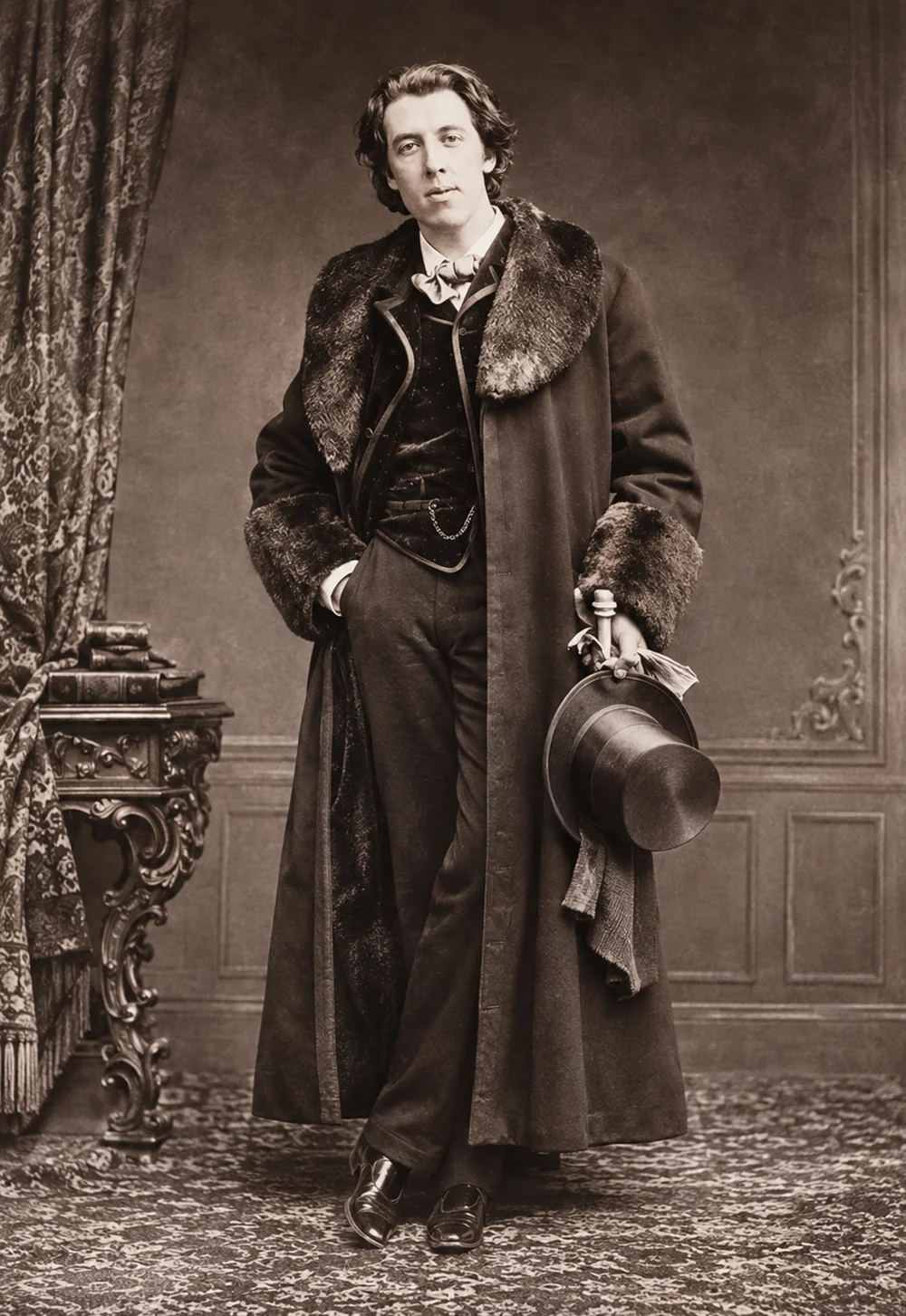
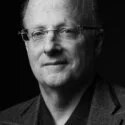
Oscar Wilde Photograph by Elliott Fry of Baker Street London, 1881.
In 1882, Wilde had undertaken an extensive lecture tour of the United States and Canada, where his reputation as a leading exponent of the Aesthetic Movement attracted considerable publicity. Originally intended to last only a few months, the tour expanded into a lengthy journey during which he addressed audiences on art, decoration and the importance of beautiful surroundings. His appearance and manner were frequently as much a subject of newspaper commentary as the lectures themselves. Following his return to Britain, he continued lecturing, visiting towns and cities across the country during 1883. These appearances provided an income while allowing him to promote ideas that challenged conventional Victorian attitudes towards art, craftsmanship and domestic life.
Blackpool was an interesting destination for such a speaker. During the preceding decades, the town had undergone remarkable growth, developing from a relatively modest coastal resort into an increasingly popular destination for visitors from Lancashire’s industrial towns and beyond. The railway had helped transform its fortunes, while the opening of the Winter Gardens in 1878 and improvements to its theatres and public entertainment facilities reflected its growing ambitions. Blackpool was becoming a place where visitors could experience an increasingly varied programme of performances, exhibitions, lectures and other attractions. Although the resort was primarily associated with seaside recreation and popular entertainment, its public halls also provided opportunities for audiences to encounter nationally prominent cultural figures.
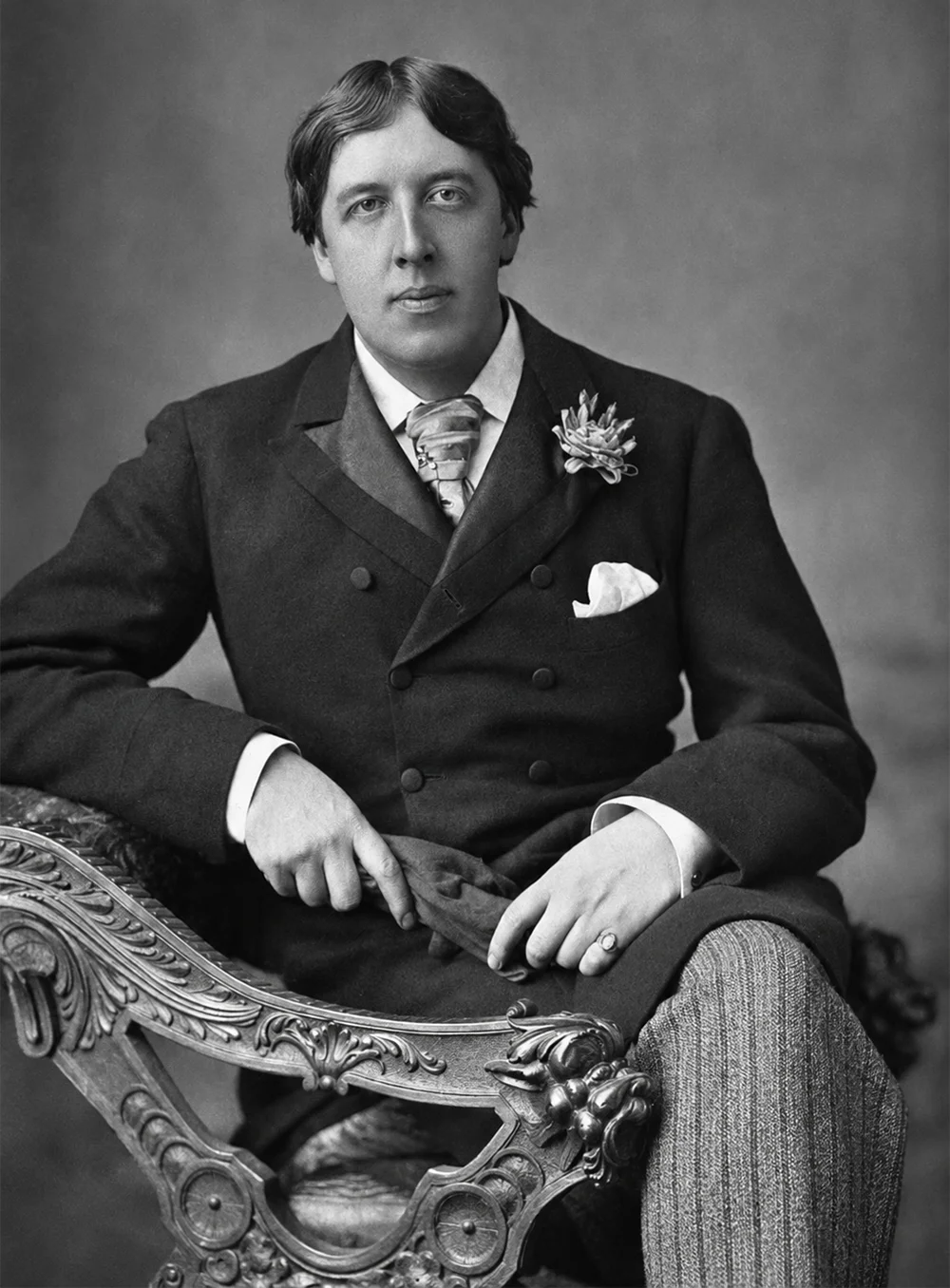
Wilde by W. & D. Downey of Ebury Street, London, 1889.
Wilde’s appearance took place at the Theatre Royal Assembly Rooms, an established entertainment venue which had developed alongside Blackpool’s growing visitor economy. The complex included shops, refreshment facilities and a spacious assembly hall with galleries and a stage suitable for concerts, lectures and theatrical performances. The Theatre Royal was therefore well suited to a visiting lecturer whose reputation depended as much upon his ability to command an audience as upon the ideas he presented. Local historical chronologies record Wilde’s lecture as taking place on 11 December 1883, although a later detailed history of Blackpool gives the following day, 12 December. Both accounts agree on the venue and the title of the lecture, but the precise date remains uncertain without confirmation from a contemporary newspaper advertisement or report.
The subject of Wilde’s lecture, The House Beautiful, reflected his conviction that art should not be confined to galleries, museums or the homes of the wealthy. He believed that ordinary domestic surroundings could be transformed through thoughtful decoration, harmonious colours, carefully chosen furnishings and an appreciation of craftsmanship. His arguments challenged the cluttered interiors and excessive ornamentation associated with much Victorian domestic fashion, encouraging people instead to consider the relationship between usefulness, simplicity and beauty. Drawing upon ideas associated with the Arts and Crafts Movement, Wilde promoted the value of objects that were both practical and aesthetically pleasing. He also believed that the surroundings in which people lived could influence their happiness, imagination and appreciation of the world.
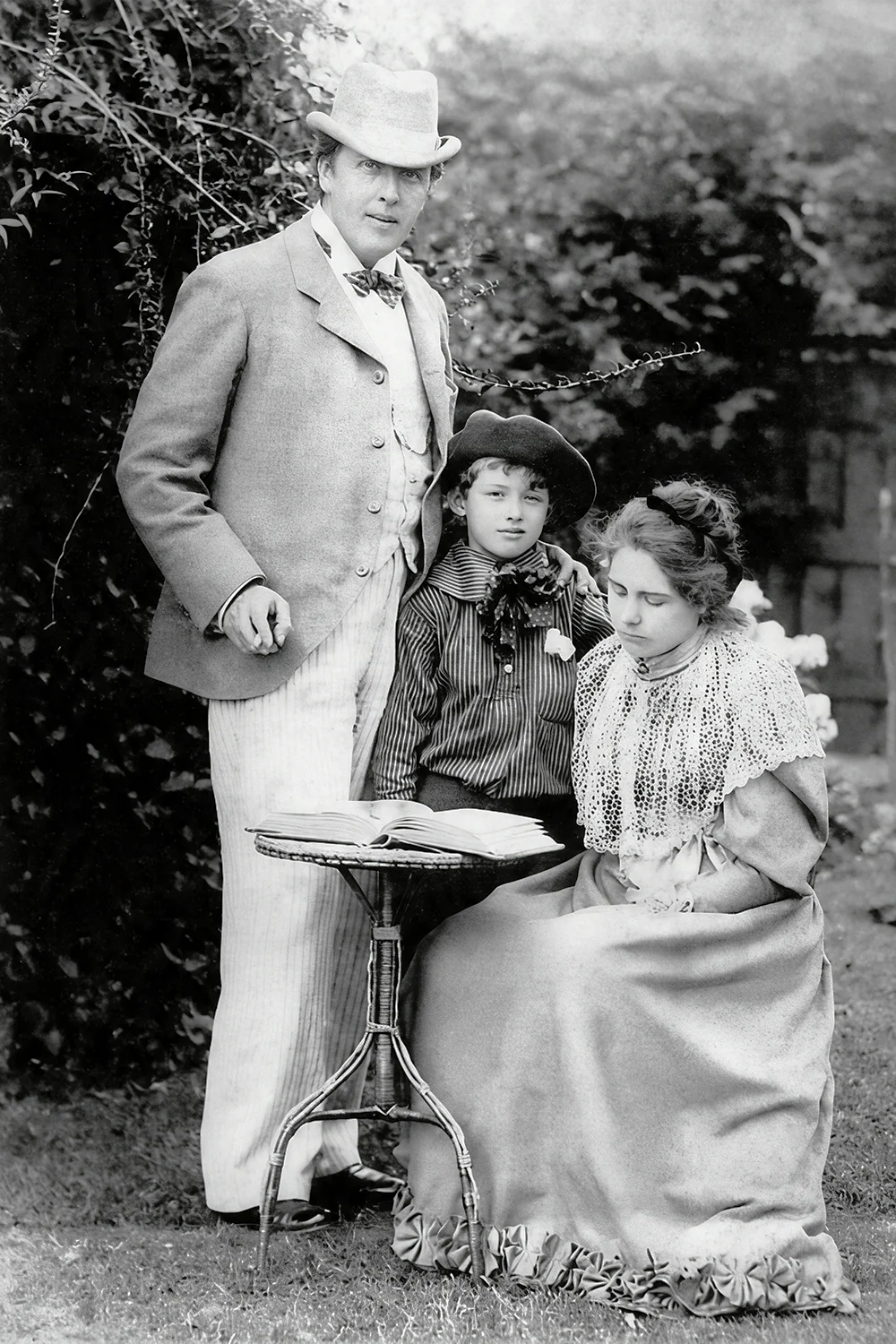
Oscar, Cyril and Constance Wilde during their summer holiday in Felbrigg, southwest of Cromer, Norfolk in 1892.
For a Blackpool audience in 1883, these ideas would have offered a different form of entertainment from the theatrical performances, concerts and variety attractions more commonly associated with the resort. Wilde’s lectures were not simply lessons in interior decoration. They formed part of a wider argument about the place of art in modern society, the importance of individual taste and the need to resist the assumption that expensive or elaborate objects were necessarily beautiful. His manner of presenting such arguments, combining serious observations with humour and criticism of fashionable conventions, helped make him an engaging public speaker even when his opinions provoked disagreement. His lecture tours also introduced aesthetic ideas to provincial audiences who might otherwise have encountered them principally through newspapers, magazines and caricatures.
Despite Wilde’s celebrity, his Blackpool appearance appears to have attracted a disappointingly small audience. One historical account records that only 80 people attended the lecture, although the figure has not yet been checked against a contemporary newspaper report. If accurate, the attendance would have been strikingly modest for a speaker who had recently enjoyed considerable publicity during his American tour. Wilde’s fame did not always translate into crowded lecture halls, particularly outside the larger cultural centres. His reputation was also complicated by the public fascination with his appearance and personality, which sometimes overshadowed the seriousness of his ideas. Those who attended lectures expecting an eccentric spectacle could instead find themselves listening to a carefully developed argument about art, design and society.
The Blackpool lecture came at an important stage in Wilde’s career. Although he had already published poetry and established himself as a public personality, many of the works that secured his lasting literary reputation still lay ahead. His novel The Picture of Dorian Gray first appeared in 1890, followed by the successful stage comedies Lady Windermere’s Fan, A Woman of No Importance, An Ideal Husband and The Importance of Being Earnest. His distinctive wit, fascination with appearances and willingness to question social conventions would become central features of these works. The ideas about beauty and artistic expression that he discussed during his lecture tours also remained important throughout his writing.
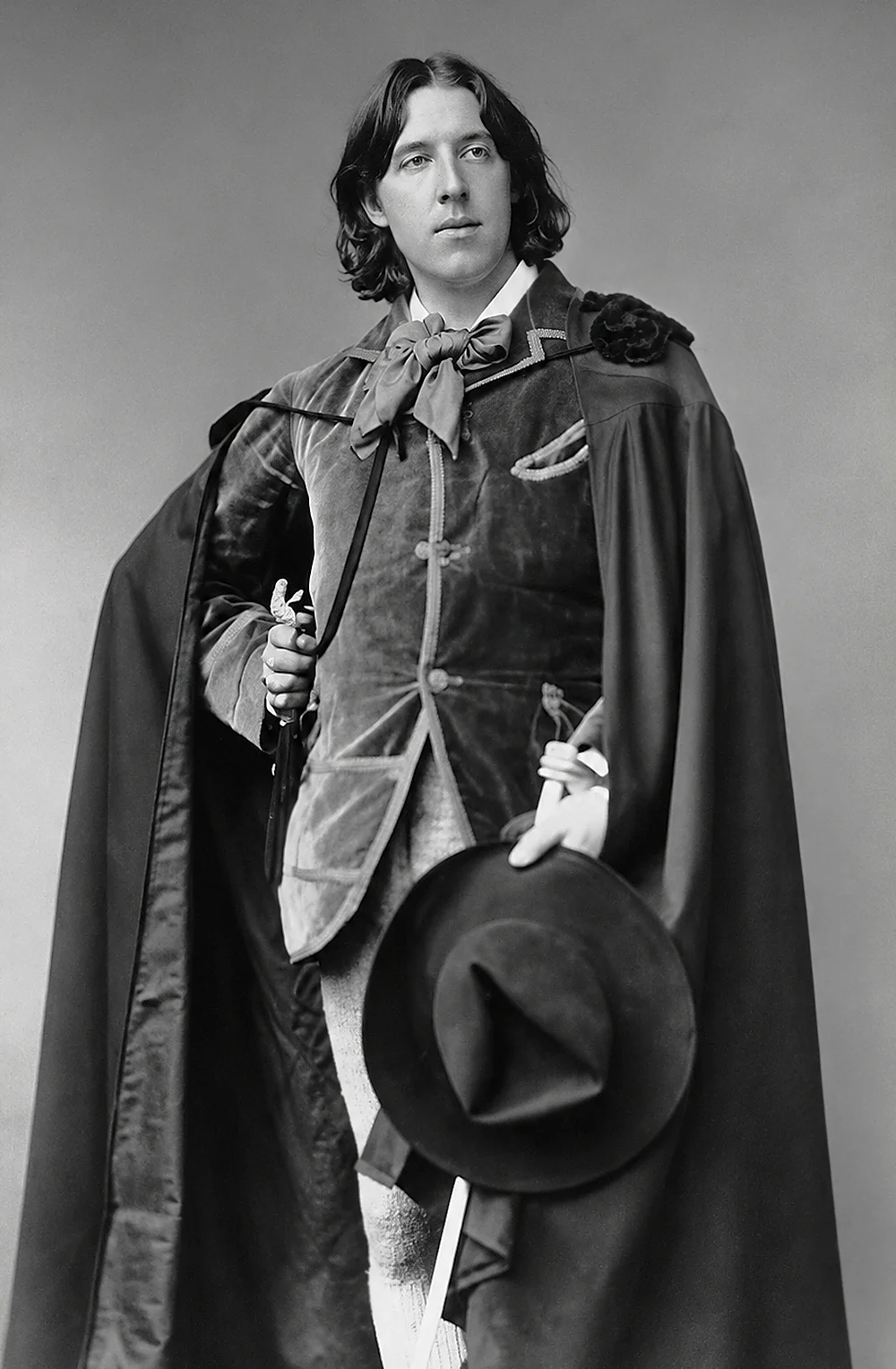
Oscar Wilde by Sarony, 1882.
Wilde’s subsequent life was marked by extraordinary literary success and personal tragedy. In 1895, at the height of his fame, he was prosecuted and imprisoned for gross indecency following the collapse of his libel action against the Marquess of Queensberry. His conviction destroyed his public career and led to two years’ imprisonment with hard labour. Following his release in 1897, he lived largely in exile on the Continent and died in Paris on 30 November 1900, aged 46. His reputation subsequently recovered, and his plays, essays, fiction and epigrams became enduring parts of English-language literature. The young lecturer who had addressed a small gathering in Blackpool in 1883 would eventually be recognised as one of the most important cultural figures of the late Victorian period.
Wilde’s appearance at the Theatre Royal provides an intriguing connection between Blackpool’s developing entertainment scene and the wider artistic and intellectual movements of nineteenth-century Britain. His visit took place at a time when the resort was establishing itself as a destination capable of attracting prominent performers, speakers and public personalities, even if the audiences they encountered were not always as large as expected. The surviving historical accounts establish one appearance in December 1883, but there is presently no reliable evidence of a further personal visit to the town. For the relatively small number of people who reportedly attended The House Beautiful, the occasion offered an opportunity to hear a celebrated young aesthete whose greatest achievements still lay in the future. More than a century later, Oscar Wilde’s brief appearance in Blackpool remains a little-known episode in the history of both the town and the writer himself.
Our thanks goes out to Wikipedia for their superb public domain images.
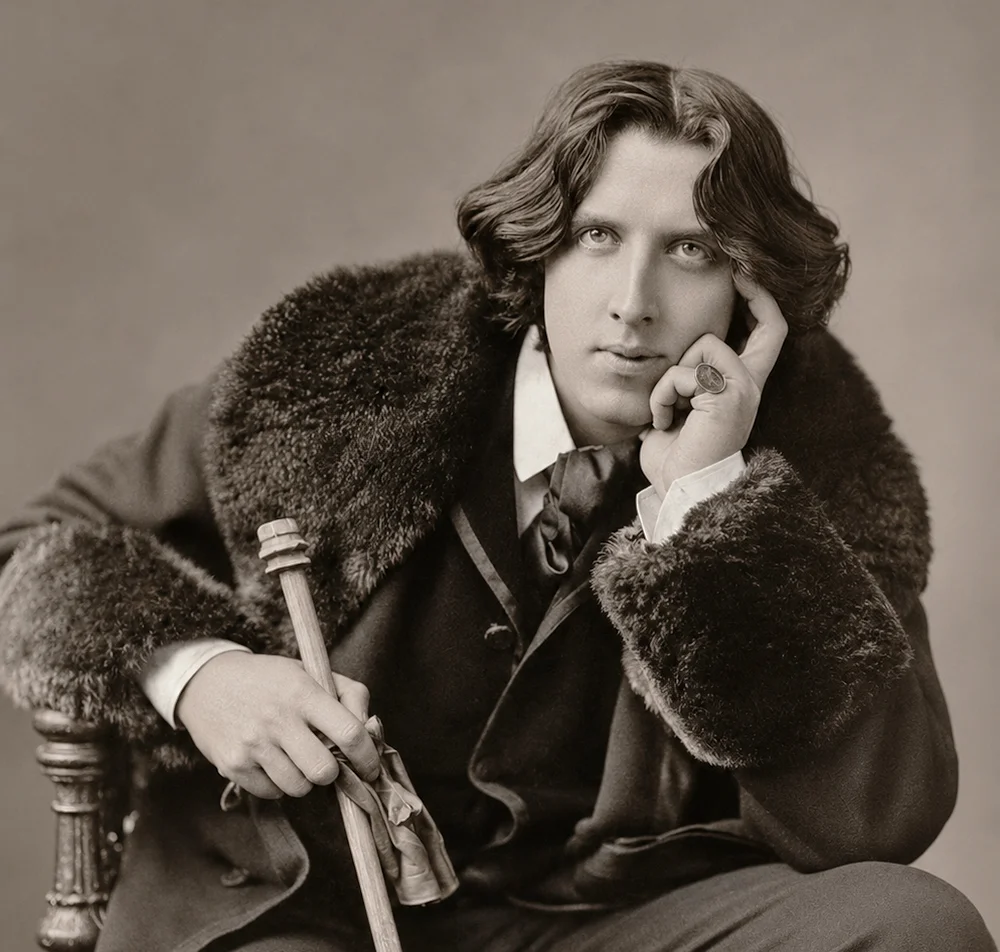
Wilde photographed by Napoleon Sarony in 1882
Background Image © Alamy
Images by © Public Domain


