


















Kathleen Eyre became one of the Fylde Coast’s most prolific local historians, preserving the stories of Blackpool, Lytham St Annes and the surrounding Lancashire countryside through books, newspaper articles, lectures, broadcasts and historical research. Her work was produced at an important time, when the Fylde was changing rapidly but people with memories stretching back into the Victorian and Edwardian periods were still alive to tell their stories. Eyre’s family moved to the Fairhaven Estate in Lytham St Annes during the 1920s, although her date and place of birth have yet to be established. In 1950 she began writing for the Lytham St Annes Express and during the same year started lecturing on Fylde history for the St Annes branch of the Workers’ Educational Association. It marked the beginning of a career devoted to recording the history and character of the area.
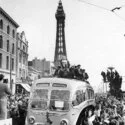
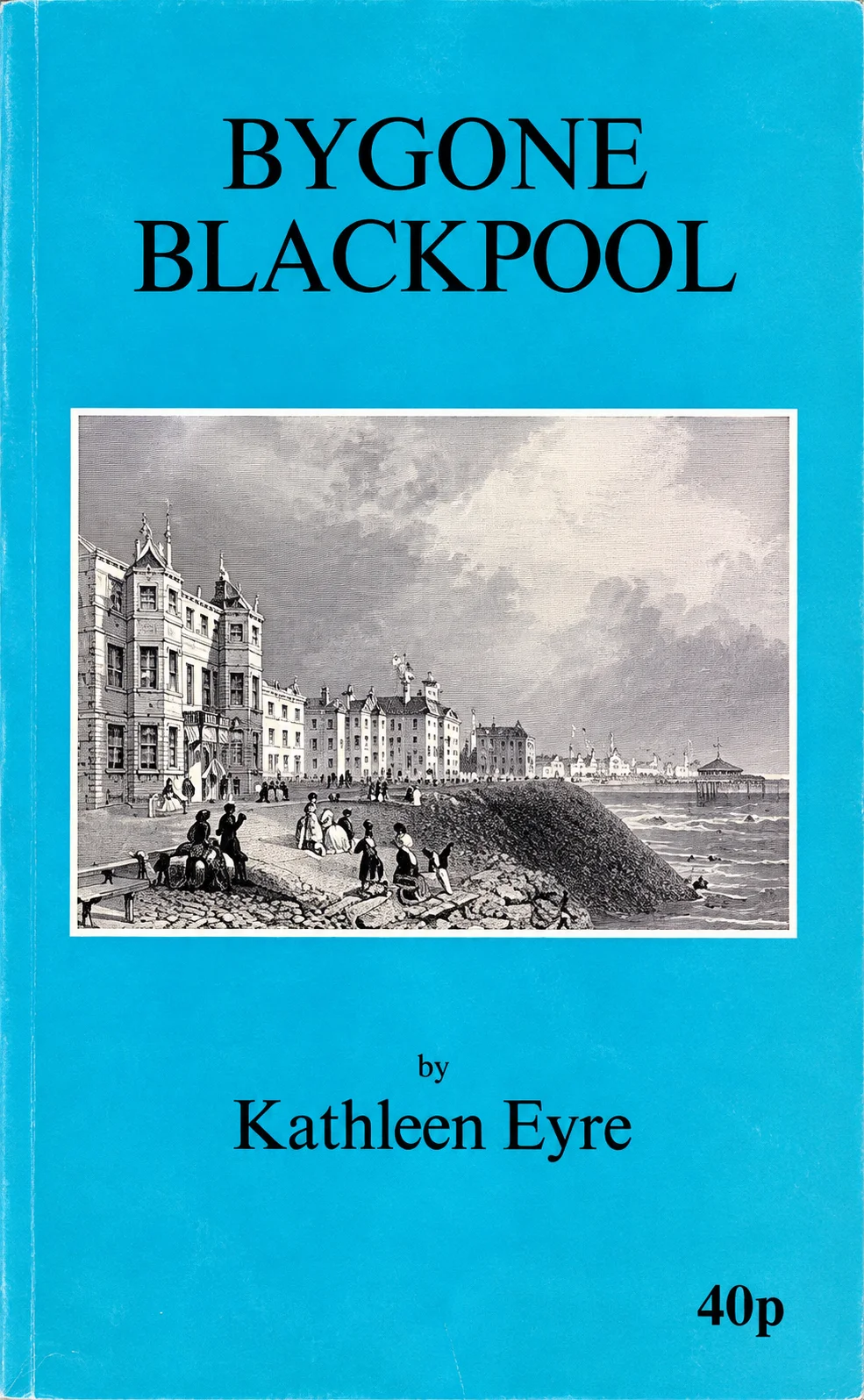
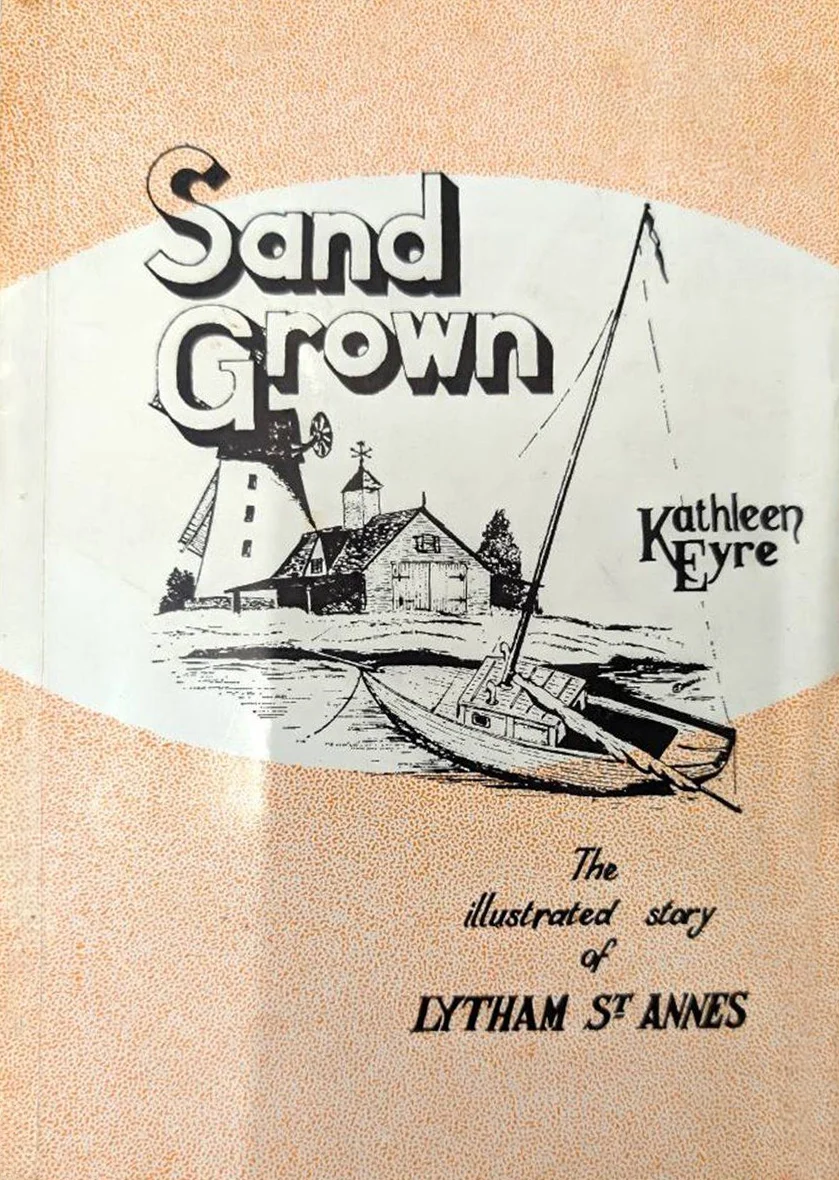
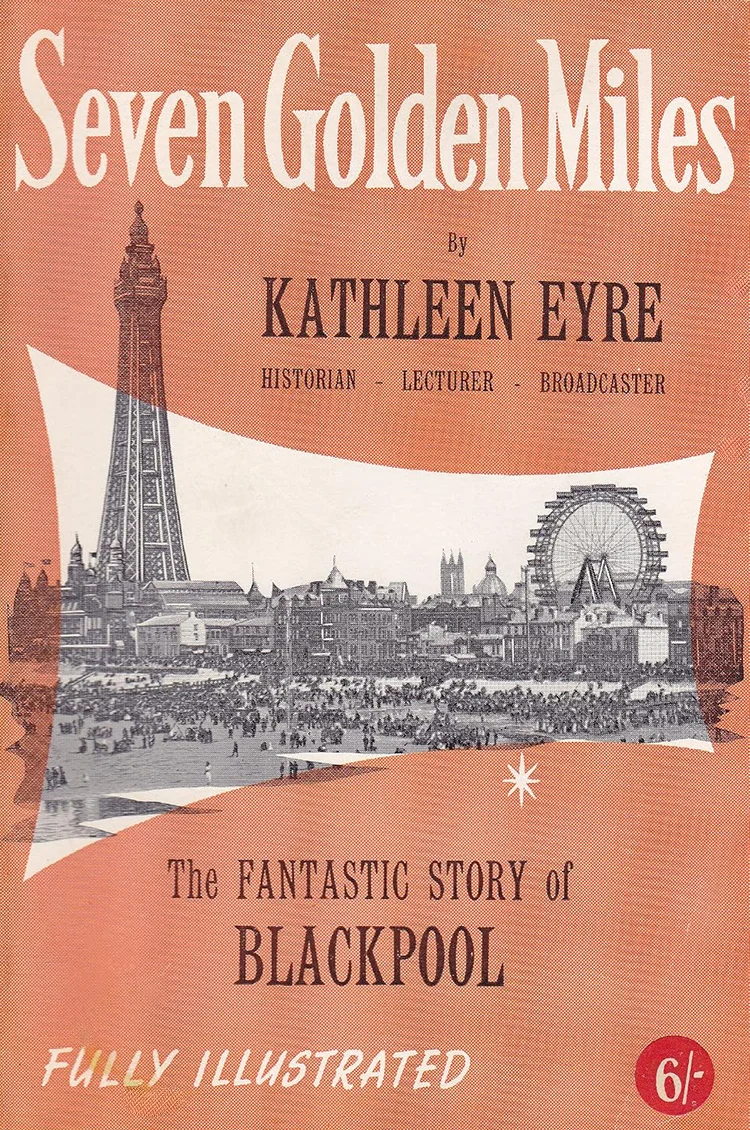
Her first major book, Sand Grown – The Lytham St Annes Story, appeared in 1960. A year later came the work that established her particular connection with Blackpool, Seven Golden Miles – The Fantastic Story of Blackpool. First published in 1961, it traced the extraordinary development of Blackpool from a small coastal settlement into Britain’s great popular seaside resort. The book proved enduring, receiving a new Dalesman edition in 1975 and remaining in circulation after Eyre’s death. Blackpool continued to feature prominently in her writing. Bygone Blackpool followed in 1971, while Eyre also wrote about the area’s past for the local press. Material preserved by Lytham Heritage Group includes her Blackpool Evening Gazette article Marton’s Pretty Past, written for the newspaper’s Fylde in Flashback series.
Click the image above to buy the book on Amazon
Click on the image above to buy from Biblio
Click on the image above to buy the book on Amazon
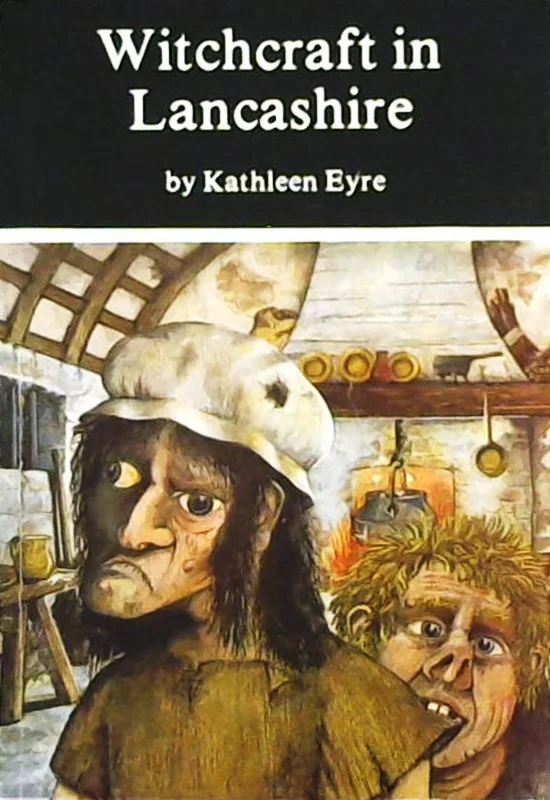
Click on the image above to buy from Biblio
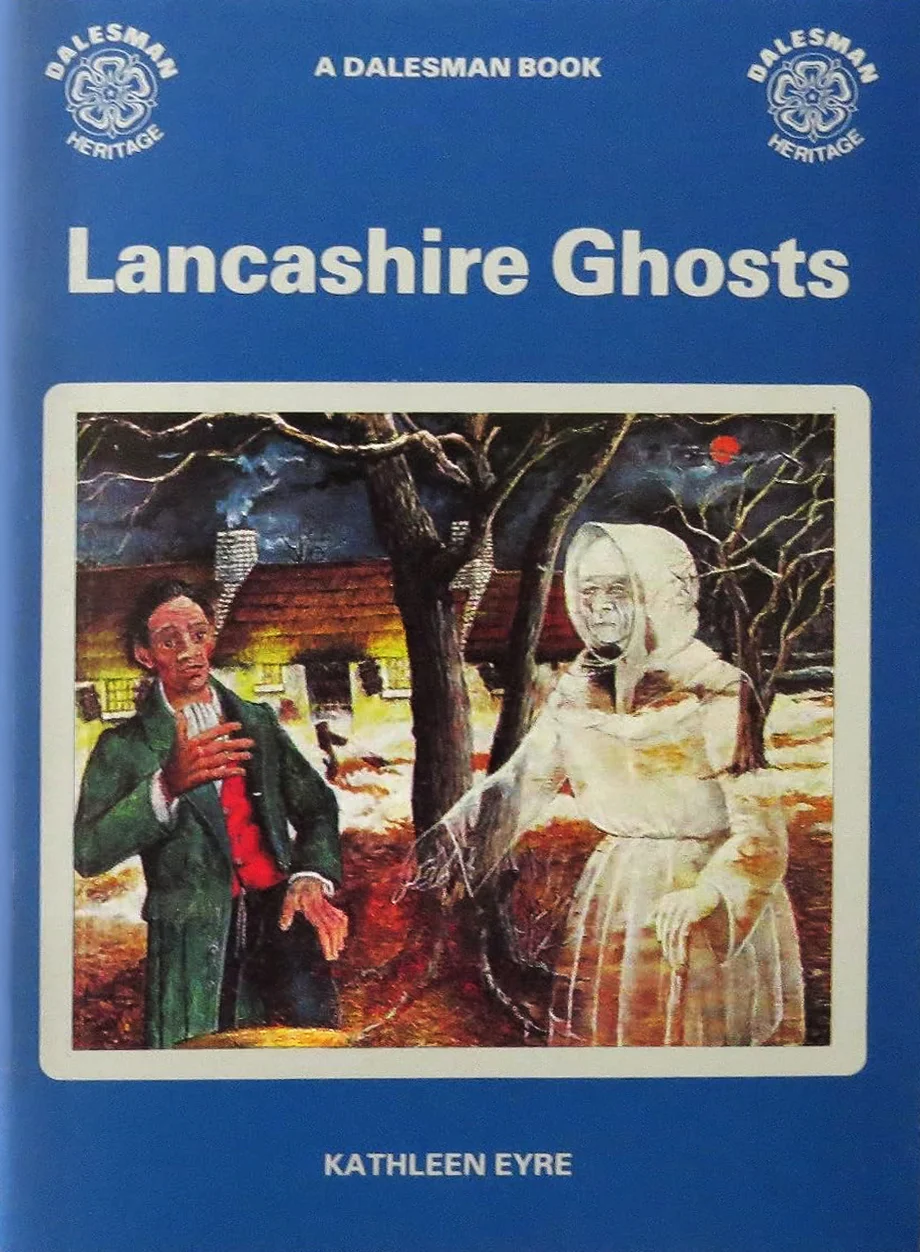
Click on the image above to buy the book on Amazon
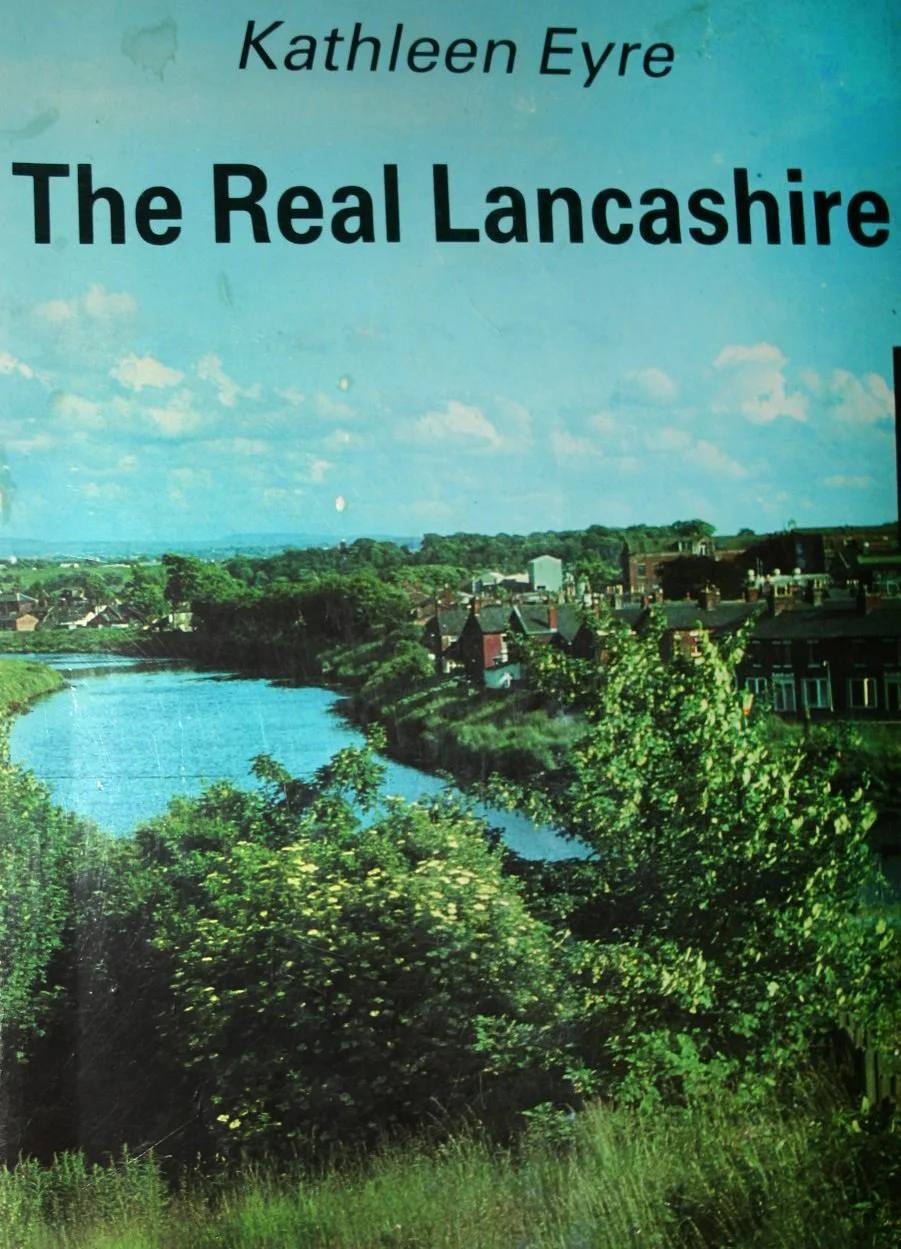
Click the image above to buy the book on Amazon
Click the image above to buy the book on Amazon
Click the image above to buy the book on Amazon
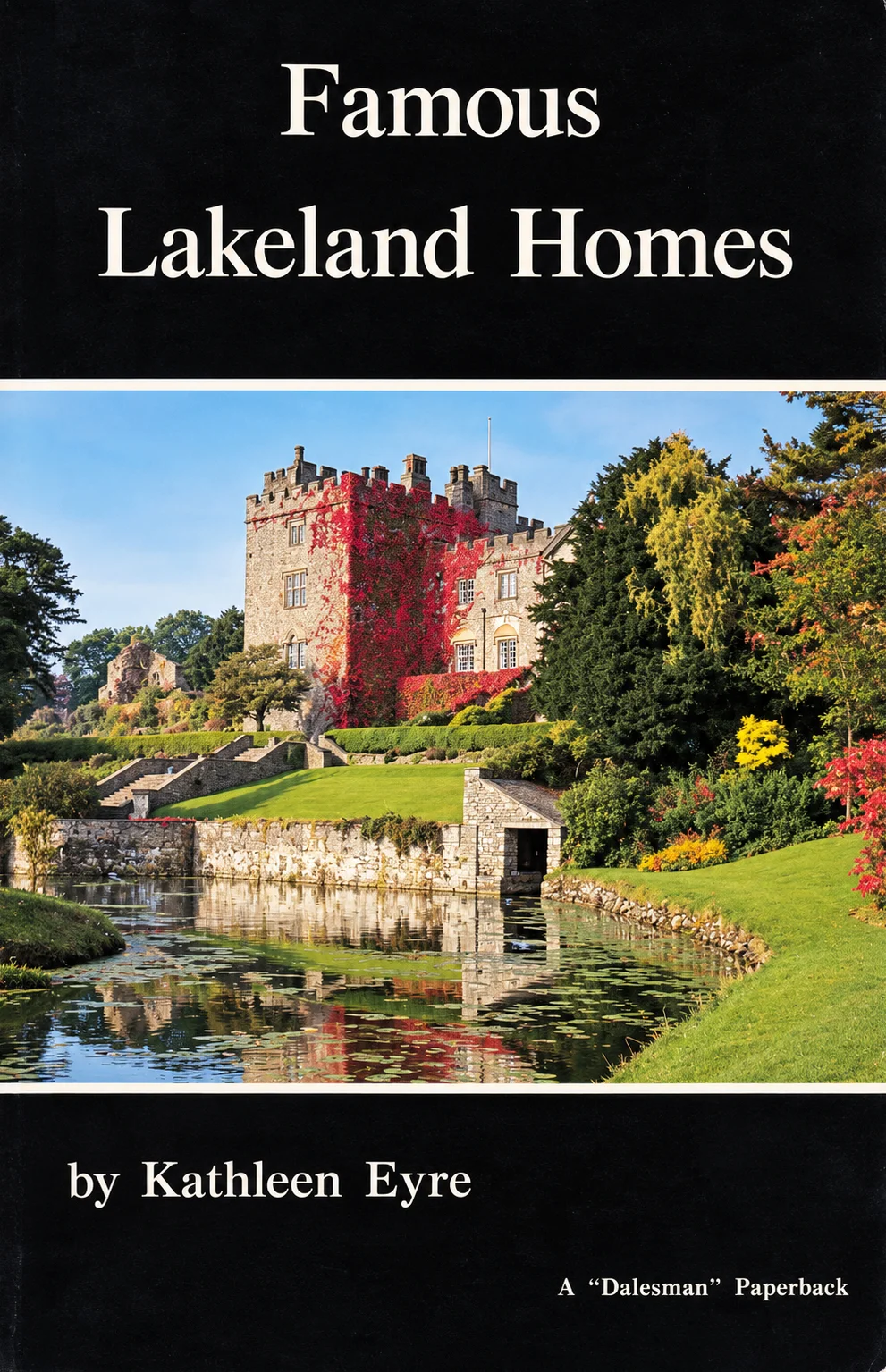
Eyre’s interests extended far beyond Blackpool itself. Her books included Fylde Folk, Moss or Sand, Lancashire Legends, Famous Lancashire Homes, Witchcraft in Lancashire, Lancashire Ghosts, Famous Lakeland Homes and Lancashire Landmarks. She was also a lecturer and broadcaster. A surviving letter written from her St Annes home, which she called Kate’s Pad, in Lime Grove on 29 October 1973 gives an indication of the breadth of her work at the time. Alongside researching and preparing books, she was involved with broadcasting and adult education, taking the history of Lancashire beyond the pages of her publications and introducing it to audiences through talks, classes and radio.
Eyre also helped preserve historical material herself. Artist Patience Arnold, who lived for many years in Lytham St Annes, had produced sketchbooks during the 1940s containing drawings of theatrical costumes and performers seen in Blackpool’s theatres, including the Grand Theatre. Twelve of those sketchbooks are now held by Lancashire Archives, and records of Arnold’s work specifically state that they were donated by Kathleen Eyre. It provides an important example of Eyre acting not simply as an author using historical sources, but as someone actively helping to ensure that evidence of Blackpool’s cultural past survived for future generations.
Her work eventually reached television as well. On 23 October 1981, Eyre appeared on the BBC programme No Place Like Home, talking about Lytham St Annes and its history. By then she had spent more than 30 years researching and communicating the history of the Fylde Coast, moving between books, newspapers, lectures, radio and television.
Her later publications included The Real Lancashire in 1983 and Scenes from Fylde Coast and Country in 1985. The latter drew together memories and photographs relating to places including Warton, Bryning, Ballam, Westby, Lytham St Annes, Marton Moss and Little Marton. Kathleen Eyre died in 1985, leaving behind a substantial body of work covering Blackpool, the Fylde Coast and Lancashire. Several of her books continued to appear after her death, ensuring that the stories she had spent decades collecting remained available to later generations.
Perhaps Eyre’s greatest contribution was that she was recording the Fylde’s history at precisely the time when much of the world she described was disappearing. Buildings were being demolished, communities were changing and memories of an earlier Blackpool were beginning to fade. Eyre was able to speak to people who had experienced that earlier Fylde first-hand and combine their memories with documentary research. She also recognised the importance of photographs, personal recollections, newspaper stories and other seemingly everyday material which could easily have disappeared.
More than six decades after the first publication of Seven Golden Miles, her research continues to be encountered by people studying Blackpool’s history. Her books have been used as sources in later historical and conservation research, while material she collected or preserved remains within local archives. For around 35 years Kathleen Eyre dedicated herself to recording the places and people around her. In doing so, she helped preserve a Blackpool and Fylde Coast that was already beginning to disappear during her own lifetime.
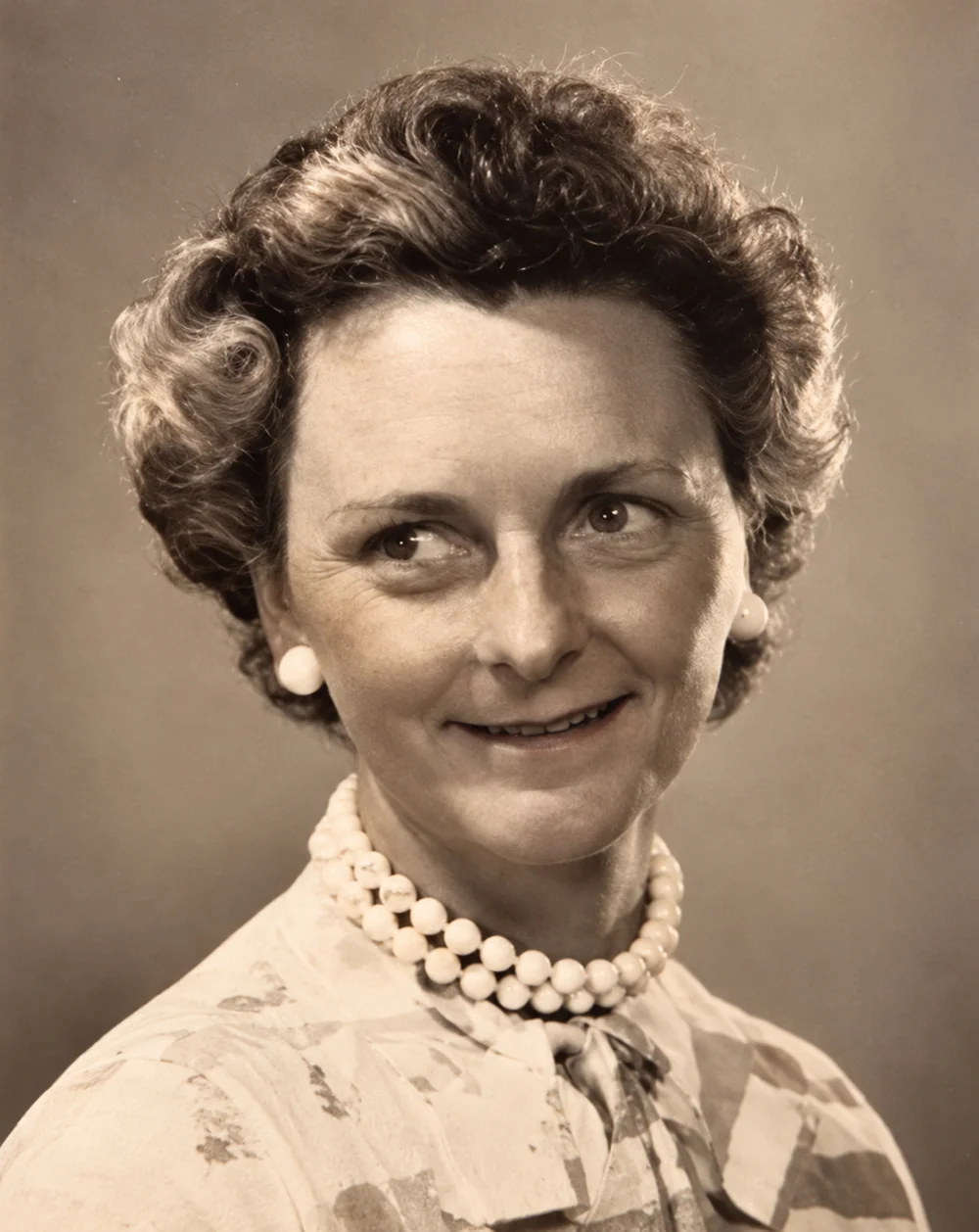
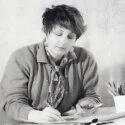
Kathleen Eyre


