



























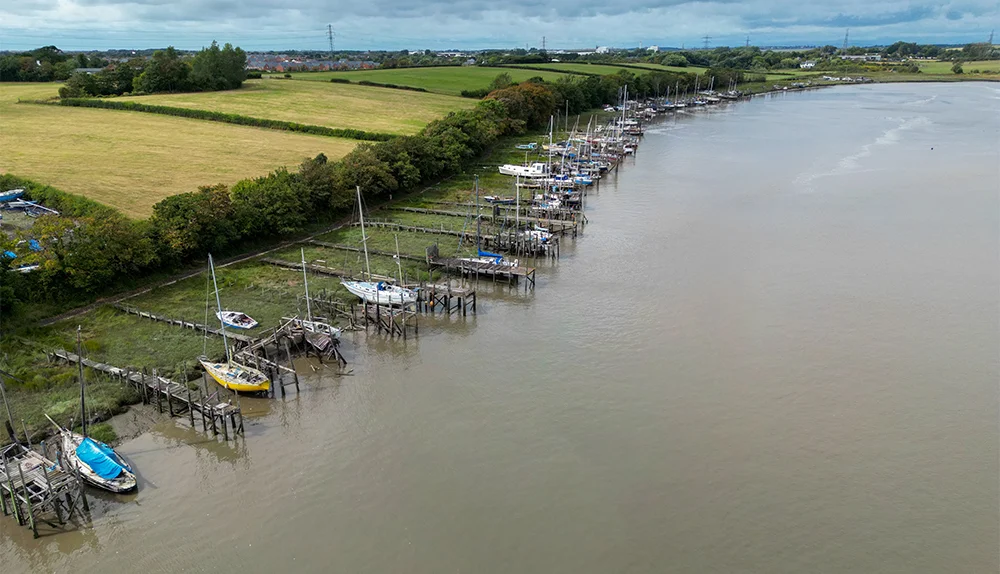
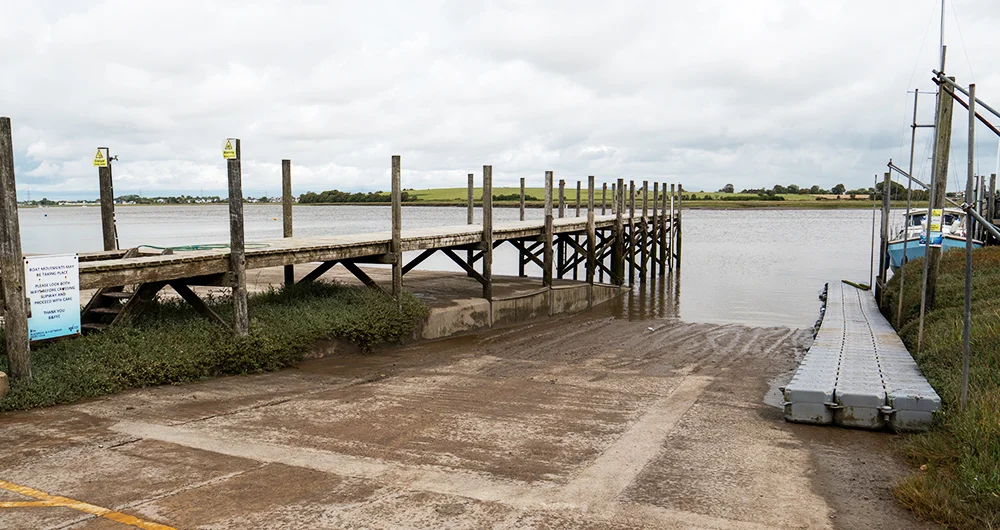
 Skippool has been associated with boats and the River Wyre for centuries. Once an important small port serving the Fylde and a place connected with local shipbuilding and coastal trade, the creek remains very much part of the area’s maritime landscape today. Rather than being simply a relic of a vanished industry, Skippool continues to be filled with boats, with Blackpool and Fleetwood Yacht Club maintaining a thriving sailing community beside the river.
 The origins of Skippool stretch back long before the development of Fleetwood. Its sheltered position on the western bank of the Wyre made it a useful landing place at a time when roads across the Fylde were often difficult and water offered one of the most practical means of transporting heavy goods. The creek developed into a trading point through which commodities including timber, flax and other materials were brought into the district. Its maritime importance was reflected in its name. Skippool is generally believed to combine the Old Norse word *skip*, meaning ship, with *pool* or *pol*, referring to a creek or slow-moving stretch of water. Variations of the name appeared over the centuries, but its association with vessels and the river remained remarkably appropriate.
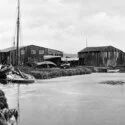
Shipbuilding also became part of the story of the Wyre. One vessel recorded as having been built at Skippool was the *Lancaster Rose* in 1827. Across the river and elsewhere along the Wyre, yards constructed sailing vessels for the expanding coastal trade. Among them was the *Hope*, recorded as a barque built at nearby Wardleys in 1836. These vessels belonged to an era when relatively small yards around tidal creeks could build substantial wooden sailing ships using skills that had developed alongside local fishing and trading activity.
 The importance of the upper Wyre as a commercial centre began to diminish following the creation of Fleetwood. Sir Peter Hesketh-Fleetwood’s new town was developed during the 1830s and was transformed by the arrival of the railway in 1840. Fleetwood’s purpose-built harbour, improved communications and direct rail connection offered advantages that the older creeks could not match. Commercial activity increasingly concentrated closer to the mouth of the Wyre, and places such as Skippool gradually lost the trading role they had once enjoyed.
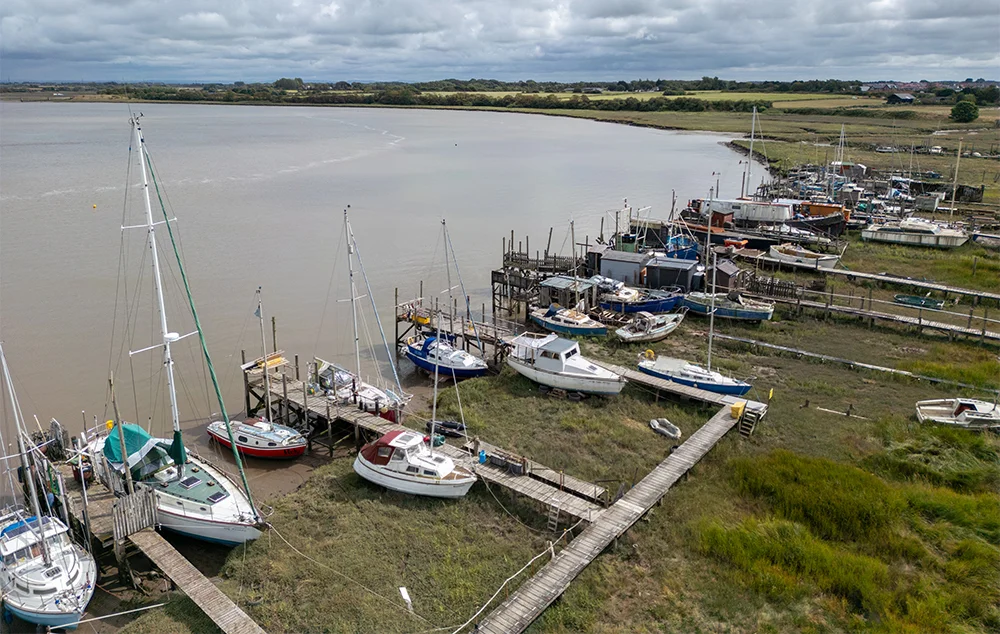
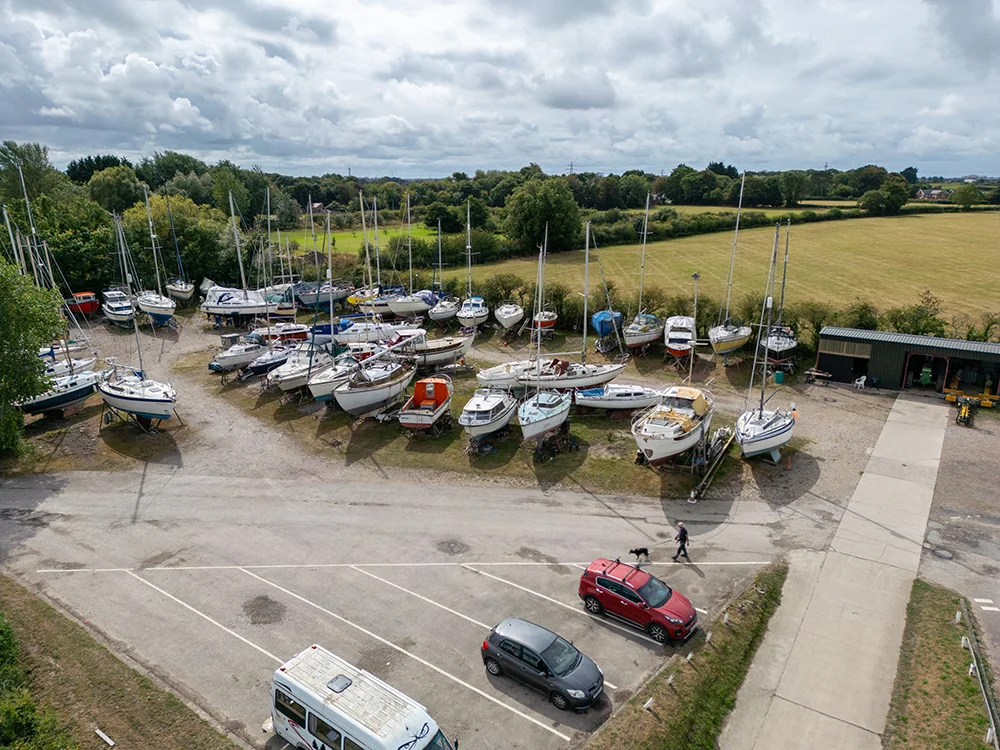
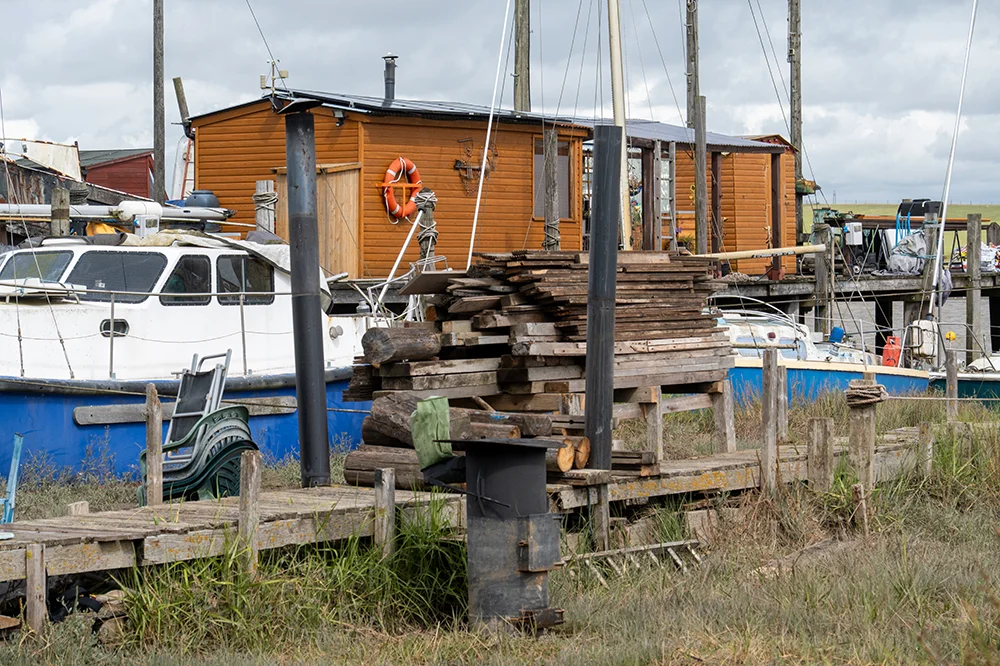 Yet Skippool’s connection with boats never disappeared. Today the creek presents a mixture of old and new. Weathered craft and the remains of vessels sit beside maintained yachts and sailing boats, while masts rising above the riverbank provide an immediate reminder that this remains a working boating environment. At the centre of much of this activity is Blackpool and Fleetwood Yacht Club.
The club traces its origins to 1906, when it was founded as Blackpool Sailing Club. In 1909 it became Blackpool and Fleetwood Yacht Club, reflecting its connections with both coastal towns. By 1911 it already had 102 members and a fleet of around 30 yachts, together with a 155-ton schooner. Its programme included cruising, fishing excursions, racing and an annual regatta.
 After interruptions during both world wars, sailing resumed and the club increasingly encouraged dinghy sailing alongside its offshore activities. An important development came in 1950 when efforts were made to attract younger sailors. Local schools in Blackpool, Kirkham and Fleetwood were offered kits from which Yachting World Cadet dinghies could be built, helping establish a dinghy fleet that became a lasting part of the club.
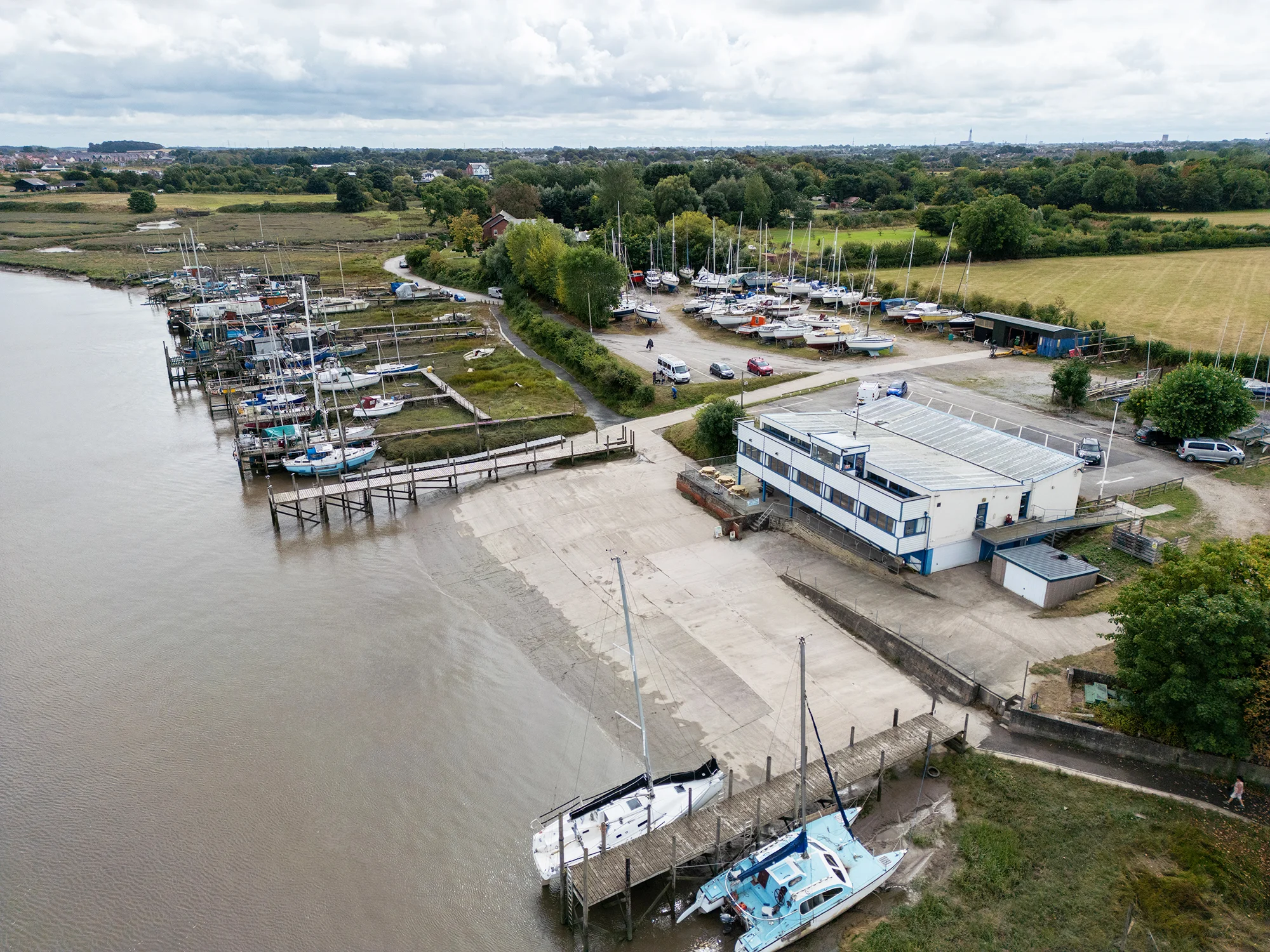
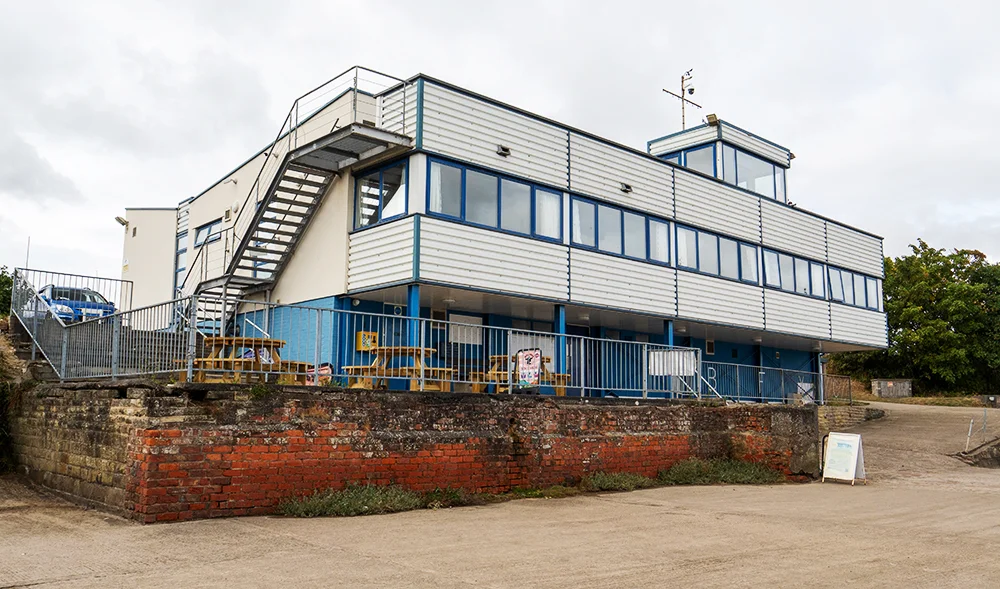 The present clubhouse was built in 1962 on the site of an earlier wooden building. The club has subsequently developed into a substantial sailing centre, with facilities for dinghies, keelboats and offshore yachts. Sailing, racing, training and cruising continue from Skippool, while members are able to reach the wider Wyre estuary and, for suitable vessels, Morecambe Bay and the open sea.
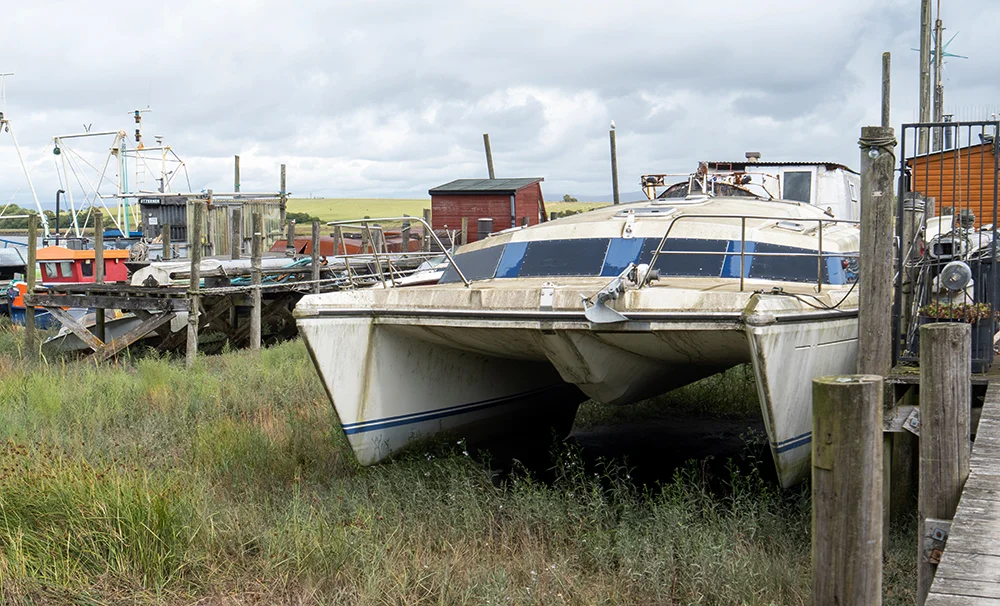
The large number of modern sailing boats around the site gives Skippool a very different character from the description sometimes applied to it as a ‘boat graveyard’. There are certainly old and abandoned vessels along parts of the creek, and these have become one of its most photographed features, but they represent only one aspect of the site. Alongside them is an active boating community in which boats are stored, maintained, launched and sailed.
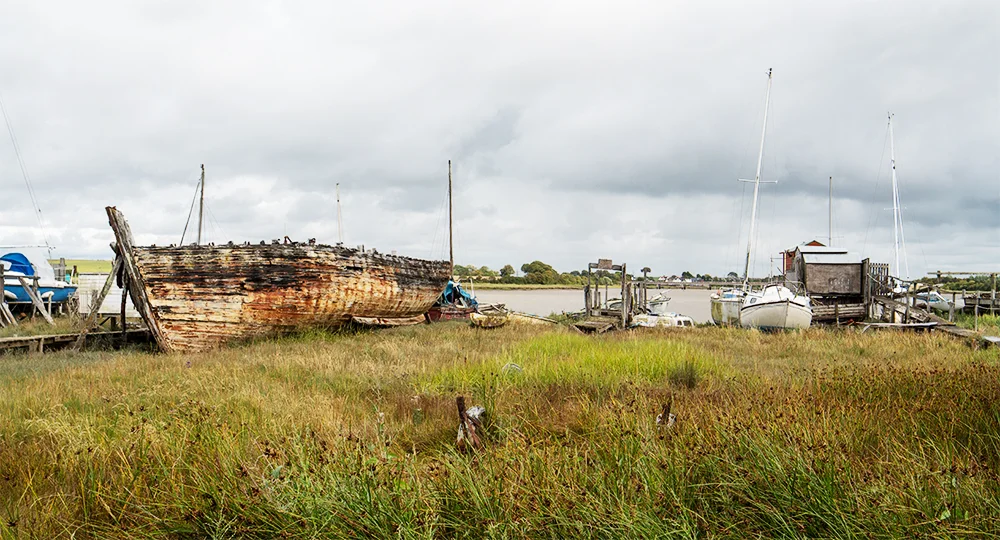 Among the older vessels is the distinctive *MV Good Hope*. The fishing vessel was launched in 1948 by D. Alexander at Wick in Scotland and originally operated as *Good Hope* WK209. By 1975 it was fishing from Fleetwood and was later owned by Fleetwood fishermen before being decommissioned during the 1980s. It was eventually brought ashore at Skippool Creek, where its deteriorating hull became a familiar local landmark. Although the *Good Hope* provides a striking visual link with the fishing heritage of the wider Wyre coast, it should not be confused with the *Hope* associated with the area’s much earlier age of wooden sailing vessels. The two craft belong to very different periods of maritime history. That contrast is part of what makes Skippool unusual. Within a relatively small area it is possible to see reminders of several chapters in the history of the Wyre: an ancient creek that once handled commercial traffic, the remains of older working vessels, and rows of modern yachts belonging to people who continue to use the river for sailing and recreation.
Blackpool and Fleetwood Yacht Club itself remains an active part of that story. Racing takes place on the Wyre, while cruising and offshore sailing extend the club’s activities beyond Skippool. Training and opportunities for newer sailors also help ensure that knowledge of sailing on the river continues to be passed to another generation.
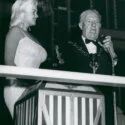
 In 2006, the club marked its centenary with a visit from HRH The Princess Royal in her capacity as President of the Royal Yachting Association, recognising a sailing organisation whose history had by then stretched across a century.
Skippool therefore represents much more than the remains of a lost port. Its commercial importance and shipbuilding activity belong to an earlier period, but its relationship with the water has endured. Where trading vessels and locally built wooden ships once occupied the Wyre, modern yachts and dinghies now gather around the creekhe boats may have changed dramatically, and the purpose for which they use the river has changed with them, but more than a century after the founding of Blackpool and Fleetwood Yacht Club – and centuries after vessels first made use of the sheltered creek – Skippool remains a busy and distinctive part of the Fylde’s maritime life.
Images by © Deeper Blue Marketing & Design Ltd


