










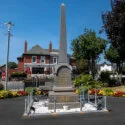




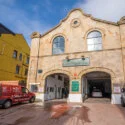




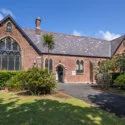



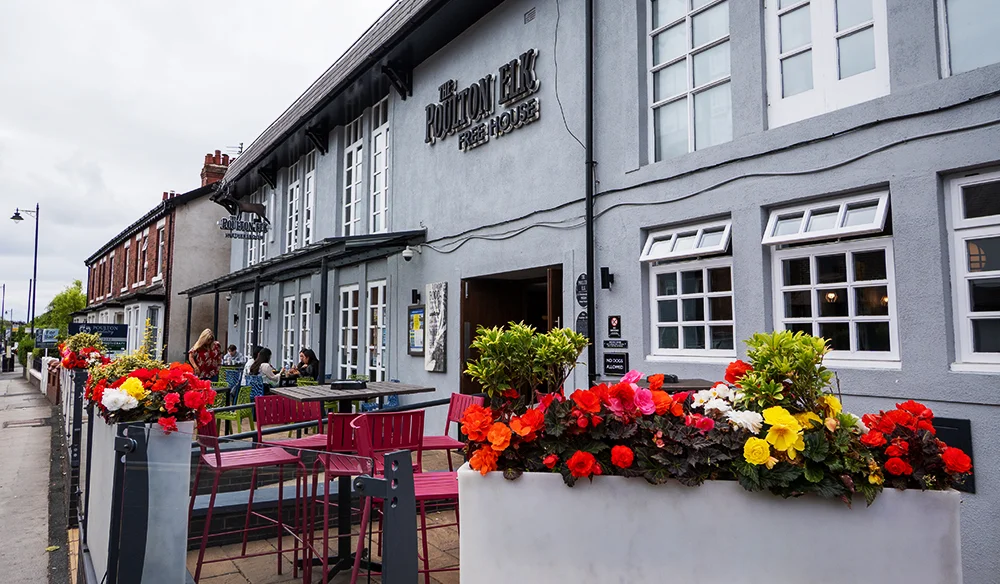
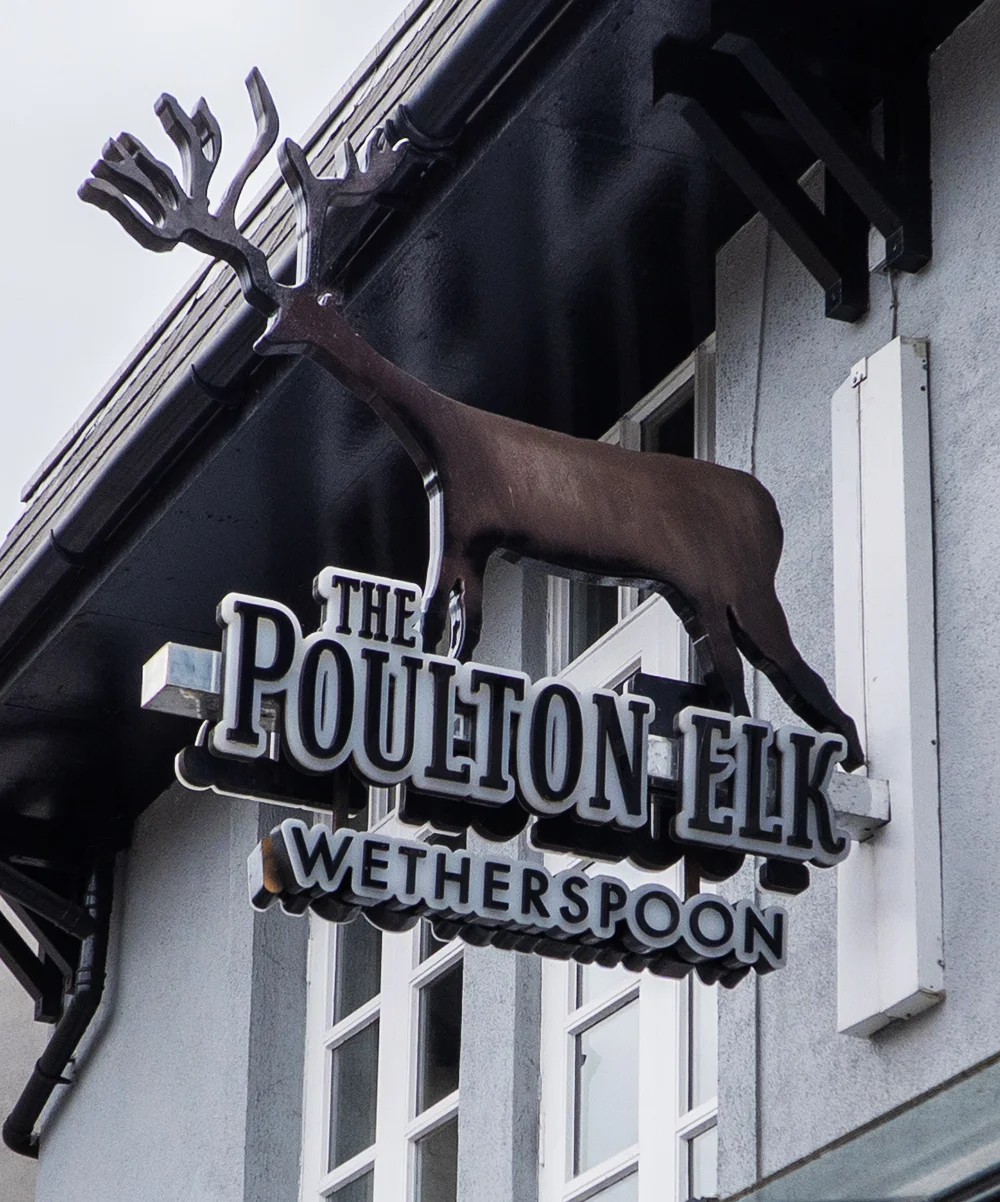
 Opened on 17 December 2013, The Poulton Elk became the first J D. Wetherspoon public house in Poulton-le-Fylde. Situated on Market Place, the pub takes its name from one of Lancashire’s most remarkable archaeological discoveries – the Carleton Elk, whose remains were uncovered just outside the town in 1970. Rather than reviving the name of an earlier inn, the pub celebrates an event that helped reshape understanding of Britain’s prehistoric past. The site itself has a history extending back almost two centuries. During the nineteenth century it was occupied by the Wheatsheaf Inn, a well-known public house operated by local malster Richard Parkinson. Following the deaths of Parkinson, his wife and eldest son during the 1850s, the inn ceased trading and the property became a private residence known as Lindum House. Surrounded by gardens, orchards and stables, it remained a notable feature of Poulton for many years.
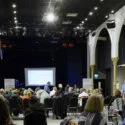
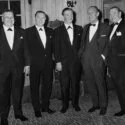
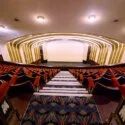
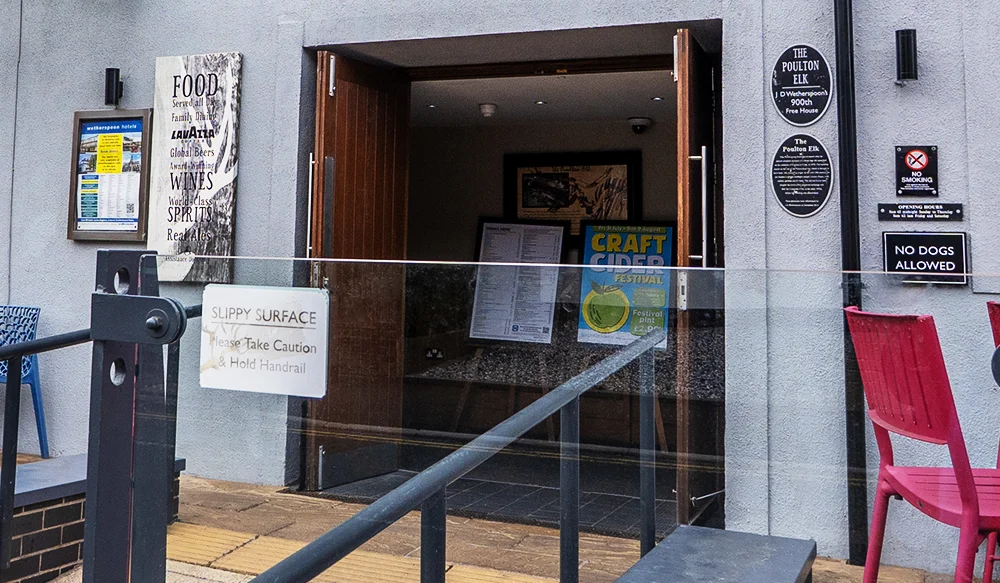 As the town expanded during the twentieth century, the building found a succession of new uses. It became Poulton’s first telephone exchange, before serving as the Comrades Club, Poulton Social Club and later the Polish Club, reflecting the changing social life of the community. Around 1970, the premises were redeveloped and entered a new phase as one of Poulton’s best-known entertainment venues. During the 1990s and early 2000s, the building traded as Lawdy Miss Clawdy, becoming one of the Fylde Coast’s most popular live music venues. Hosting tribute acts, touring performers and local bands, it attracted audiences from across the region and became a familiar destination for an evening out. It later operated as The Edge, continuing to play an important role in Poulton’s nightlife until closing in 2011.
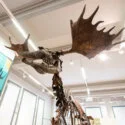
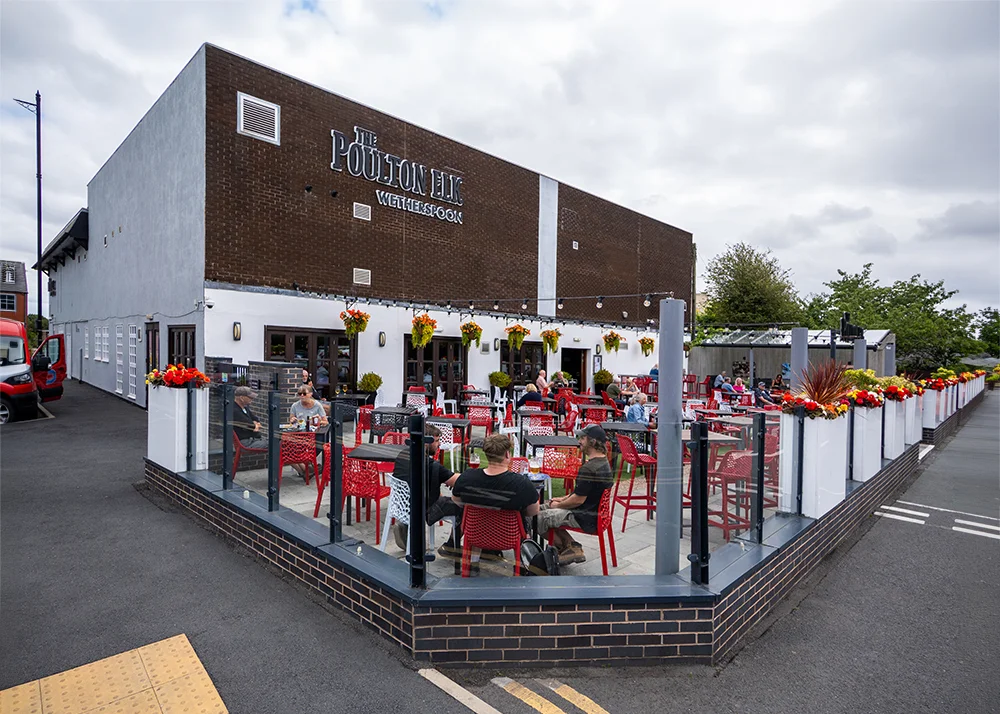 Following its acquisition by J D. Wetherspoon, local residents were invited to suggest names for the new pub. While some favoured a revival of the historic Wheatsheaf Inn, the company instead chose The Poulton Elk, recognising the internationally significant archaeological discovery made only a short distance away. In 1970, workmen excavating a site on Blackpool Old Road uncovered the skeleton of a giant elk dating back approximately 13,500 years. Flint barbs embedded in its bones provided some of the earliest evidence of human hunting activity in post-Ice Age Britain, making it one of the country’s most important Mesolithic discoveries. The prehistoric theme continues throughout the interior of the pub, where displays tell the story of the Carleton Elk and the landscape that once covered the Fylde after the last Ice Age. These exhibits provide visitors with an insight into a chapter of local history that predates the town itself by thousands of years, giving The Poulton Elk an identity unlike any other public house in the area.
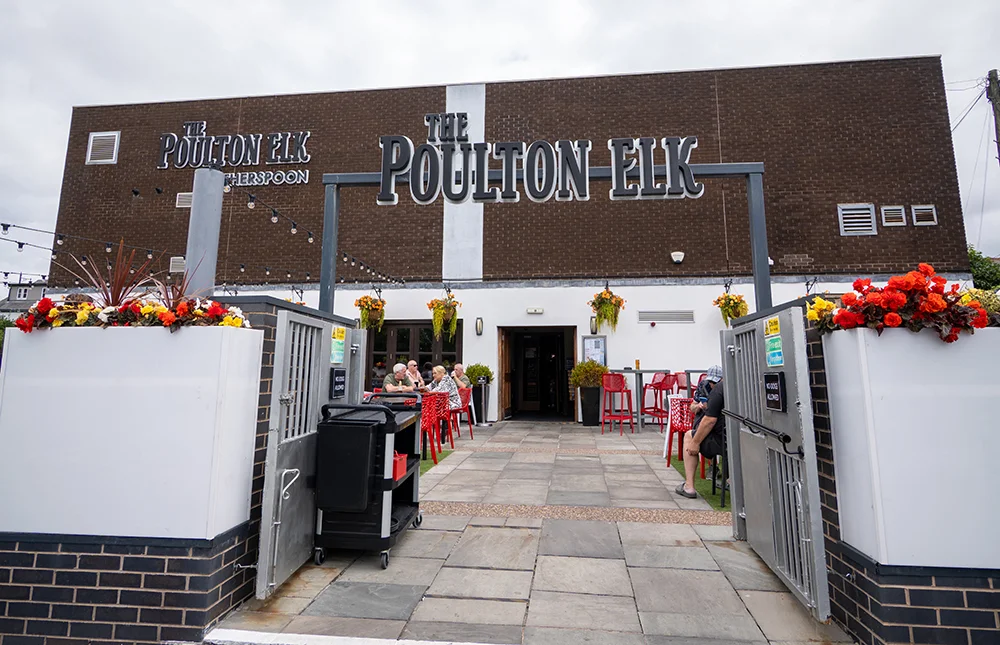 Today, The Poulton Elk continues a tradition of hospitality that has existed on the site for generations. From the Wheatsheaf Inn and Lindum House to social clubs, live music venues and a modern public house, the building has continually adapted to the changing needs of Poulton-le-Fylde. Its name ensures that one of Lancashire’s greatest archaeological discoveries remains at the forefront of the town’s history, linking the community’s present with a remarkable past that stretches back more than 13 millennia.
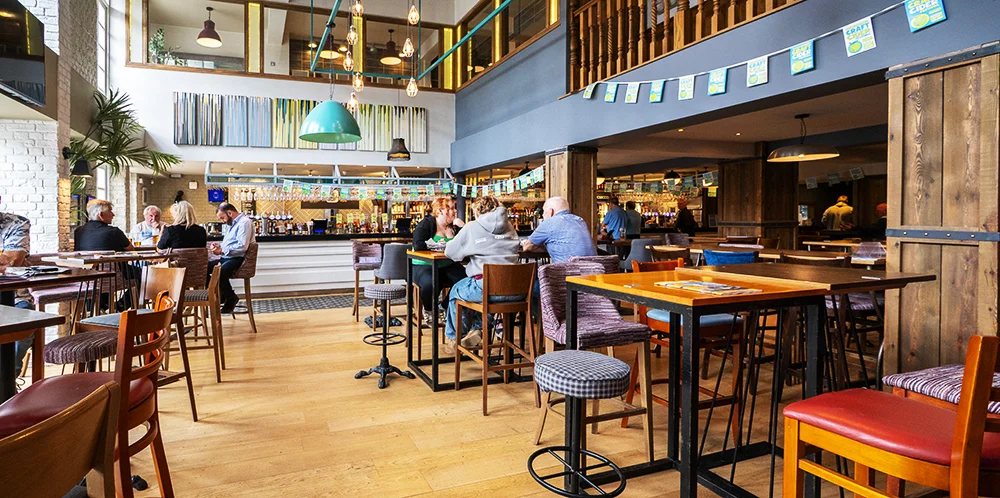
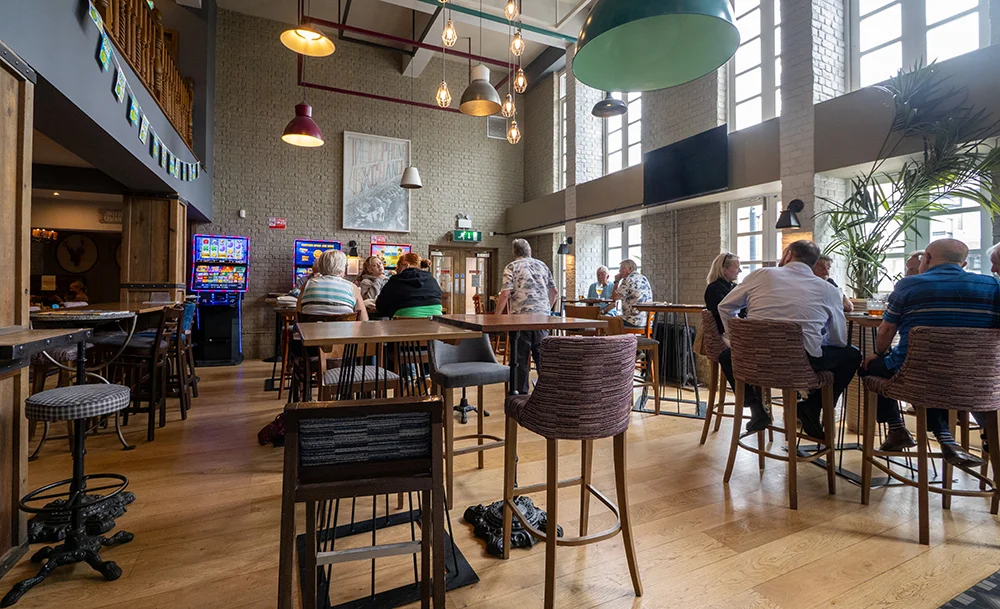
Images by © Deeper Blue Marketing & Design Ltd


