











































One of the most important archaeological discoveries ever made on the Fylde Coast emerged unexpectedly in the summer of 1970, when construction work near Blackpool uncovered the remains of an animal that had lain hidden beneath the ground for more than 13,500 years. The find, which became known as the Carleton Elk or Highfurlong Elk, not only revealed a remarkably preserved Ice Age animal but also provided the earliest direct evidence of human activity ever discovered on the Fylde. The discovery transformed historians’ understanding of prehistoric Lancashire and offered a rare glimpse into a world that existed shortly after the end of the last Ice Age.
The skeleton was uncovered during excavations for a house on Blackpool Old Road in Carleton, near Poulton-le-Fylde. What initially appeared to be a collection of large bones quickly attracted attention from archaeologists, who soon realised that the remains belonged to a giant elk dating back thousands of years. As excavation work continued, an almost complete skeleton emerged from the ancient peat deposits. The animal was identified as a giant elk, a species that roamed Britain during the late Ice Age. Standing over two metres tall at the shoulder and weighing hundreds of kilograms, it would have been one of the largest animals living on the Fylde at the time.
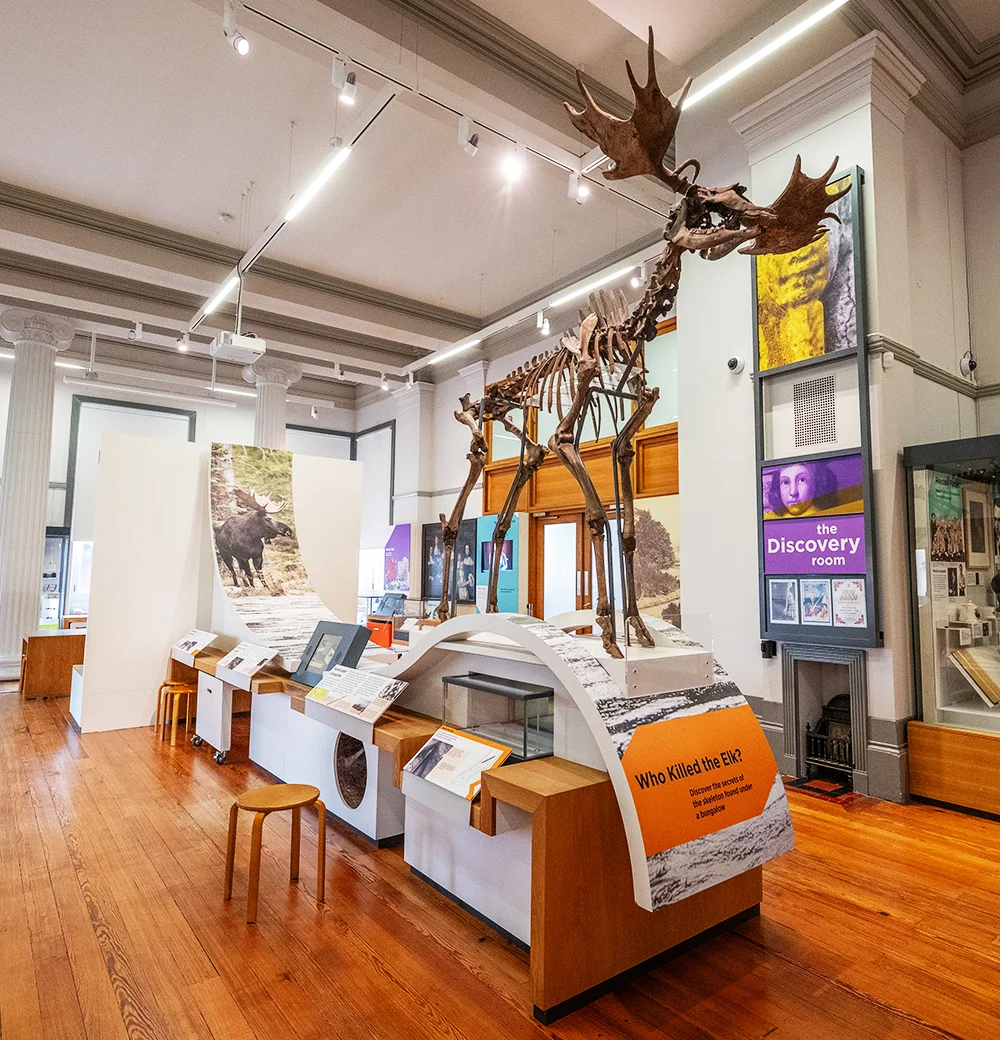 However, it was not simply the size or age of the animal that made the discovery extraordinary.
Archaeologists examining the bones found evidence that the elk had been hunted by humans. Embedded within the skeleton were barbed spear points made from bone, proving beyond doubt that people had been present on the Fylde around 13,500 years ago. The discovery pushed back the known history of human occupation in the area by thousands of years and provided the earliest direct evidence of prehistoric hunters living in Lancashire. At the time the elk was alive, the landscape of the Fylde looked dramatically different from today. There were no towns, roads or fields. Instead, the region consisted of open grasslands, marshes, shallow lakes and patches of birch and willow woodland. Britain was still connected to mainland Europe by a vast landmass known as Doggerland, allowing both animals and people to move freely across what is now the North Sea.
The hunters who pursued the elk would have been part of small groups of nomadic hunter-gatherers moving across this ancient landscape. They survived by hunting animals such as elk, reindeer and wild horses while gathering plants, berries and other natural resources. The spear points found within the skeleton suggest the animal was wounded during a hunt, although archaeologists believe it may have survived for some time before eventually becoming trapped in a bog or pool where it died. The waterlogged conditions proved crucial to the preservation of the remains. Layers of peat and mud protected the skeleton from decay, allowing it to survive for more than thirteen millennia until its accidental rediscovery in the twentieth century.
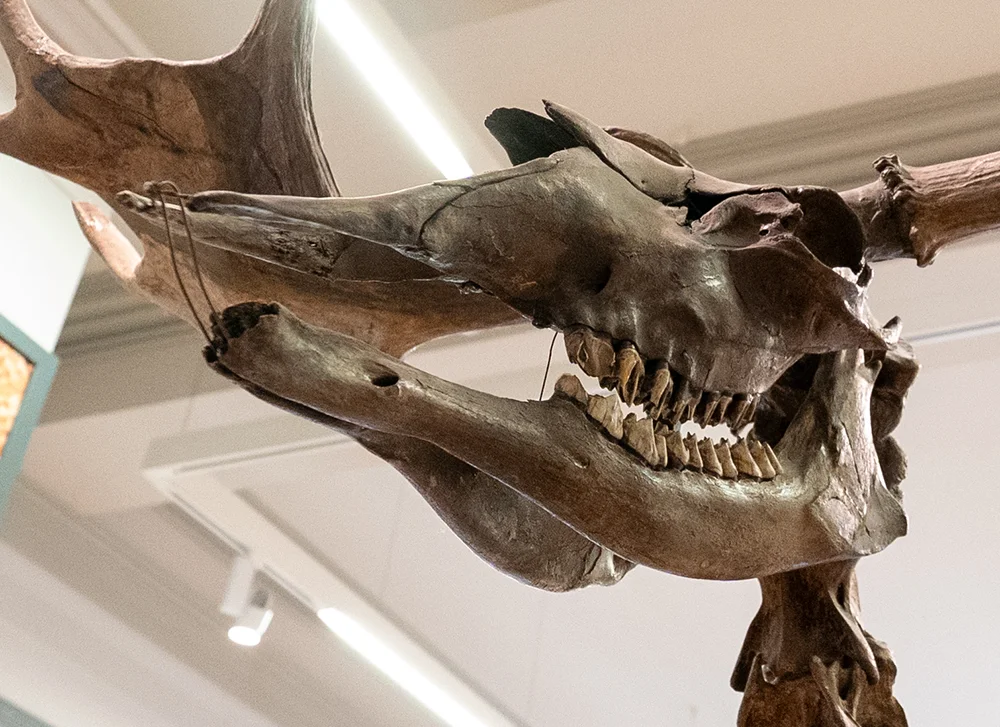 The discovery quickly captured public imagination and became one of Lancashire’s most celebrated archaeological finds. The elk was affectionately nicknamed “Horace” by local residents, a name that remains associated with the skeleton today. Following careful conservation work, the remains were assembled and placed on display, where they continue to fascinate visitors. The skeleton offers a rare opportunity to stand face to face with an animal that lived at a time when glaciers had only recently retreated from northern Britain and the first human communities were beginning to recolonise the landscape.
The significance of the Carleton Elk extends far beyond the skeleton itself. The find provided archaeologists with valuable evidence about climate, vegetation, wildlife and human activity during a crucial period of Britain’s prehistory. It demonstrated that the Fylde was inhabited far earlier than previously believed and helped establish Lancashire as an important region for understanding the lives of Britain’s earliest hunter-gatherers. More than fifty years after its discovery, the Carleton Elk remains one of the most important prehistoric finds ever made in North West England. It serves as a remarkable reminder that long before Blackpool, Poulton and the surrounding towns existed, the Fylde was home to roaming herds of giant animals and the prehistoric hunters who pursued them.
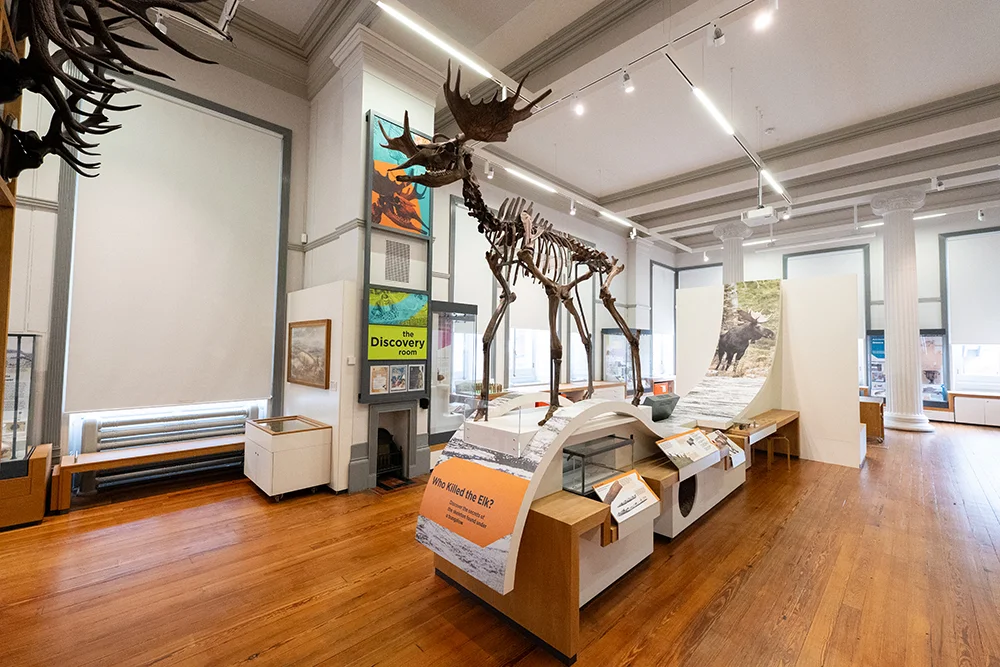 Today, the discovery continues to inspire historians, archaeologists and local residents alike. It is a tangible link to a world that existed over 13,000 years ago and a powerful reminder that the story of the Fylde began thousands of years before recorded history. The Carleton Elk did more than reveal the remains of a prehistoric animal—it uncovered the earliest chapter in the human story of the Fylde Coast.
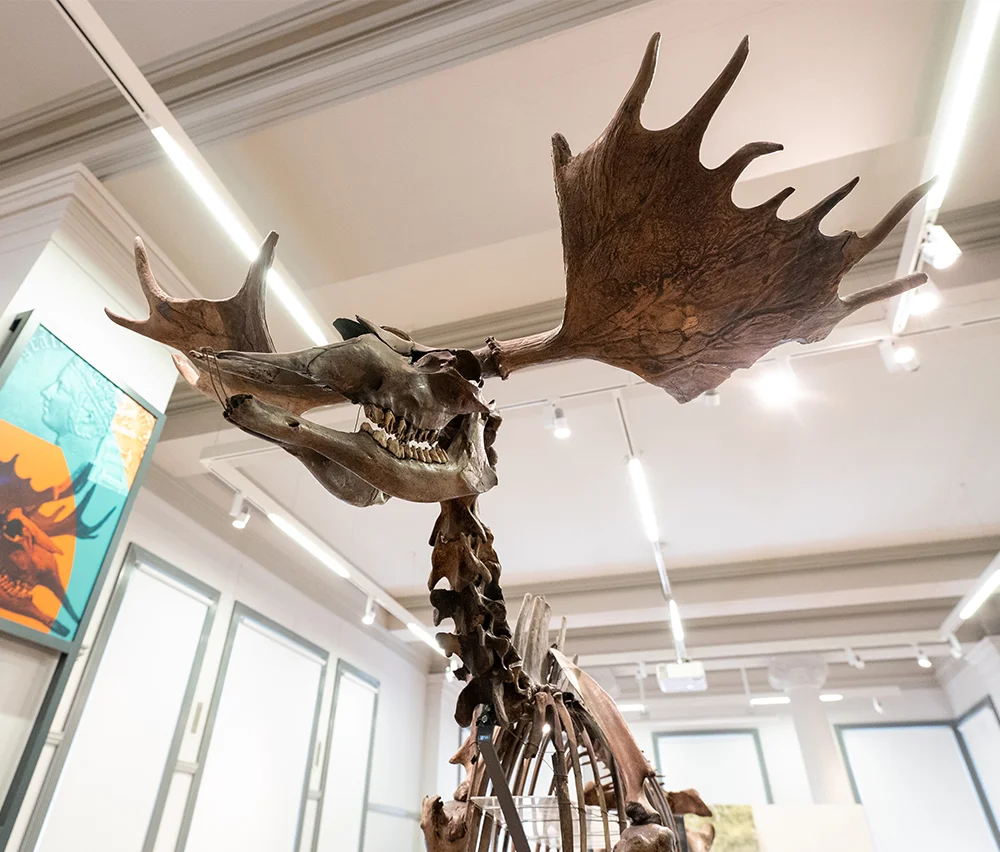
Images by © Deeper Blue Marketing & Design Ltd


