









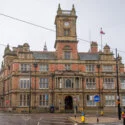







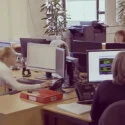
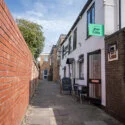

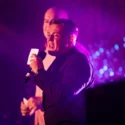

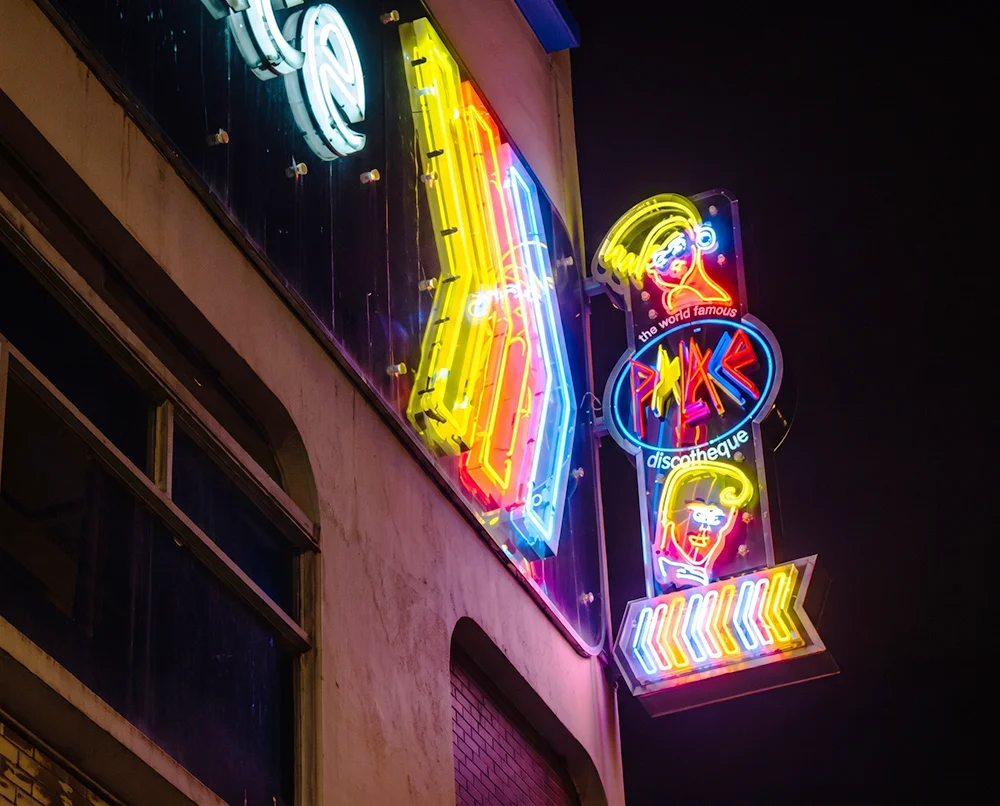
 When The Palace Nightclub opened in October 1986, it quickly established itself as one of the largest and most influential nightclubs in the North West. Housed within the Palatine Building on Blackpool’s Central Promenade, opposite the former Central Station site, the venue represented a new era in the resort’s nightlife, combining state-of-the-art sound and lighting with a scale rarely seen outside Britain’s major cities.
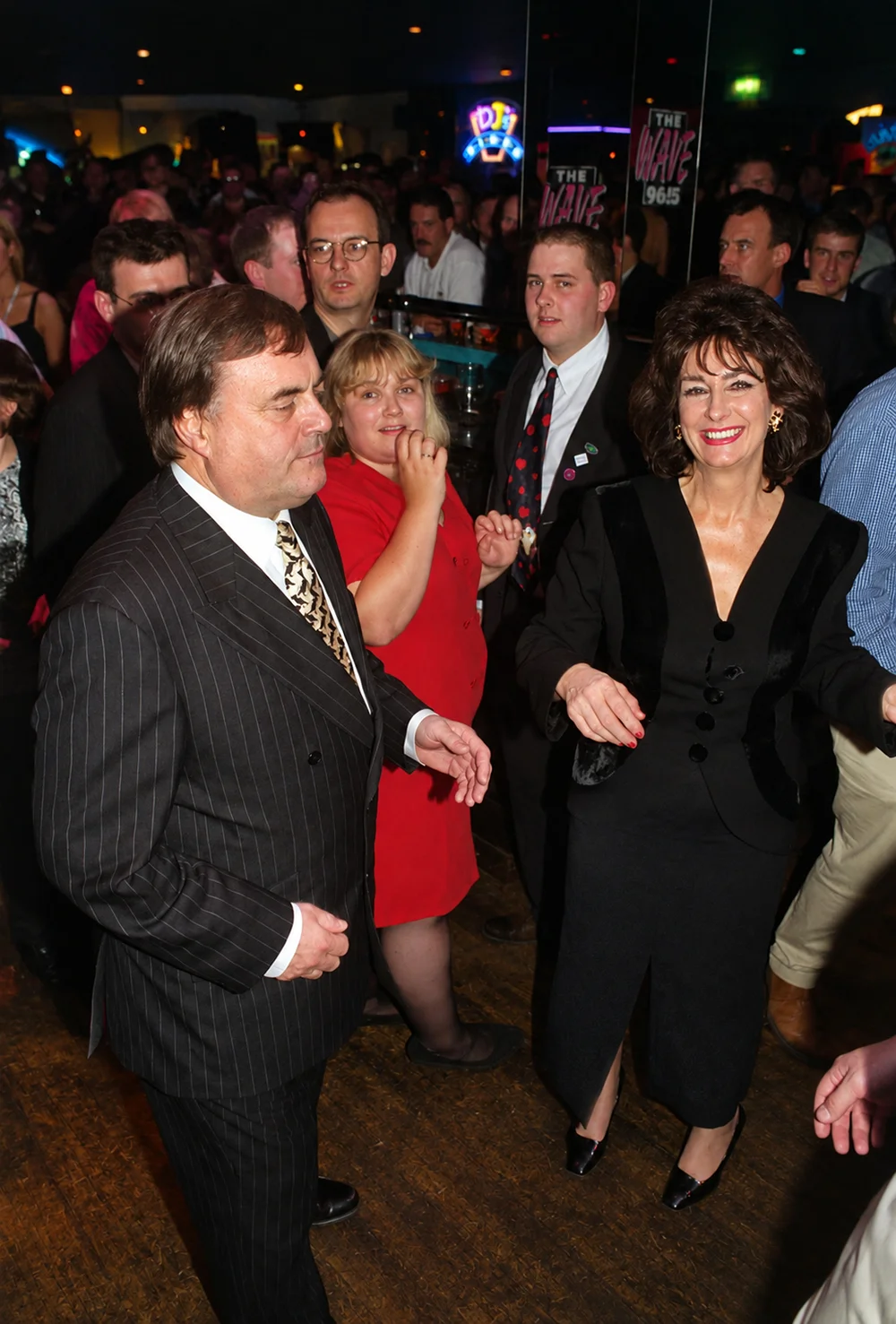
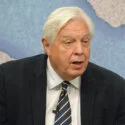
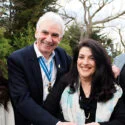
Deputy Prime Minister John Prescott and his wife Pauline dance at The Palace Nightclub in Blackpool on the eve of the Labour Party Conference. PA News Photo 27 September 1998. © Alamy
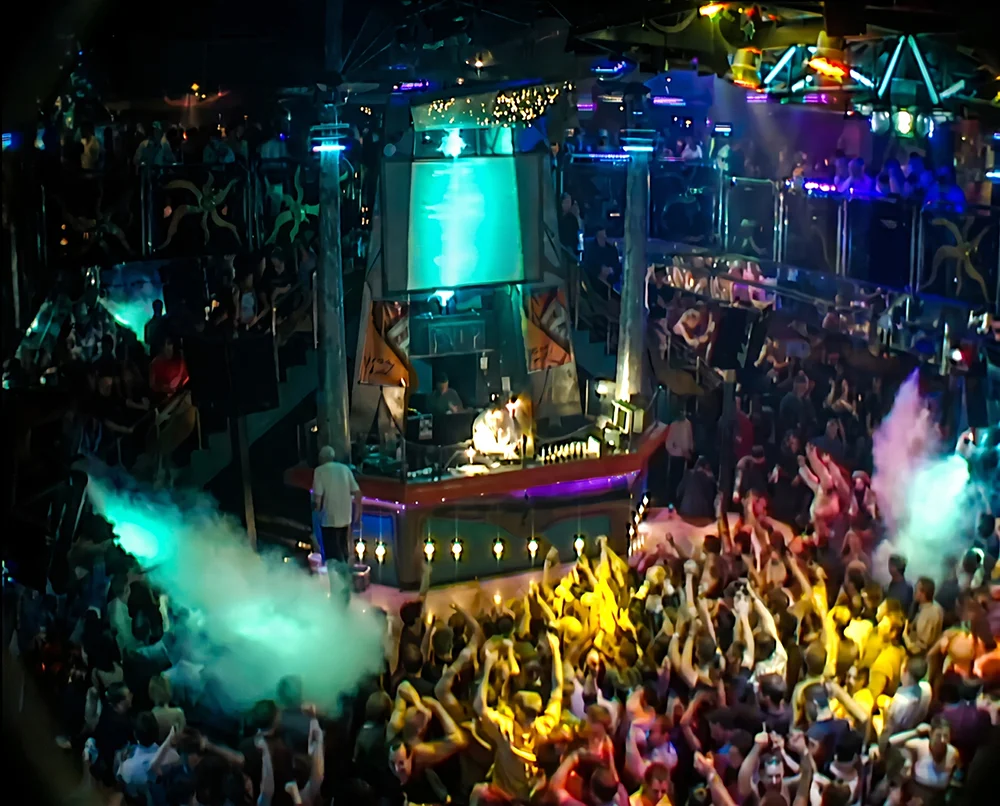 The nightclub was created following a £2.2 million investment that transformed part of the Palatine Building into a venue capable of accommodating around 3,000 people. Equipped with cutting-edge lighting rigs, powerful sound systems and multiple bars, The Palace attracted clubbers from across Lancashire, Greater Manchester, Yorkshire and beyond. During the late 1980s and early 1990s it became one of Blackpool’s premier nightlife destinations, helping to reinforce the town’s reputation as a centre for evening entertainment as well as traditional seaside holidays.
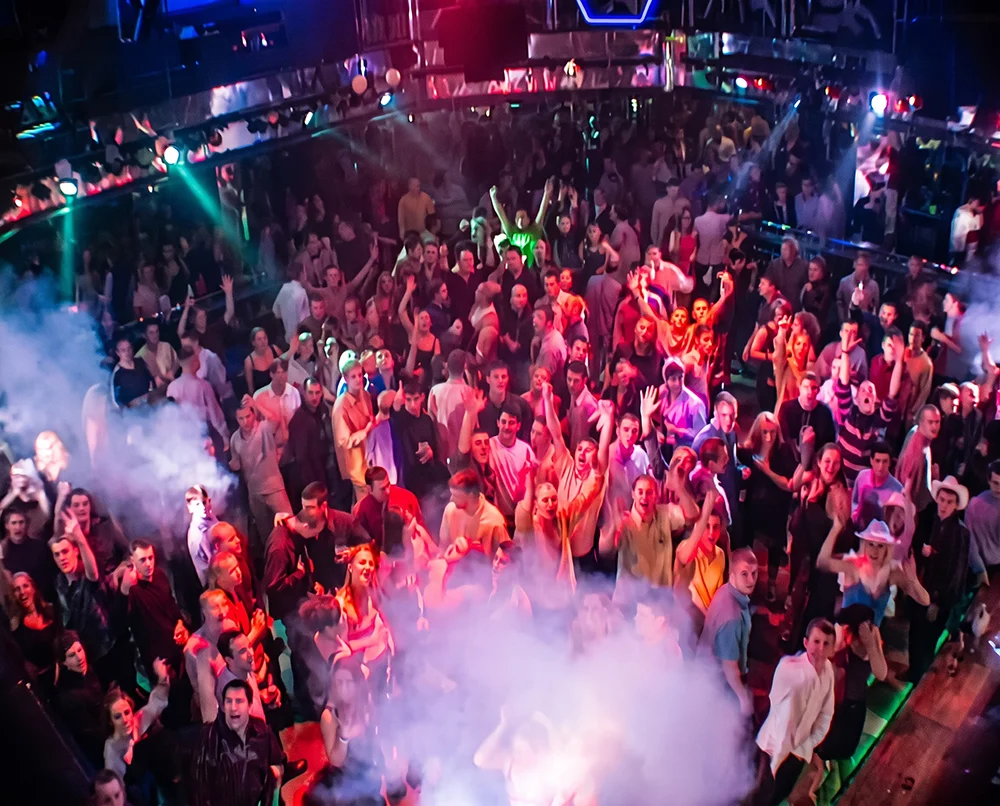 Its location added to its appeal. Positioned between the Promenade and the town centre, The Palace was linked by the pedestrian bridge spanning Central Drive, making it easily accessible for visitors staying in nearby hotels and guest houses. The surrounding area was already home to amusements, bars and entertainment venues, allowing thousands of visitors to continue their evenings long after the theatres had closed.
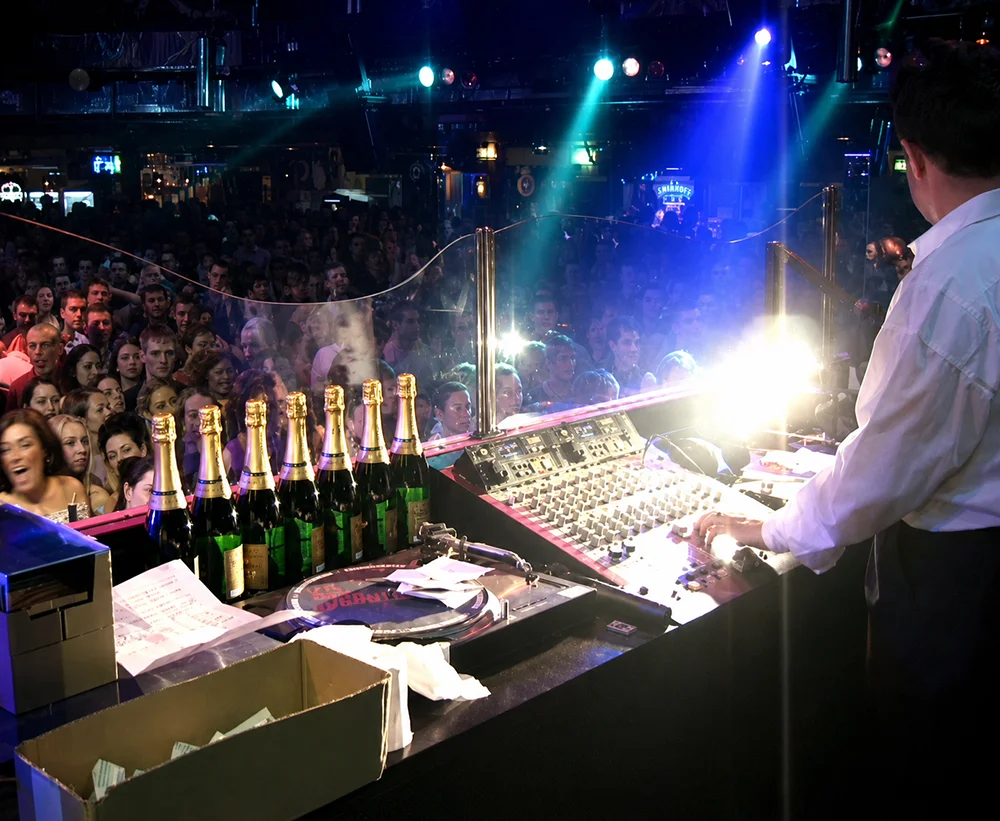 The Palace became synonymous with the club culture of the late twentieth century. Regular themed nights, visiting DJs and major dance music events drew large crowds, while advances in lighting and laser technology created an immersive experience that reflected the changing face of British nightlife. At its peak, the venue was regarded as one of the biggest and most technically advanced nightclubs in the region. One of its principal competitors was Heaven & Hell, a considerably smaller nightclub but nevertheless a well-known part of Blackpool’s late-night scene. Its popularity gave clubgoers an alternative to the sheer scale and spectacle of the Palace and helped make the surrounding area one of the town’s busiest centres of nightlife. As tastes changed during the 1990s, the Palace evolved with them. In 1994, it was rebranded as the Golden Mile Nightclub, introducing a fresh identity while continuing to attract large audiences. Elsewhere within the Palatine Building, Jellies Nightclub also became a popular venue, giving the complex a prominent place in Blackpool’s evening economy.
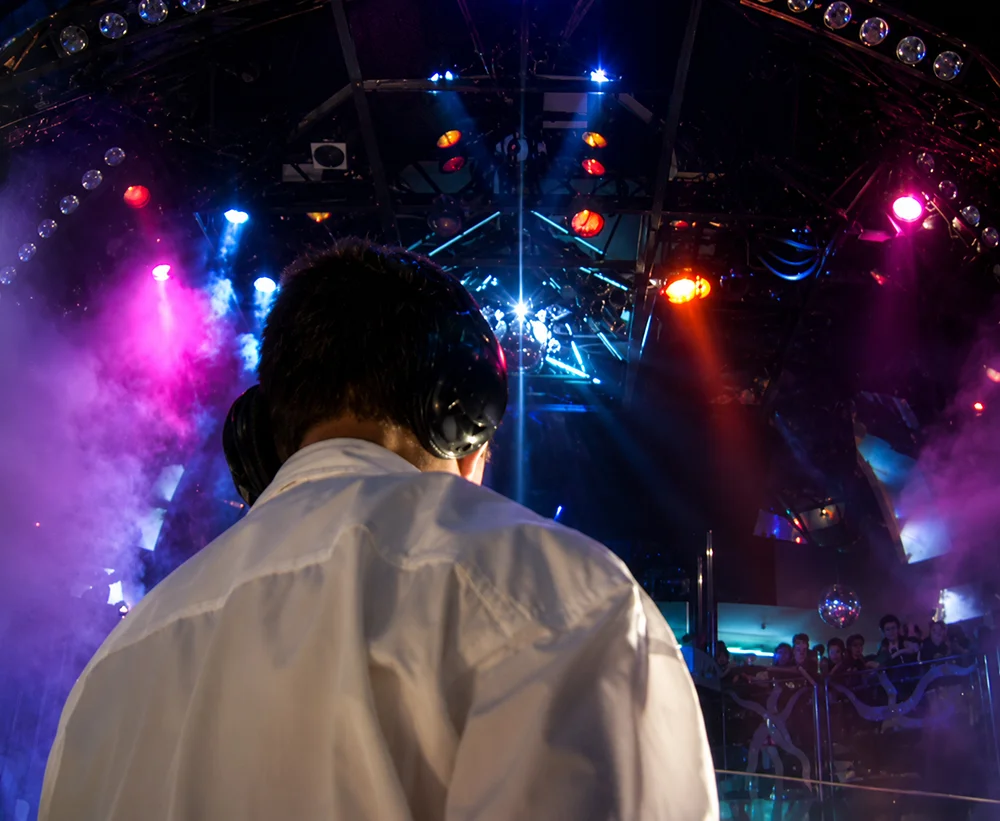 After almost two decades at the heart of Blackpool’s nightlife, The Palace finally closed in 2003. The Palatine Building subsequently stood largely unused as plans were developed to regenerate the Central Promenade area. Eventually, the site was selected for one of Blackpool’s most significant cultural regeneration projects. The former nightclub was demolished to make way for the Sands Venue Resort Hotel and Showtown – The Museum of Fun and Entertainment, which opened in 2024 celebrating Blackpool’s rich entertainment heritage.
Although the nightclub itself has disappeared, The Palace remains an important part of Blackpool’s recent history. For a generation of residents and visitors it was more than simply a place to dance—it was one of the defining venues of the town’s late twentieth-century nightlife, reflecting Blackpool’s continuing ability to reinvent itself as fashions and entertainment evolved.
This exclusive video of the Palace nightclub was made by © Deeper Blue Marketing & Design Ltd
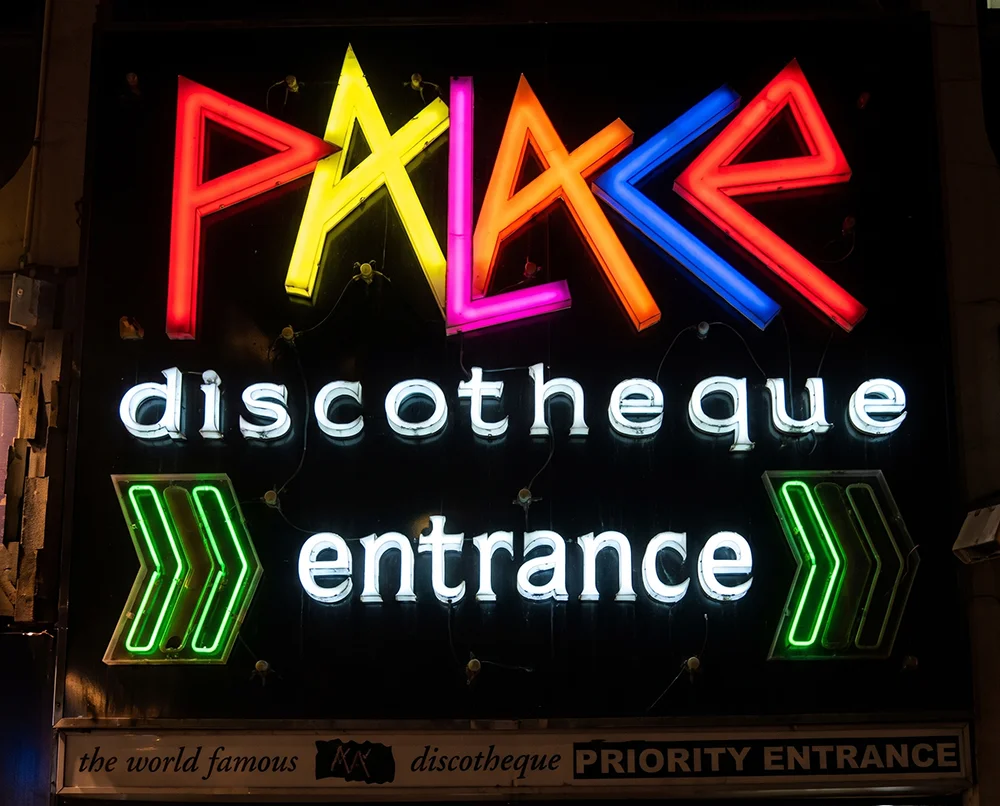
Images by © Deeper Blue Marketing & Design Ltd


