















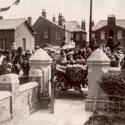
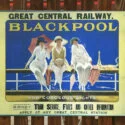





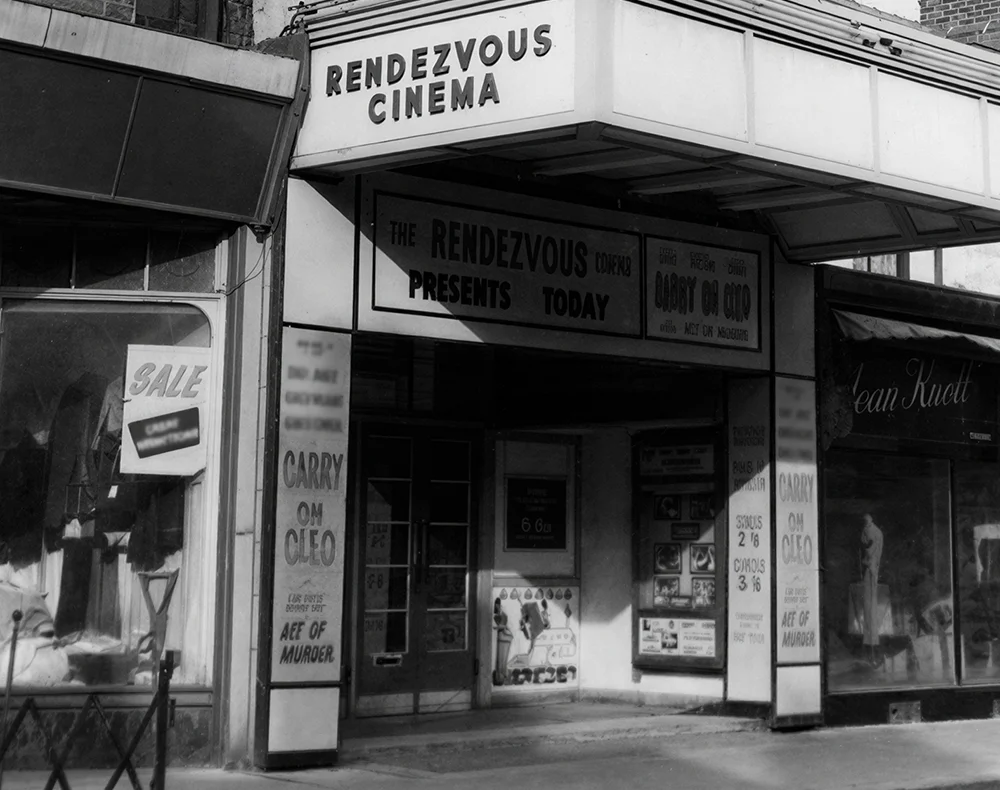
For almost half a century, the Rendezvous Cinema was a familiar landmark in Blackpool’s South Shore, providing entertainment for generations of local residents and holidaymakers. Opening during the golden age of cinema and later adapting to changing leisure trends, the building’s history reflected the evolution of Britain’s entertainment industry throughout the twentieth century. The Rendezvous Cinema officially opened its doors on 8 June 1925, welcoming audiences with its inaugural feature, The Go-Getter. Built during a period when cinema attendance was rapidly becoming one of the nation’s favourite pastimes, the venue was designed to offer a comfortable and modern experience for visitors to South Shore.
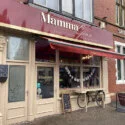
Unlike many purpose-built cinemas of the period, the Rendezvous had an unusual layout. Its entrance was located through an existing shop unit on the main street, while the main auditorium was constructed behind the surrounding buildings. Inside, seating was arranged on both the stalls and circle levels, providing accommodation for a substantial audience. The cinema also featured its own café, allowing patrons to enjoy refreshments before or after performances and adding to the social experience of a visit to the pictures. During the silent film era, audiences would have watched films accompanied by live music before the arrival of sound pictures in the late 1920s transformed the cinema-going experience. Throughout the following decades, the Rendezvous screened an ever-changing programme of feature films, newsreels and children’s matinees, becoming an important part of community life in South Shore.
Following the Second World War, ownership of the cinema changed hands. In 1946, it was acquired by the J. F. Emery Circuit, an independent cinema operator that managed a number of cinemas across the North West. Under its ownership, the Rendezvous continued to serve local audiences during the post-war boom in cinema attendance, when weekly visits to the pictures became part of everyday life for many families. However, the popularity of cinema began to decline during the 1950s and 1960s as television became increasingly common in British homes. Like many independent cinemas across the country, the Rendezvous faced falling audiences and sought new ways to remain commercially viable.
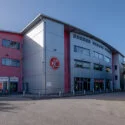
By the early 1970s, bingo sessions had already begun taking place on several evenings each week, reflecting a growing trend that saw former cinemas adapted for a new generation of leisure activities. In 1972, the building was sold to the Classic Cinemas chain, but its future as a cinema was short-lived. Just a year later, in 1973, the Rendezvous closed as a picture house and was converted into a full-time Mecca Bingo Club. The spacious auditorium that had once echoed with film soundtracks instead became home to rows of bingo tables and regular social gatherings. For many local residents, the building remained a familiar place to meet friends and enjoy an evening’s entertainment, albeit in a very different form.
In later years, the venue was operated by Walkers Bingo, continuing its role as a community entertainment venue long after its cinema days had ended. Eventually, however, changing leisure habits once again caught up with the building, and the bingo club closed its doors. By 2011, the auditorium had been demolished, ending more than 85 years of entertainment on the site. The land where generations had gathered to watch films, enjoy concerts and later play bingo was cleared and converted into a car park, leaving little physical evidence of one of South Shore’s long-serving entertainment venues.
Although the Rendezvous Cinema has disappeared from Blackpool’s streetscape, it remains an important part of the town’s entertainment history. Its journey from neighbourhood picture house to bingo club mirrors the changing tastes of the British public throughout the twentieth century, reflecting how Blackpool continually adapted its leisure attractions to meet the expectations of each new generation. Today, only photographs and memories remain of the Rendezvous, but for thousands of people who passed through its doors between 1925 and 2011, it was far more than simply a cinema or bingo hall. It was a place where films were first experienced on the big screen, friendships were formed, communities came together and another chapter was written in the rich entertainment history of Blackpool.
Images by © Blackpool Council/Planning Department Collection


