














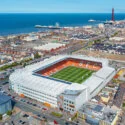













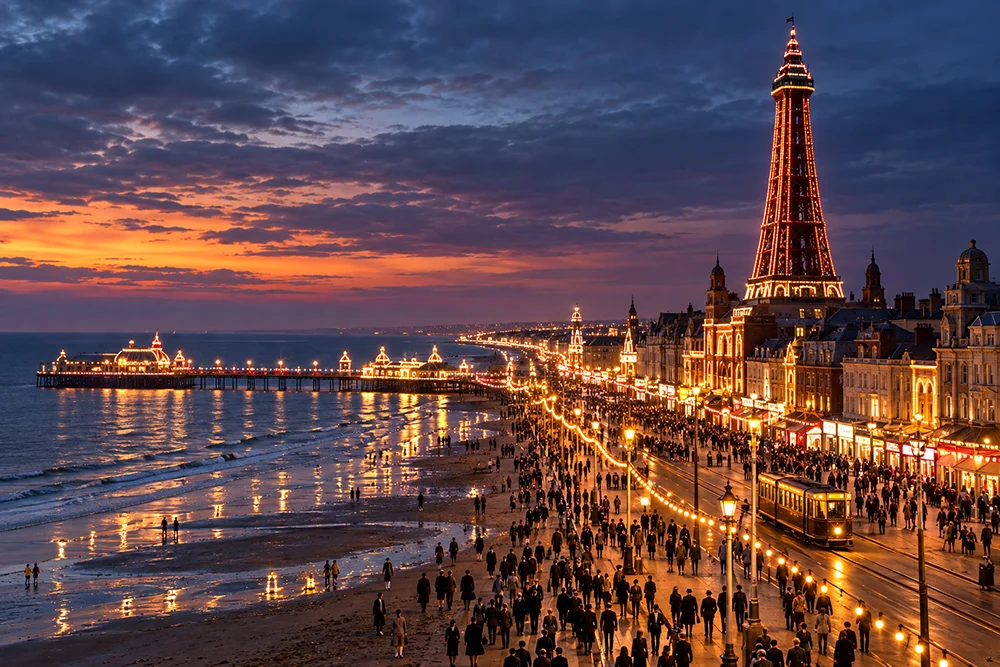
 On the evening of 26 July 1935, with the lights of Blackpool glowing and visitors crowding its famous promenade, a tragedy unfolded high above the town that would leave behind more questions than answers. Arthur Frederick Taylor, a 16-year-old boy from Brixton, made his way to the top of Blackpool Tower.
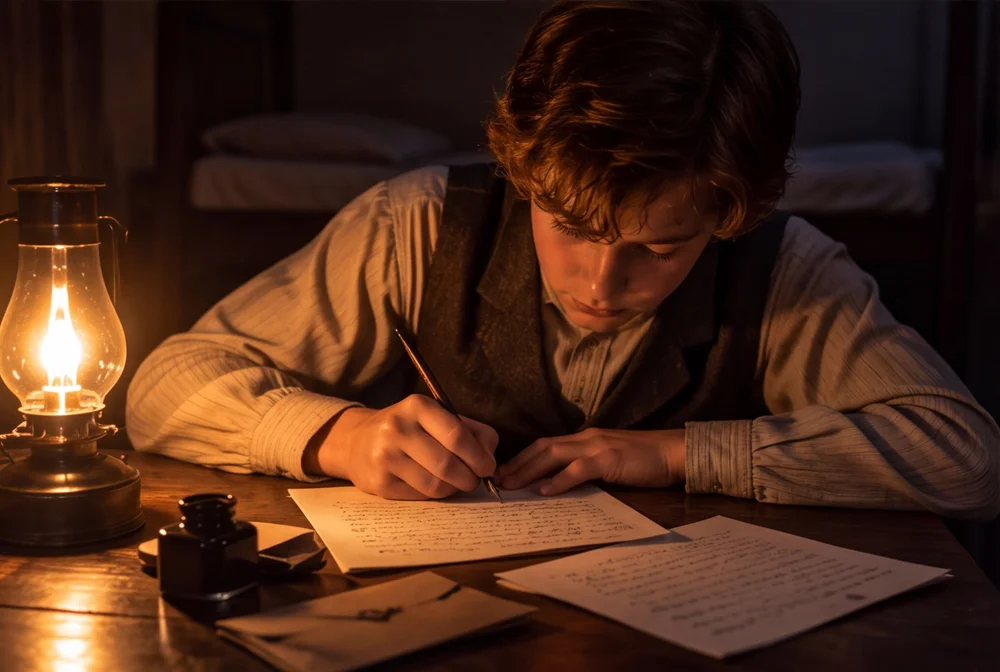 Before stepping out into the open air and plunging 325 feet to the roof of the ballroom below, he paused long enough to write two letters—one to his mother, another to the coroner who would later preside over the inquiry into his death.
When the inquest was held, Colonel H. Parker read aloud portions of those final messages. In them, the boy’s voice emerged as both ordinary and unsettlingly composed. To his mother, he expressed small, domestic grievances: a dislike of his grandmother, and resentment at the way he felt spoken to. To the coroner, however, his tone shifted, becoming firm, almost defiant. He made a simple request:
“Please do not return a verdict of ‘suicide whilst of unsound mind.’ It is not the case.”
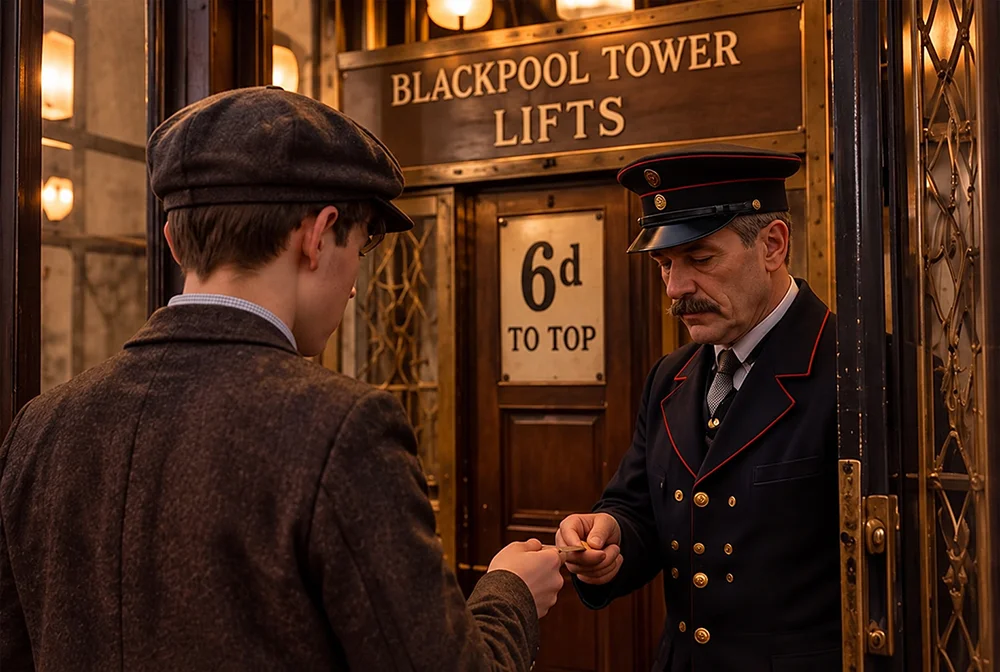
Despite this, the court would ultimately reach the opposite conclusion. There was, too, one stark detail that lingered in the testimony. The boy had no money left on him when his body was examined. It was determined that he had spent his last sixpence on a ticket for the lift that carried him to the top of the Tower.
To those who knew him, Arthur’s actions seemed impossible to reconcile with the boy they remembered. His uncle, Alexander G. Stuart, described him as cheerful, well-adjusted, and raised in a good home in Brixton. “He was a very happy boy,” he said. “The whole thing is a mystery.”
Yet there had been small signs, though vague and easily overlooked at the time. Earlier that week, Arthur had left home without kissing his mother goodbye—an omission so slight it might have gone unnoticed under other circumstances, but which now seemed heavy with meaning. Days later, he telephoned friends from an unknown call box. He asked after family, but when pressed about where he was, he offered only a cryptic reply.
“You will know by Sunday,” he said, before ending the call.
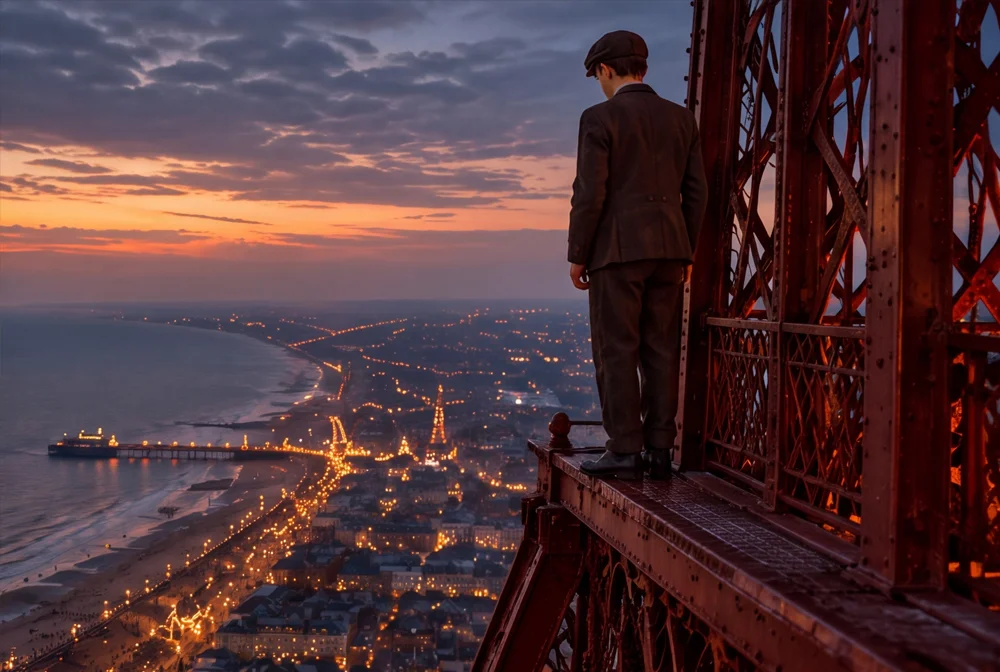
By Friday night, he was in Blackpool. Attendants on duty at the Tower later recalled seeing the boy on the upper structure, in a position where no visitor should have been. Ernest Whitaker was among the first to approach him, calling out and urging him to come down.
The boy answered calmly, without hesitation. “I am going,” he said.
Whitaker tried again, preparing to move closer, to bring him back safely if he could. But the boy refused, repeating himself more forcefully now. “No, I am going.”
Moments later, he stepped out and fell.
Another attendant, William Harris, testified that just before the jump, the boy had thrown down a small packet containing notepaper and envelopes—the remnants of the letters he had written before climbing higher still. Witnesses could only watch as he disappeared from view, falling the full height of the structure. Police later stated that the precautions in place made it nearly impossible for such a fall to occur by accident. To reach the position from which Arthur jumped required deliberate effort.
At the inquest, the fragments of his final days were laid out piece by piece. His father, who lived separately in Plumstead, said he had last seen his son more than a year earlier, in March 1934, and at that time there had been nothing wrong. Those who knew the boy could offer no explanation beyond the vaguest of domestic tensions—hardly the kind of troubles that might be expected to drive someone so young to such an extreme.
The coroner struggled with that contradiction. “One does not expect a boy to end his own life because he has been reproved,” he remarked. And yet the facts remained: a deliberate climb, a measured refusal of help, and a final, fatal step. In the end, despite the boy’s own written plea, the verdict was recorded as suicide while of unsound mind. But the language of the court did little to resolve the deeper mystery. Arthur Frederick Taylor left behind no clear account of what drove him to the top of Blackpool Tower that night—only fragments of thought, a handful of quiet grievances, and a final insistence that he understood his own actions better than anyone else ever would.
This historical story was taken from the book: ‘The Dark History of our Town: Blackpool’ shown below:
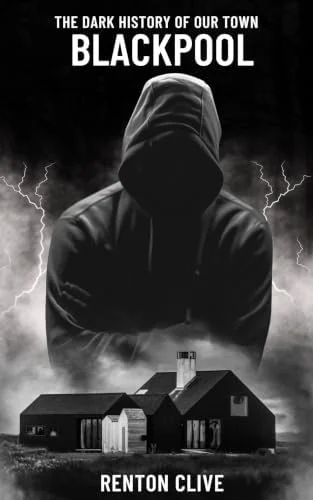
Click on the image above to buy the book on Amazon.