





























By September 1909, Vesta Tilley was appearing at Blackpool’s Palace Theatre as one of the most celebrated entertainers in British music hall. A surviving programme dated 13 September placed her on a bill that also included George Formby, preserving a record of her place in the resort’s variety entertainment. Her connection with Blackpool extended beyond the Palace, however. She also appeared at John Hodgson’s Belle Vue Strawberry Gardens, while her marriage to theatre entrepreneur Walter de Frece later brought her into the town’s political life when he became its Member of Parliament.
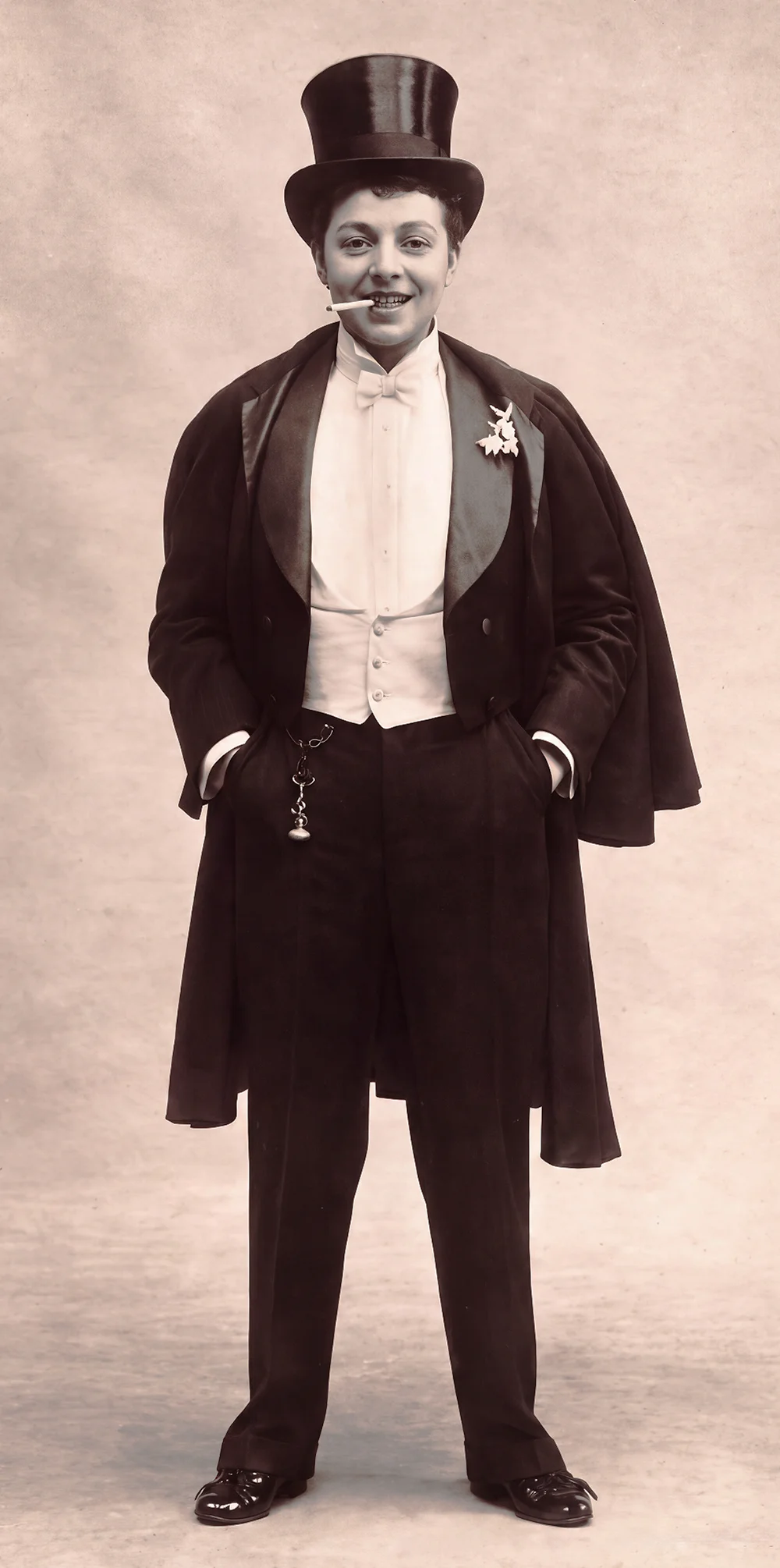 Born Matilda Alice Powles in Worcester on 13 May 1864, Tilley came from a theatrical family and began performing as a child. She developed an act built around male impersonation, becoming particularly associated with smartly dressed young men, fashionable dandies and uniformed characters. Her performances combined songs, comedy and carefully observed mannerisms, using costume, movement and expression to create personalities that audiences immediately recognised. The contrast between the female performer and the men she portrayed became central to her appeal, and she rose to become one of the most successful women on the British variety stage.
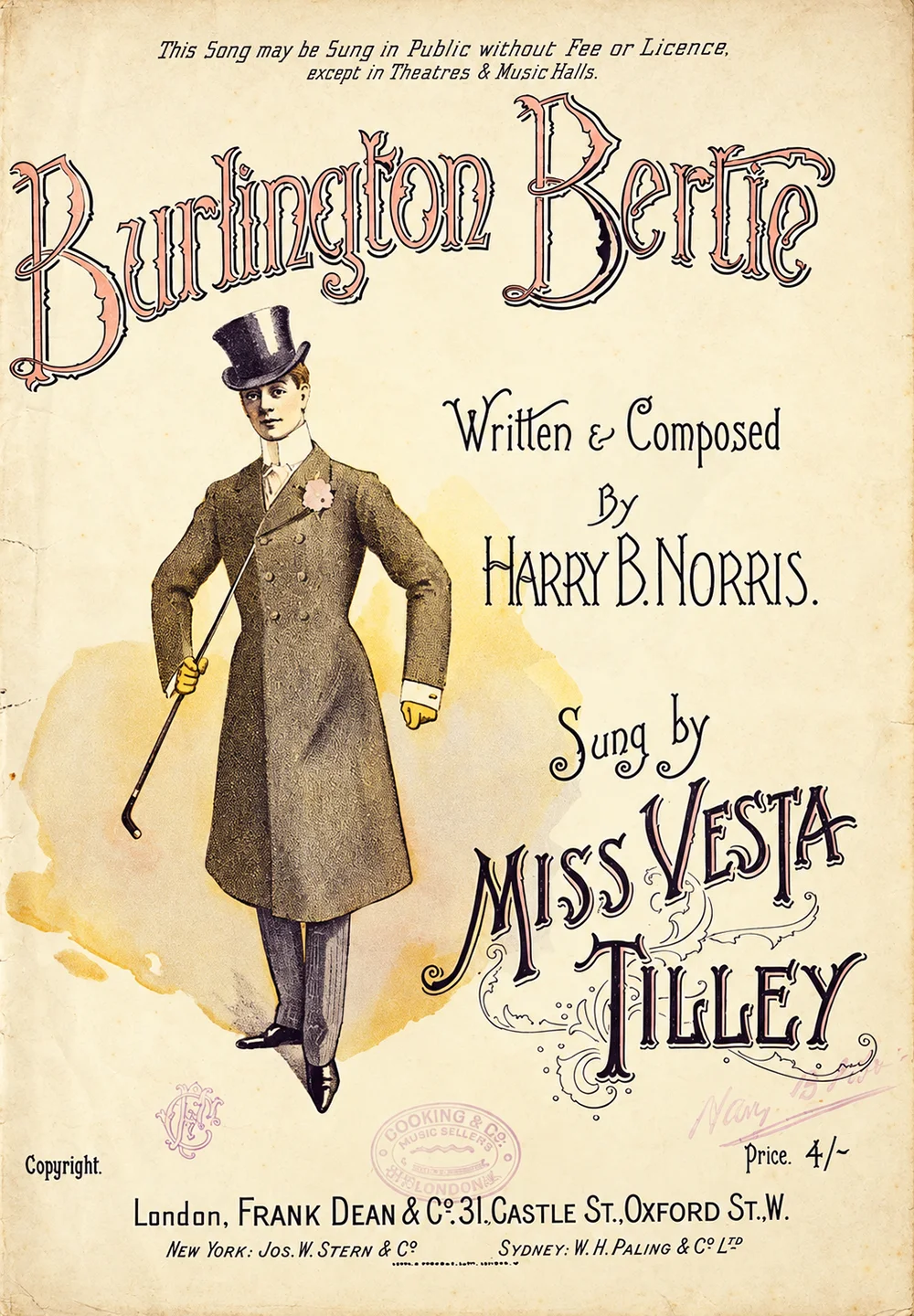
Poster for Vesta Tilley performing as Burlington Bertie
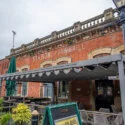
Blackpool offered an audience well suited to her work. Its expanding entertainment industry brought together visitors seeking music, comedy and spectacle, and Tilley performed in the town on numerous occasions. Among the venues associated with her was Hodgson’s Belle Vue Strawberry Gardens on Whitegate Lane, now Whitegate Drive. Opened in 1863, the gardens combined outdoor recreation with entertainment, offering a music hall, an outside dancing platform, tea rooms, strawberry beds, mazes, orchards and fountains. Tilley was among the famous acts remembered for appearing in its music hall, although the dates of her engagements there have yet to be established. The gardens remained popular until the mid-1890s, placing this connection within an earlier period of her career than the surviving Palace Theatre programme.
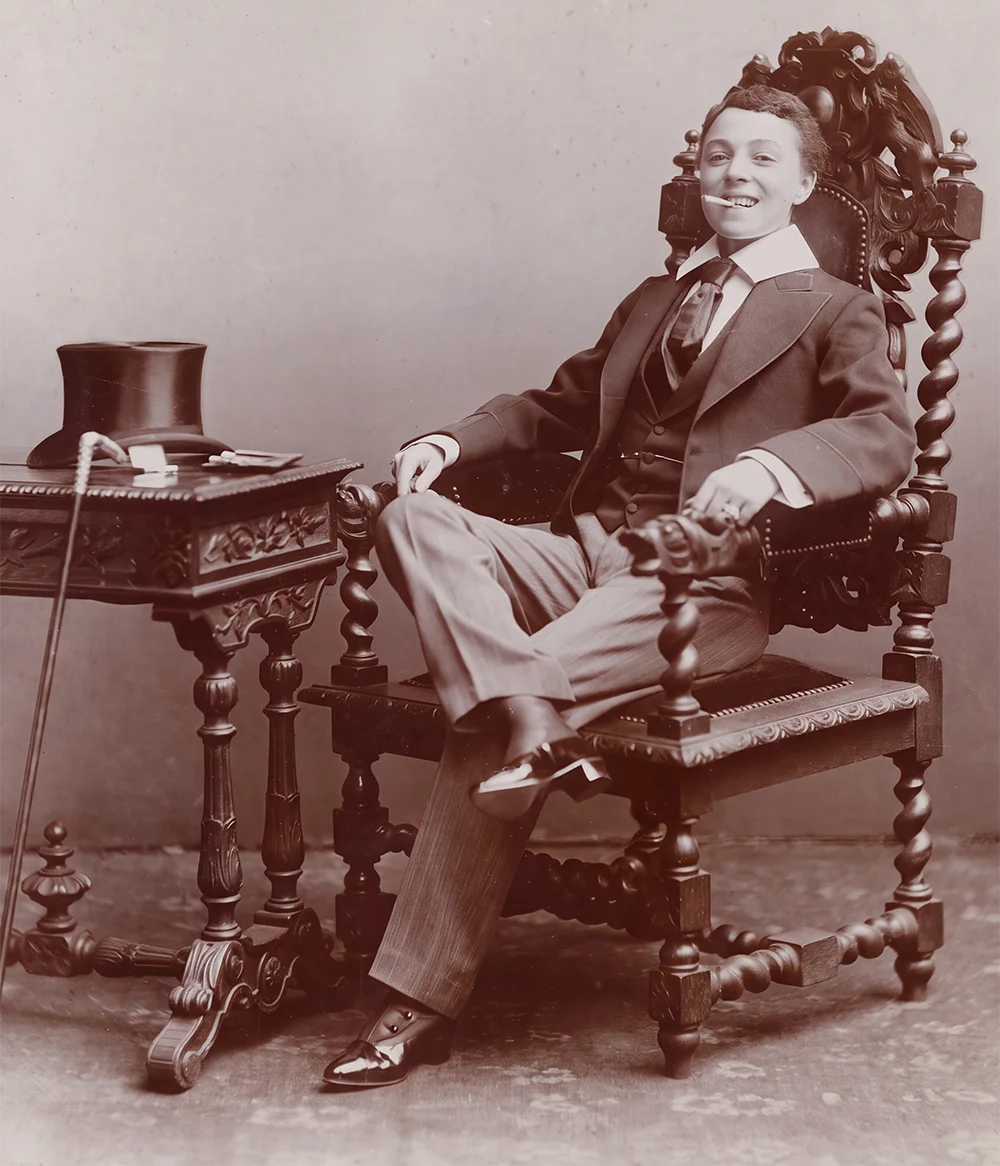
Publicity photograph of Vesta Tilley dressed as a foppish young man
At the Palace in 1909, Tilley received prominent billing reflecting her established reputation. Her association with Blackpool also left another intriguing archival trace: a souvenir programme dated 5 November 1919 for a hospital cot matinee bearing her name. Preserved in the Cyril Critchlow Collection at Blackpool Central Library, it provides evidence of a charitable event associated with her, although the catalogue entry does not identify the beneficiary or record how much was raised. It belongs to the closing period of her stage career, shortly before her retirement in 1920.
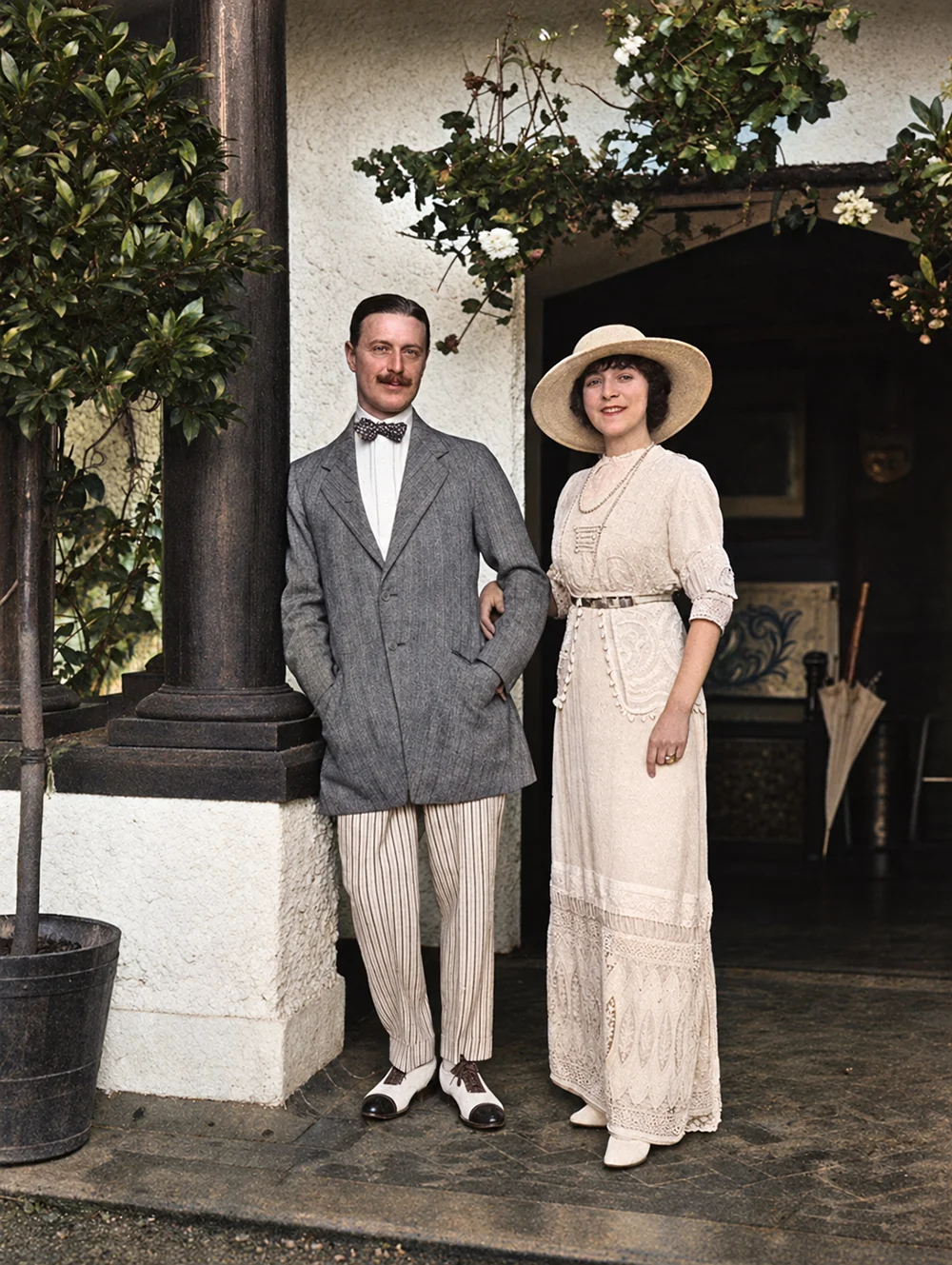
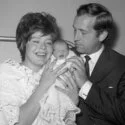
Miss Vesta Tilley (1864-1952), music hall entertainer best known for her male impersonations, pictured at her home, the Homestead at Maidenhead, Berkshire, with her husband, Mr Walter de Frece. Date: 1912. © Alamy
Tilley had married Walter de Frece on 16 August 1890. A songwriter and theatre entrepreneur, he became closely involved in the management of her career and developed extensive interests in the music-hall business. Following his knighthood in 1919, she became Lady de Frece, and her retirement coincided with his move into parliamentary politics. After representing Ashton-under-Lyne, he was elected for Blackpool in 1924 and held the constituency until 1931. The performer who had entertained the town’s audiences therefore acquired a second, quite different connection with Blackpool as the wife of its MP.
Presented at the royal court as Lady de Frece in 1923, Tilley lived a markedly different public life after leaving the stage. Following her husband’s retirement from Parliament in 1931, the couple settled in Monte Carlo, and her autobiography, Recollections of Vesta Tilley, appeared in 1934. Walter died the following year, but she continued to live in Monte Carlo. She died during a visit to London on 16 September 1952, aged 88, and was buried beside him at Putney Vale Cemetery. Her career was subsequently dramatised in the 1957 film After the Ball.
Her appearances at Belle Vue received renewed recognition on 30 October 2026, when a Blackpool Civic Trust blue plaque commemorating Hodgson’s gardens was unveiled. The plaque names Tilley among the entertainers who performed there and also records the community gardening group formed by residents in 2016 to continue the gardens’ name. For Tilley, it provides a lasting reminder that her Blackpool story reached beyond the grand variety theatres into the pleasure gardens that helped establish the town’s reputation for entertainment.