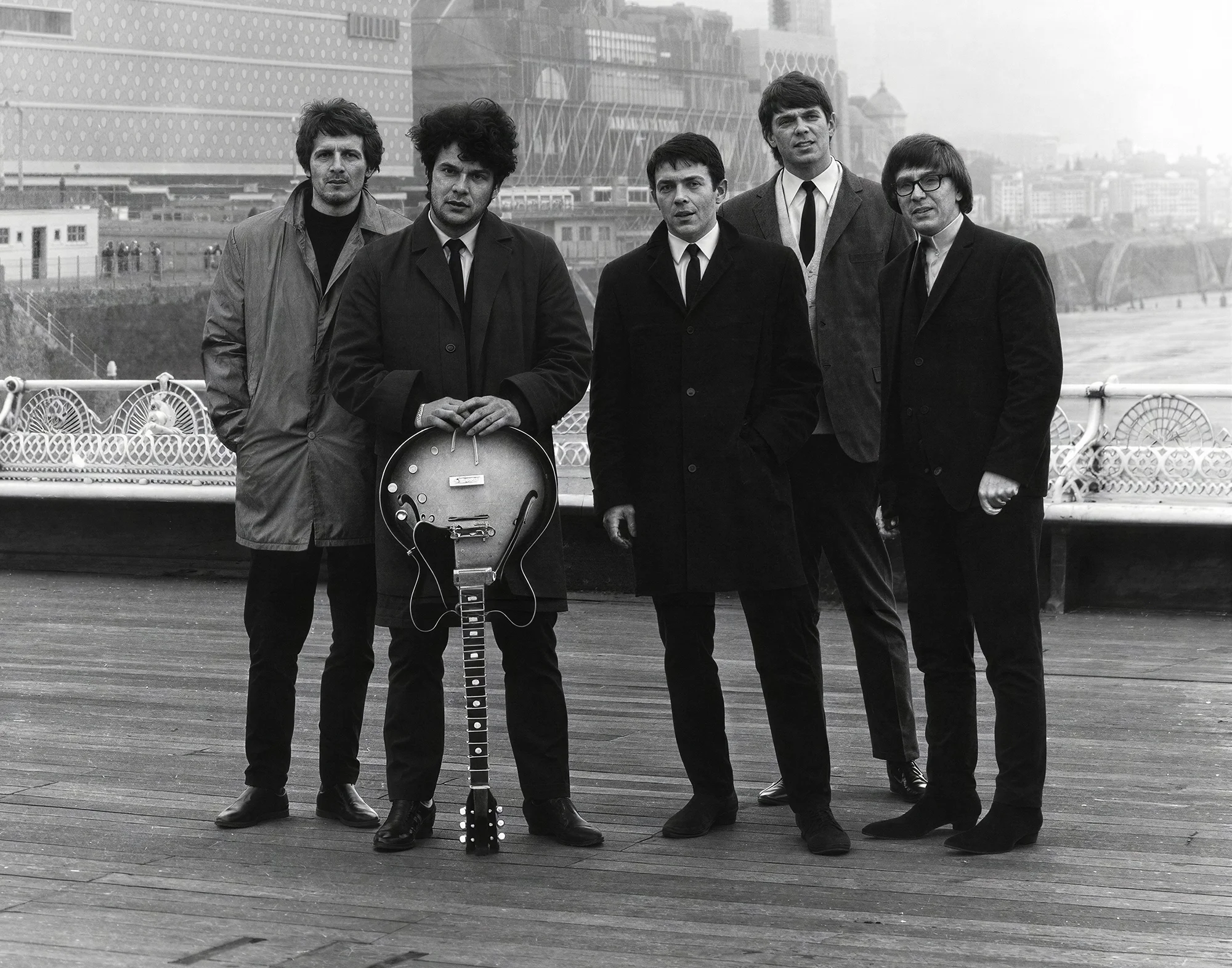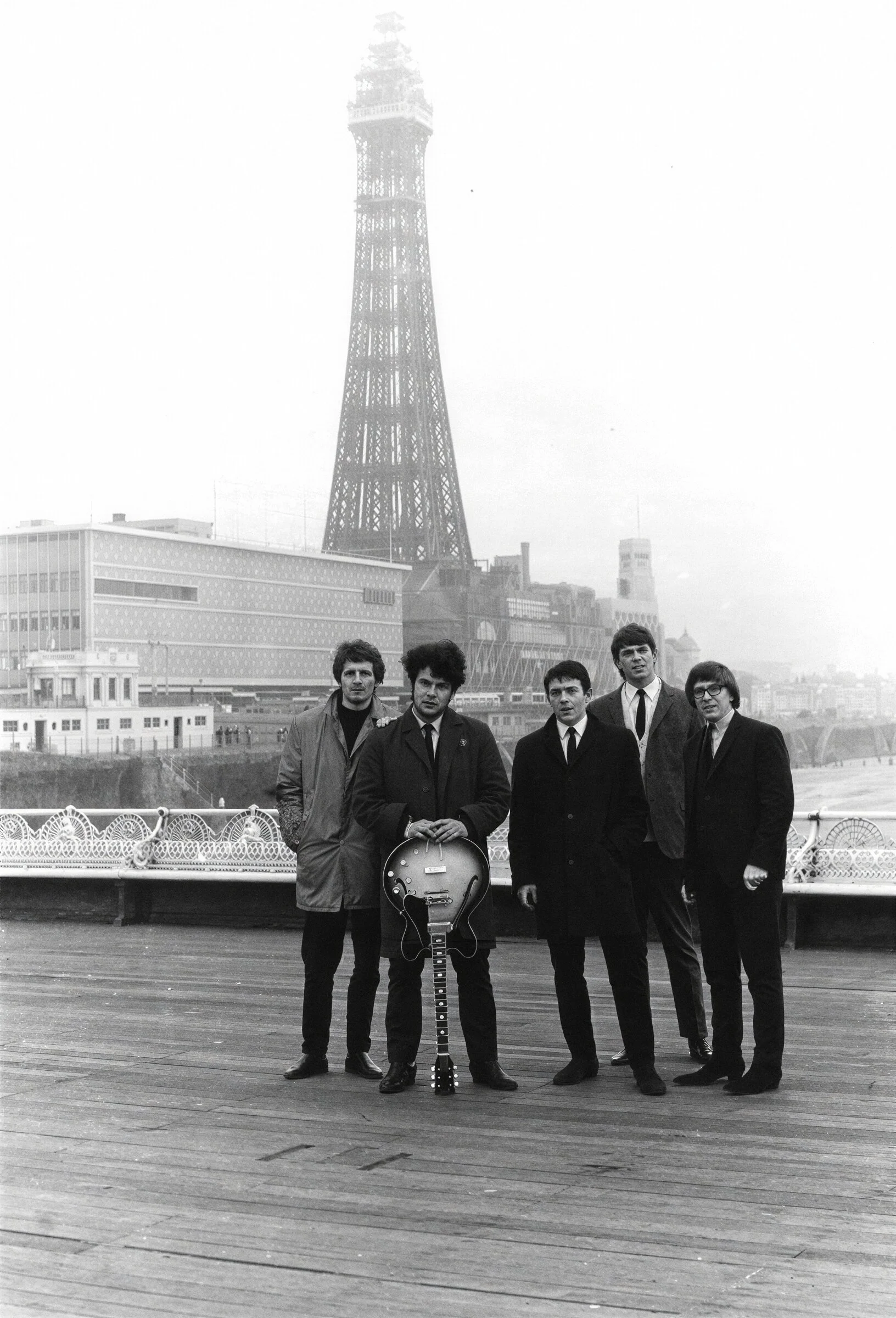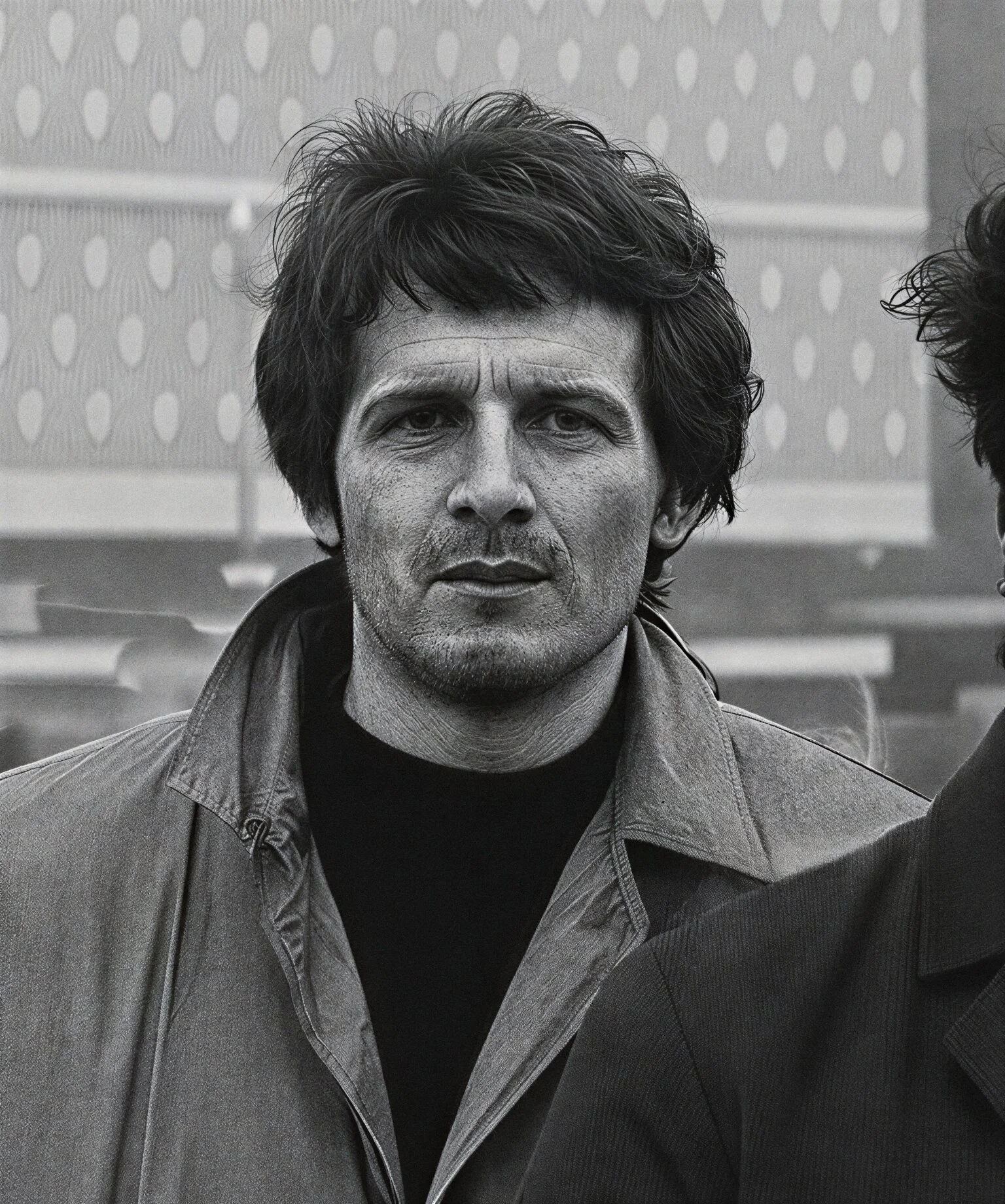

































Christopher Riley, was a central figure in Blackpool’s vibrant music scene during the 1960s and 1970s. Performing on guitar of Johnny Breeze and the Atlantics, he became part of a thriving live circuit that saw major national and international acts appear in the town’s ballrooms and clubs. During this era, Riley and his band shared stages with some of the most influential artists of the time, including The Rolling Stones, Pink Floyd and Eric Clapton. Blackpool was then an important stop on the UK touring map, and musicians like Riley found themselves performing in front of packed audiences at a time when British rock and blues were reshaping popular music.
Riley was also connected to the early formation period of the band that would later become Jethro Tull. His involvement during those formative years forged a lasting friendship with frontman Ian Anderson, with whom he has remained in contact. That association places Riley within the wider story of the British progressive rock movement as it began to take shape. A highly versatile musician, Christopher Riley’s instrumental range includes bass guitar, saxophone, organ, guitar, flute and piccolo. This breadth allowed him to move fluidly between rhythm and blues, rock, psychedelic sounds and more melodic influences. In an era when live performance demanded adaptability and technical skill, his multi-instrumental talent made him a respected and sought-after performer.
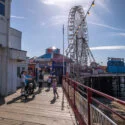
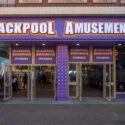
Away from the stage, Riley has maintained close ties to his hometown of Blackpool. Those who know him describe him as modest about his achievements, despite having been part of a remarkable period in British music history. His story reflects a time when seaside towns such as Blackpool were not just holiday destinations, but significant platforms for emerging talent and established stars alike.
Christopher Riley’s career as part of Johnny Breeze and the Atlantics remains an important chapter in the cultural history of Blackpool’s live music heritage.