










































The Waller & Hartley Sweet Factory was a long-established confectionery business in Blackpool that became a beloved part of the town’s industrial and social heritage. Known for producing a range of traditional British sweets, the factory was representative of the thriving confectionery industry that once flourished in seaside towns where tourists and locals alike sought classic treats. Founded in the late 19th century by the partnership of Thomas Waller and William Hartley, the business began by making boiled sweets, toffees and boiled sugar confections in the 1920s. Its products were sold locally and beyond, often wrapped simply and sold in shops, market stalls and, later, in seaside kiosks. The company became known for its quality, flavour and consistency — characteristics that endeared its sweets to generations of buyers. The company was made into a limited company in the year 1935.
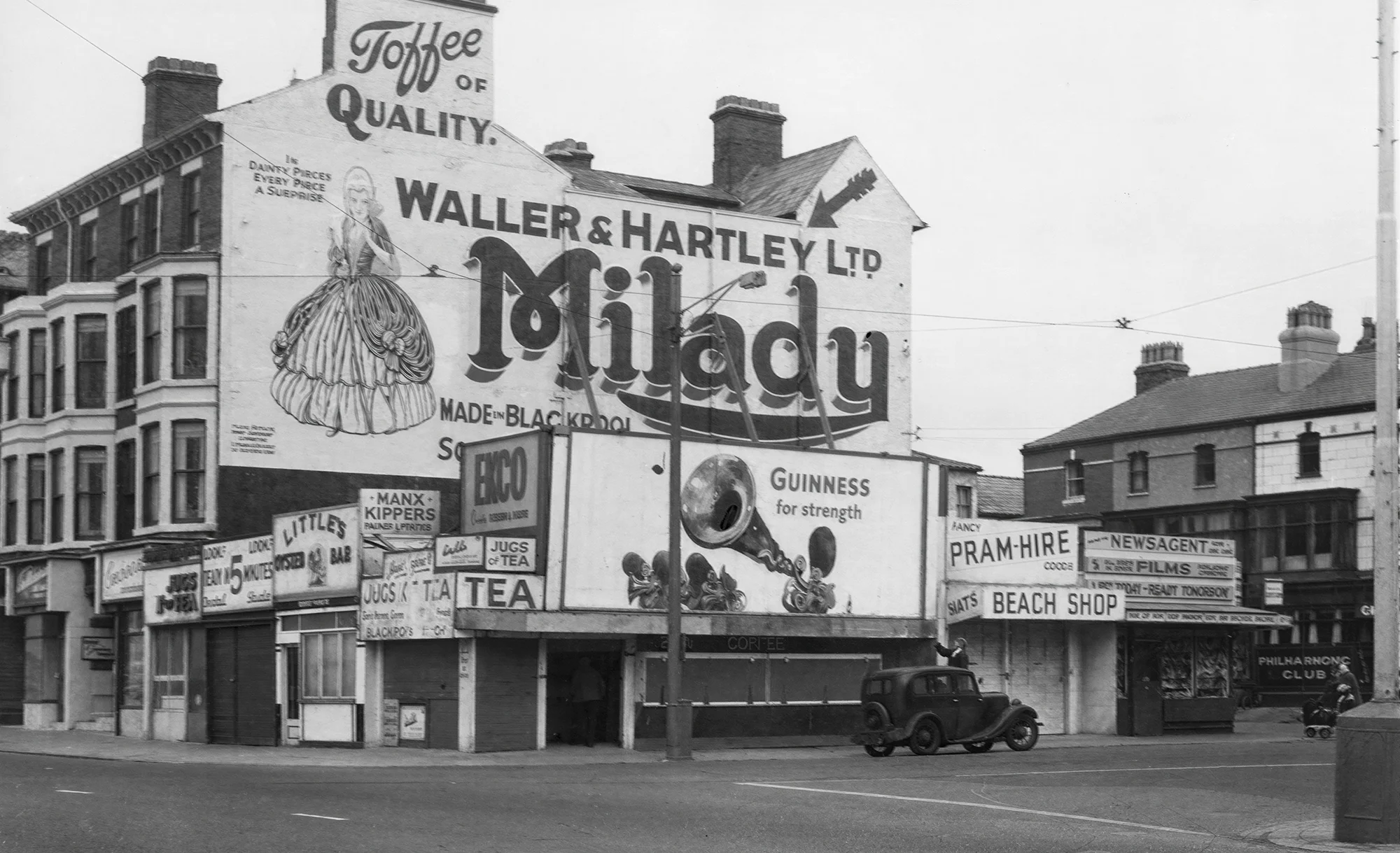
Provided by Blackpool Council/Planning Department Collection – the image of the Foxhall Square stalls was taken on 19 February 1958
At its peak, the Waller & Hartley factory employed local workers from Blackpool and the wider Fylde region. The production processes combined skilled hand-craftsmanship with early industrial equipment, reflecting how confectionery manufacture transitioned from purely manual methods to more mechanised operations during the early 20th century. Workers were trained in traditional sugar-pulling, flavouring and packaging, and the factory was recognised locally as a place where the town’s sweet-making skills were preserved and passed on. Throughout the mid-20th century, as British holidays at the seaside boomed, Waller & Hartley sweets were frequently purchased by holidaymakers visiting Blackpool’s beaches, piers and amusements. Its products became part of classic seaside experiences, enjoyed alongside candyfloss, ice cream and rock. The distinctive taste of its sweets and the familiarity of its packaging made the brand memorable to many who grew up visiting the resort.
By the latter part of the 20th century, changes in confectionery manufacturing and retail led to consolidation in the industry. Larger national and multinational brands came to dominate supermarket shelves, and many smaller local factories found it increasingly difficult to compete. Like other traditional sweet producers, Waller & Hartley faced pressures from changing consumer habits, economies of scale and the growing supermarket supply chains that favoured mass production. Although the original factory eventually closed, its legacy continued in Blackpool’s collective memory. For those who grew up in the region, Waller & Hartley sweets evoke a sense of nostalgia — reminders of family holidays, market days, and the sensory pleasures of classic British confectionery. The company’s story forms part of a broader history of local industry, seaside culture and the traditions of sweet making that were once central to many northern towns.
Today, historical references to the Waller & Hartley Sweet Factory appear in local heritage collections, oral history archives and the memories of older residents who recall purchasing its products. While the factory itself is no longer in operation, its contribution to Blackpool’s industrial and cultural past remains recognised by those who remember the golden age of handcrafted sweets and family seaside trips.
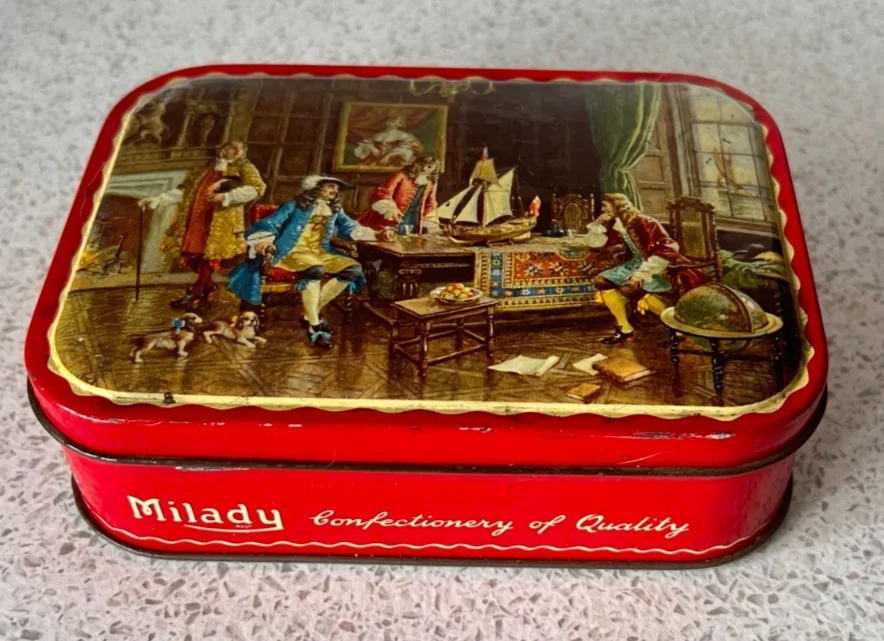
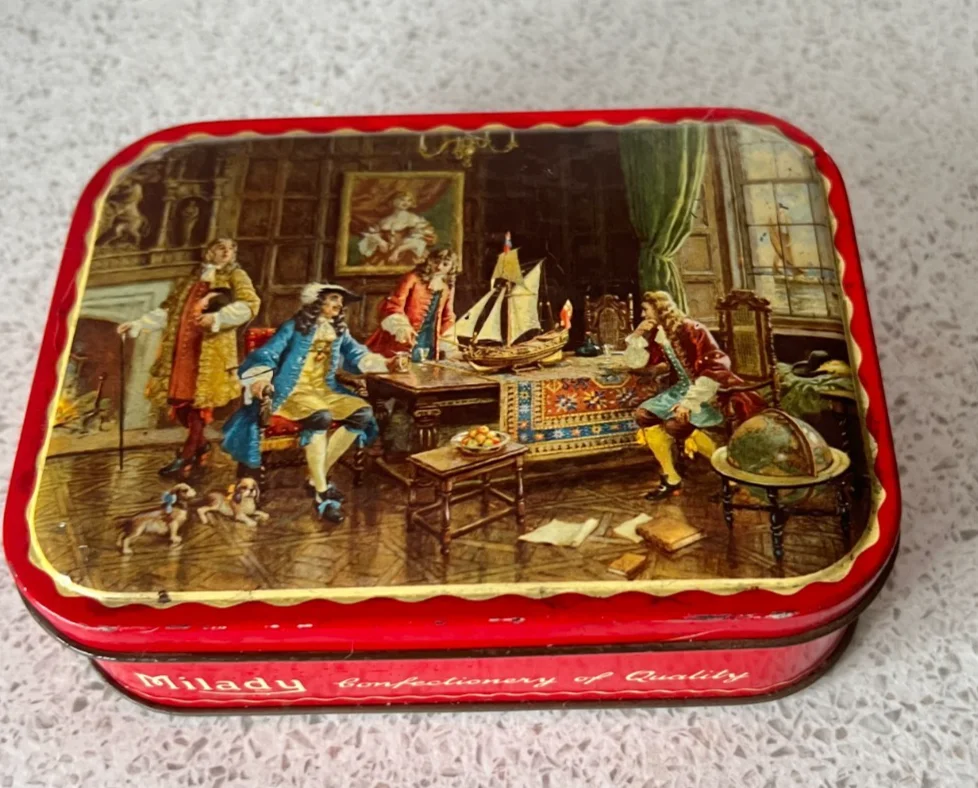
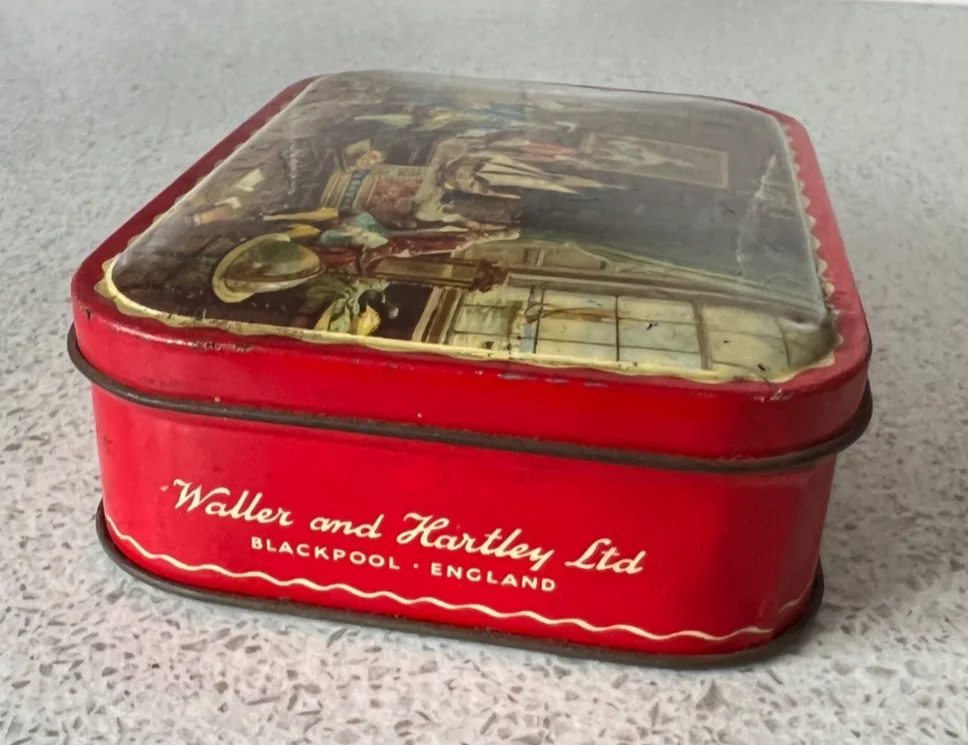
Our thanks goes out to The Collectors Zone for providing these three images. If you wish to purchase this tin on eBay, please click here.
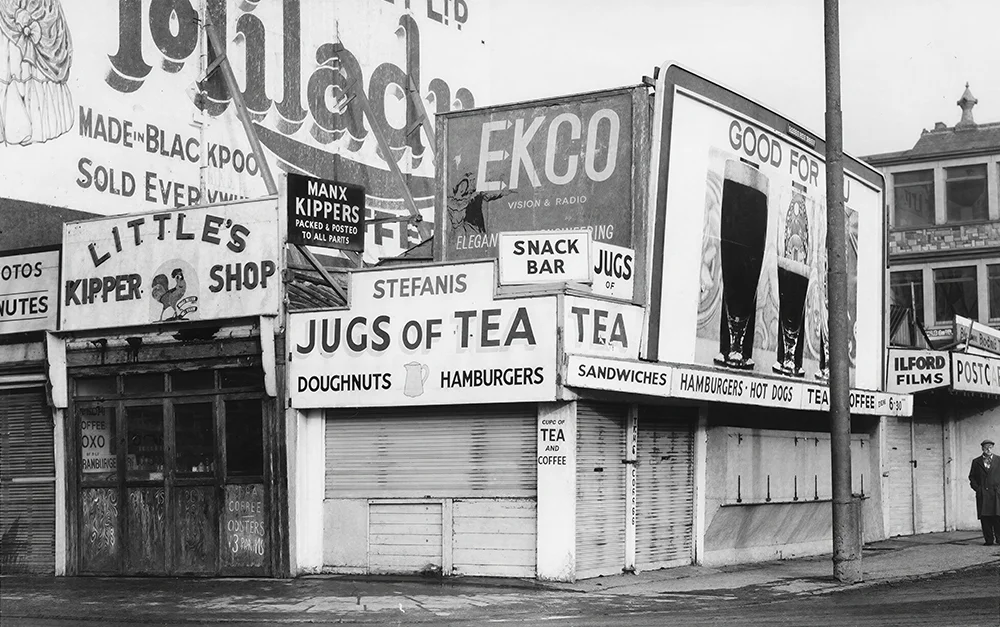
Provided by Blackpool Council/Planning Department Collection – the image of the Foxhall Square stalls was taken on 8 February 1963
Featured Image © Blackpool Council/Planning Department Collection
Additional Images © The Collectors Zone
Background Image © Blackpool Council/Planning Department Collection


