


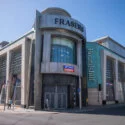





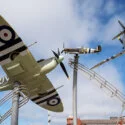

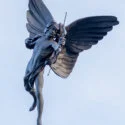



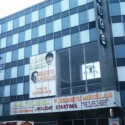

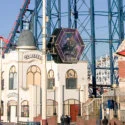


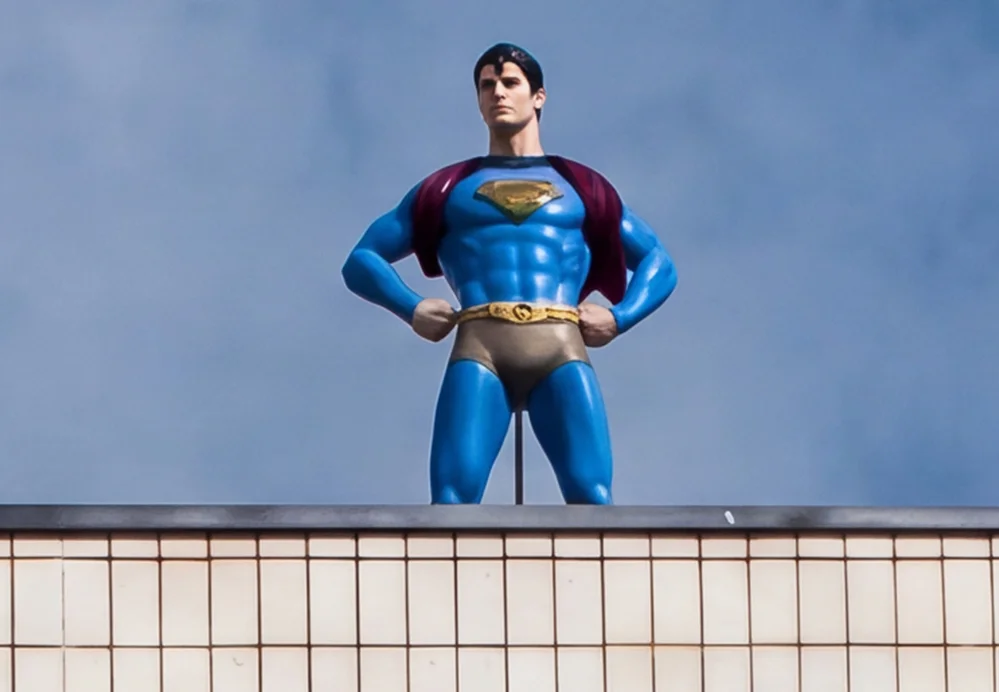
Superman figure on top of Louis Tussauds. 28 August 2009, John Davidson Photos © Alamy
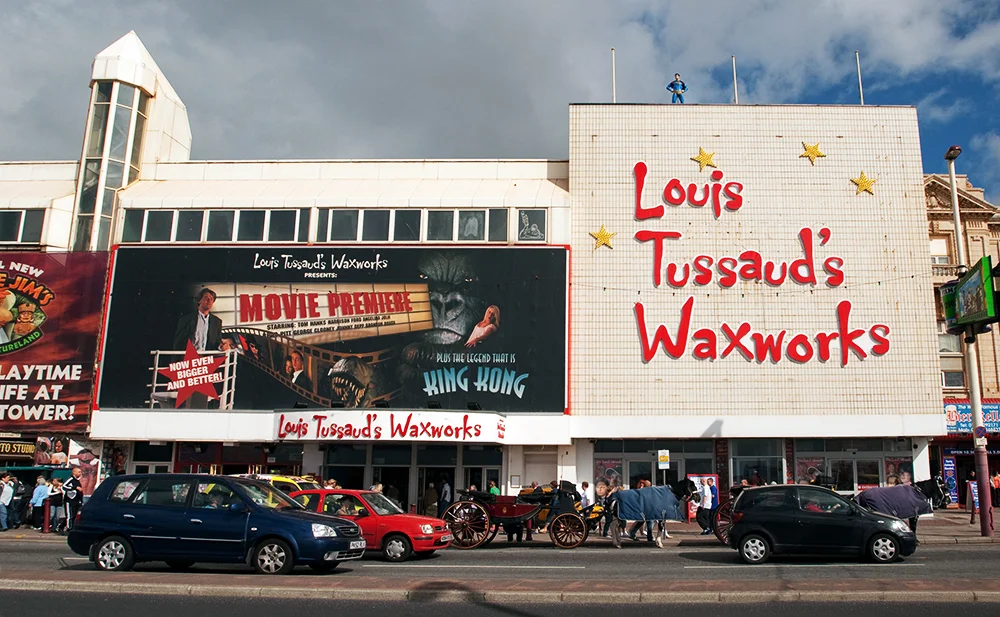
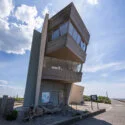
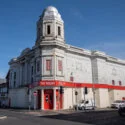
Louis Tussaud’s waxworks on the Blackpool Golden Mile seafront. 28 August 2009, John Davidson Photos © Alamy
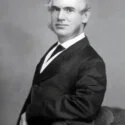
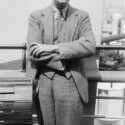
For more than a century, Louis Tussaud’s Waxworks has been part of Blackpool’s entertainment story, allowing visitors to stand face to face with royalty, world leaders, sporting heroes, film stars and historical figures. While many people associate wax museums with Madame Tussauds in London, Blackpool has its own remarkable connection to the famous Tussaud family that dates back to the very beginning of the twentieth century. Louis Joseph Kenny Tussaud was born in 1890 and was the great-grandson of the renowned wax modeller Madame Marie Tussaud, whose London exhibition had already become internationally famous. Determined to establish his own reputation, Louis chose Blackpool as the location for his first independent waxworks exhibition.
In July 1900, Louis Tussaud opened his first exhibition in the basement of the Hippodrome Theatre on Church Street. The display introduced Blackpool visitors to the artistry of wax modelling, offering remarkably lifelike figures of famous personalities at a time when photography was still in its infancy and cinema was only just beginning to emerge. For many people, it was the closest they would ever come to seeing celebrated figures from around the world. The exhibition proved popular, and in 1901 Louis relocated to larger premises within the Brunswick Café on South Shore. Later that year he acquired Walker’s Waxworks on Wellington Terrace, transferring his growing collection into a more substantial attraction. These moves reflected both the popularity of the exhibition and Blackpool’s rapid emergence as Britain’s leading seaside resort, where new attractions were constantly being introduced to entertain an ever-growing number of visitors.
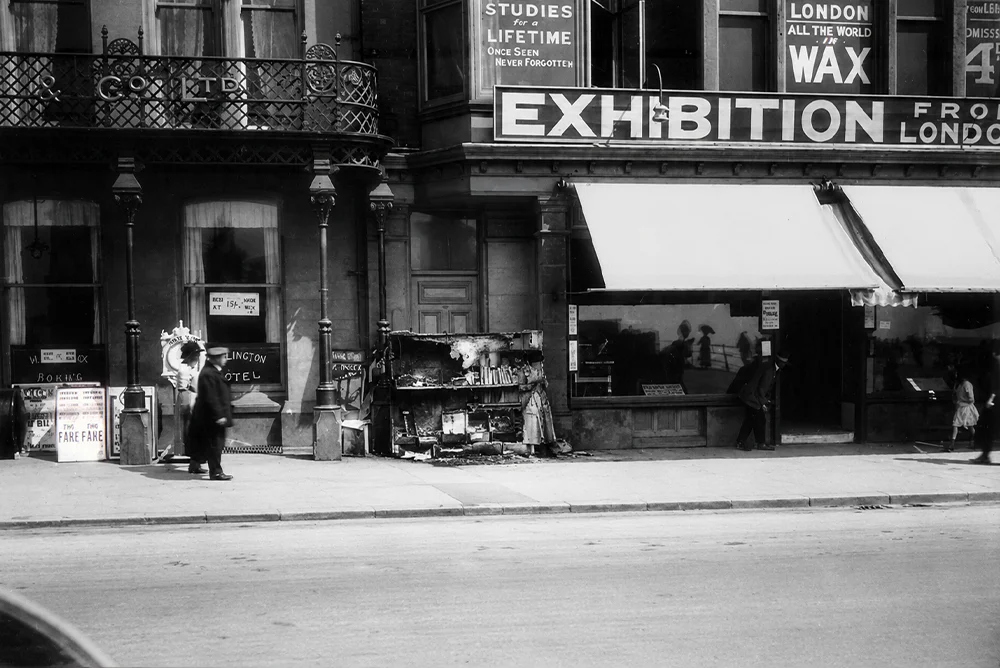
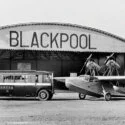
Louis Tussauds 11 June 1925
Over the following decades, Louis Tussaud expanded his business beyond Blackpool, opening wax museums in other parts of the world and establishing the Louis Tussaud’s Waxworks name as an independent brand. Although sharing the famous family surname, his museums operated separately from Madame Tussauds, developing their own identity while continuing the long tradition of realistic wax portraiture. A major new chapter began on 18 May 1929, when a purpose-built Louis Tussaud’s Waxworks opened at 87–89 Central Promenade. The impressive new building, distinguished by its striking Egyptian-inspired façade, became one of the Golden Mile’s most recognisable attractions. Its prominent location ensured that generations of visitors made Louis Tussaud’s part of their Blackpool holiday.
Inside, visitors discovered an ever-changing collection of meticulously crafted wax figures representing the most famous people of the day. Members of the Royal Family stood alongside politicians, military leaders, explorers, actors, musicians, comedians and sporting legends. Historical tableaux recreated important moments from Britain’s past, while themed displays brought literature, film and world events vividly to life. As public tastes evolved throughout the twentieth century, so did the museum. New celebrities regularly joined the collection, ensuring displays reflected contemporary popular culture while preserving figures from previous generations. Visitors could return year after year and discover familiar favourites alongside the latest stars from television, cinema, music and sport.
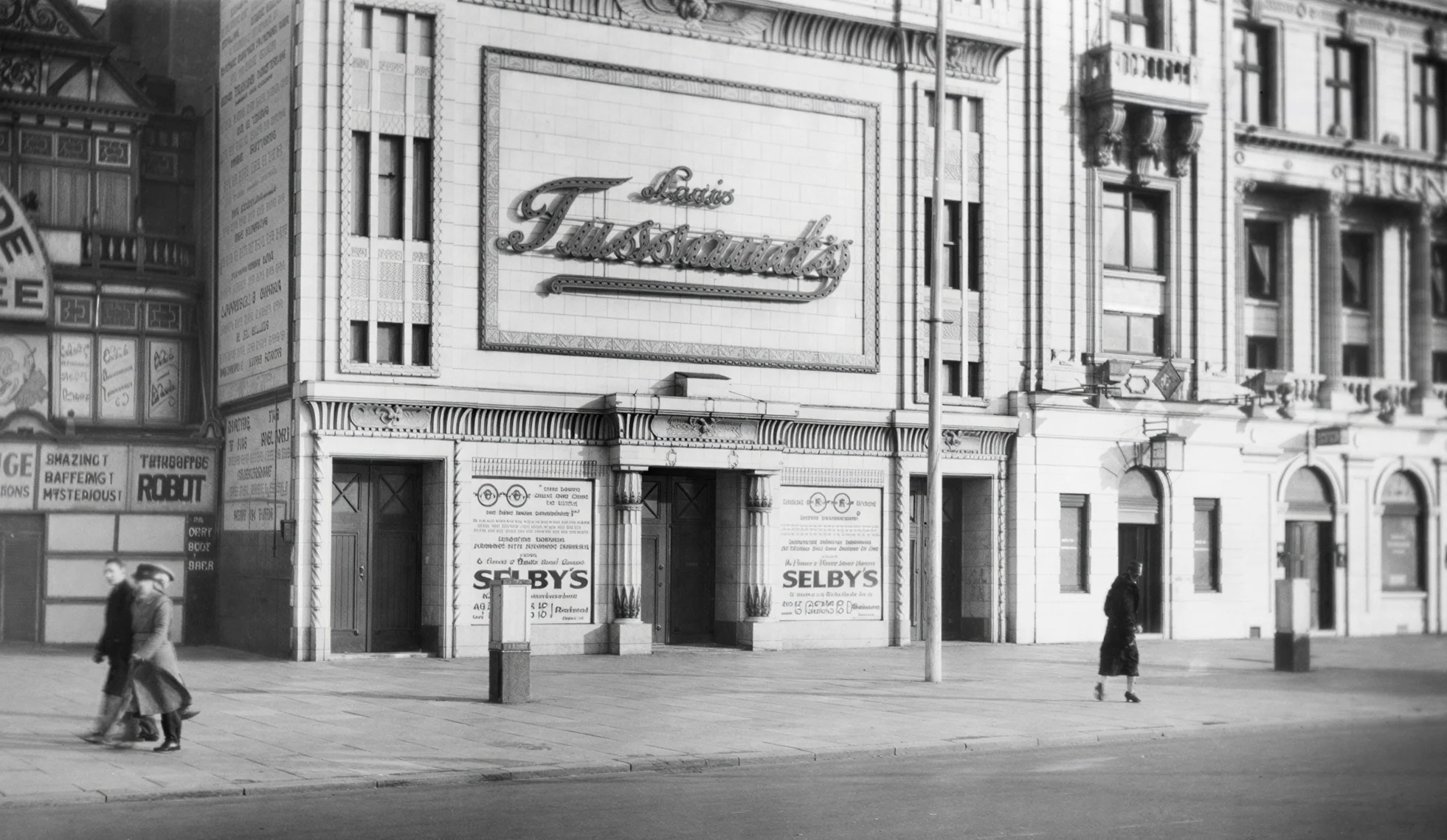
Tussauds Waxworks 18 February 1938
The attraction also became well known for its more dramatic exhibits. Chambers featuring notorious criminals, infamous historical figures and horror-themed displays offered an experience very different from the glamorous celebrity galleries. These sections became particularly popular with older visitors, adding an element of mystery and excitement to the museum. For countless families, a visit to Louis Tussaud’s became a traditional part of a Blackpool holiday. Before the age of digital photography, visitors queued to have their photographs taken beside lifelike wax figures of their favourite celebrities, creating souvenirs that remain treasured family memories today.
Throughout the twentieth century, Louis Tussaud’s became one of the Golden Mile’s longest-serving attractions. While many neighbouring amusements, theatres and exhibitions disappeared through redevelopment, the waxworks continued welcoming visitors by adapting to changing fashions and introducing new figures that reflected each generation’s heroes and celebrities. The museum finally closed its doors in 2010, bringing to an end more than a century of Louis Tussaud’s history in Blackpool. The following year, the building entered a new era when it reopened as Madame Tussauds Blackpool, bringing the Tussaud family story full circle by returning the famous name to the resort in a new form.
Although the original Louis Tussaud attraction no longer exists, its legacy remains an important part of Blackpool’s entertainment heritage. Beginning with a modest exhibition beneath the Hippodrome Theatre in 1900 and culminating in the iconic Promenade museum that entertained millions of visitors, Louis Tussaud’s demonstrated Blackpool’s enduring ability to combine innovation, spectacle and family entertainment. For more than one hundred years, it allowed holidaymakers to meet the world’s most famous faces without ever leaving the Fylde Coast, securing its place as one of the resort’s most memorable and enduring attractions.
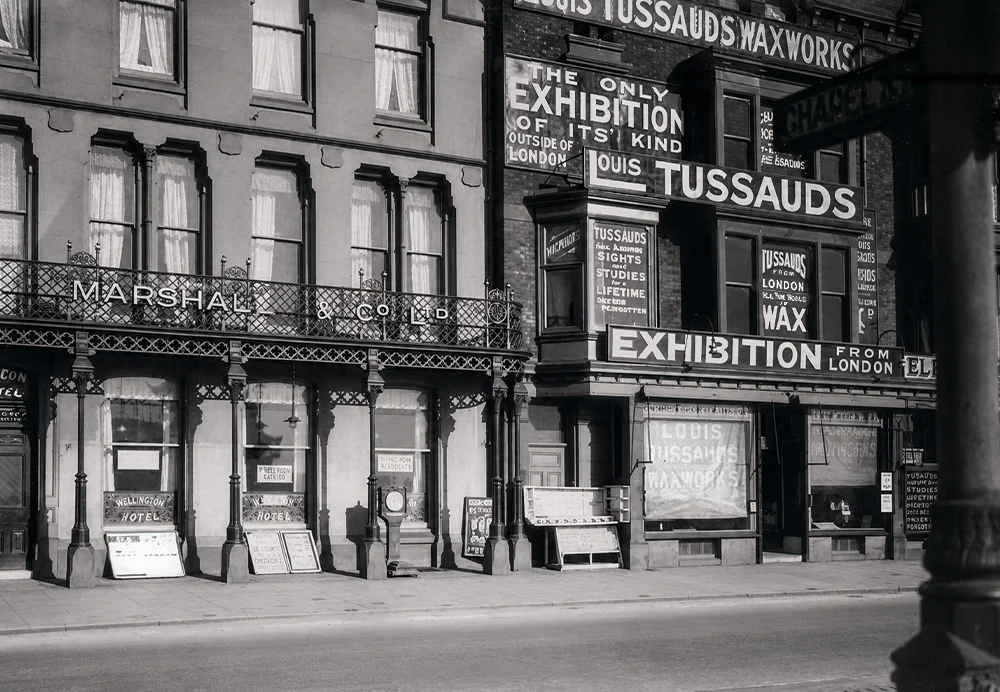
Louis Tussauds 24 April 1925
Images by © Blackpool Council/Planning Department Collection


