














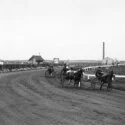

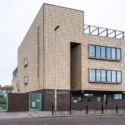




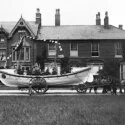


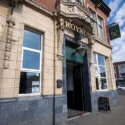









For more than half a century, the Lytham St Annes Civic Society has played a leading role in protecting, promoting and celebrating the architectural, environmental and historical heritage of Lytham and St Annes. Through conservation projects, historical research, educational activities and community involvement, the Society has become one of the Fylde Coast’s most respected heritage organisations. The Society was founded in 1966 by a group of local residents who recognised the importance of safeguarding the unique character of Lytham St Annes during a period of rapid development. Like many civic societies established throughout Britain during the 1960s, its aim was to encourage thoughtful planning, preserve historic buildings and ensure that future generations could continue to enjoy the area’s distinctive heritage.
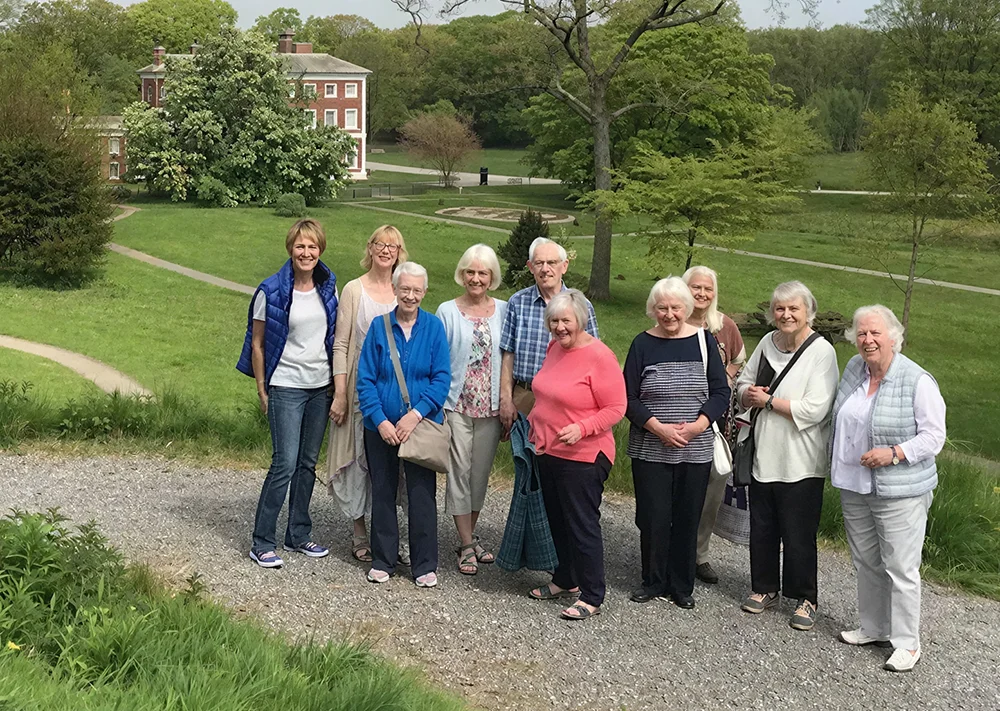 From its earliest years, the Society became actively involved in planning matters, commenting on proposed developments that could affect the town’s historic character. While supporting sensitive regeneration, it has consistently promoted the conservation of important buildings, green spaces and public amenities, helping to maintain the qualities that make Lytham St Annes one of Lancashire’s most attractive coastal communities. One of the Society’s best-known achievements has been its long-term stewardship of Witch Wood, the surviving remnant of the former Clifton Estate woodland. During the early 1970s, volunteers cleared decades of neglect, created woodland paths, planted new native trees and transformed the area into the peaceful public woodland enjoyed today. Officially opened by Prince Philip, Duke of Edinburgh, in 1974, Witch Wood remains one of the Society’s proudest conservation successes.
The Society has also been instrumental in preserving and interpreting many aspects of local history. Through publications, talks, guided walks and exhibitions, it has helped residents and visitors discover the rich heritage of Lytham, St Annes and the surrounding Fylde Coast. Subjects have ranged from Georgian Lytham and the Clifton family to Victorian tourism, wartime history, local architecture and notable residents. Education has always formed an important part of the Society’s work. Regular lectures by historians, archaeologists, architects and conservation specialists provide opportunities for members and the wider public to learn more about the area’s past. These events encourage a greater appreciation of the buildings, landscapes and stories that have shaped the community over many centuries.
 The Society also recognises excellence in architecture and conservation through its annual awards, celebrating high-quality restoration projects, sympathetic new developments and initiatives that enhance the appearance and character of the local area. By recognising best practice, it encourages property owners, businesses and developers to invest in preserving the town’s architectural heritage. Beyond conservation, the Society has supported numerous community projects aimed at improving public spaces and protecting the natural environment. Its members have contributed to tree planting, heritage interpretation, environmental improvements and campaigns to preserve significant landmarks that form part of the area’s identity.
One of the Society’s most significant recent achievements has been its involvement in the restoration of the historic Lytham Mussel Tanks. Originally constructed in the 1930s to support the town’s once-thriving mussel industry, the tanks had deteriorated for many years before a major conservation project secured their future. The Lytham St Annes Civic Society worked alongside local partners to promote the importance of preserving this unique piece of coastal heritage, helping ensure that one of the last surviving reminders of Lytham’s commercial fishing industry could be restored for future generations. Today, the Mussel Tanks stand not only as a reminder of the town’s maritime past but also as an example of how community organisations can play an important role in protecting local history.
Membership of the Society has always been open to anyone with an interest in the history, architecture and future of Lytham St Annes. Over the years it has brought together residents, historians, architects, planners, conservationists and local enthusiasts, all sharing a common goal of protecting the special character of the Fylde Coast. Today, the Lytham St Annes Civic Society continues to act as an important voice for heritage and conservation. While the towns continue to evolve, the Society works to ensure that change is balanced with respect for the area’s unique history, architectural quality and natural environment.
More than fifty years after its foundation, the Society remains committed to preserving the rich heritage of Lytham St Annes for future generations. Through the dedication of its volunteers and members, countless buildings, landscapes and historic features have been protected, allowing both residents and visitors to continue enjoying one of Lancashire’s finest coastal communities.
The Lytham St Annes Civic Society primarily holds its talks, AGMs, and public meetings at The Assembly Rooms on Dicconson Terrace in Lytham (FY8 5QT). They also occasionally host public consultation events and gatherings at the historic Lytham Institute (FY8 5PU) on Clifton Street.Depending on the time of year and the specific gathering, outdoor walks or site visits may also start at different locations across the area, such as the Lowther Pavilion Cafe or the RSPB centre.Would you like to know the date and topic of their next scheduled speaker event, or are you looking for details on how to join the society?
Images by © Lytham St Annes Civic Society


