



















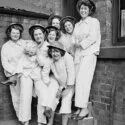





Long before the arrival of the famous holiday camp chains, Blackpool was already pioneering a new style of affordable seaside holiday. Among the earliest examples was Bispham Lodge Holiday Camp, a site that welcomed visitors decades before Butlin’s became a household name and helped shape the evolution of Britain’s family holiday. It’s origins began in 1907, when the former Bispham Lodge, a substantial Victorian house on the northern outskirts of Blackpool, was transformed into the Blackpool YMCA Holiday Home and Camp. Set within extensive grounds, the development provided accommodation inside the lodge for around 50 guests, while the surrounding fields could accommodate up to 500 campers, making it one of the earliest organised holiday camps on the Fylde Coast.
The camp was established with the aim of providing healthy, affordable holidays for young men and families. At a time when paid annual leave was still uncommon and many working people had limited opportunities to travel, Bispham Lodge offered visitors the chance to enjoy fresh sea air, outdoor recreation and the growing attractions of Blackpool without the expense of a hotel stay. Its location in Bispham provided an ideal setting. Visitors could enjoy the quieter northern coastline while remaining within easy reach of Blackpool’s expanding attractions, including the promenade, trams, theatres and, later, the iconic Blackpool Tower and Pleasure Beach.
Unlike many later commercial holiday camps, Bispham Lodge placed a strong emphasis on recreation and wellbeing. Organised sports, outdoor activities and social events encouraged guests to make the most of their surroundings, while the spacious grounds provided opportunities for camping, games and relaxation in the open air. As Blackpool’s popularity continued to grow during the early twentieth century, Bispham Lodge became part of a wider movement that transformed the British seaside holiday. Its success demonstrated the demand for organised holiday accommodation and helped pave the way for the larger holiday camp developments that emerged during the 1930s and beyond.
During the Second World War, the site was requisitioned for military use, reflecting the important role that many holiday camps and large residential properties played during the conflict. Following the war, the camp resumed its holiday function for a period, but changing tourism trends and increasing demand for residential accommodation gradually altered its future.
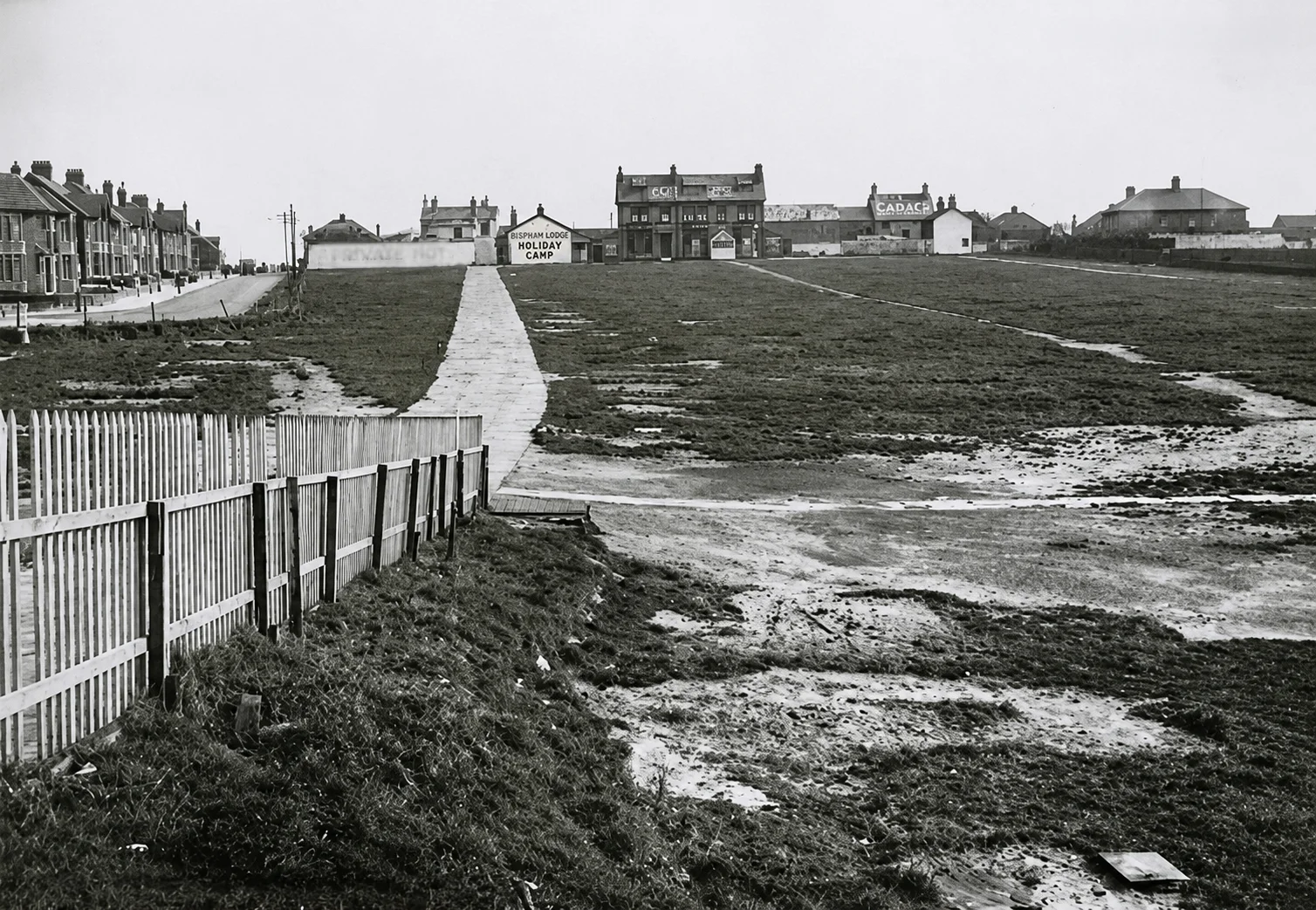 By 1954, Bispham Lodge had been converted into holiday flats, marking the end of its days as one of Blackpool’s earliest organised holiday camps. In later years, the buildings became residential accommodation, while the surrounding area continued to evolve with the expansion of Bispham and North Blackpool.
Although little remains to remind visitors of its pioneering role, Bispham Lodge occupies an important place in Blackpool’s tourism history. Opening nearly 30 years before Butlin’s first holiday camp at Skegness and long before the great post-war boom in package holidays, it demonstrated that organised holiday centres could offer an affordable and enjoyable alternative to traditional boarding houses.
Today, the story of Bispham Lodge serves as a reminder that Blackpool’s reputation as Britain’s favourite seaside resort was built not only on its famous attractions, but also on innovative places like this, which helped make holidays by the sea accessible to thousands of ordinary families during the early years of the twentieth century.
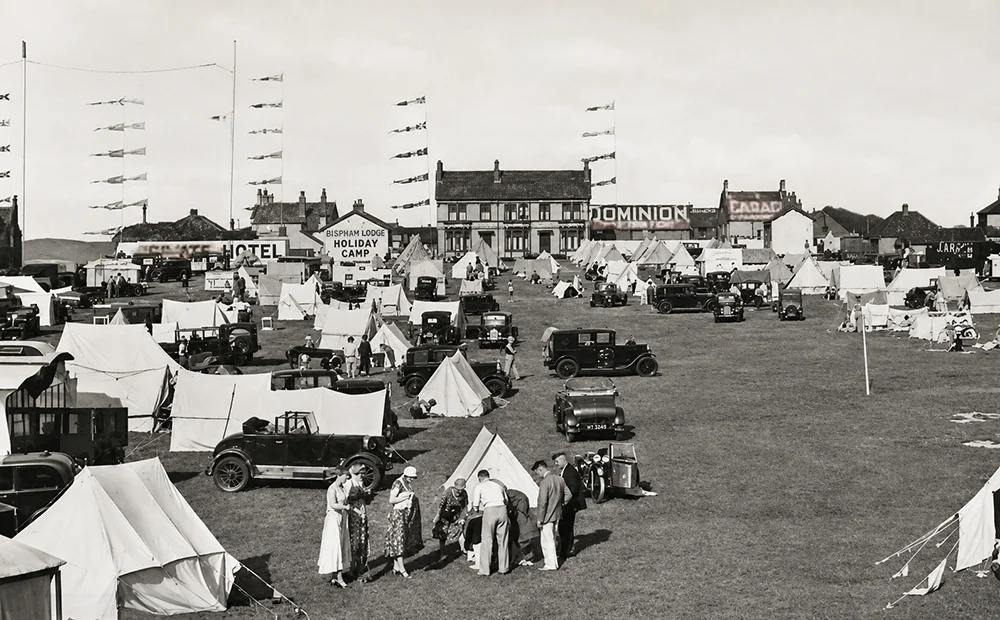
Featured Image © David Wall of Blackpool & Fylde COAST Past, Present and Future
Background Image © Blackpool Council/Planning Department Collection


