




















Long before Blackpool Pleasure Beach, the Golden Mile and the bustling South Promenade transformed the coastline, the Star Inn stood almost alone among the sand dunes overlooking the Irish Sea. For much of the nineteenth century it was one of Blackpool’s oldest and best-known public houses, serving local residents, fishermen, travellers and the growing number of visitors discovering the Lancashire coast.
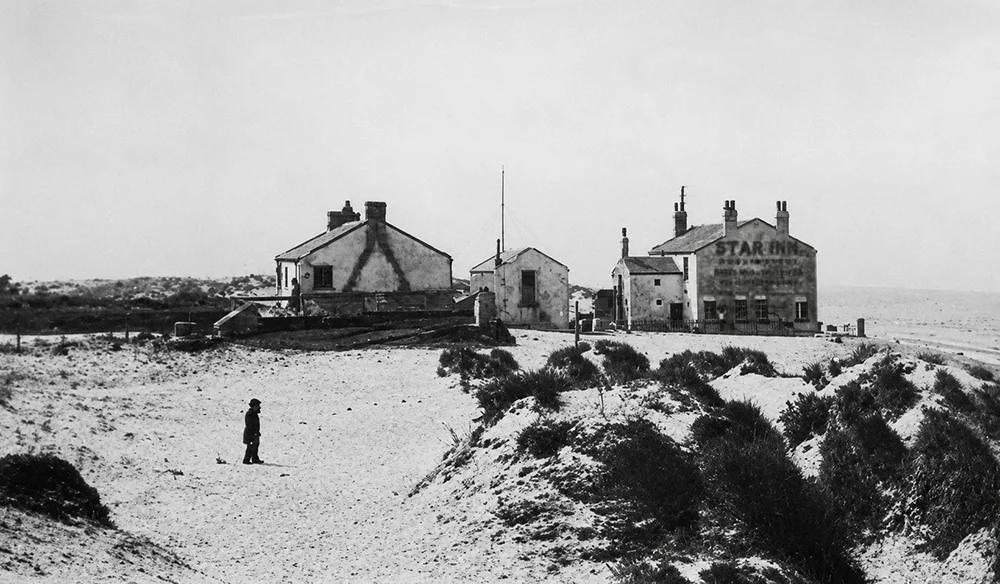
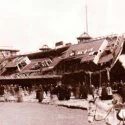
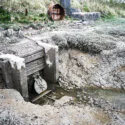
The Star In in 1880
By the 1890s, the Star Inn was a remote and traditional inn surrounded by open sand hills rather than amusement rides and hotels. Located close to the shoreline, it formed an important meeting place for the small South Shore community at a time when this part of Blackpool remained largely undeveloped. Historic photographs from the period show the inn standing in isolation, emphasising just how dramatically the area would change over the following decades. During this period the Star Inn was operated by Charles King Jr., under whose management it became far more than simply a public house. The inn served as the local headquarters of the Ancient Order of Druids, a friendly society that provided social support, charitable assistance and insurance benefits for its members. Meetings, celebrations and community events were regularly held there, making the Star Inn an important centre of local life.
The inn also has an unexpected connection with the history of English football. In 1883, Charles King Jr. leased a nearby field to a local football club for its matches. That club was Black Arabs FC, which later became Eastville Rovers before adopting the name Bristol Rovers Football Club in 1899. Although the club’s stay was brief, the Star Inn occupies a small but fascinating place in the early history of one of England’s oldest professional football clubs. As Blackpool entered the twentieth century, South Shore underwent enormous change. The opening of South Pier in 1893, followed by the rapid development of pleasure gardens and attractions that would eventually become Blackpool Pleasure Beach, transformed what had once been quiet dunes into one of Britain’s busiest entertainment districts. Despite the dramatic redevelopment around it, the Star Inn remained a familiar landmark for many years.
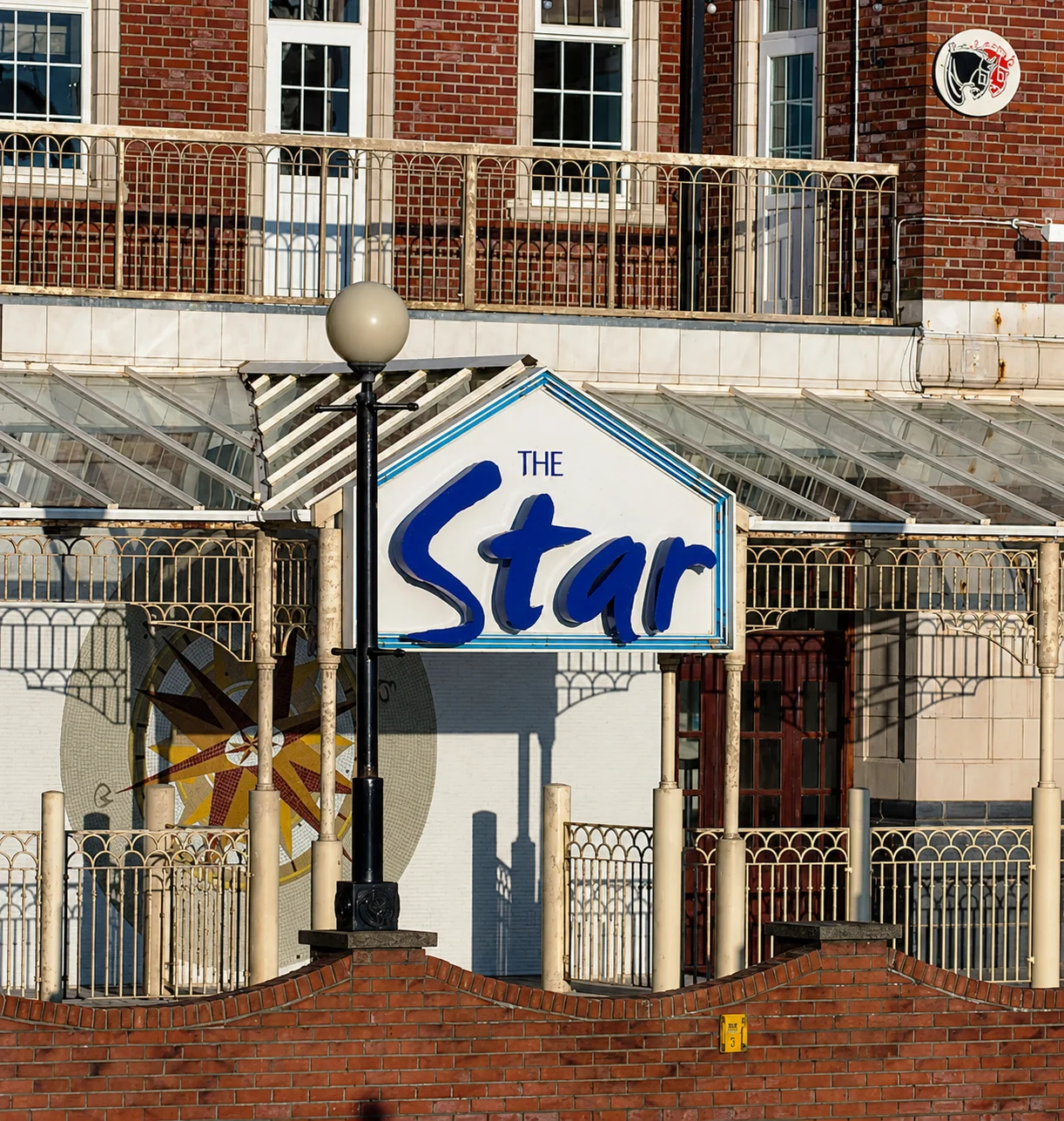
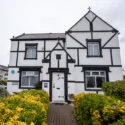
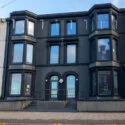
In the late 1920s, however, extensive improvements to Blackpool’s Promenade meant that the ageing building could no longer remain in its original position. As part of the road widening and seafront reconstruction works, the historic inn was demolished. In 1931, a new Star Inn was constructed a short distance inland. While architecturally very different from its predecessor, the replacement continued the name and traditions of the original, serving residents and visitors for many decades. It became a popular public house for people visiting South Shore and the Pleasure Beach, occupying a prominent position opposite one of Blackpool’s busiest tourist attractions.
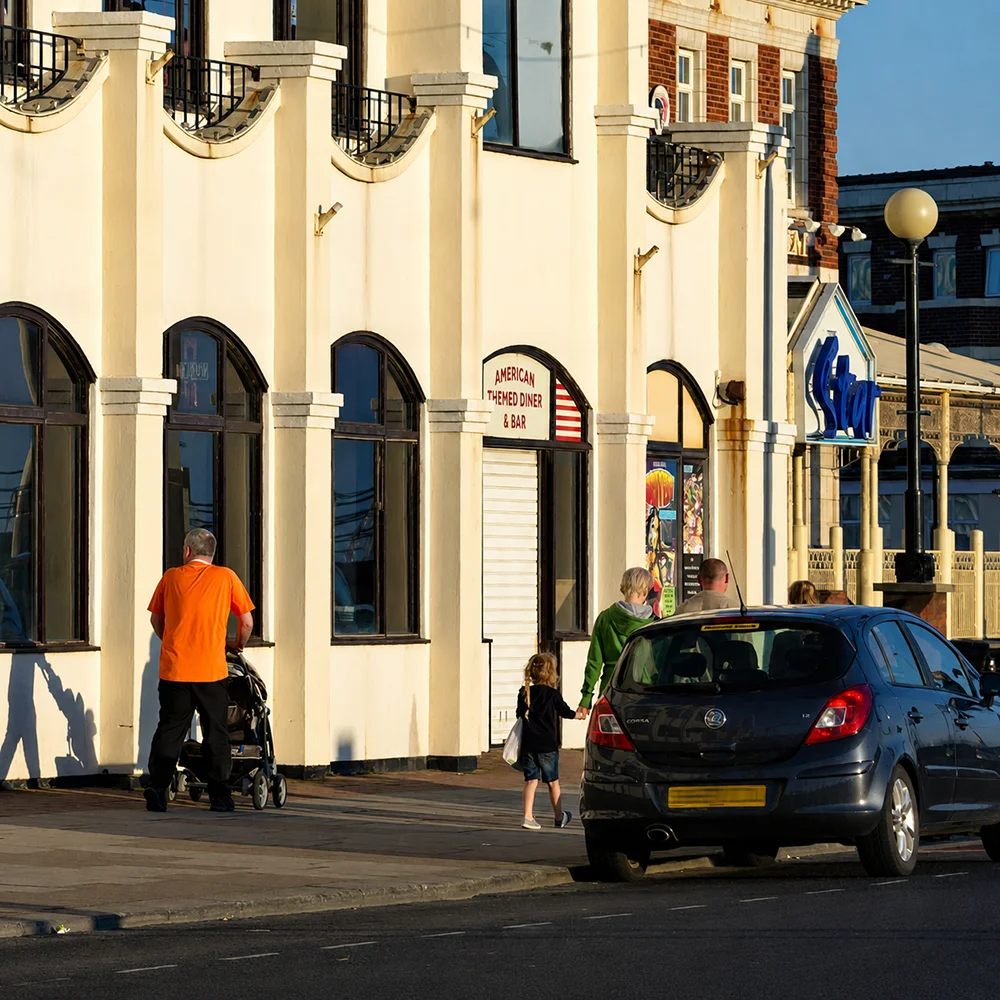
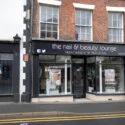
Coasters American Themed Diner to the left of The Star – 8 August 2012 © Alamy
The second Star Inn remained a familiar feature of Blackpool’s South Promenade throughout the twentieth century before eventually closing. In 2018, it too was demolished as part of the redevelopment of the area, making way for the construction of the Boulevard Hotel, which now occupies the site alongside Blackpool Pleasure Beach. Although neither building survives today, the Star Inn’s story spans more than a century of Blackpool’s remarkable transformation. It witnessed the evolution of South Shore from a quiet coastal landscape of sand dunes into one of Britain’s most famous tourist destinations. Along the way it served its local community, hosted one of the country’s oldest friendly societies, played a small but intriguing role in football history, and welcomed generations of visitors before finally disappearing from the Blackpool skyline.
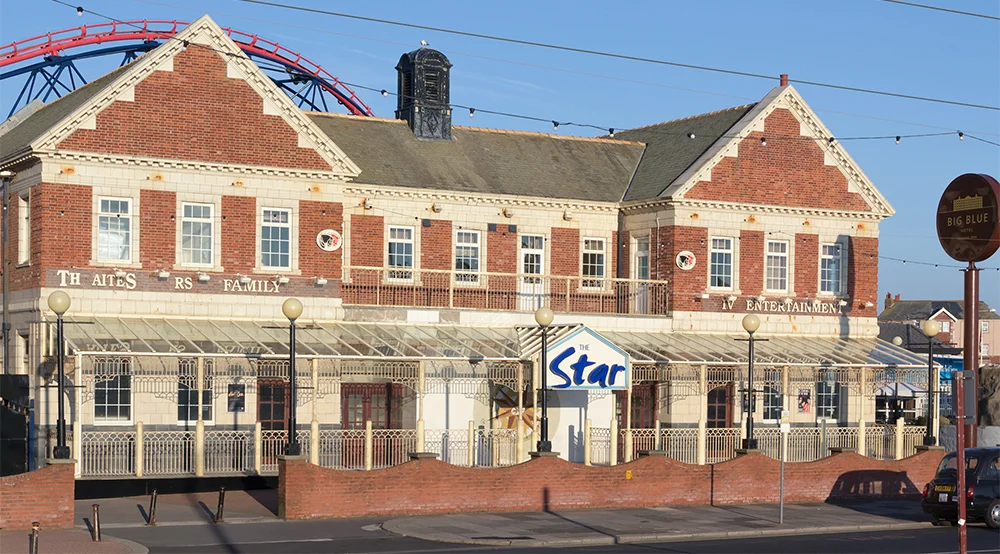
The Star, on the Prom next to the Pleasure Beach. 8 August 2012, Ocean Boulevard. © Alamy
Today, the Star Inn lives on through historic photographs and local memories, reminding us of a time when the windswept dunes of South Shore were home to little more than a solitary inn looking out across the Irish Sea. In its place now stands the Boulevard Hotel (sometimes called the BLVD Hotel).