












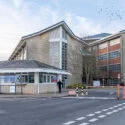

Bob Dylan will return to Blackpool Opera House on 30 November and 1 December 2026, thirteen years after his last appearances at the Winter Gardens. The two concerts will bring one of the most influential figures in modern music back to a stage that already holds a distinctive place in his long performing history.
Dylan’s previous visit came in November 2013, when he played three consecutive nights at the Opera House. The residency gave Blackpool an unusually prominent place in a British tour that included only a small number of extended engagements. For three evenings, audiences gathered inside the historic theatre to see an artist who had already spent more than half a century resisting the idea that his songs should remain fixed in the form in which they were first recorded. The performances drew from different periods of Dylan’s career, bringing together songs including Things Have Changed, She Belongs to Me, Tangled Up in Blue, Simple Twist of Fate and All Along the Watchtower with material from his then-recent album Tempest. Those expecting polished reproductions of familiar recordings instead encountered the restless approach that had long defined his concerts. Melodies shifted, arrangements changed and well-known lyrics emerged in unfamiliar settings as Dylan continued to reshape his work on stage.
The final evening, on 24 November 2013, gave Blackpool a particularly significant place in that continuing story. During the encore, Dylan performed Roll On John, his tribute to John Lennon, live for the first time. The song had appeared on Tempest the previous year but was performed in concert on only two known occasions, beginning at Blackpool Opera House and followed shortly afterwards by a second performance at the Royal Albert Hall. Its debut in Blackpool carried an added local resonance. Lennon had known the resort from childhood visits, while the Beatles later appeared at the Opera House during the height of their fame. Dylan’s tribute therefore arrived on a stage already connected with the musical generation to which both men belonged, creating an unexpected link between Blackpool’s entertainment history and one of the most important songwriting relationships of the twentieth century.
Much has changed since Dylan last walked onto the Opera House stage, but his determination to keep performing has remained constant. By the time he returns in 2026, more than sixty years will have passed since the release of his first album. During that period, his work has moved through folk, blues, rock, country and gospel, influencing generations of songwriters while repeatedly escaping the labels placed upon it.
His later career has not been built solely around his celebrated recordings of the 1960s. The release of Rough and Rowdy Ways in 2020 began another important chapter, followed by years of performances in which newer compositions stood alongside older songs that continued to change in arrangement and character. That unpredictability remains central to the experience of seeing Dylan live. A familiar title does not necessarily mean a familiar performance, and the songs often appear as living works rather than preserved pieces of popular history. That quality makes his return to Blackpool more than a conventional nostalgia concert. The audience will be seeing the same artist who occupied the Opera House for three nights in 2013, but not a performance designed to reproduce those evenings. Dylan’s concerts have always reflected the particular moment in which they take place, and the forthcoming Blackpool appearances will add two new chapters to an association that already includes one of the rarest performances of his later career.
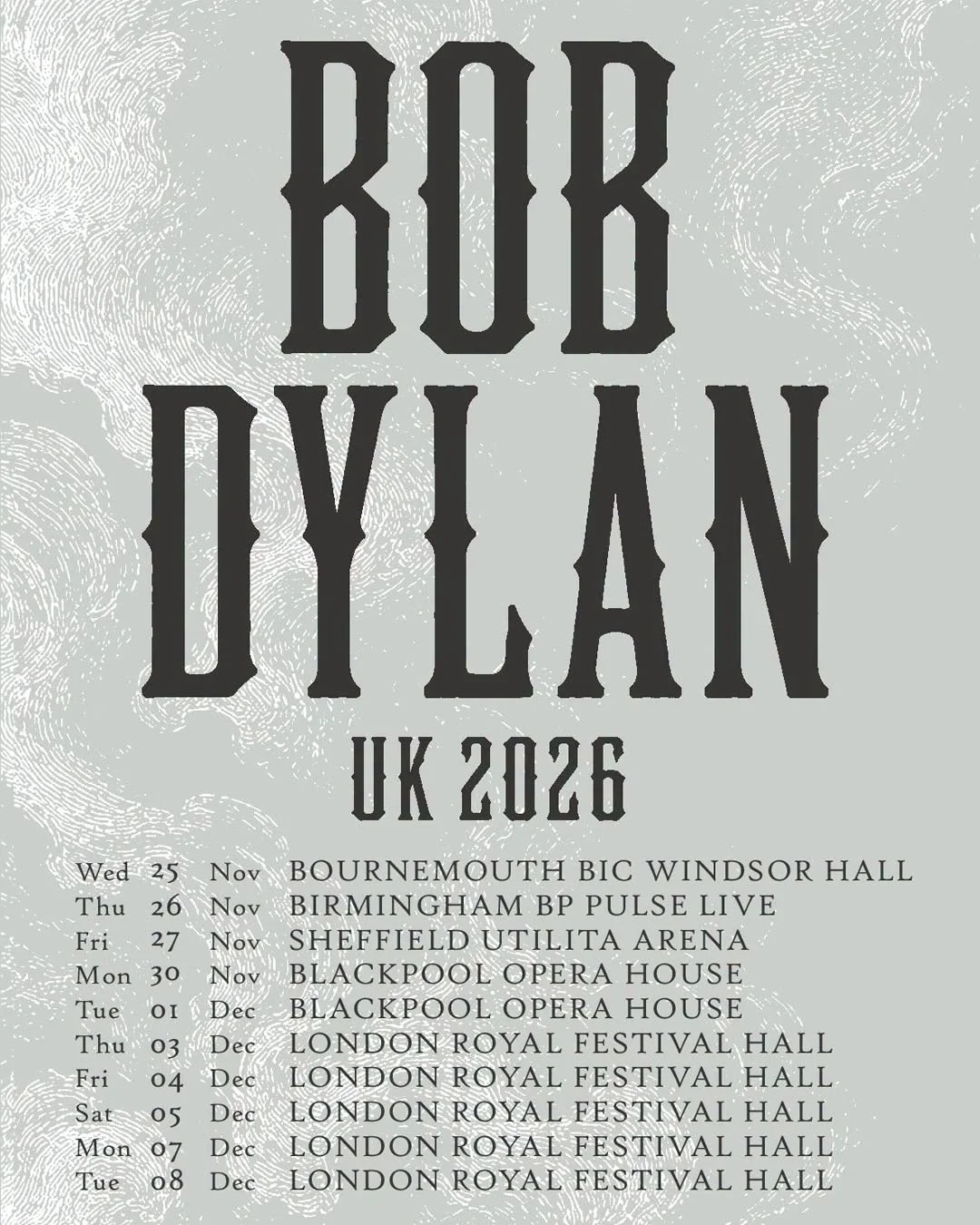
The concerts will form part of a short British tour beginning in Bournemouth before travelling through Birmingham and Sheffield. After leaving Blackpool, Dylan will conclude the tour with five performances at London’s Royal Festival Hall. Blackpool is therefore one of only a handful of British towns and cities included, and one of only two places on the tour to receive more than a single evening. Both Opera House performances will also be phone-free. Audience members will be asked to secure telephones and cameras in locked pouches while inside the auditorium, allowing the concerts to unfold without screens being held above the crowd or recordings being made throughout the performance. The arrangement will create an atmosphere closer to that experienced during Dylan’s earlier decades on the road, when the evening existed primarily in the memories of those who attended.
When Bob Dylan returns on 30 November and 1 December 2026, he will be revisiting a venue where his music once produced an unexpected moment of history. The three-night residency of 2013 has become part of Blackpool’s musical record, not simply because Dylan appeared there, but because the Opera House witnessed the first live performance of Roll On John. Thirteen years later, two further concerts will extend that connection and give Blackpool audiences another rare opportunity to experience an artist who has spent his career ensuring that no performance is ever quite repeated.
The dates and venue are confirmed by Winter Gardens Blackpool and Bob Dylan’s official tour listings. His three Blackpool concerts in November 2013 appear in the official Dylan performance archive, while contemporary reporting recorded the Blackpool debut of Roll On John.
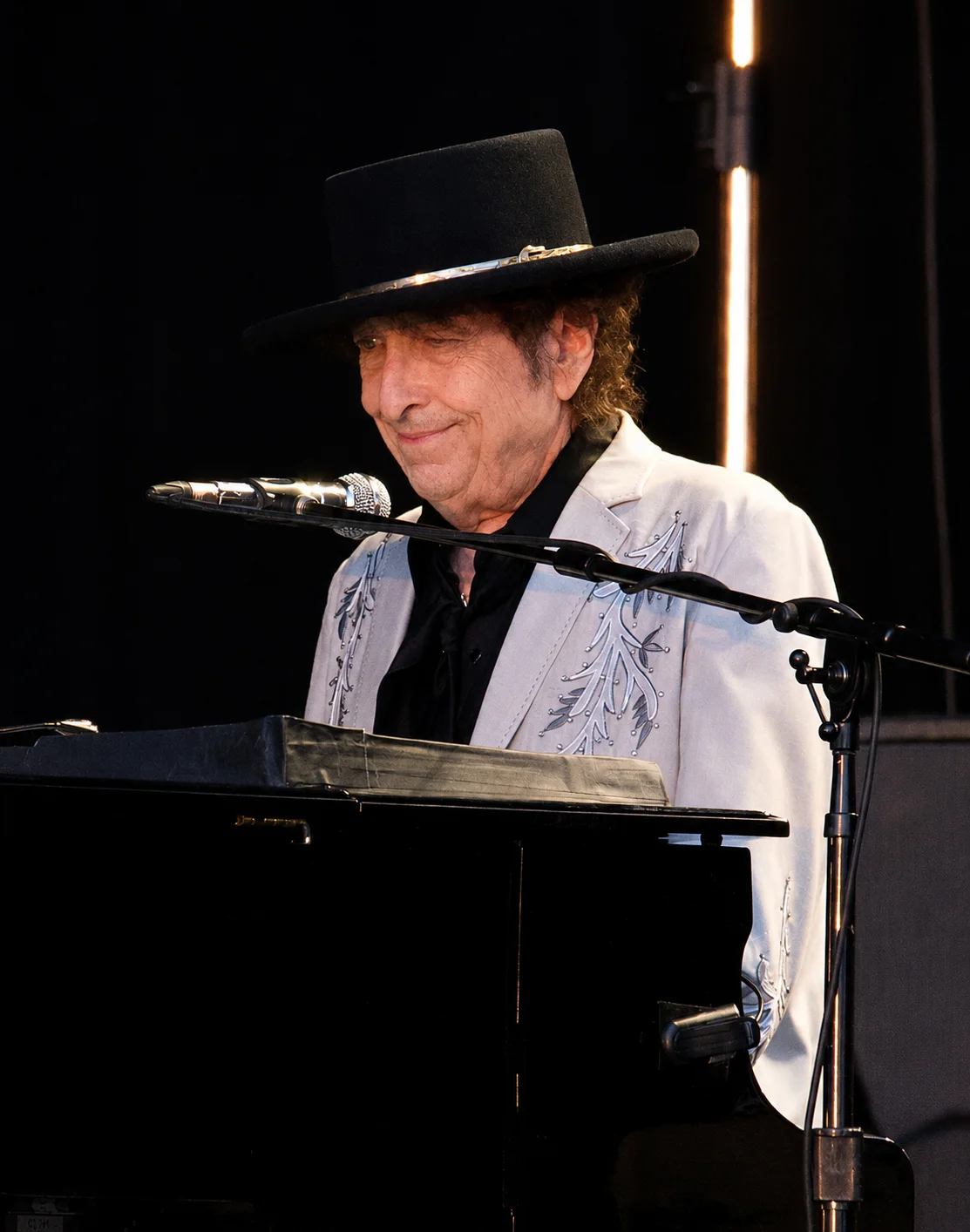
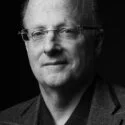
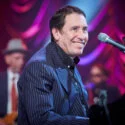
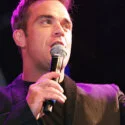
File photo dated 12/07/19 of singer-songwriter Bob Dylan who is to embark on a UK tour, which includes five dates in London. The 85-year-old, who is one of the best selling musicians of all-time, will also perform two dates at Blackpool Opera House, along with gigs at Sheffield’s Utilita Arena, Birmingham’s BP Pulse Live and Bournemouth’s BIC Windsor Hall – with the London concerts taking place at the Royal Festival Hall.
Featured Image © Alamy
Background Image © Deeper Blue Marketing & Design Ltd


