



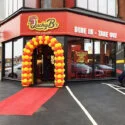
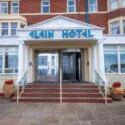







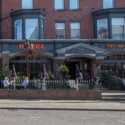




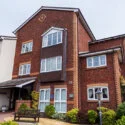


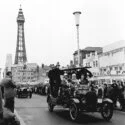


The Lyndene Hotel on Blackpool’s Promenade has stood as part of the town’s seafront hospitality landscape for well over a century, its history reflecting the broader story of Blackpool’s rise as Britain’s most famous seaside resort.
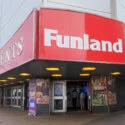
Situated at 303–315 Promenade along the Golden Mile, the hotel occupies a prime sea-facing position within easy walking distance of the Blackpool Tower, Central Pier, the Winter Gardens and the resort’s main shopping and entertainment district. This central location has long made it attractive to visitors wanting both convenience and coastal views.
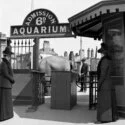
While the precise date the building first opened as a named hotel is not widely documented in published sources, records from trade directories and census material indicate that the site was operating as visitor accommodation by the late nineteenth century. In the late Victorian and early Edwardian era — roughly the late 1890s to around 1905 — the address appears in directories under generic descriptions such as “Promenade Boarding House” or “Private Hotel,” often identified by the proprietor’s surname rather than a distinctive brand name. This was common practice at a time when many seaside lodging houses were family-run and listed simply by address.
By the early twentieth century, around 1905 onwards, the name “Lyndene House” or “Lyndene Boarding House” begins to appear in accommodation listings. This reflects a shift in marketing, as seaside establishments increasingly adopted distinctive names to stand out in a competitive holiday market. From approximately 1905 through the 1920s, the Lyndene name becomes more consistently associated with the address.
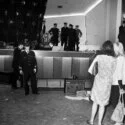
By the 1930s, directories and tourist guides were referring to the property as the Lyndene Hotel, and it continued under that name throughout the post-war holiday boom. During the inter-war and post-war decades, the hotel would have welcomed families arriving by train for traditional week-long holidays, complete with full board, communal dining rooms and organised evening entertainment.
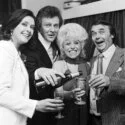
As coach holidays became more popular from the 1960s onwards, the Lyndene adapted by strengthening its entertainment offering. Live singers, cabaret acts and tribute performances became part of the experience, reflecting Blackpool’s long-standing tradition of combining accommodation with showbusiness. Over time, the hotel became known not just as a place to stay, but as a venue offering nightly performances in keeping with the resort’s entertainment-led identity.
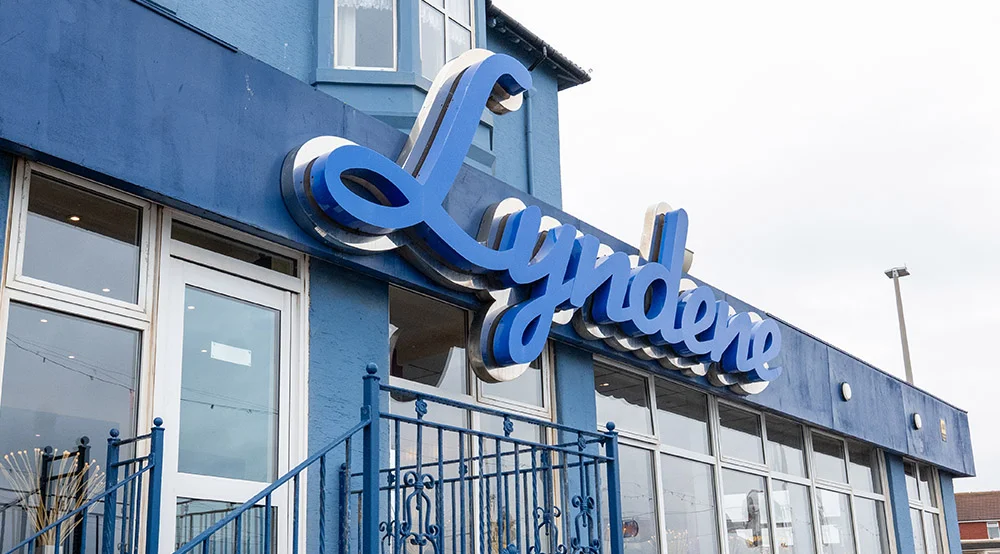
The Lyndene also occupies a small but memorable place in British television history. During the original broadcast of Peter Kay’s comedy series Phoenix Nights in 2001 and 2002, the hotel’s Promenade façade was used as the exterior of the fictional working men’s club “Le Ponderosa,” owned by Brian Potter. Although interior scenes were filmed elsewhere, the building’s frontage became permanently linked in the minds of viewers with the cult sitcom.
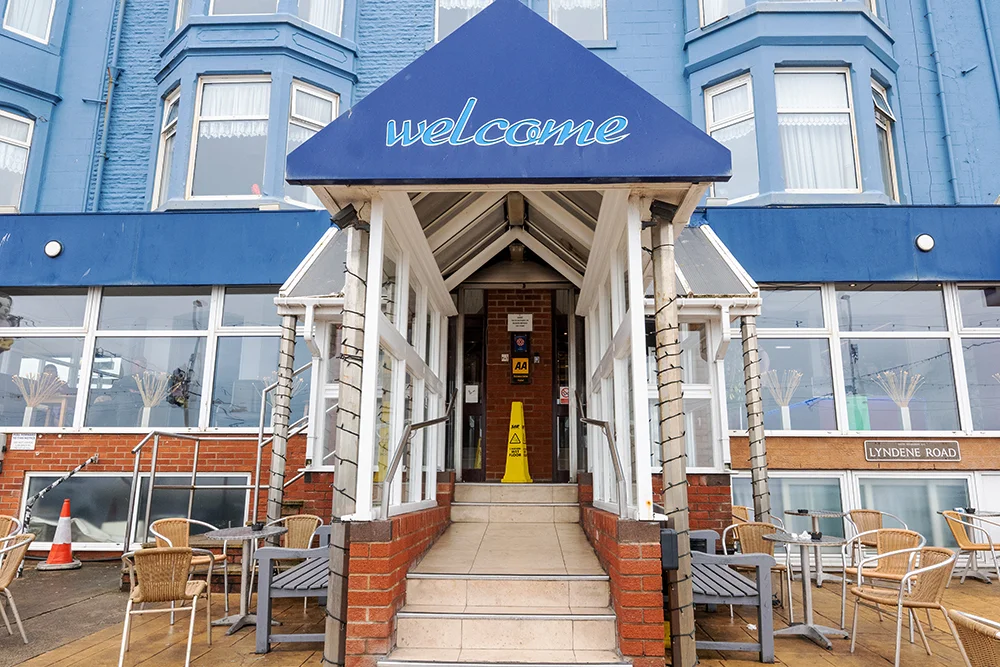 Like many large Promenade hotels, the Lyndene has experienced changes in ownership and branding in response to shifting tourism patterns and economic pressures. Yet its continued presence on one of Blackpool’s most recognisable stretches of seafront means it remains part of the town’s evolving hospitality story.
From Victorian boarding house to branded seaside hotel, from railway excursion era to coach tours and television fame, the history of the Lyndene mirrors the wider transformation of Blackpool itself — a resort built on reinvention, entertainment and enduring appeal.
Images by © Deeper Blue Marketing & Design Ltd


