



































Financial backing for the first stage of regeneration was secured in March 2024, when Blackpool received £90.4 million in government funding. Blackpool Council has set out an ambitious long-term strategy to transform parts of inner Blackpool through a comprehensive housing regeneration programme expected to span at least 15 years. The initiative aims to raise housing standards, enhance green infrastructure and reshape neighbourhoods to create more sustainable and attractive places to live, while supporting broader economic renewal across central areas of the town.
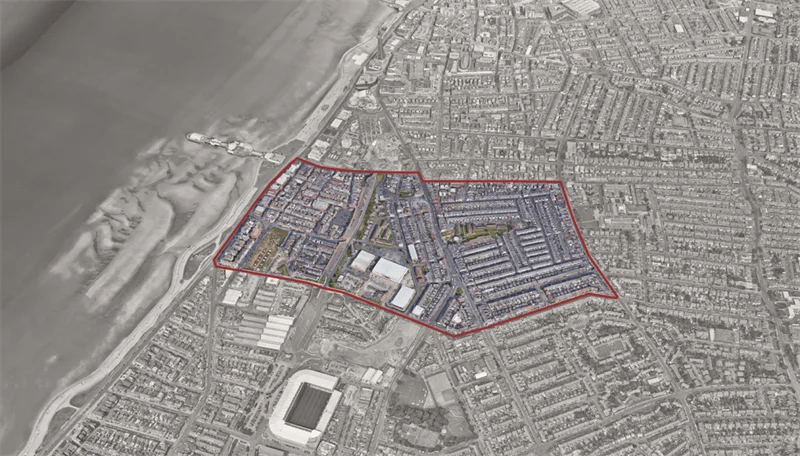
The Central Housing Regeneration Area Framework, originally approved in December 2024, provides the blueprint for this transformation. The document is designed to guide future development, strengthen funding bids and attract private investment into some of Blackpool’s most densely populated neighbourhoods. It aligns with objectives outlined in both the council plan and local plan, which identify the urgent need to improve the built environment in inner Blackpool.
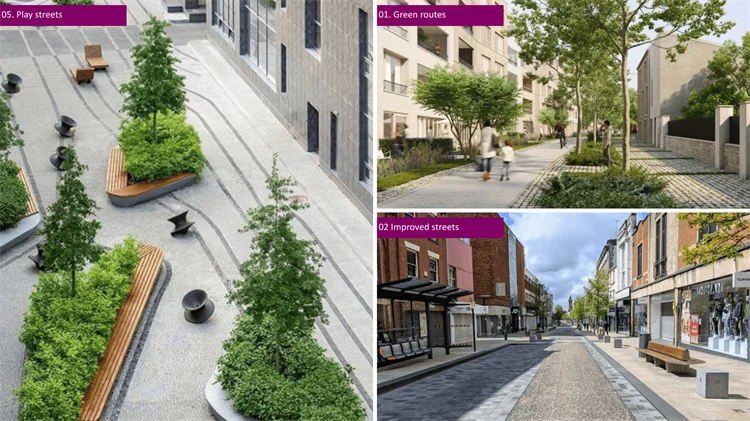
Under the framework, a range of interventions are proposed. These include stronger enforcement against poor-quality private rented housing, selective acquisition and demolition of outdated properties, refurbishment schemes, energy efficiency upgrades and the creation of additional green spaces. Street greening, redesigned public areas and upgraded play facilities are also central components of the long-term vision.
Extensive consultation has already taken place throughout 2025, involving online surveys, focus groups, drop-in sessions and popup events. Feedback gathered during the spring indicated that while many residents were aware of regeneration ambitions in general, fewer were familiar with the framework itself. Around 71 per cent of respondents expressed support for the regeneration proposals. Key priorities highlighted by residents included improved housing quality, more green space and significant improvements to Central Drive.
Further consultation in September 2025 reinforced support for both new-build homes and the refurbishment of existing properties. Residents also called for a broader mix of affordable housing options, including rent-to-buy schemes, alongside stronger neighbourhood management, additional private gardens and better maintained public areas.
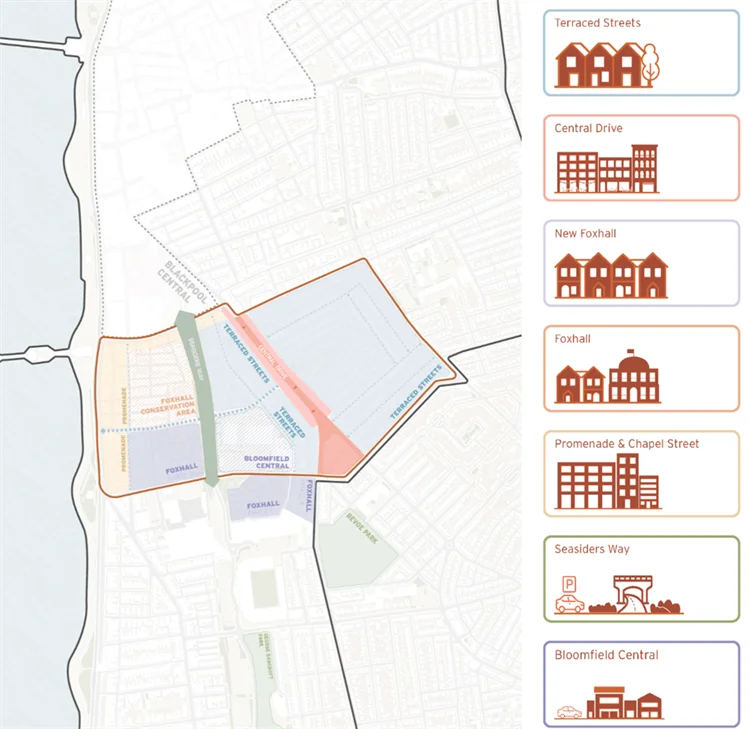
The regeneration area has been divided into distinct character zones, including terraced streets, Central Drive, Foxhall, the promenade frontage and Seasiders Way. The council has stated that each zone will be treated according to its specific character and primary function rather than applying a uniform redevelopment model. The overarching goal is to create a vibrant and sustainable neighbourhood that celebrates Blackpool’s heritage while delivering high-quality homes suited to modern living.
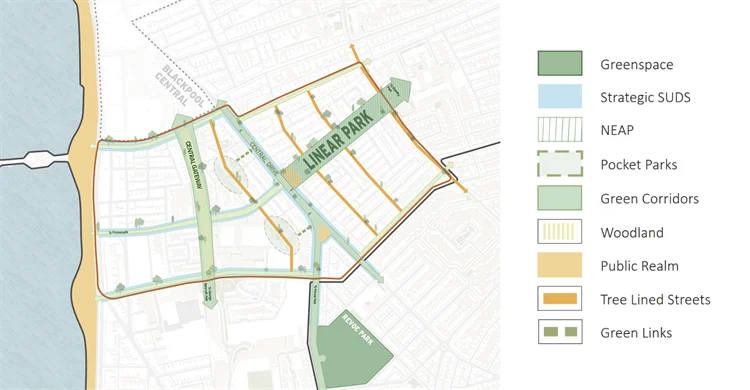
A significant focus of the framework is green infrastructure. Inner Blackpool currently has limited access to parkland and public open space. Proposals include the development of a new linear park linking Park Road and Central Drive, alongside tree-lined streets, enhanced biodiversity, new play areas and community meeting spaces. Plans also aim to better connect existing green areas through improved walking and cycling routes.
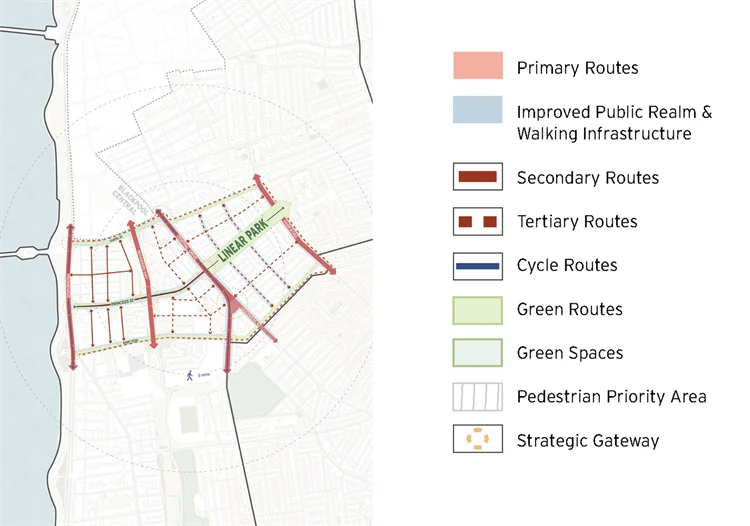
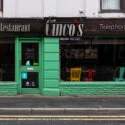
Central Drive has been identified as a key transformation zone. Although parts of it are designated as a local centre intended to support shops, cafés and community uses, surveys show that many businesses currently operate from converted houses rather than purpose-built premises. Approximately 30 per cent of ground-floor units cater for everyday local needs, a similar proportion attract visitors from outside the area, and around 30 per cent were recorded as vacant. The council’s long-term ambition is to redevelop Central Drive into a modern local centre featuring new retail units, cafés, apartments, improved public seating, upgraded pavements and landscaping, and space for community events.
Financial backing for the first stage of regeneration was secured in March 2024, when Blackpool received £90.4 million in government funding. This allocation will support property acquisition, demolition and redevelopment within selected parts of central Blackpool. In March 2025, the council approved the initial acquisition boundary and notified affected residents directly. Early activity focuses on acquiring properties, engaging with occupiers and undertaking detailed masterplanning prior to redevelopment. Over time, acquired properties are expected to be demolished and replaced with new housing integrated with improved public and green spaces. Beyond the confirmed first phase, no additional funding has yet been secured for later stages of the broader framework.
Taken together, the regeneration programme represents one of the most significant housing interventions seen in central Blackpool for decades. While delivery will unfold over many years, the framework sets out a structured plan to reshape inner neighbourhoods, improve living conditions and support the town’s long-term economic resilience.
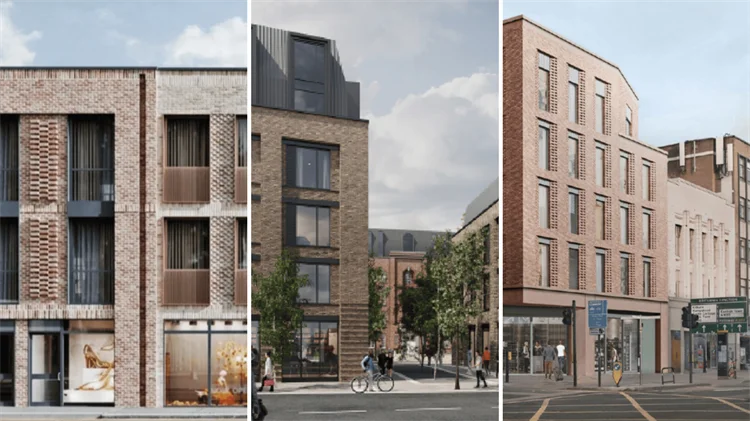
Concept art to showcase being able to create a high-quality area on Central Drive which could have shops, cafes, restaurants and other businesses as well as community facilities, open spaces and apartments.
Images by © Blackpool Council


