

























Freckleton’s recorded history stretches back almost a thousand years, with the village appearing in the Domesday Book of 1086, one of England’s most important historical records. Commissioned by William I, better known as William the Conqueror, the survey was undertaken twenty years after the Norman Conquest to record land ownership, population, resources and taxable wealth throughout much of England. Its purpose was to establish a detailed picture of the kingdom, enabling the Crown to administer taxation and control its newly conquered territories more effectively. In the Domesday Book, Freckleton was recorded as Frecheltun, a name derived from the Old English words freca, meaning a bold or courageous person, and tūn, meaning a farmstead or settlement. The name has gradually evolved over the centuries, eventually becoming the modern-day Freckleton, but it still reflects the village’s Anglo-Saxon origins.
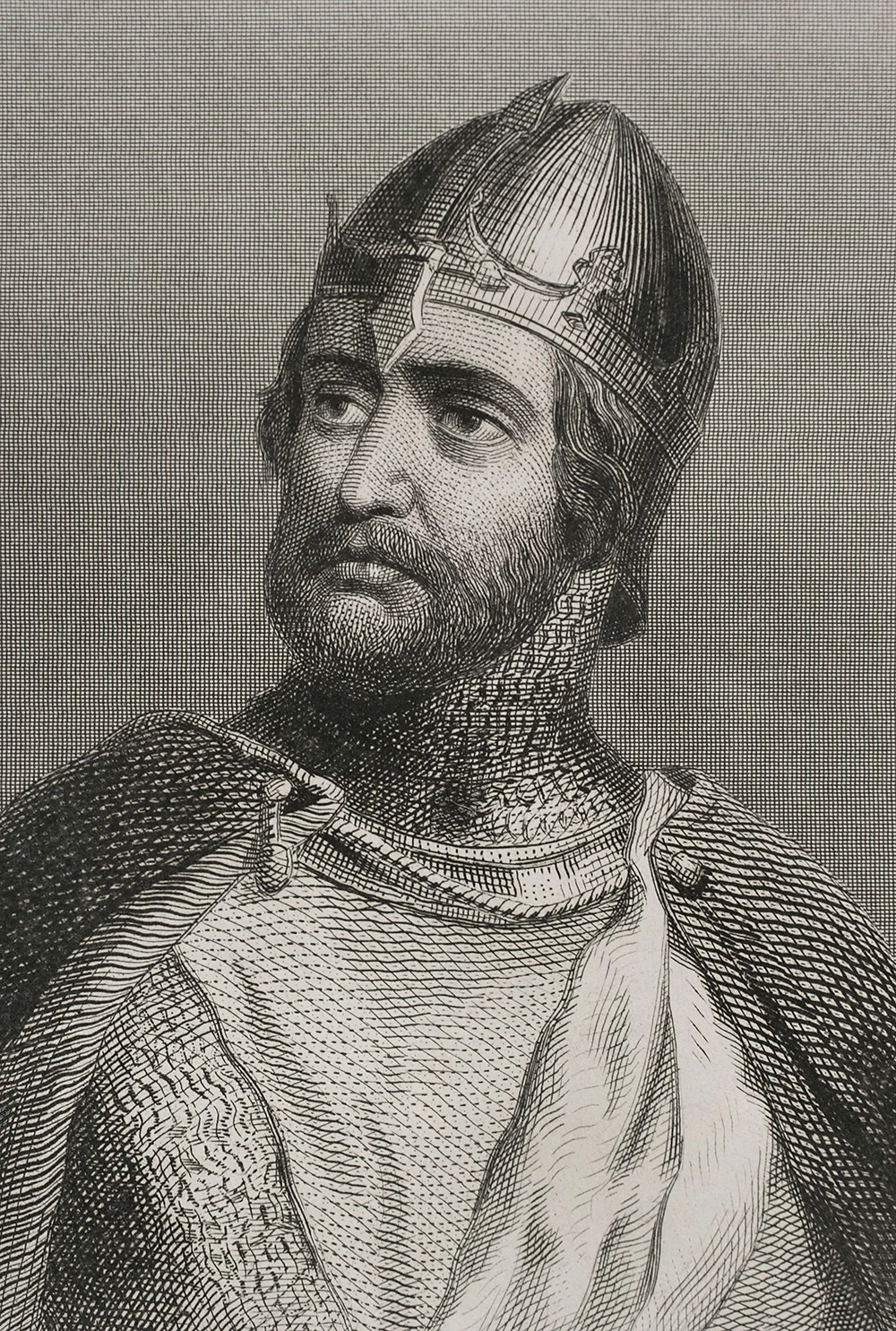
William I the Conqueror (1028-1087). First king of England from Norman origin. Portrait. Engraving by Geoffroy. Historia Universal, by Cesar Cantu. Volume VIII. 1858. © Alamy
At the time of the survey, Freckleton formed part of the Hundred of Amounderness, an administrative division covering much of what is now the Fylde Coast. Before the Norman Conquest, the manor had been held by the Anglo-Saxon landowner Earl Tostig Godwinson, brother of King Harold II. Following Harold’s defeat at the Battle of Hastings in 1066, ownership passed to Roger of Poitou, one of William the Conqueror’s most influential Norman barons, who was granted extensive lands across Lancashire as part of the redistribution of English estates. The Domesday entry reveals that Freckleton was a small agricultural settlement whose economy depended largely upon farming. Like many communities across medieval Lancashire, its wealth was measured not in buildings or population alone but in the value of its cultivated land, meadow and natural resources. The survey provides a valuable snapshot of village life during the late eleventh century, illustrating how rural settlements contributed to the wider economy of Norman England.
Although the Domesday Book offers only a brief description of Freckleton, its inclusion demonstrates that the settlement was already well established by the end of the eleventh century. The village itself is considerably older than the survey suggests, having almost certainly developed during the Anglo-Saxon period and possibly earlier. Archaeological discoveries in the surrounding area indicate that people had occupied the Fylde for thousands of years before the Domesday commissioners arrived. Today, the Domesday Book remains one of the most significant documentary sources for understanding England’s medieval landscape. Freckleton’s appearance within its pages provides the earliest surviving written record of the village and marks an important milestone in its long history. More than 900 years later, the entry continues to connect modern Freckleton with the formative years of Norman England, offering a remarkable glimpse into the origins of one of the Fylde Coast’s oldest recorded communities.
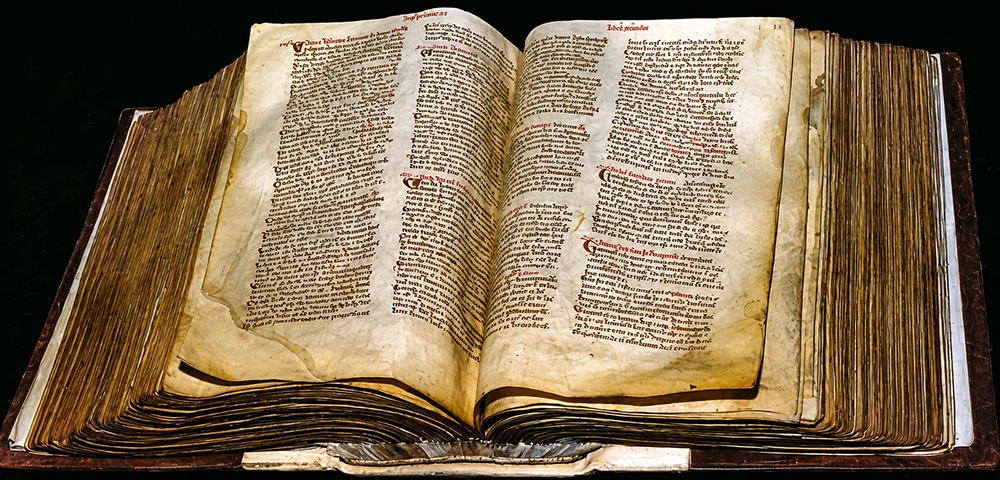
Featured Image © Mark CartwrightCreative Commons Attribution
Background Image © Alamy


