






























Tucked away alongside the railway line between Lytham and Ansdell lies one of the Fylde Coast’s best-kept secrets. Known as Witch Wood, this peaceful strip of ancient woodland is a haven for wildlife, walkers and history enthusiasts, but it is also home to one of the area’s most curious local legends. Despite its mysterious name, Witch Wood has no connection with witchcraft, trials or folklore about supernatural beings. Instead, its name comes from a much-loved horse called The Witch, owned by the Clifton family of Lytham Hall.
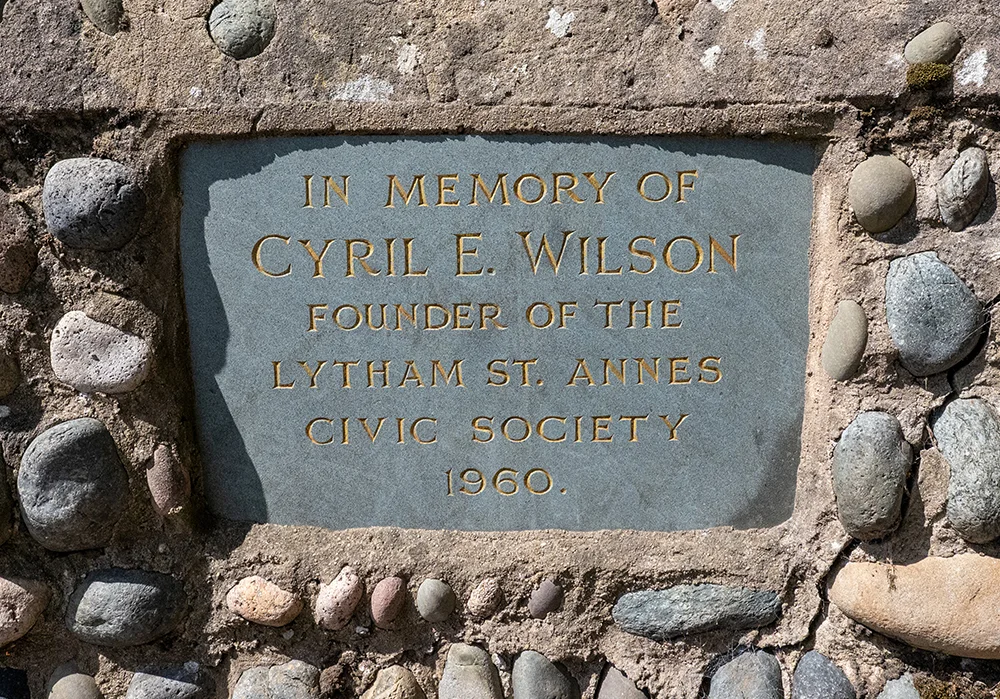
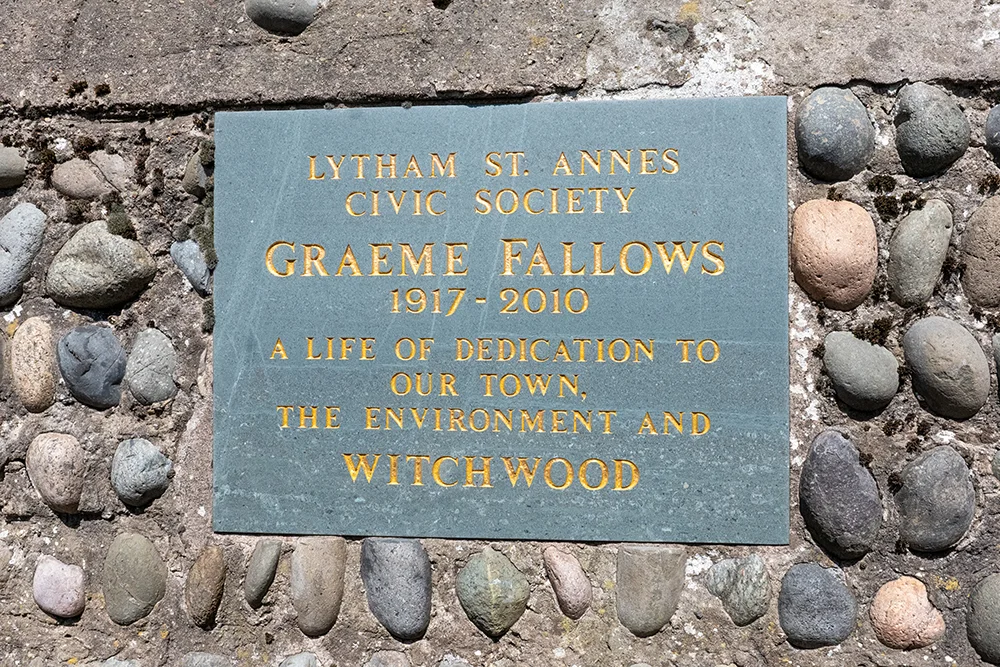 Witch Wood is all that remains of what was once known as The Big Wood, a much larger belt of woodland that formed the western and southern boundary of the historic Lytham Hall estate. For centuries, the woodland was part of the extensive Clifton estate, providing shelter, timber and a natural boundary around the Hall’s parkland. As the town of Lytham expanded during the nineteenth and twentieth centuries, much of the woodland disappeared beneath new housing and development, leaving behind the narrow strip that survives today. The story behind the woodland’s unusual name dates to 5 January 1888. The Clifton family’s favourite horse, The Witch, suffered a fatal accident within the wood. Rather than burying the horse elsewhere on the estate, it was laid to rest where it fell, and a simple stone was placed above the grave.
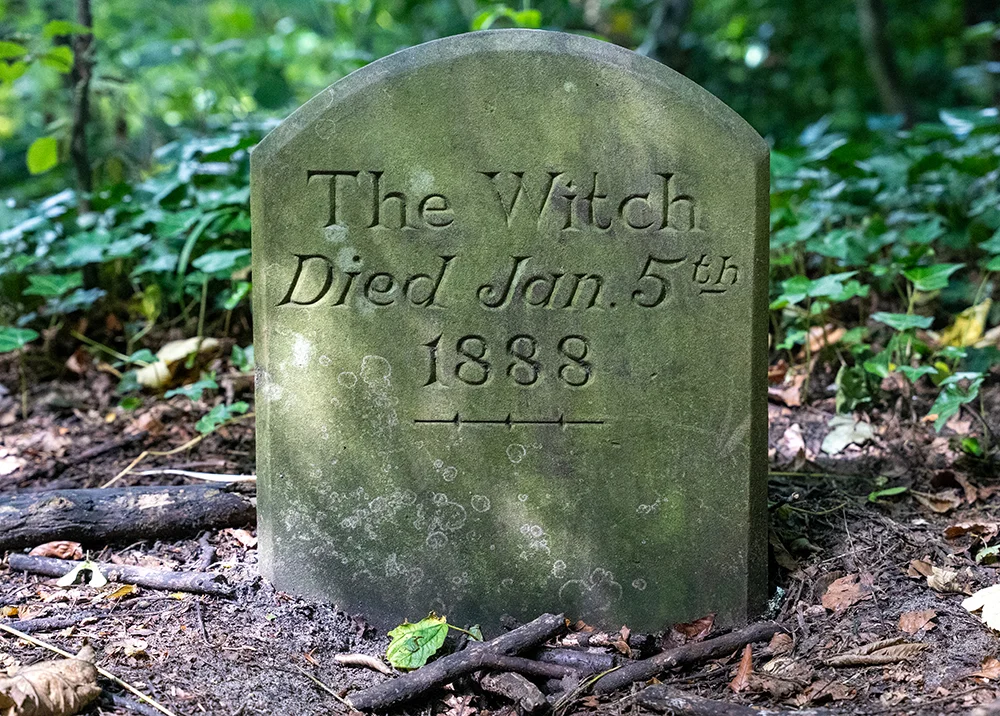 More than 135 years later, that modest gravestone can still be found hidden among the trees. It bears the simple inscription:
“The Witch – Died Jan. 5th 1888.”
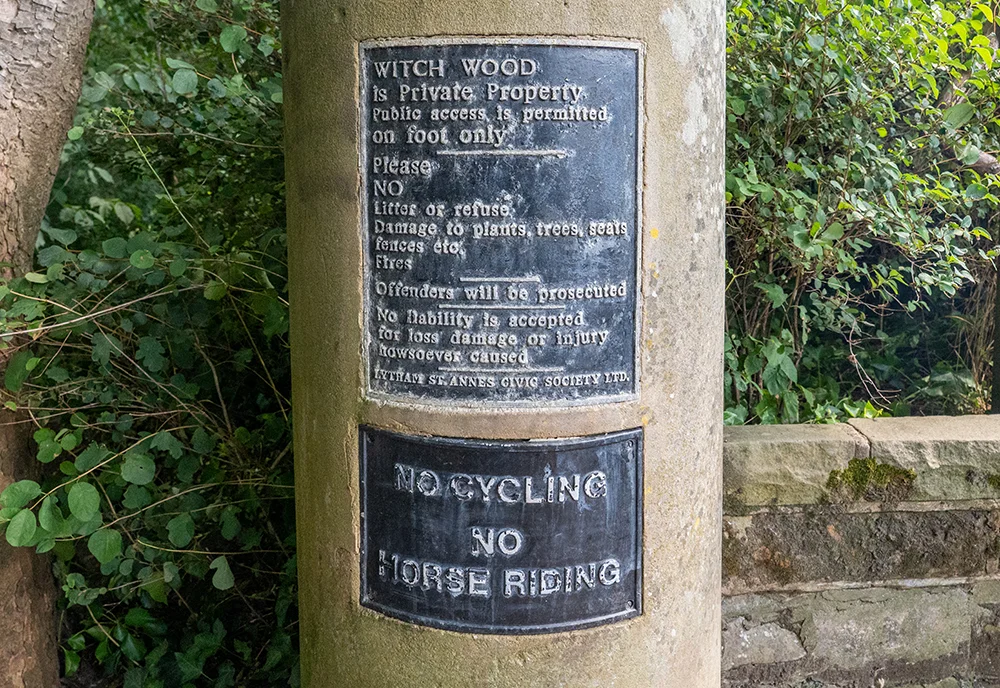
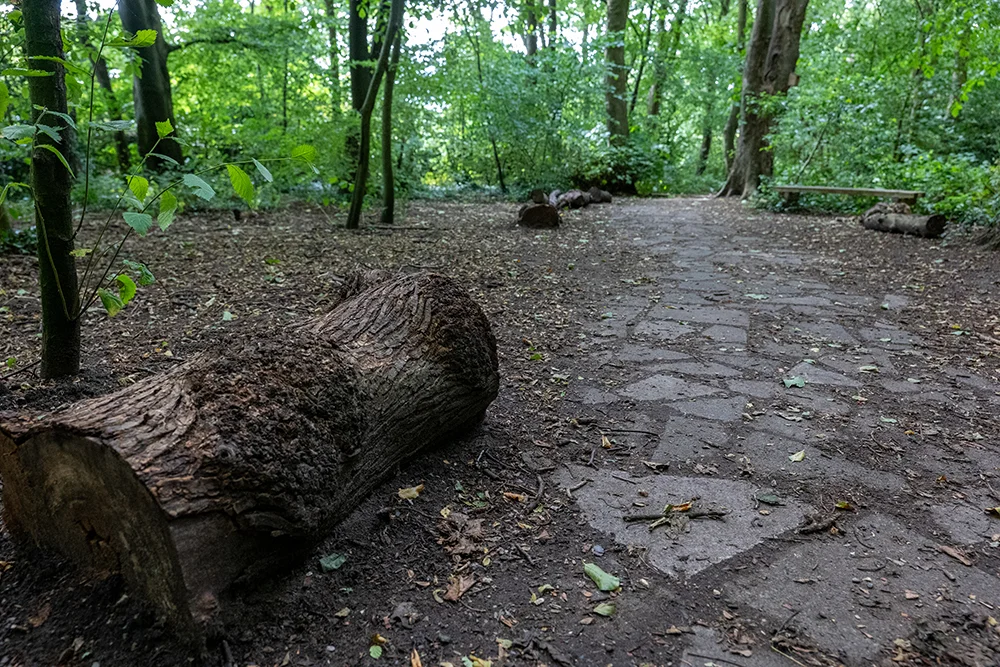
Many visitors stumble across the stone by chance, often believing it marks the grave of an alleged witch before discovering the touching story behind it. Over the years, the grave has become one of Lytham’s most unusual historic landmarks and a favourite destination for local walkers. By the early 1960s, much of the original Clifton Estate had been sold following the takeover of the estate by Guardian Royal Exchange. The remaining woodland had become neglected and overgrown. Rather than allowing it to disappear completely, the land was gifted to the Lytham St Annes Civic Society, whose volunteers began an ambitious programme of restoration. They cleared decades of undergrowth, created woodland paths and planted native trees to replace species lost through disease and natural decline. The woodland was officially opened to the public in 1974 by Prince Philip, Duke of Edinburgh, creating an attractive green corridor stretching between Lytham and Ansdell.
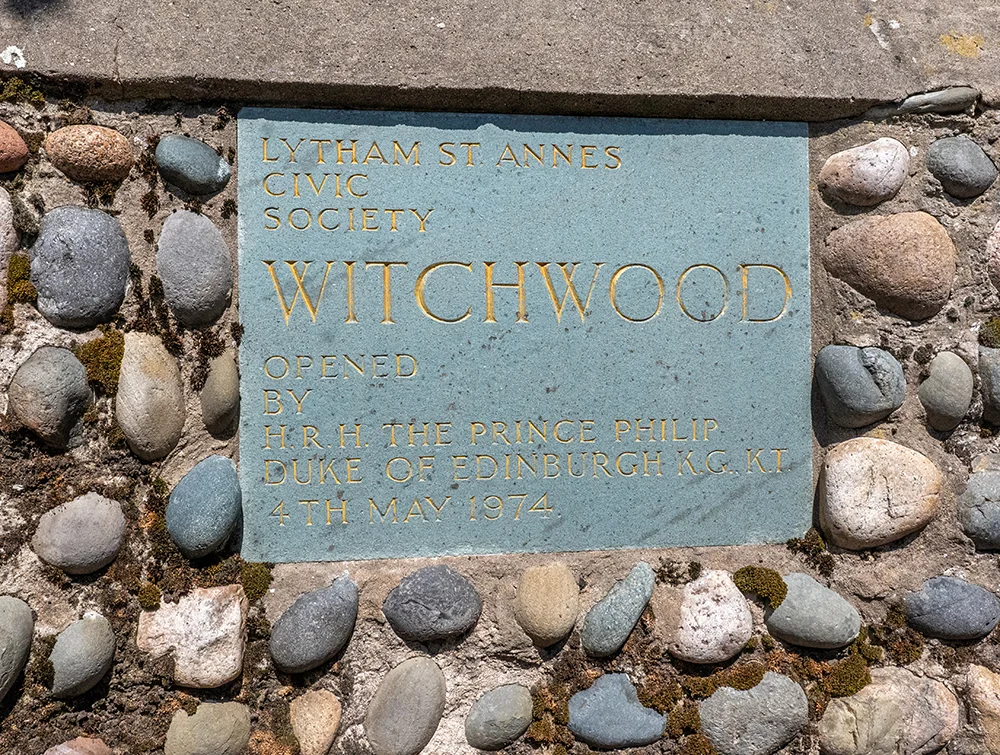
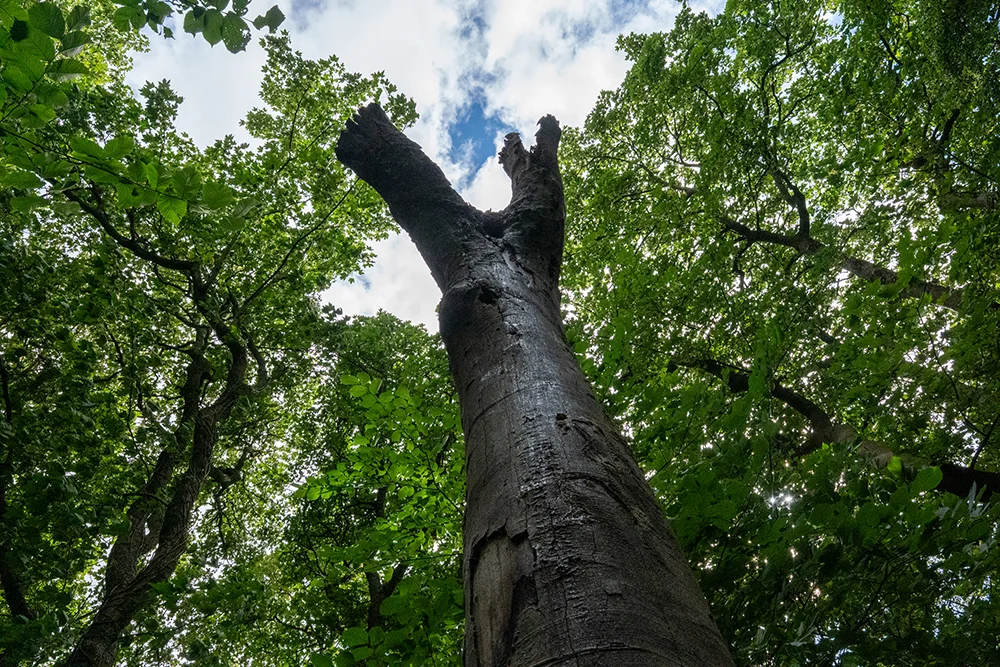
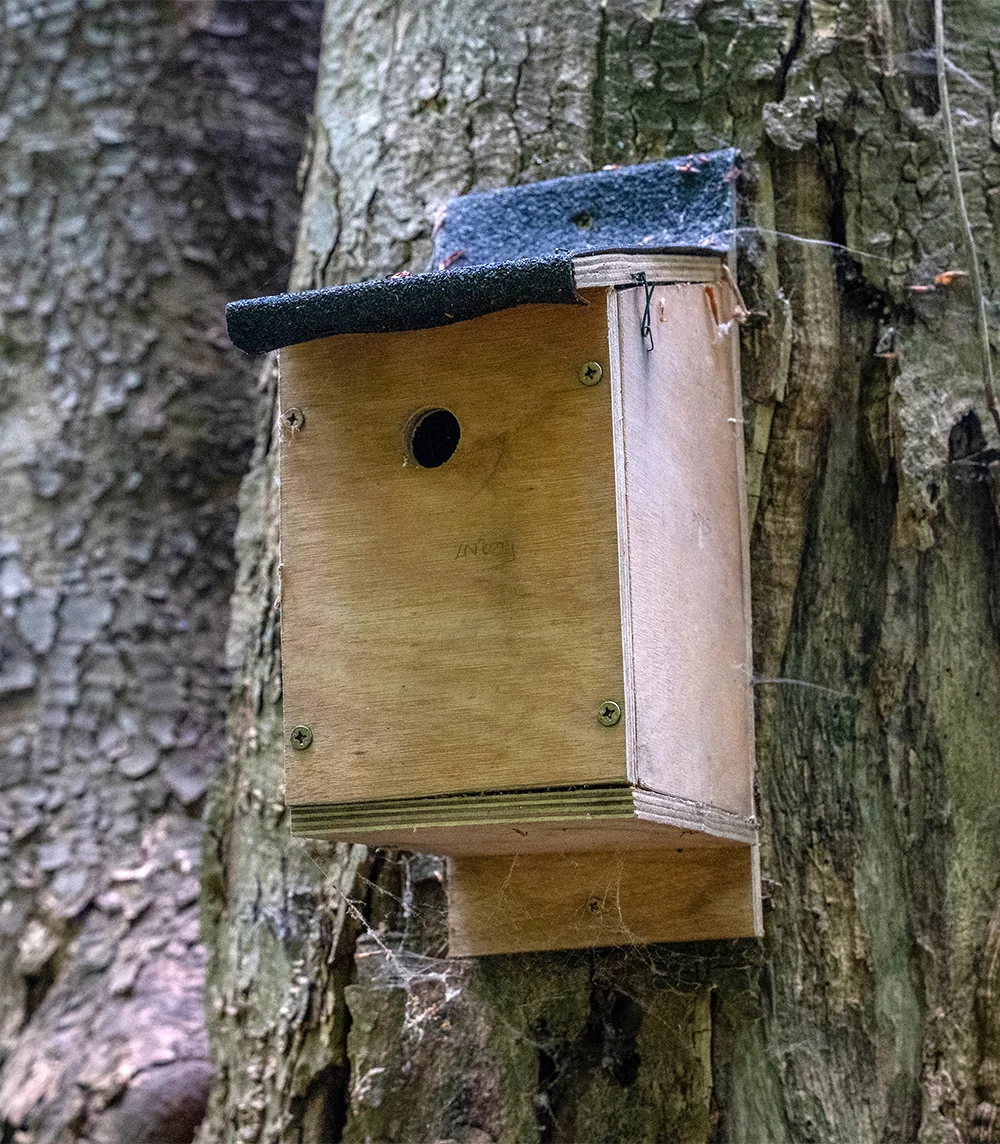
Witch Wood is protected by a Tree Preservation Order, with parts also forming a Site of Special Scientific Interest (SSSI) because of their ecological importance. The woodland supports a wide variety of wildlife, including birds, insects, woodland flowers and mature native trees. Each spring, carpets of bluebells transform the woodland floor, while autumn brings spectacular displays of colour that make the walk one of the most picturesque on the Fylde Coast. The Lytham St Annes Civic Society continues to care for the woodland, working alongside conservation organisations to manage habitats, replace invasive species with native oak and beech, improve footpaths and preserve this important piece of the area’s natural heritage. Thanks to decades of voluntary effort, what was once a neglected remnant of the Clifton Estate has become one of Lytham’s most valued community spaces.
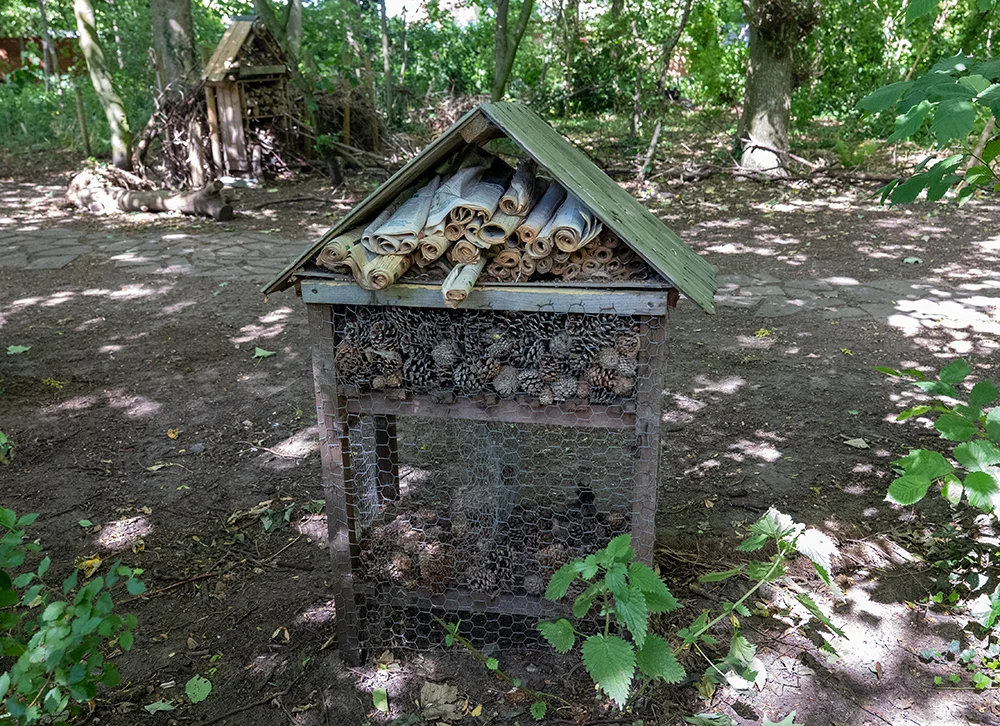
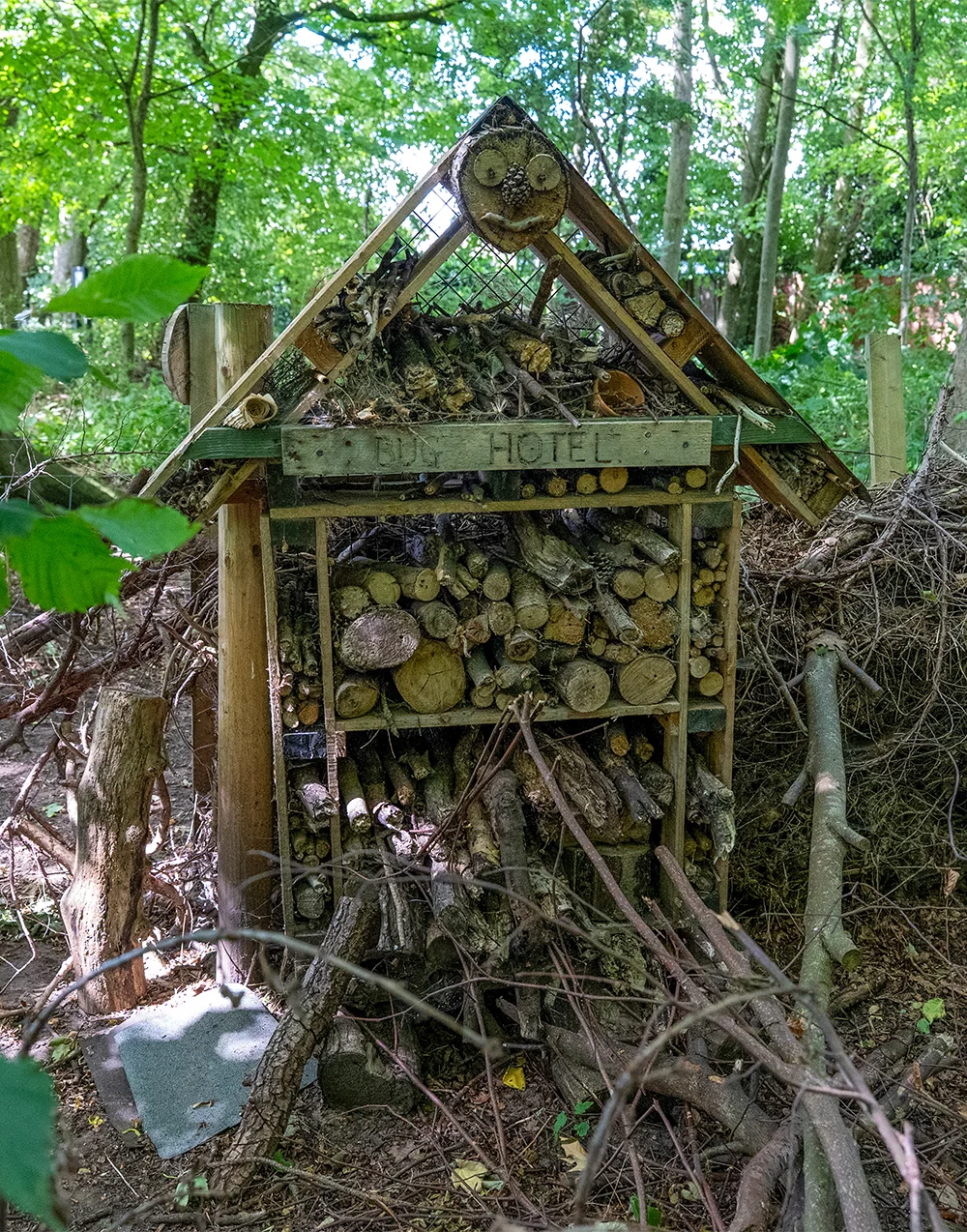
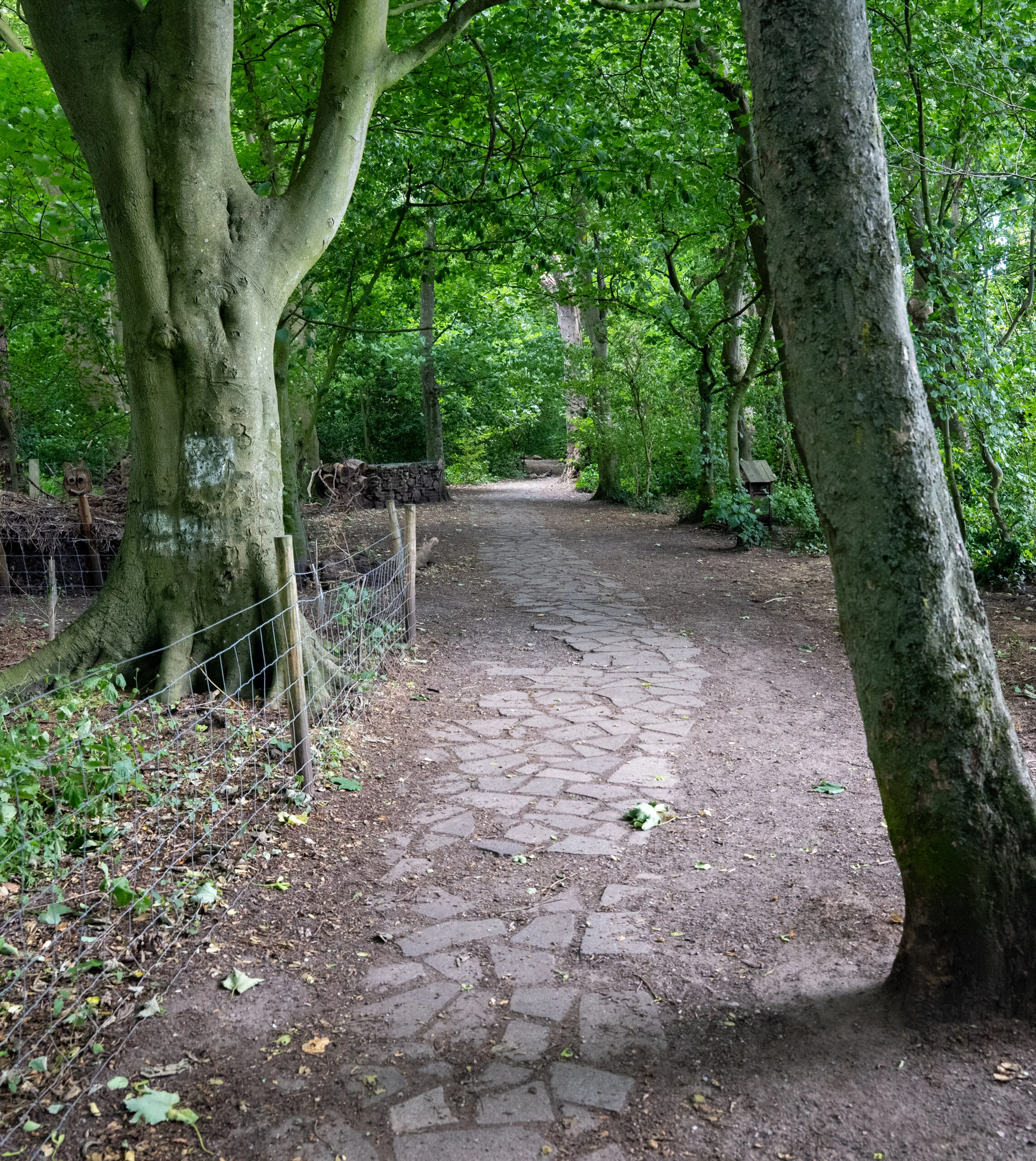
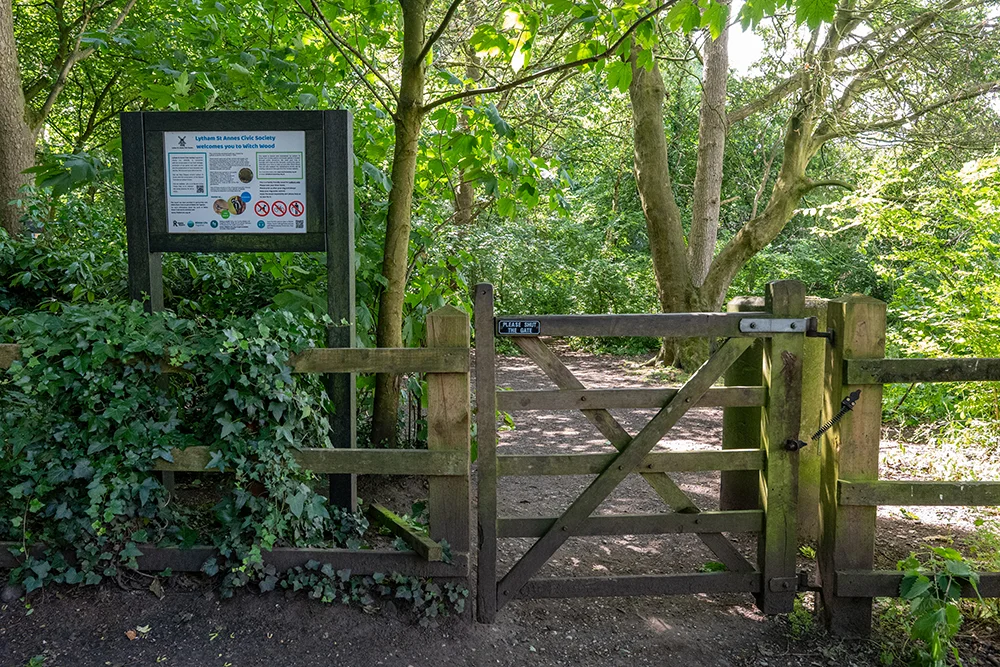
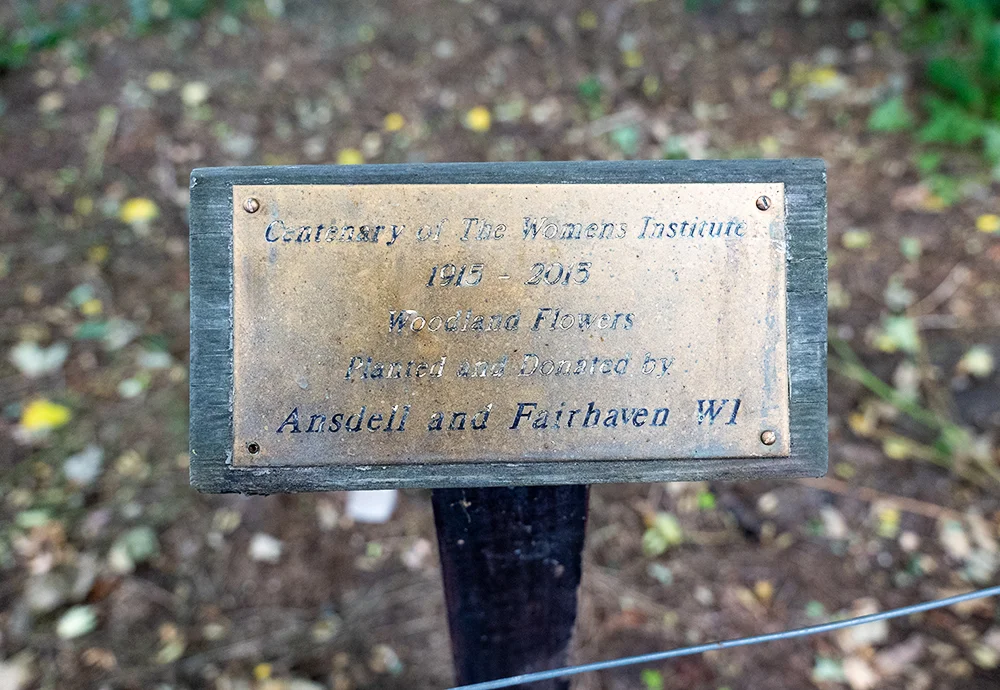 Although many people visit simply to enjoy the peaceful surroundings, Witch Wood remains closely linked to the history of the Clifton family and Lytham Hall. It provides a rare opportunity to walk through one of the last surviving sections of the estate’s original woodland while discovering a story that has become part of local folklore. For many visitors, the greatest surprise comes when they finally find the small gravestone hidden among the trees. Its simple inscription continues to spark curiosity, reminding walkers that behind the mysterious name “Witch Wood” lies not a tale of magic or superstition, but the affectionate memorial to a horse that was clearly much loved by its owners.
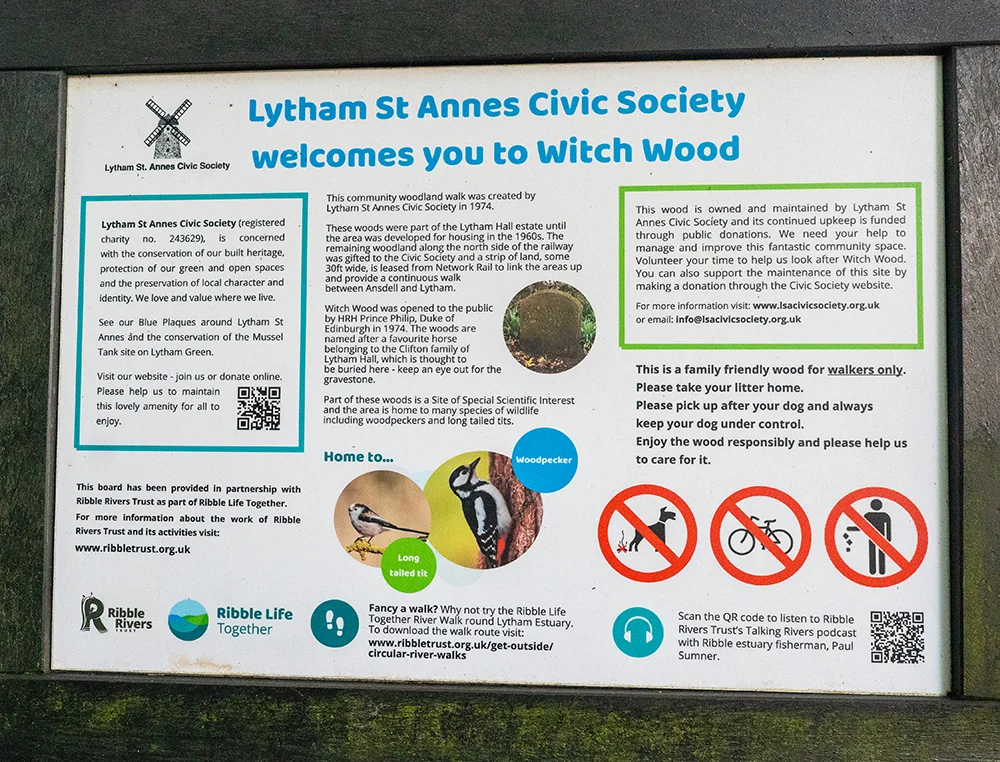 Today, Witch Wood remains one of the Fylde Coast’s hidden gems—a peaceful woodland rich in wildlife, history and local character, where nature and heritage combine to tell one of Lytham’s most unusual stories.
Below is a video created by the Civic Society,
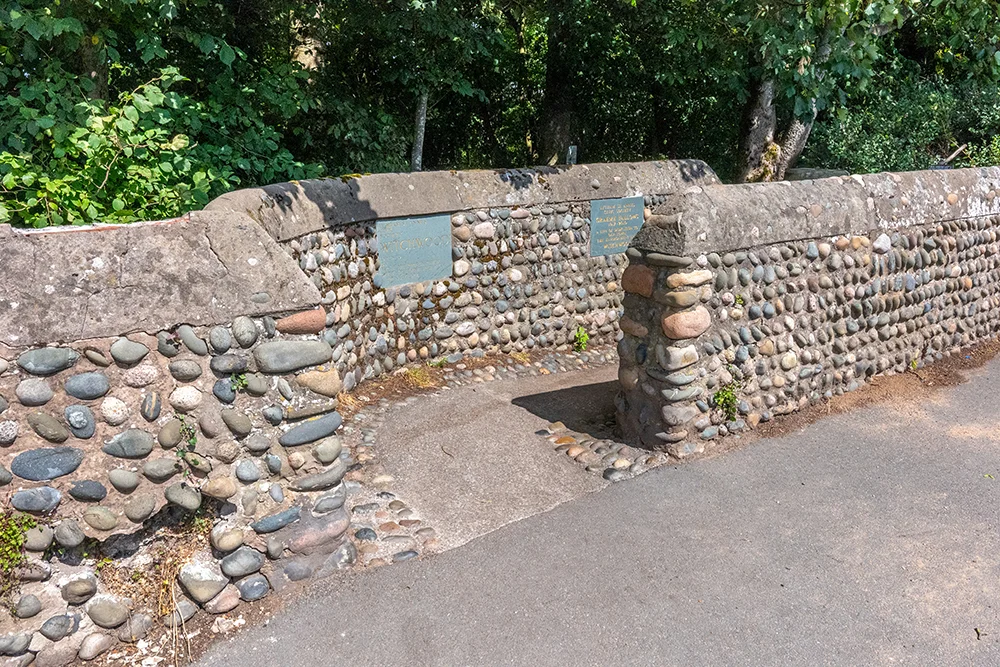
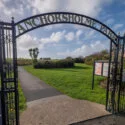
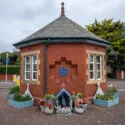
Entrance to Witch Wood off Blackpool Road
Images by © Deeper Blue Marketing & Design Ltd


