
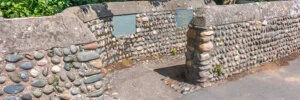
Tucked away alongside the railway line between Lytham and Ansdell lies one of the Fylde Coast’s best-kept secrets. Known as Witch Wood, this peaceful strip of ancient woodland is a haven for wildlife, walkers and history enthusiasts, but it is also home to one of the area’s most curious local legends. Despite its mysterious name, Witch Wood has no connection with witchcraft, trials or folklore about supernatural beings. Instead, its name comes from a much-loved horse called The Witch, owned by the Clifton family of Lytham Hall. Witch Wood is all that remains of what was once known as The…
Category: 1888
Land First Purchased for Blackpool Masonic Hall
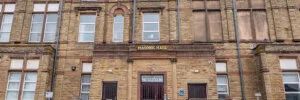
The Blackpool Masonic Hall, standing proudly at the top of Adelaide Street where it meets Lower King Street, has been a cornerstone of local history and Freemasonry since the late nineteenth century. The land on which it stands was purchased on 1 February 1888 for £1,700 by the newly incorporated Blackpool Masonic Hall Ltd, established just two months earlier, on 2 December 1887. The company issued 6,000 £1 shares to fund the project. At that time, the land belonged to Whitaker Bond, landlord of the Stanley Arms, and Thomas Sankey, headmaster of St John’s School — with Sankey also serving…
Blackpool’s Opera House
In 1888, plans were drawn up for Blackpool’s first Opera House, a grand project designed by the renowned theatre architect Frank Matcham, celebrated for his ability to combine functionality with opulence. Construction began following the awarding of the contract on 19 October 1888. The building, named “Her Majesty’s Opera House,” featured an impressive 2,500-seat auditorium and came at a cost of £9,098—a significant sum for the era. The theatre opened its doors to the public on 10 June 1889 with a production of Gilbert and Sullivan’s then-new opera, The Yeomen of the Guard. Its elegant design and ambitious programming marked… Read more »