


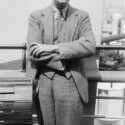
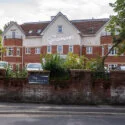

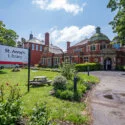

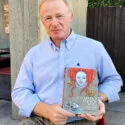





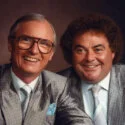
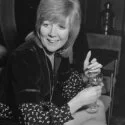








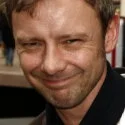
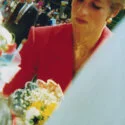


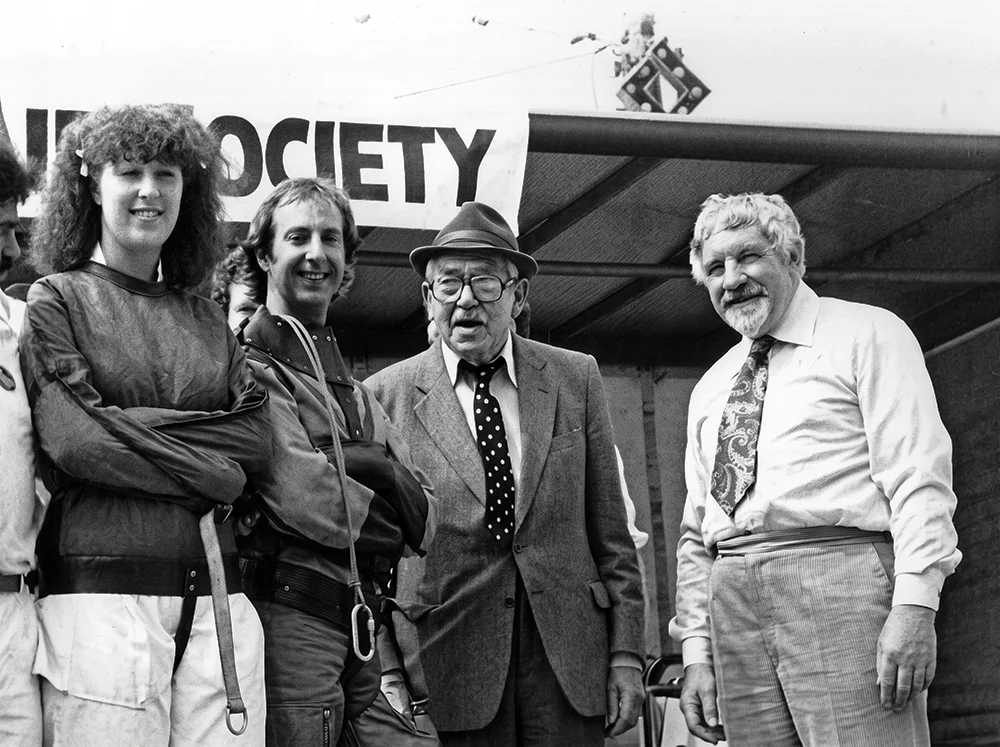
Liz McDougal, Karl Bartoni, Murray and Cyril Critchlow before Karl and Liz’s Blackpool Tower escape. Image provided by Karl Bartoni.
Few people have done more to preserve Blackpool’s entertainment history than Cyril Critchlow. A magician, author, collector, theatre proprietor and local councillor, he dedicated much of his life to ensuring that the stories of Blackpool’s theatres, piers, performers and attractions would survive for future generations. Through his collecting, writing and campaigning, he became one of the town’s most important historians and a central figure in preserving its rich showbusiness legacy. Born in Staffordshire on 15 November 1922, Critchlow moved to Blackpool with his family during the 1930s after they took over a guest house on Hull Road. Growing up in Britain’s entertainment capital gave him an early fascination with theatres, variety performers, circuses and magic shows. These interests would shape the rest of his life.
During the Second World War, Critchlow served in the Royal Navy, entertaining fellow servicemen with magic performances. Performing under the stage name “Reval”, he became a respected magician and later played a major role within the magic community. He was a founder member of the Blackpool Magicians’ Club and remained active in the organisation throughout his life, eventually becoming its president and honorary life member. Alongside his performing career, Critchlow developed a passion for collecting Blackpool memorabilia. Concerned that programmes, posters, photographs and records of performers were being lost forever, he began rescuing and preserving anything connected with the town’s entertainment history. Over the decades, his collection grew into one of the largest archives of Blackpool showbusiness material ever assembled.
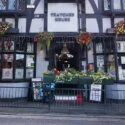
His interests extended beyond collecting. During the 1970s and 1980s, Critchlow became proprietor of one of Blackpool’s most unusual attractions, the Witches Kitchen, also known as the Witches Café, on Coronation Street.
 The Witches Kitchen was far more than simply a café. It reflected Critchlow’s love of magic, theatre and entertainment history. Visitors could enjoy refreshments while surrounded by theatrical curiosities, memorabilia and stories from Blackpool’s past. The venue became a gathering place for performers, locals and holidaymakers interested in magic and variety theatre. The premises also served as a small performance venue. Advertisements and surviving programmes from the period show that hypnotists, magicians and variety entertainers appeared there, with the venue sometimes promoted as the Witches Kitchen Theatre. In many ways it represented a miniature version of the entertainment heritage Critchlow spent his life documenting.
The Witches Kitchen formed part of a wider network of ventures connected to Critchlow’s work in entertainment. It provided both a home for performances and a space where he could share his extensive knowledge of Blackpool’s theatrical history. Many visitors left with a deeper appreciation of the town’s remarkable cultural heritage. Critchlow’s dedication to preservation reached its peak in 1977 when he opened the Museum of Entertainment on Coronation Street. Packed with costumes, programmes, photographs, posters and theatrical artefacts, the museum celebrated Blackpool’s role as Britain’s entertainment capital. Although the museum eventually closed, it demonstrated his commitment to ensuring that the stories of performers and venues would not be forgotten.
As an author, Critchlow wrote numerous books covering Blackpool’s history, including works on the piers, theatres, variety performers, attractions and the Golden Mile. His publications remain valuable reference sources for local historians and researchers. Away from his historical work, Critchlow also served as a Blackpool councillor and regularly gave talks and presentations about the resort’s heritage. His enthusiasm and knowledge made him one of the most recognisable figures within Blackpool’s historical community.
When Cyril Critchlow died in 2008 at the age of 86, he was still actively researching local history and was reportedly working on a history of Central Pier. Following his death, his family donated thousands of items from his collection to Blackpool, creating one of the most important entertainment archives in the country. Today, the Cyril Critchlow Collection forms a cornerstone of Blackpool’s historical records and helped inspire the creation of Showtown, the museum dedicated to the town’s entertainment heritage. His collection preserves countless photographs, posters, programmes and stories that might otherwise have disappeared forever.
Whether through his work as a magician, proprietor of the Witches Kitchen, founder of the Museum of Entertainment, author or historian, Cyril Critchlow devoted his life to celebrating Blackpool’s unique place in British popular culture. Few individuals have contributed more to preserving the memory of the entertainers, theatres, piers and attractions that helped make Blackpool famous around the world.
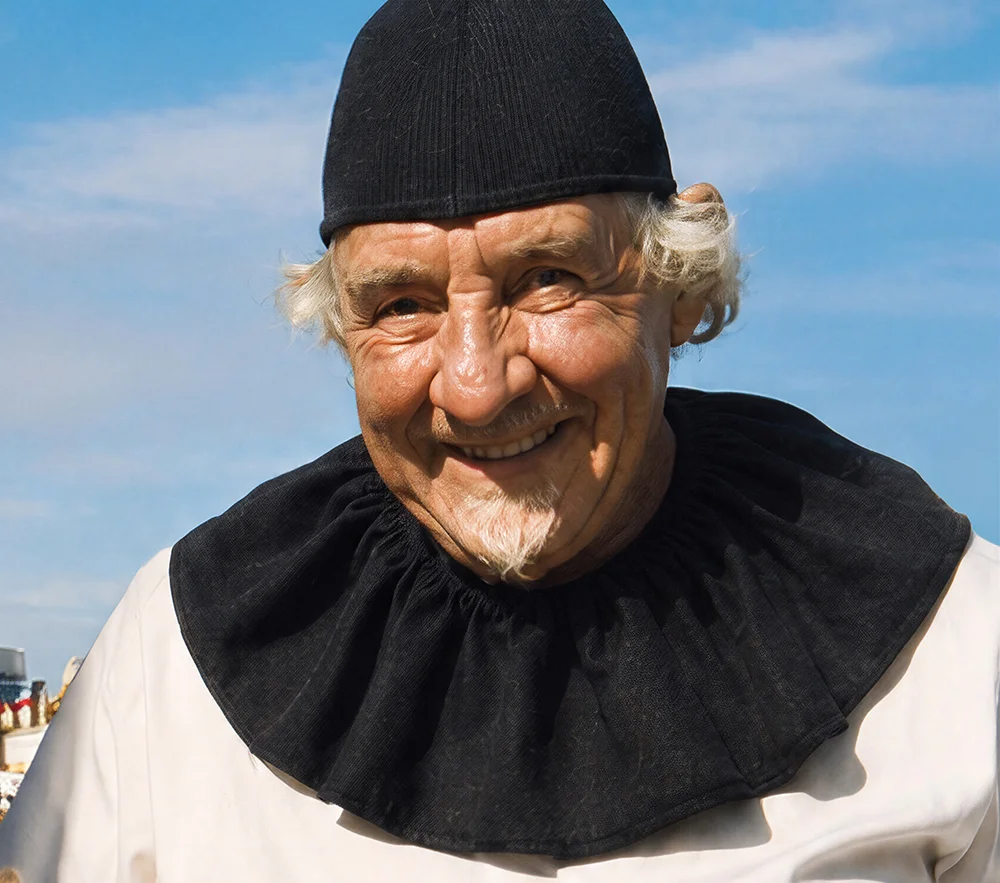
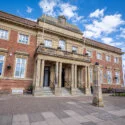
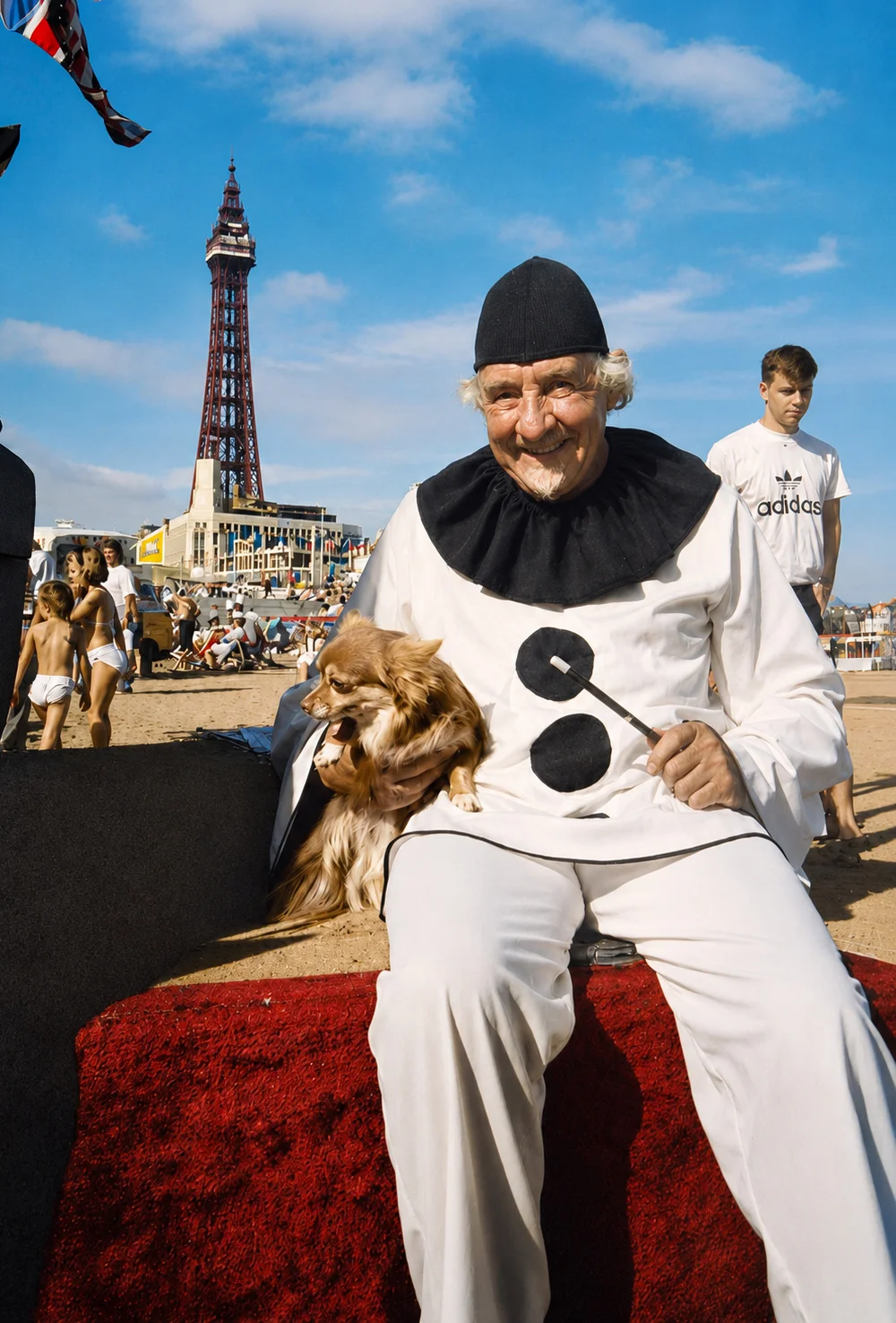
Featured Image © Joanne Prince - Cyril Critchlow was Joanne's great uncle
Additional Images © Karl Bartoni


