














On the night of 9 December 1886, one of the greatest tragedies in British maritime history unfolded off the coast of Lancashire. What began as a routine rescue mission soon became the worst disaster ever suffered by the Royal National Lifeboat Institution, claiming the lives of 27 lifeboatmen from St Annes and Southport and leaving communities across the Fylde and Sefton coast in mourning. More than a century later, the Mexico Disaster remains one of the most powerful stories of courage, sacrifice and heroism associated with the Fylde Coast.
The tragedy centred on the German barque Mexico, a three-masted sailing vessel that had left Liverpool bound for Guayaquil, Ecuador. As the ship made its way down the coast, it encountered a violent winter storm. Gale-force winds, driving snow and mountainous seas battered the vessel, and on the evening of 9 December she ran aground on the dangerous Horse Bank sandbanks near the Ribble Estuary. The twelve-man crew found themselves stranded in darkness as huge waves crashed over the vessel. Distress signals were quickly spotted from shore, and lifeboat crews at Southport, St Annes and Lytham responded immediately.
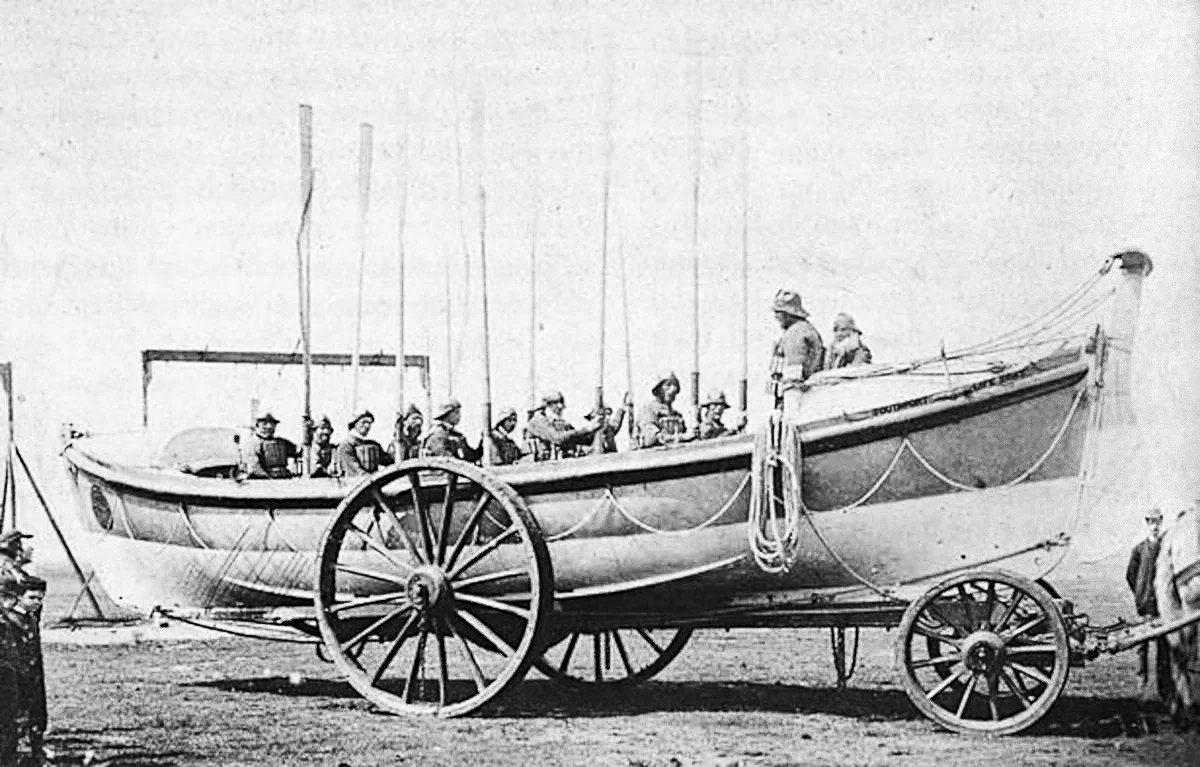
Eliza Fearnley, Southport (lost)
The first lifeboat to launch was Southport’s Eliza Fernley, carrying a crew of sixteen men. Battling enormous seas, the lifeboat reached the vicinity of the stranded vessel before being overwhelmed by the storm. A huge wave capsized the boat and fourteen of the crew drowned. Only two men survived the ordeal after becoming trapped beneath the overturned hull and eventually making their way back to shore. Shortly afterwards, the St Annes lifeboat Laura Janet launched with a crew of thirteen men under Coxswain William Johnson. Unlike the Southport boat, the Laura Janet never returned. The following morning the wrecked lifeboat was found washed ashore. Every member of her crew had perished. Because there were no survivors, the exact circumstances of her loss have never been fully established, adding an enduring mystery to the tragedy.
As the disaster unfolded, a third lifeboat launched from Lytham. The Charles Biggs was undertaking its very first rescue service. Despite the appalling weather, the crew pressed on through crashing seas and hurricane-force winds. By the time they reached the Mexico, the stricken ship had settled heavily and her crew had lashed themselves to the rigging in a desperate attempt to survive. Against overwhelming odds, the Lytham crew succeeded where others had failed. They rescued all twelve members of the Mexico’s crew and safely brought them ashore. Their achievement remains one of the most remarkable rescues in RNLI history.
When news of the disaster spread, shock was felt across the country. Twenty-seven lifeboatmen had lost their lives attempting to save complete strangers. Sixteen women were left widowed and around fifty children lost their fathers. Victorian Britain was deeply moved by the scale of the tragedy and by the bravery displayed by the lifeboat crews. A national appeal was launched to support the bereaved families. Donations poured in from across Britain and beyond, including contributions from Queen Victoria and the German Kaiser. More than £30,000 was raised, an enormous sum at the time, providing financial support for the widows and children left behind.
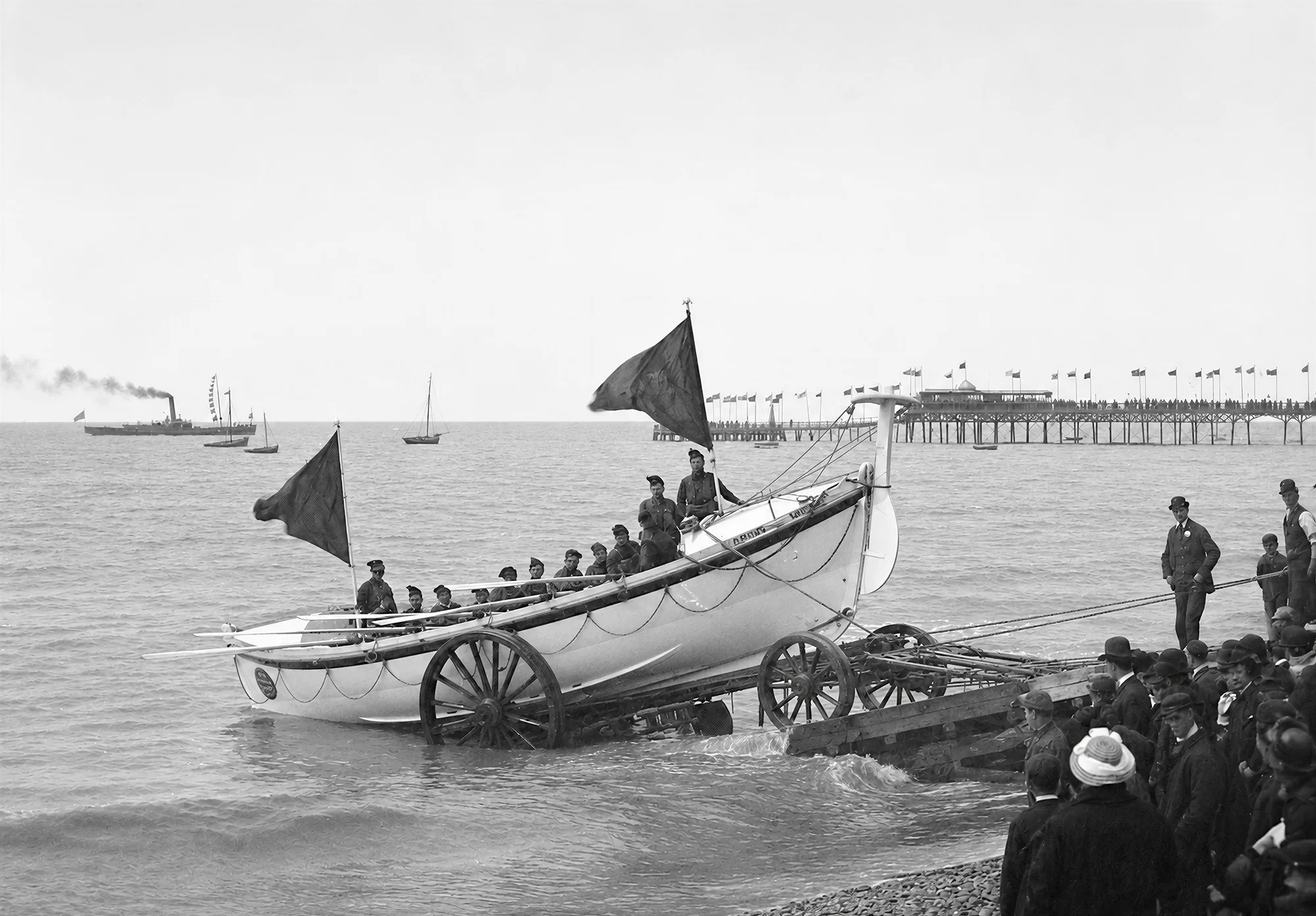
Laura Janet, St. Annes (lost)
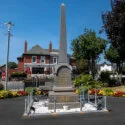
The disaster also changed the future of lifeboat services. The loss highlighted concerns about lifeboat design and survivability in extreme conditions. Subsequent investigations helped accelerate improvements to lifeboat construction and self-righting capabilities, developments that would save countless lives in the years that followed. The impact of the Mexico Disaster can still be seen across the Fylde Coast today. Memorials were erected in St Annes, Lytham and Southport to honour the men who gave their lives. Perhaps the most famous is the lifeboatman’s statue on St Annes Promenade, unveiled in 1888. Looking out towards the sea, it serves as a permanent reminder of the courage shown by the crew of the Laura Janet and the sacrifices made by lifeboat volunteers throughout history.
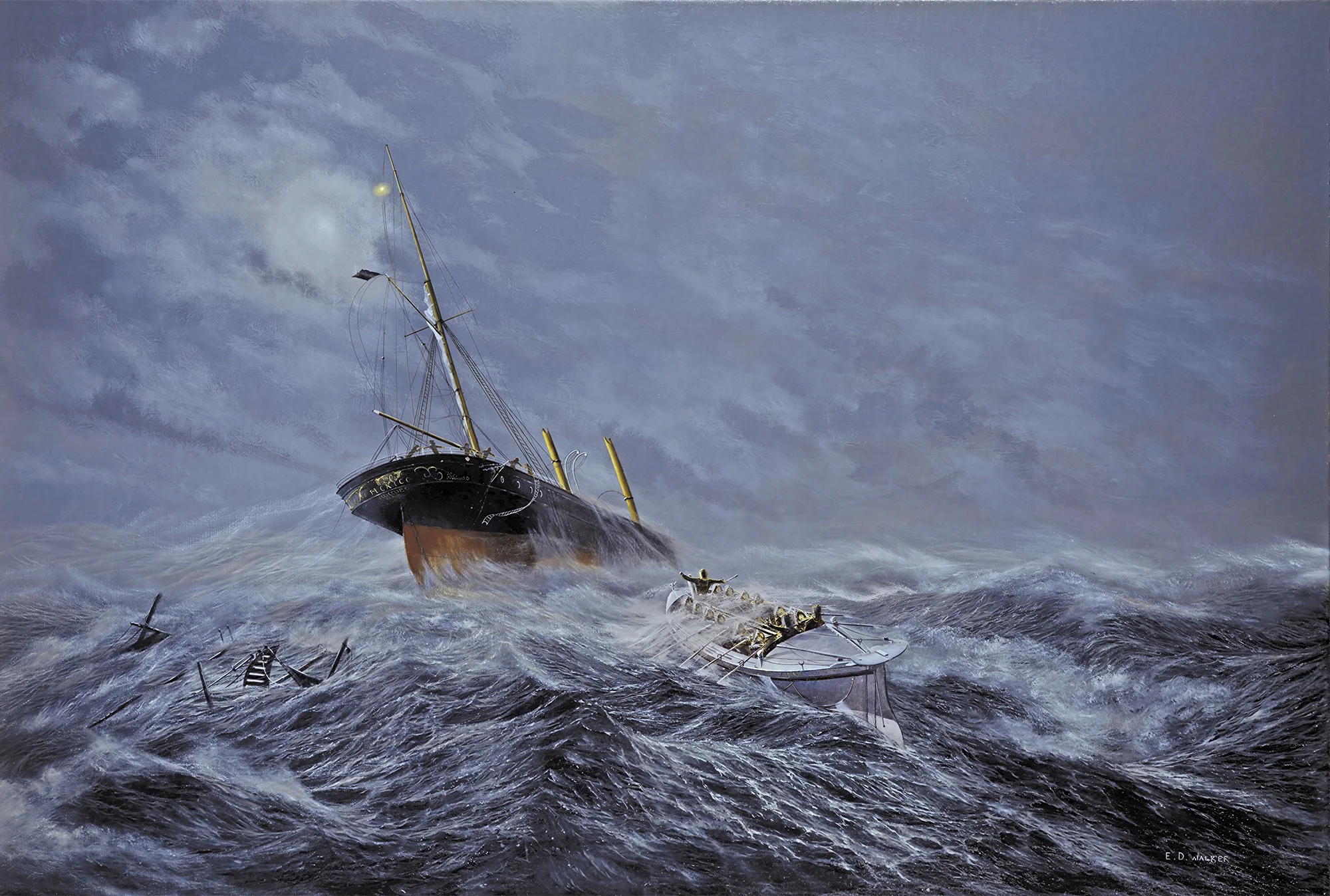
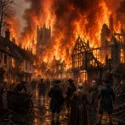
Several paintings have tried to capture this terrible event, this example is the famous painting of “The Mexico rescue by the Lytham Lifeboat Charles Biggs” by E. D. Walker
Additional memorials can be found in the churchyard of St Cuthbert’s Church in Lytham and at cemeteries in Southport and Blackpool, ensuring that the names of the fallen are not forgotten. Every December, local organisations, historians and RNLI volunteers continue to commemorate the anniversary of the disaster. More than 140 years later, the story still resonates because it embodies the very principles upon which the RNLI was founded: courage, selflessness and a willingness to risk everything to save others. The men who launched into the storm on that winter night knew the dangers they faced. Yet they went anyway. Their actions remain one of the greatest examples of maritime heroism in British history, and the Mexico Lifeboat Disaster continues to stand as the darkest day in the history of the RNLI and one of the most significant events ever to occur on the Fylde Coast.
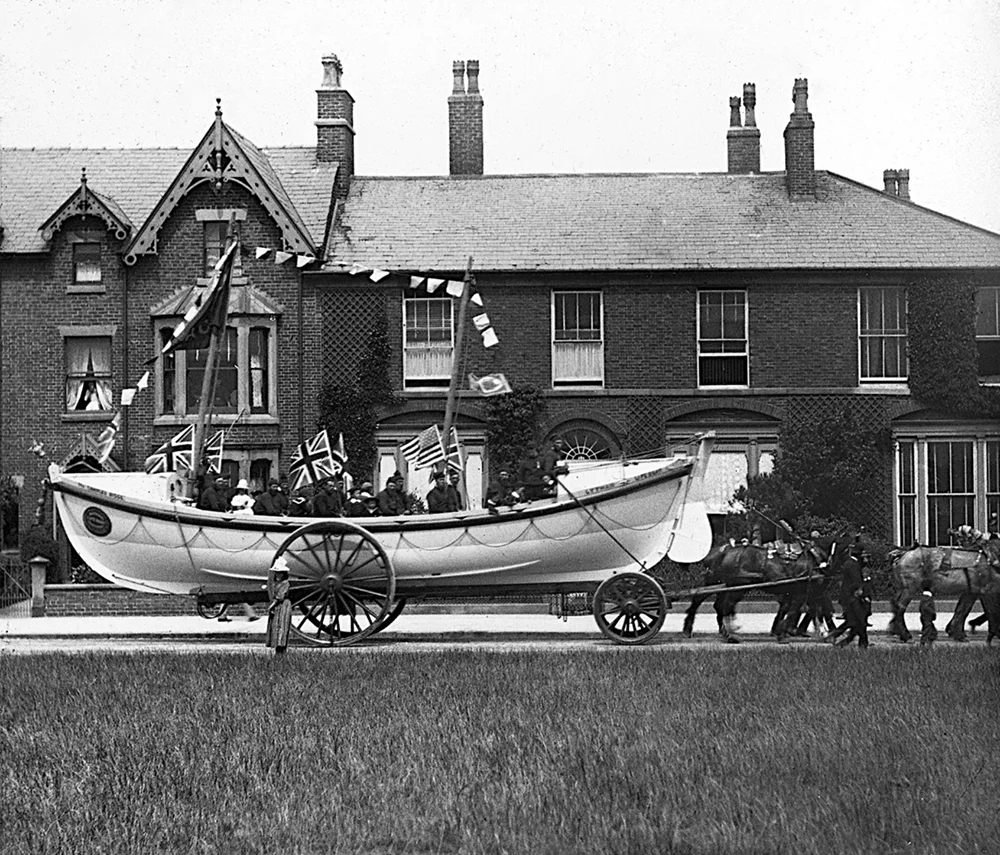
Lifeboat Charles Biggs, 11 West Beach (A. Thompson) c.1890 (LHG)
Text source: ChatGPT and Lytham Heritage Group
Images by © Lytham Heritage Group


