












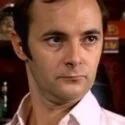
























Few individuals have had a greater influence on public health in modern Blackpool than Dr Arif Rajpura. As the town’s Director of Public Health since 2007, he has spent nearly two decades tackling some of the most complex health and social challenges facing the resort, helping shape policies and initiatives designed to improve the lives of residents across the Fylde Coast. Originally qualifying in medicine through St Andrews University and Manchester Medical School, Dr Rajpura began his career in clinical practice before entering specialist public health training in 1999. After serving as a Consultant in Public Health in Lancashire, he was appointed Director of Public Health for NHS Blackpool in 2007, a role he later continued when public health responsibilities transferred to Blackpool Council.
Throughout his career, Dr Rajpura has focused on addressing the underlying causes of poor health rather than simply treating the consequences. Recognising that factors such as housing, education, employment, poverty and the environment all play a major role in determining health outcomes, he has championed a wider approach to public health that brings together organisations across the public, private and voluntary sectors. One of his most significant areas of work has been tackling health inequalities. Blackpool faces some of the most challenging public health statistics in England, with higher-than-average rates of smoking-related illness, alcohol-related harm, drug dependency, cardiovascular disease and poor mental health. Dr Rajpura has consistently argued that improving health requires long-term investment in prevention and early intervention, rather than relying solely on treatment after problems emerge.
He has also become a prominent national voice on alcohol policy, playing a leading role in campaigns supporting minimum unit pricing and measures designed to reduce alcohol-related harm. His work in this area has helped place Blackpool at the forefront of national discussions around public health and addiction. Another major priority has been obesity and healthy living. Under his leadership, Blackpool has pursued innovative approaches aimed at making healthier choices easier for residents. Rather than focusing solely on individual behaviour, he has promoted changes to the wider environment, encouraging healthier food options, active lifestyles and improved opportunities for physical activity.
As Chair of Blackpool’s Fairness Commission, Dr Rajpura has also worked to address social inequalities across the town. The commission examines how economic and social factors influence quality of life and seeks practical ways to improve opportunities for residents, particularly those living in disadvantaged communities. More recently, he has supported initiatives aimed at improving recovery services for people affected by addiction and substance misuse. In 2025, Blackpool opened a dedicated Recovery Hub, bringing together organisations from across the town to provide support, training, counselling and community-based recovery programmes for those rebuilding their lives.
Alongside his operational responsibilities, Dr Rajpura has remained committed to developing future public health professionals. He has served as a trainer and mentor for public health trainees and is widely respected within the profession for his leadership and expertise. His academic achievements include an MBA from Alliance Manchester Business School and postgraduate qualifications in executive and business coaching. Over nearly twenty years in the role, Dr Rajpura has become one of the most recognisable figures in Blackpool’s public sector leadership. While many of the town’s health challenges remain significant, his work has helped place prevention, fairness and long-term wellbeing at the centre of local policy.
At a time when Blackpool continues to face some of the most complex health inequalities in the country, Dr Arif Rajpura’s career stands as a testament to the importance of public health leadership and the belief that improving lives requires action far beyond hospitals and doctors’ surgeries. Through his work on housing, education, addiction, obesity, community wellbeing and health inequality, he has played a major role in shaping the town’s approach to health in the twenty-first century.
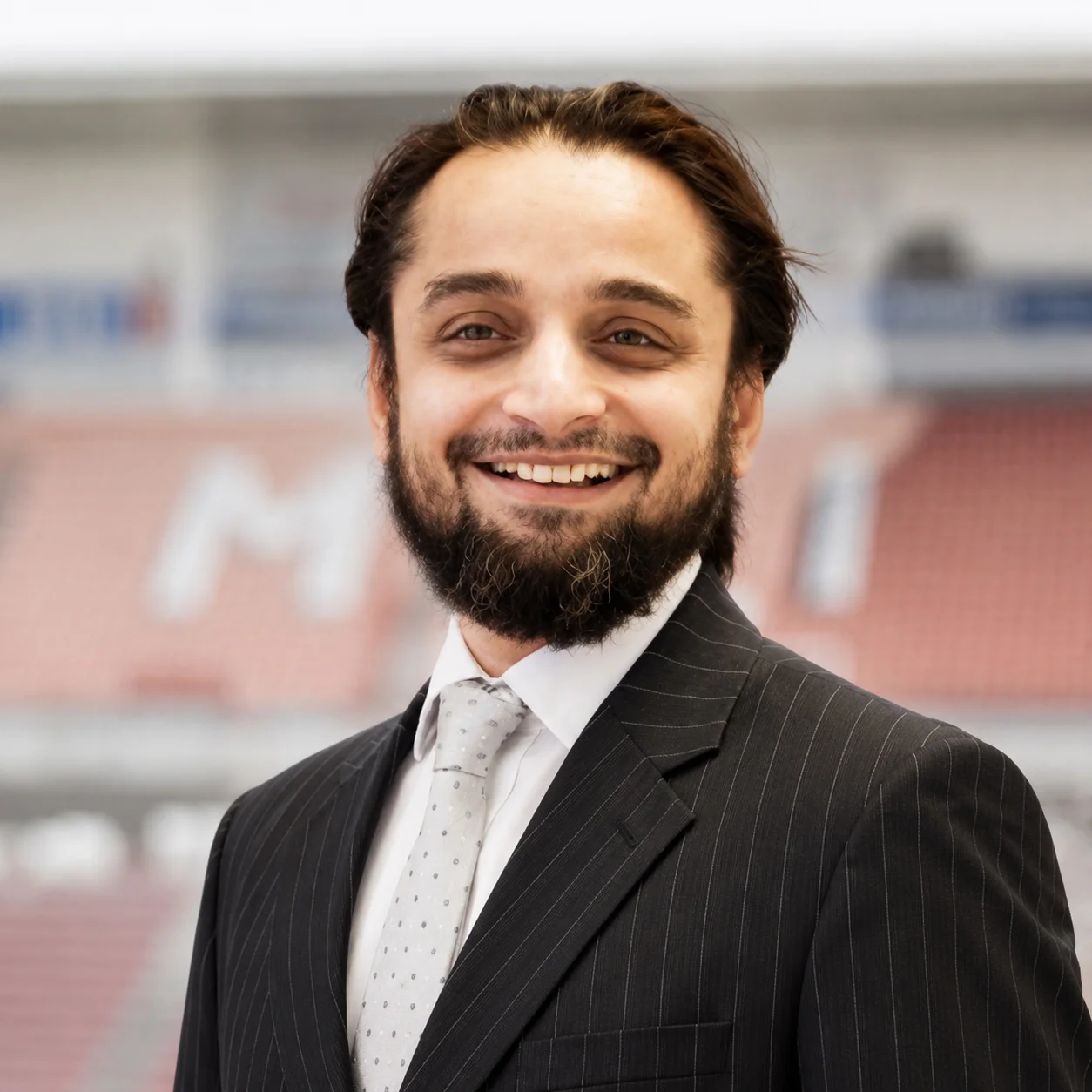
Featured Image © Low Carbon Homes UK Website
Background Image © Deeper Blue Marketing & Design Ltd


