




























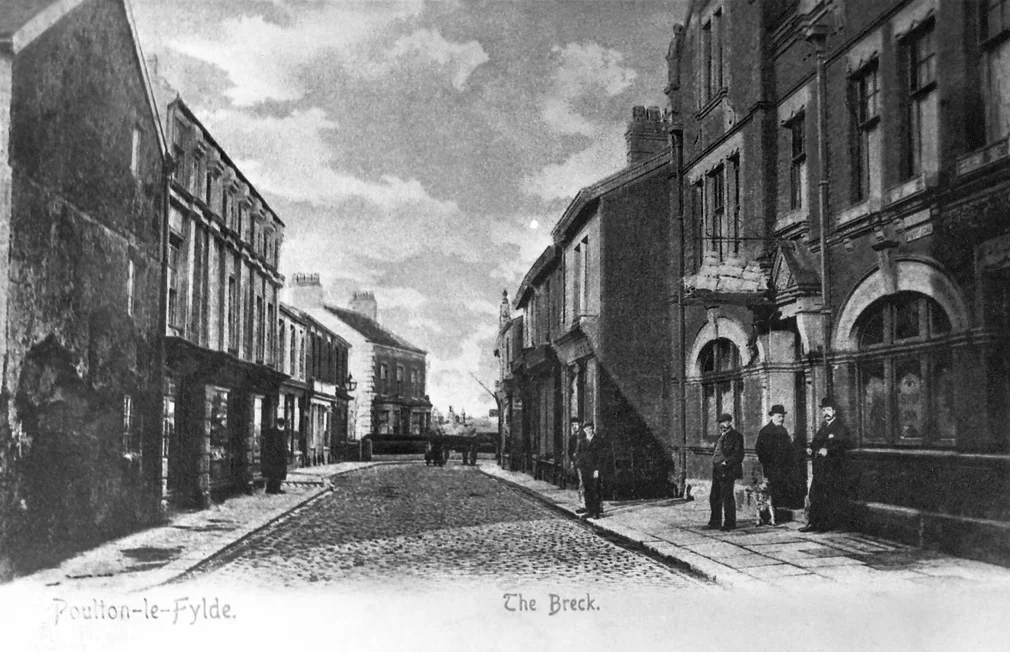
The Ship Inn is at the right with its distinctive arches that are still there today. c1900, The photo was provided by Red Rose Collections
Standing at the corner of Breck Road and Vicarage Road, the Ship Inn was one of Poulton-le-Fylde’s most distinctive public houses. Although never as genteel as some of the town’s older coaching inns, it became well known for serving a very different clientele. Throughout the nineteenth century it was regarded as a lively and sometimes unruly establishment, frequented by Fleetwood seamen, travelling labourers and local residents, reflecting Poulton’s role as an important inland market town linked to the expanding port of Fleetwood. The inn occupied a prominent position close to Poulton’s original railway station, which opened in 1840. Its location made it a convenient stopping place for travellers arriving by train, as well as for workers and sailors making their way between Poulton and Fleetwood. As the railway transformed transport across the Fylde, the Ship Inn benefited from the steady flow of passengers and commercial traffic passing through the town.
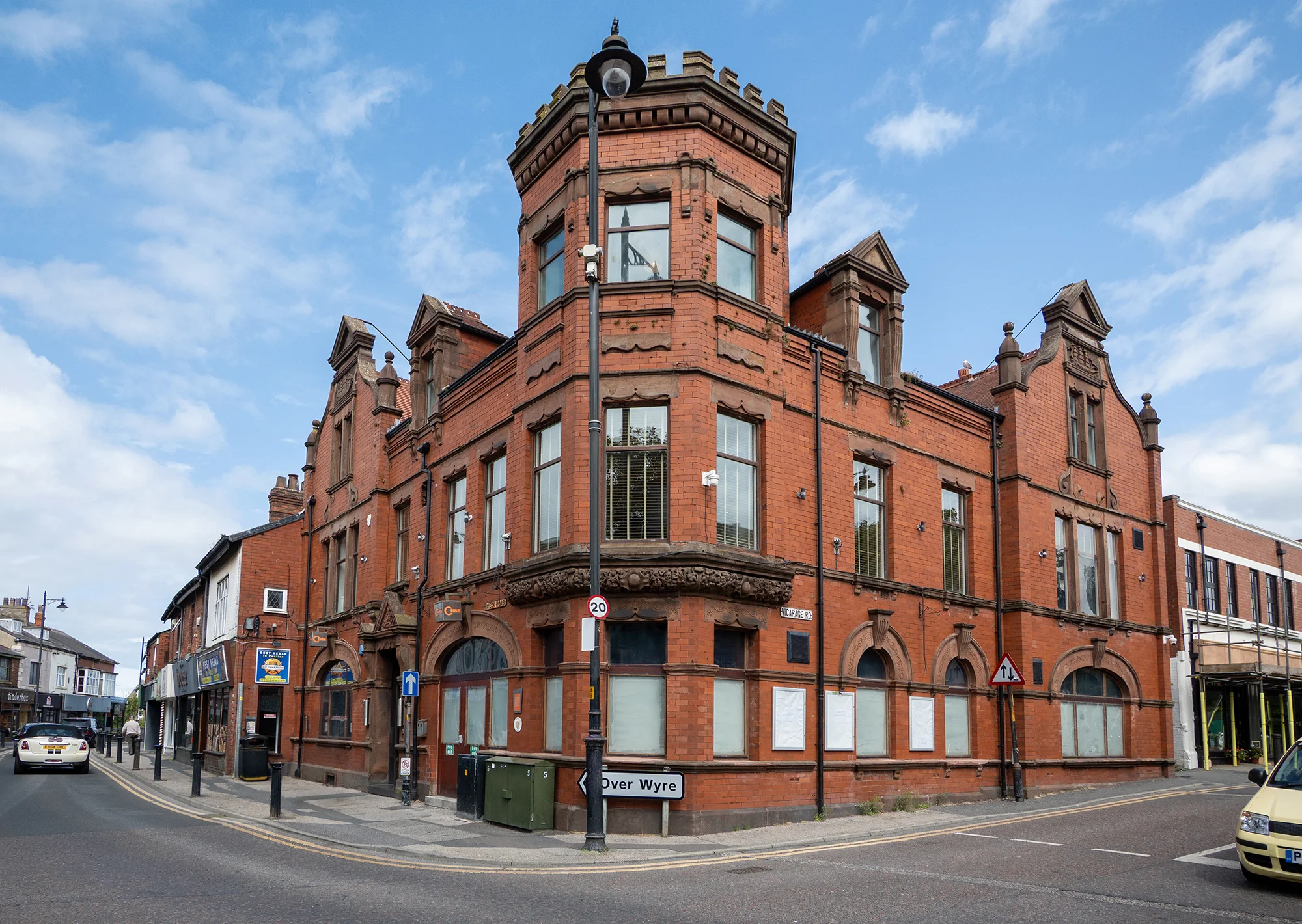
The covered windows in this August 2026 image show how the ground floor has been closed.
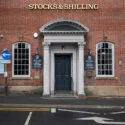
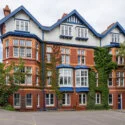
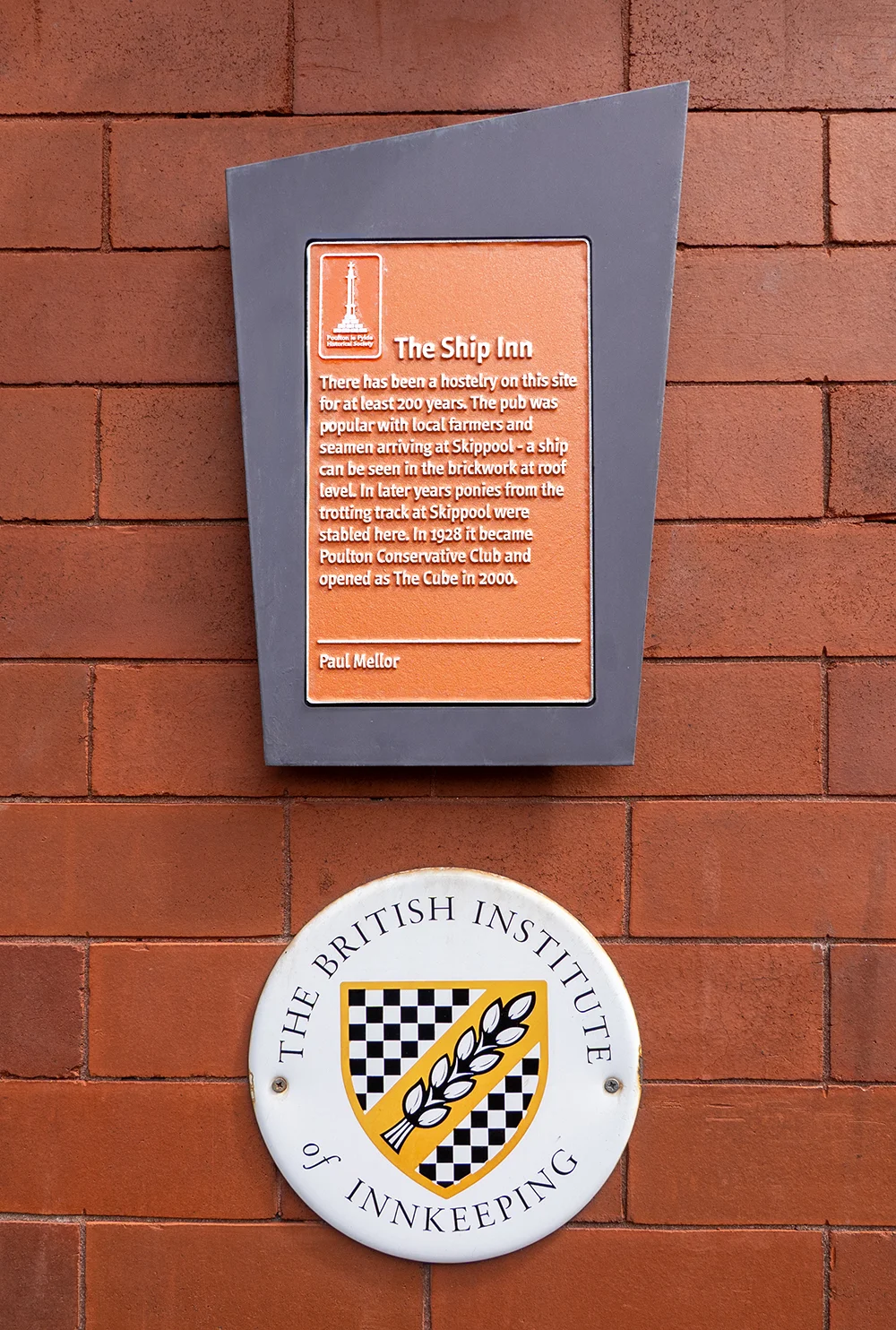 Unlike The Golden Ball or the Thatched House, whose histories were closely tied to Poulton’s market trade and coaching era, the Ship Inn developed a reputation as a working-class public house. Contemporary accounts describe it as a rowdy inn, popular with those employed in the docks and fishing industry at Fleetwood, together with agricultural workers and labourers travelling through the district. Its atmosphere reflected the changing character of Poulton during the Victorian period, when the arrival of the railway brought increasing numbers of visitors and workers into the town. The building seen today dates from the Edwardian period and was constructed in red brick with red sandstone dressings. One of its most distinctive architectural features is the corner tower, while carved stone ships set into the exterior walls provide a visual reference to the inn’s historic name. These decorative carvings remain among the building’s most recognisable features and are a reminder of its long association with the maritime trade of the Fylde Coast.
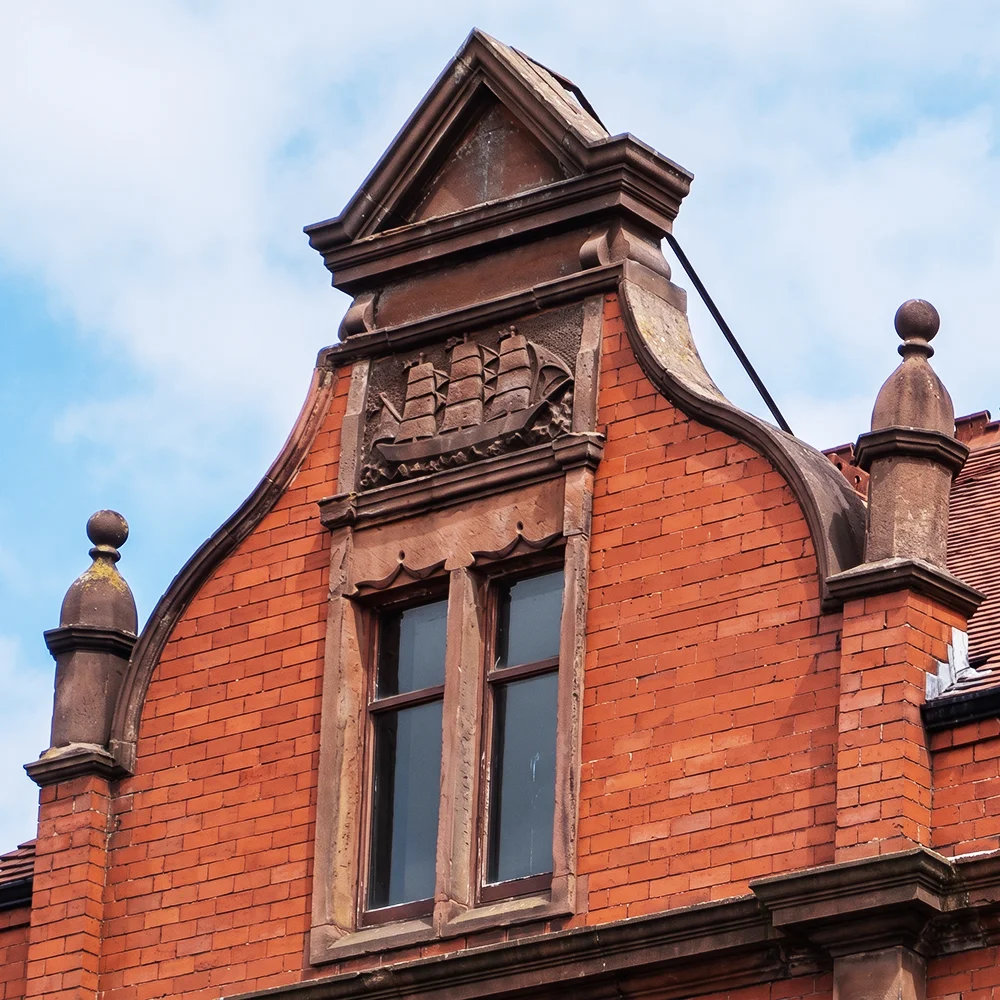
The carved stone ships set into the exterior walls provide a visual reference to the inn’s historic name.
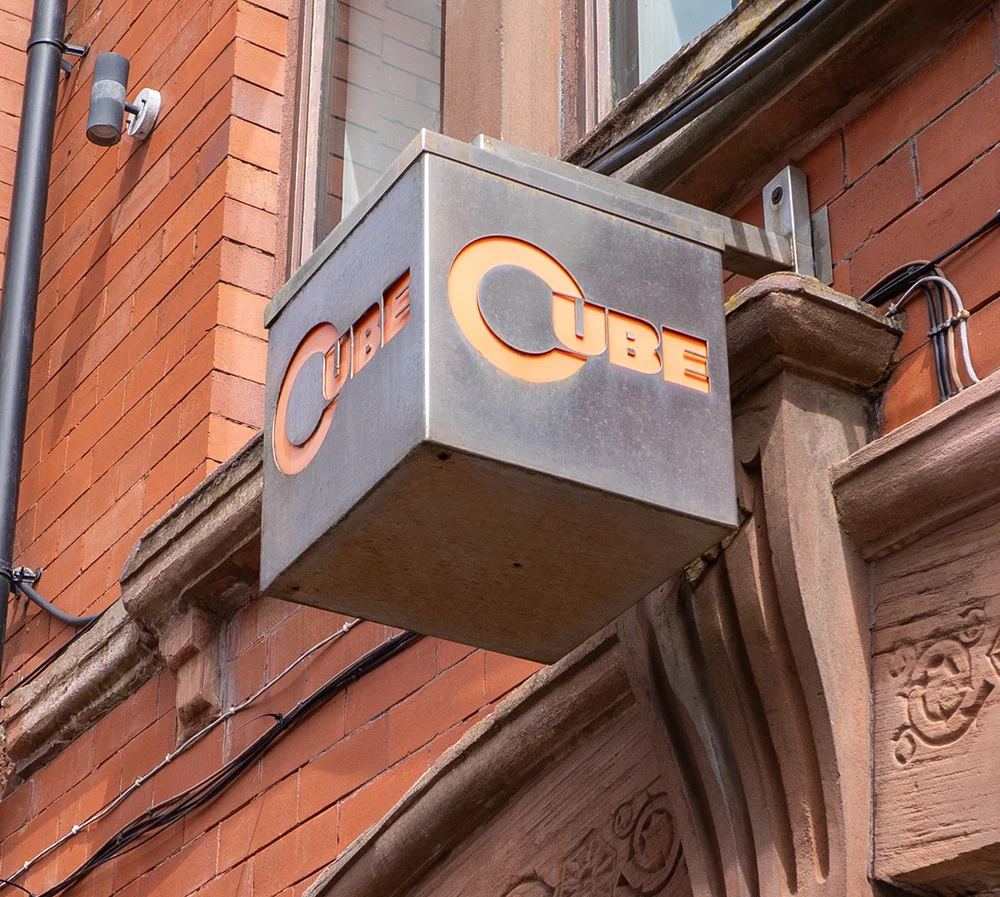
During the 1920s, the Ship Inn entered a new chapter when it became a working men’s club, reflecting the changing social habits of the period. In 1928, the premises became the Poulton Conservative Club, serving members of the local community for more than seventy years. Throughout much of the twentieth century, generations of residents attended dances, social evenings, celebrations and political events within the building, giving it a very different role from its days as a Victorian public house. At the turn of the twenty-first century the building was transformed once again. Around 2000, following the Conservative Club’s departure, it reopened as The Cube, a café, wine bar and nightclub. The redevelopment introduced a modern leisure venue while retaining the historic Edwardian exterior that had become a familiar landmark at one of Poulton’s busiest junctions.
 Today, although its function has changed several times over the past century, the former Ship Inn remains one of Poulton’s most distinctive historic buildings. From a bustling Victorian public house serving sailors and labourers, to a long-established Conservative Club and later a modern hospitality venue, it has continually adapted to meet the changing needs of the town while preserving an important link with Poulton’s social history.
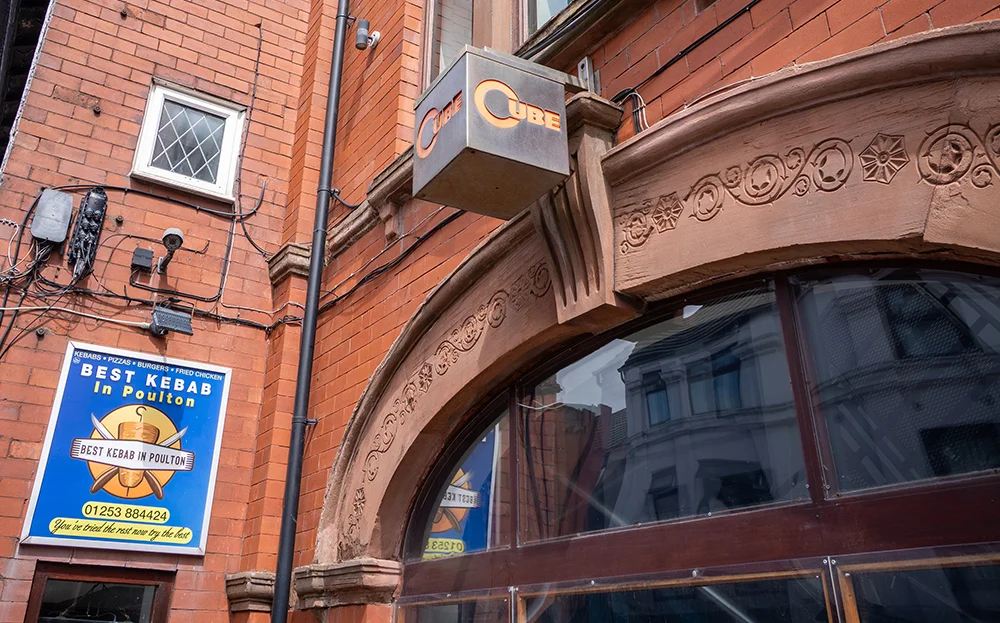
Note the distinctive arches here and in the 1900 image at the top of this post.
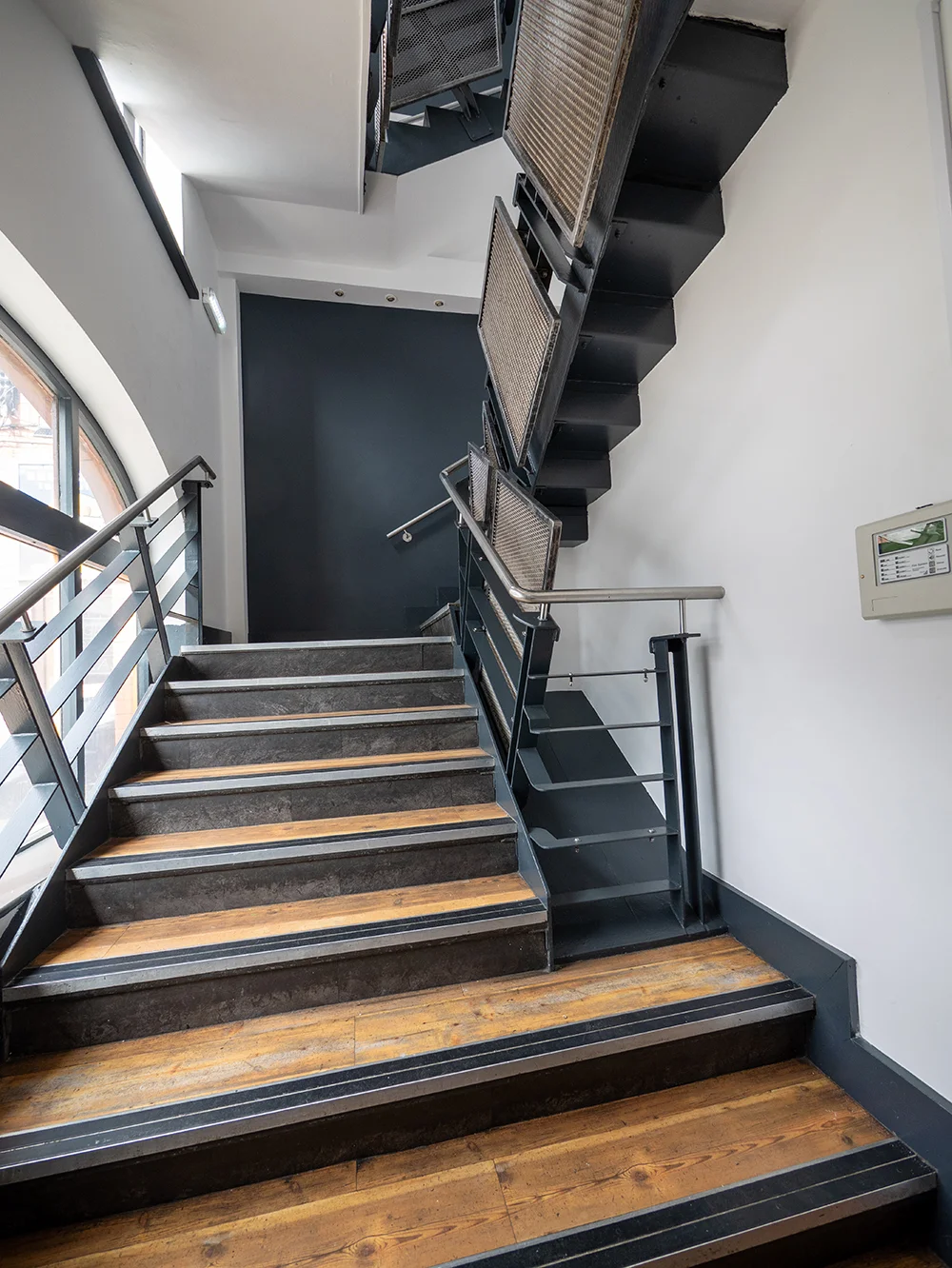
Stairwell access to the first and second floors.
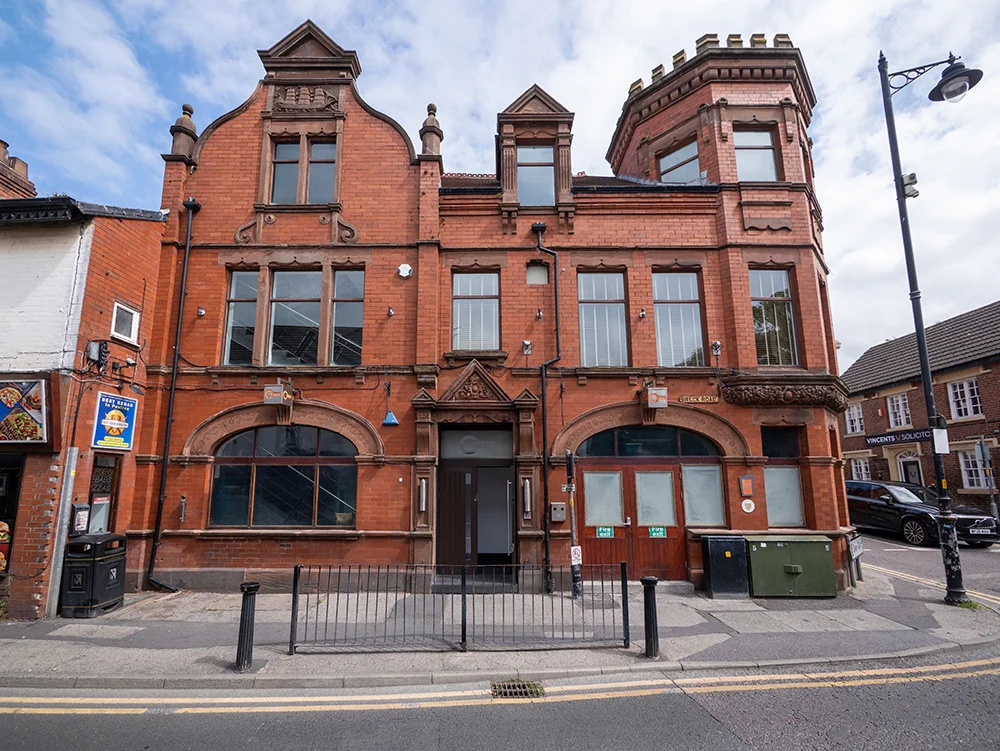
Images by © Deeper Blue Marketing & Design Ltd


