







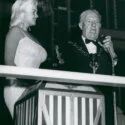





























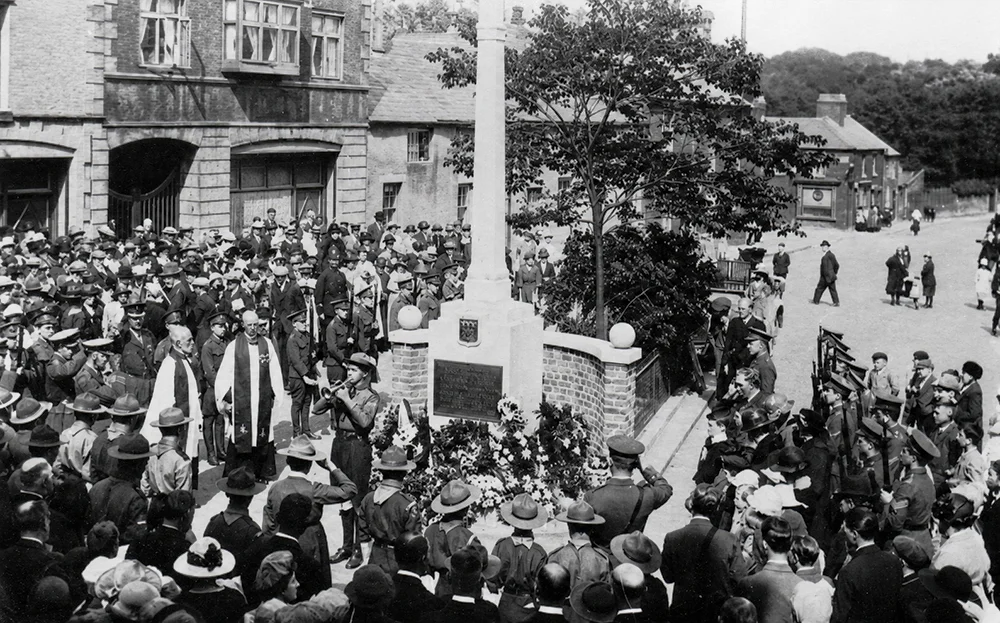
Armistice Day 1020s. The gates on the left look pretty much as they do now. Historic photograph (public domain). Digital restoration and enhancement © Deeper Blue Marketing & Design Ltd 2026.
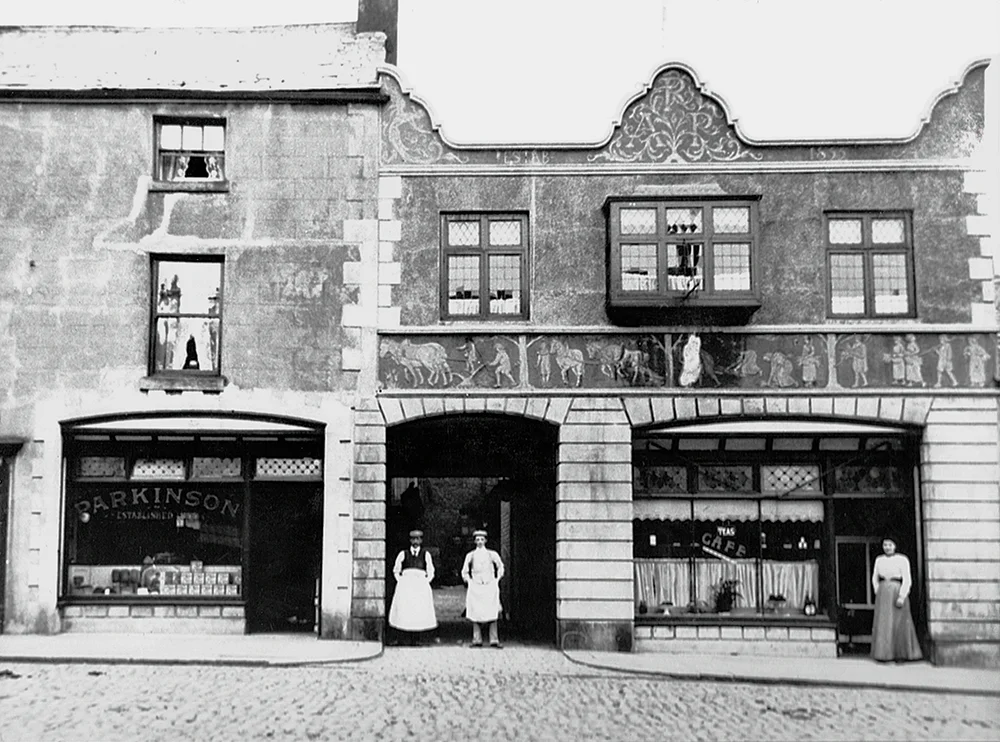
1920s Workhouse Square. Historic photograph (public domain). Digital restoration and enhancement © Deeper Blue Marketing & Design Ltd 2026.
Before the reforms introduced by the Poor Law Amendment Act of 1834, responsibility for supporting the poor was largely organised locally. Poulton had its own workhouse and was one of only two places in the Fylde, alongside Kirkham, known to have operated one before the establishment of the Fylde Poor Law Union. When the new union was formed on 27 January 1837, Poulton unsuccessfully argued that it should become one of the administrative centres for the new system. Kirkham was eventually chosen and the union initially took over the existing Kirkham workhouse.
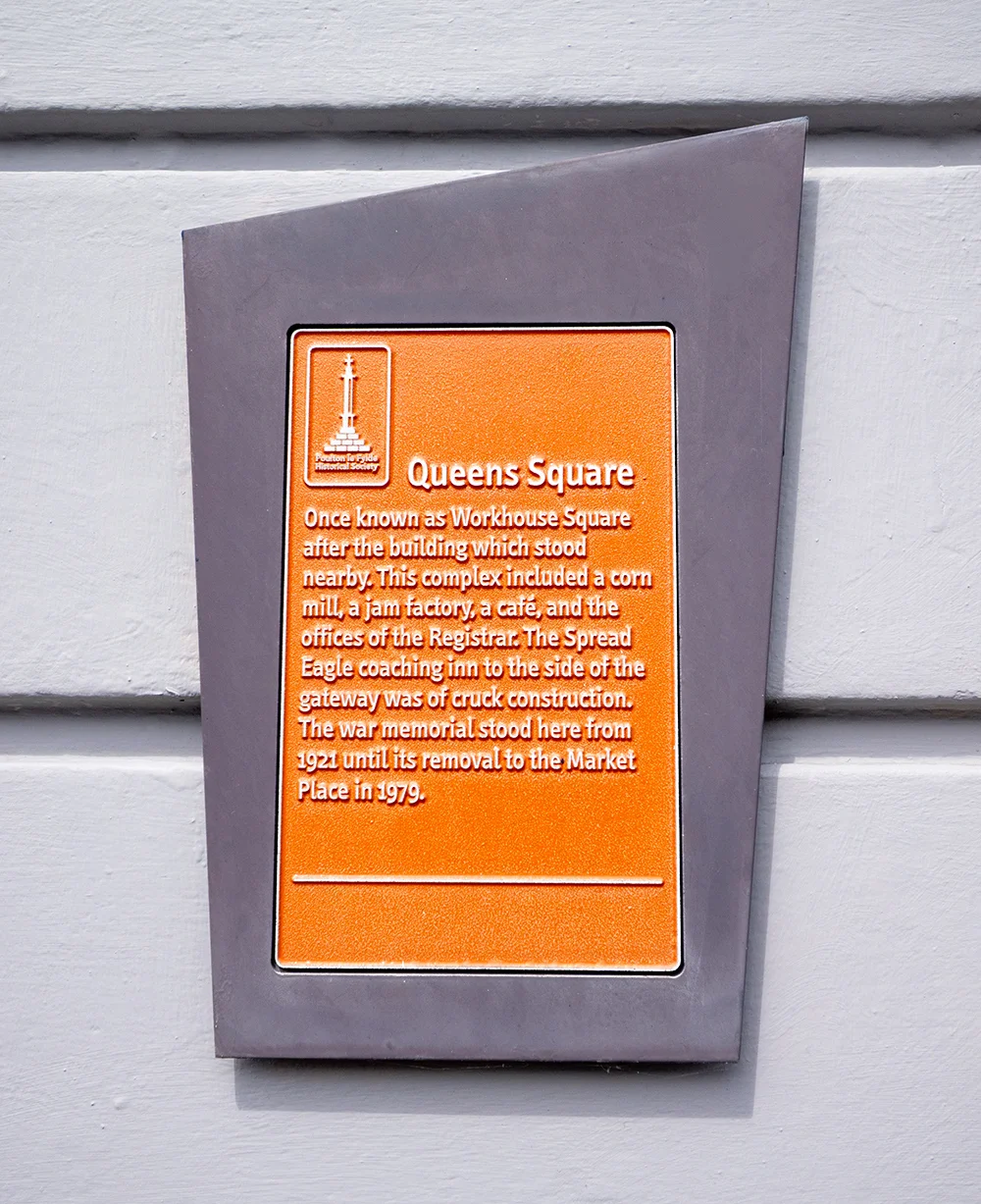
The name Workhouse Square survived into the early nineteenth century but was subsequently replaced by Queen’s Square. There is some evidence to support the long-standing local belief that the change was made to commemorate the coronation of Queen Victoria in 1838, although no surviving formal resolution has been identified to establish the precise date. Poulton-le-Fylde Historical and Civic Society records the change as possibly following the coronation celebrations, and street records from the period confirm Workhouse Square as the earlier name.
As the nineteenth century progressed, the character of Queen’s Square changed considerably. What had once been predominantly residential gradually became increasingly commercial, with shops and businesses occupying the buildings around the square. Historic photographs from around 1900 show a streetscape that remains recognisable today, although individual premises and their uses have changed considerably.
As Poulton developed during the nineteenth and twentieth centuries, Queen’s Square became a busy commercial and civic centre. The former workhouse site found a new lease of life, with its buildings accommodating a variety of businesses and public services, including a corn mill, a jam factory, a café and later the Registrar’s Office, illustrating how an area once associated with poor relief evolved into a thriving part of the town. Close by stood the historic Spread Eagle, a coaching inn renowned for its traditional cruck-framed construction, reflecting Poulton’s medieval architectural heritage.
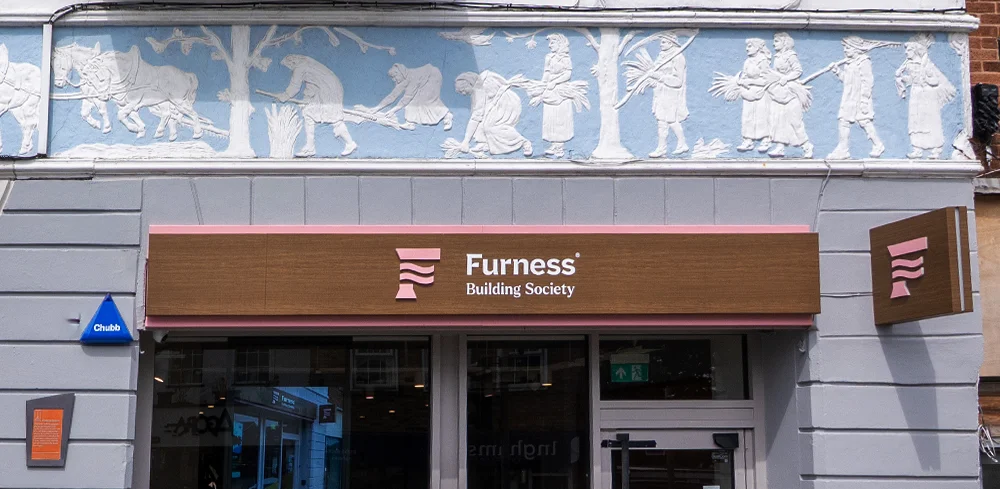
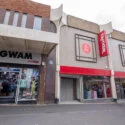
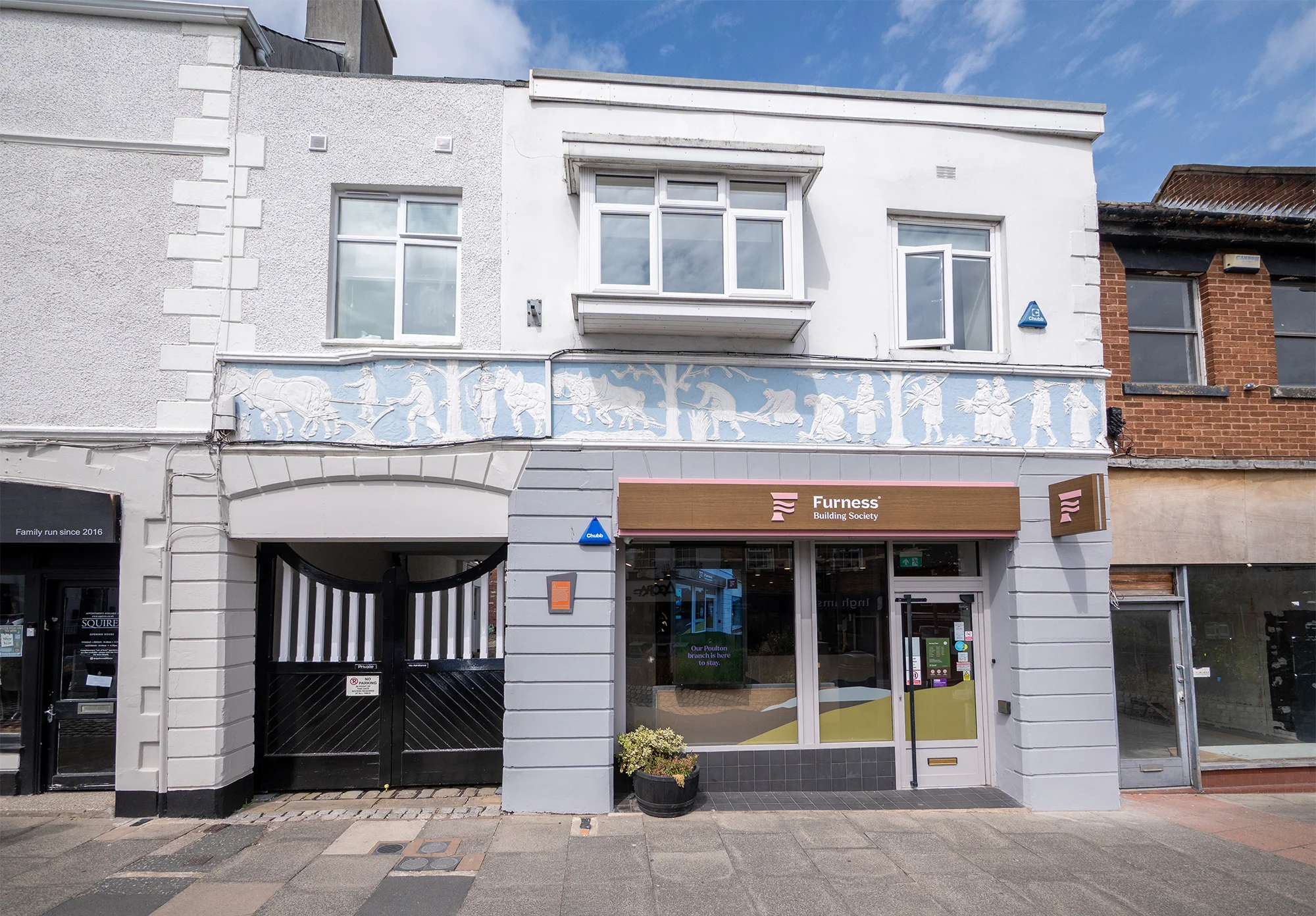
One of the most distinctive surviving features can still be seen above the premises occupied today by Furness Building Society at 9 Queen’s Square. Running across the first-floor frontage is an elaborate relief containing horses, people, trees and scenes of rural activity, picked out today in blue and white. Lancashire County Council’s historic photographic archive specifically identifies the feature as a frieze of farm-scene mouldings and confirms that the decorated building shown in an earlier photograph is the same building that survives at No. 9.
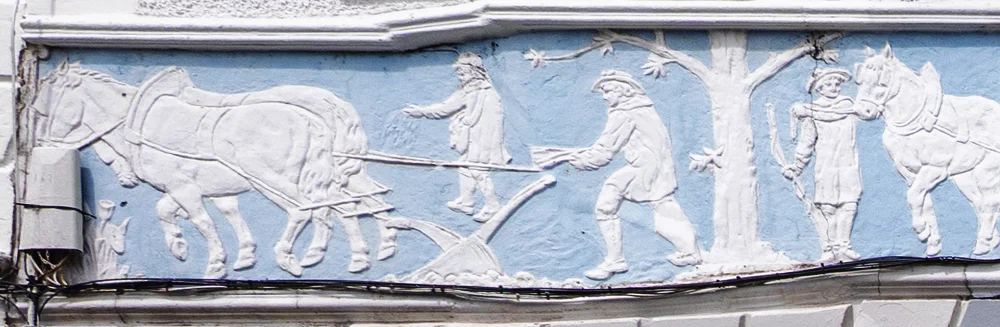
The left side of the relief, a ‘Greek frieze’.
There is also evidence connecting the premises with the Parkinson name and Poulton’s historic corn and food trades. A local architectural record describes the decoration as a Greek frieze above the former Parkinson’s corn millers and bakers shop. The agricultural subject of the surviving artwork would certainly have been appropriate for premises connected with corn, flour or baking, although the precise date at which the frieze was created, the identity of its maker and the circumstances in which it was commissioned have not yet been established. It is therefore safest to regard the farm scenes as a surviving feature associated with the building’s earlier commercial history rather than attribute a specific meaning to every figure depicted.
The Parkinson name also had a wider and well-documented association with Poulton’s corn trade. Parkinson & Tomlinson operated a substantial five-storey corn mill in nearby Chapel Street. The business traded as corn and oatmeal millers and seed merchants and became closely associated with Robert Parkinson Tomlinson, a prominent local businessman and public figure. Lancashire County Council records that Parkinson & Tomlinson finally wound up in 1970 and that the Chapel Street mill was demolished around 1973. Although the proximity and similarity of trade make the connection interesting, surviving evidence does not establish sufficiently clearly that the business occupying the decorated Queen’s Square premises and the later Chapel Street mill should be treated as exactly the same operation. Robert Parkinson Tomlinson became an important figure in Poulton in his own right. Born in 1881, he entered the corn trade and became regarded as knowledgeable on agricultural matters. In 1905, aged 24, he was elected to Poulton-le-Fylde Urban District Council, remaining a councillor until his death in 1943 and serving as chairman on six occasions. A Liberal, he also entered national politics and won the Lancaster parliamentary seat at a by-election in 1928, although he lost it at the following year’s general election. His career illustrates the importance that agricultural and milling businesses continued to have in Poulton well into the twentieth century.
 Queen’s Square acquired another important civic role following the First World War. Poulton’s War Memorial was erected there in 1921, becoming the focus for remembrance ceremonies and public gatherings. For almost sixty years the memorial formed one of the square’s most prominent landmarks, and historic photographs record it surrounded by shops and businesses as everyday life continued around it. In 1979 it was moved from Queen’s Square to its present position at the northern end of Market Place, close to St Chad’s Church. Lancashire County Council’s archive independently confirms both its erection in 1921 and relocation in 1979.
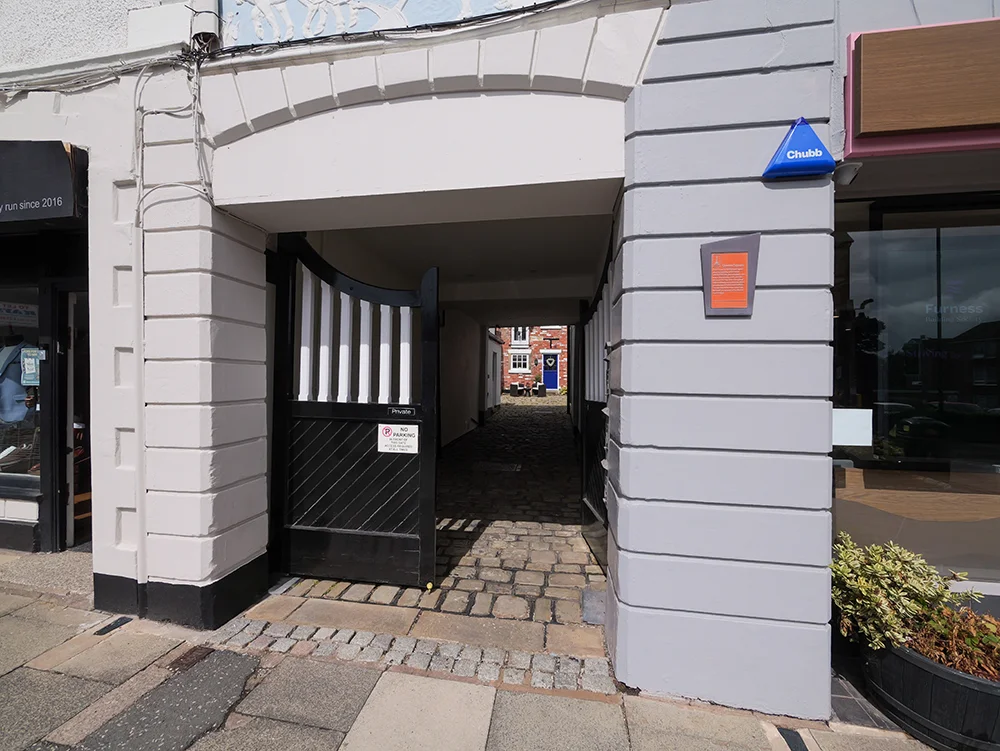
The buildings surrounding Queen’s Square continued to change throughout the twentieth and twenty-first centuries, but enough survives to preserve evidence of its earlier character. Particularly striking is the decorated frontage at No. 9. The farm-scene frieze can easily be overlooked from street level, yet it provides a tangible connection with a period when Poulton’s businesses were closely tied to the agricultural economy of the surrounding Fylde countryside. The orange heritage plaque now displayed below it further draws attention to the historical importance of the premises. Queen’s Square therefore preserves several distinct layers of Poulton’s history within a relatively small area. Its original name recalls the parish workhouse and the old system of poor relief; its present name appears to have emerged during the celebrations surrounding the young Queen Victoria; its buildings record the growth of Victorian and later commerce; the surviving agricultural frieze recalls businesses connected with the produce of the Fylde; and for much of the twentieth century the square was home to Poulton’s War Memorial. What is now a busy route through the town centre consequently retains connections with more than two centuries of Poulton’s social, commercial and civic history.
Images by © Deeper Blue Marketing & Design Ltd


