






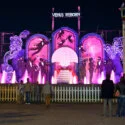












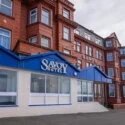









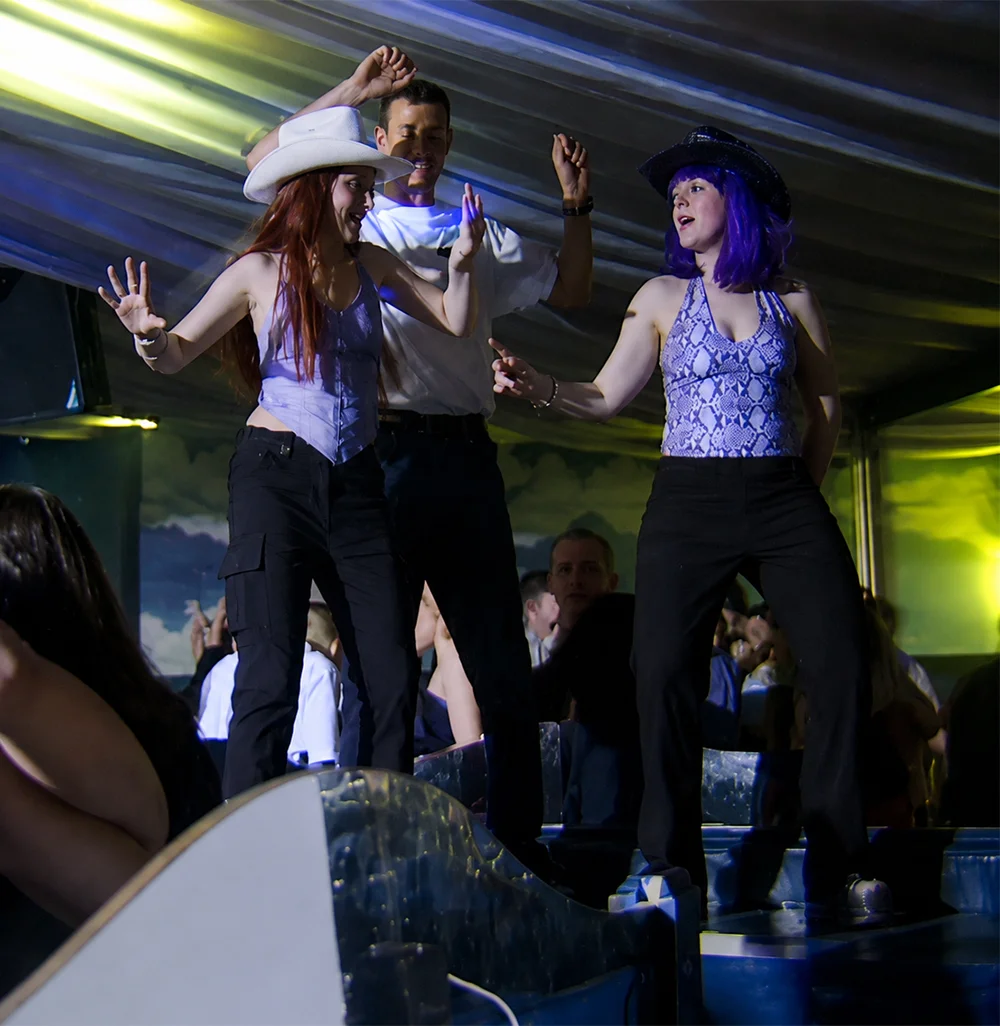
 Heaven & Hell became one of the best-known names in Blackpool nightlife at the end of the 1990s, opening on the Promenade in 1998. The club occupied the former Madison Avenue and Macy’s complex, a building which had also briefly housed the Rollerama skating rink. The Blackpool venue was the first Heaven & Hell nightclub in what subsequently developed into a wider national chain.
Its arrival coincided with a particularly active period for Blackpool’s late-night entertainment industry. Although considerably smaller than the vast Palace nightclub nearby, Heaven & Hell established a distinctive identity through a format reflected directly in its name. The venue was divided into two contrasting environments. Heaven concentrated on pop, chart and more commercial music, while Hell offered house and dance music. This allowed customers to move between different styles during the same night and helped the club appeal to a broad audience rather than concentrating entirely on one section of the rapidly changing dance music scene.
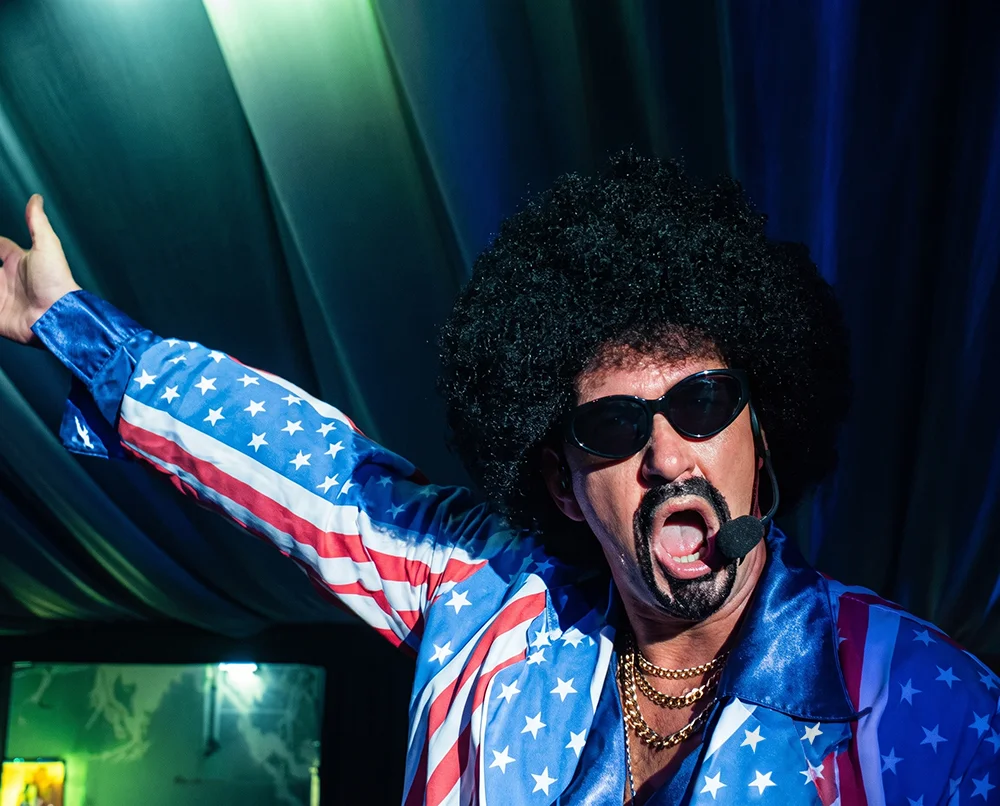 One of the personalities frequently associated with Heaven & Hell was DJ and entertainer Lionel Vinyl. Already an established figure in North West entertainment, Lionel developed a flamboyant disco persona built around 1970s music, dancing, comedy and audience participation. His appearances were as much a performance as a conventional DJ set, making him particularly suited to the lively and deliberately theatrical atmosphere of the venue.
Lionel Vinyl had strong connections with broadcasting in the region, including work for Red Rose Radio, Rock FM and Blackpool’s Radio Wave. His appearances at Heaven & Hell formed part of a much wider entertainment career, but for many people who experienced Blackpool nightlife during this period, his distinctive appearance and energetic performances became closely associated with nights out in the resort.
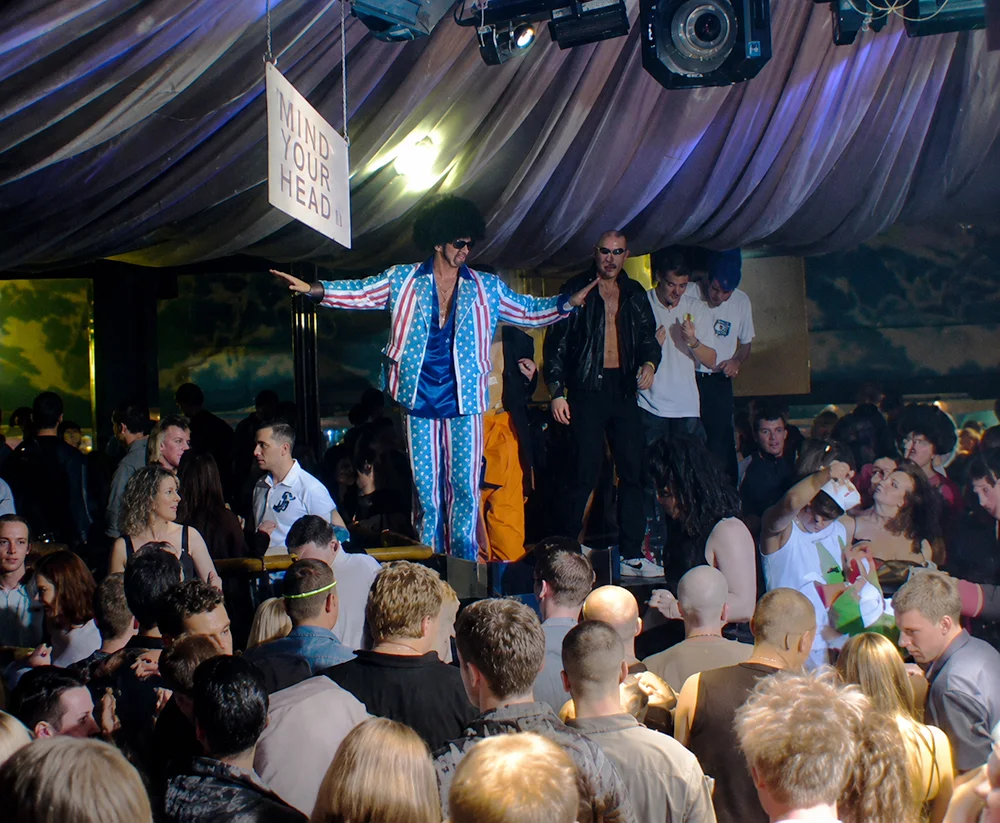 Heaven & Hell remained an established part of Blackpool’s nightclub circuit into the 2000s. Thursday, Friday and Saturday nights could draw substantial crowds, while the club’s programme ranged from accessible party nights to events representing the harder side of contemporary dance music. Its relatively compact size compared with some of Blackpool’s larger venues helped create a different atmosphere, with the two-room concept remaining central to its appeal.
By the middle of the 2000s, conditions facing Britain’s traditional nightclub industry were changing. Entrepreneurial Leisure, the company behind the Heaven & Hell chain, encountered financial difficulties as clubs faced changing drinking habits and increased competition following the extension of pub licensing hours. The Blackpool Heaven & Hell was sold before insolvency proceedings involving the company in 2006. Heaven & Hell closed in 2006 after approximately eight years on the Promenade, and the premises subsequently became a Sports Direct store. Its relatively short existence nevertheless coincided with an important period in Blackpool’s nightlife, when large purpose-built and themed nightclubs remained a major part of the resort’s attraction after dark.
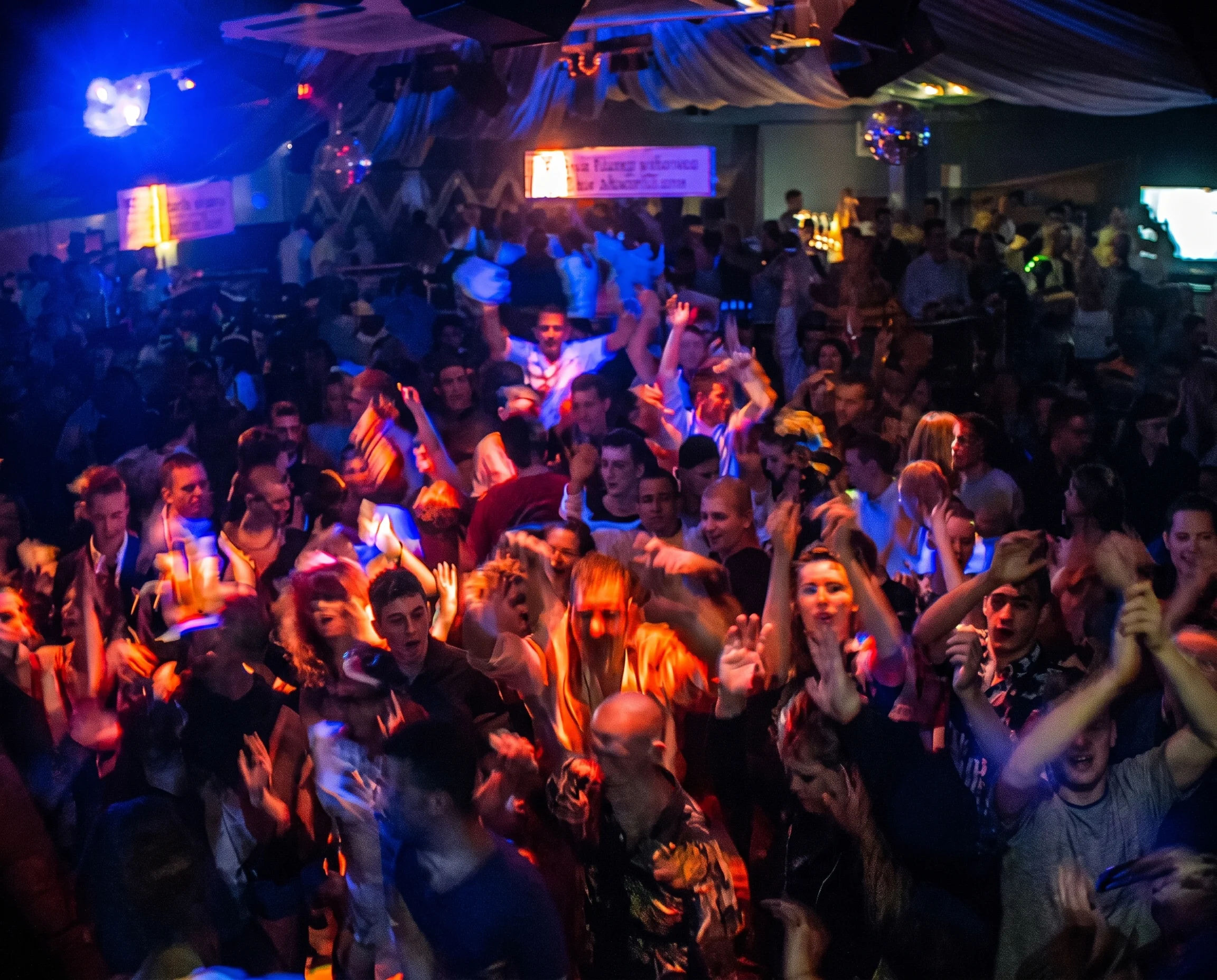 Heaven & Hell never needed to match the enormous scale of its larger competitors to make an impression. Its Heaven-and-Hell concept, prominent Promenade location and memorable entertainers gave the club a character of its own. Lionel Vinyl in particular became one of the personalities remembered from the venue’s busiest years, helping ensure that Heaven & Hell retained a place in the memories of a generation of Blackpool club-goers long after its doors had closed.
This exclusive video of Heaven & Hell was made by © Deeper Blue Marketing & Design Ltd
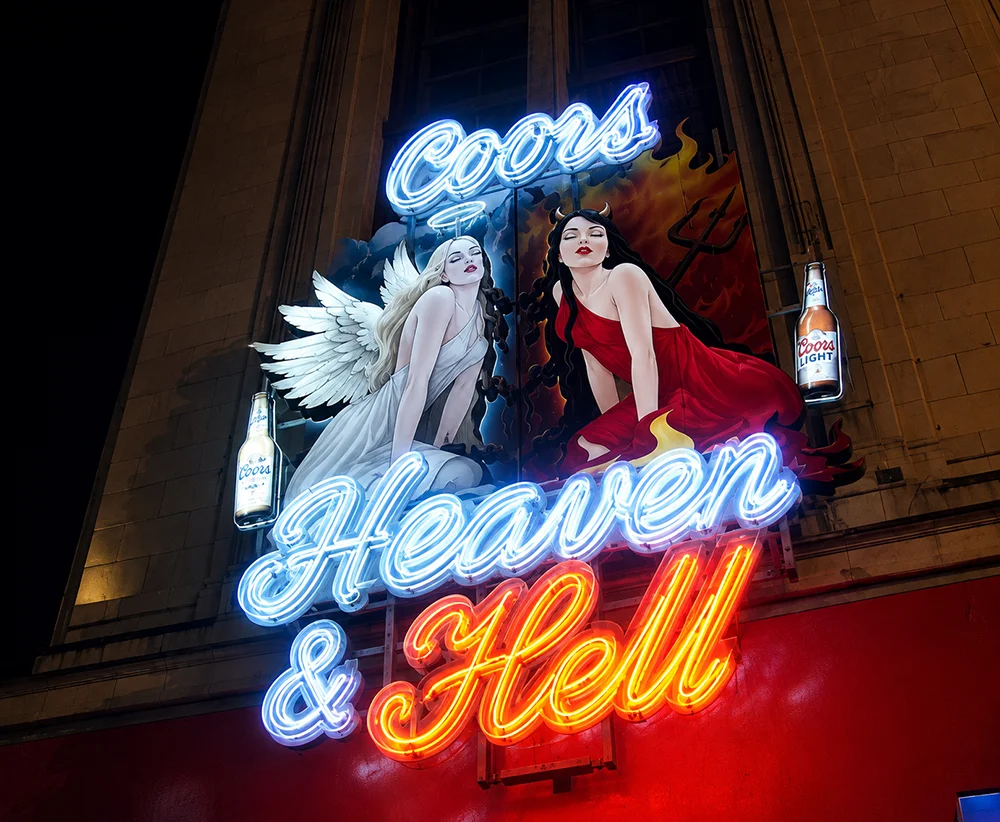
Images by © Deeper Blue Marketing & Design Ltd


