










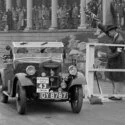






















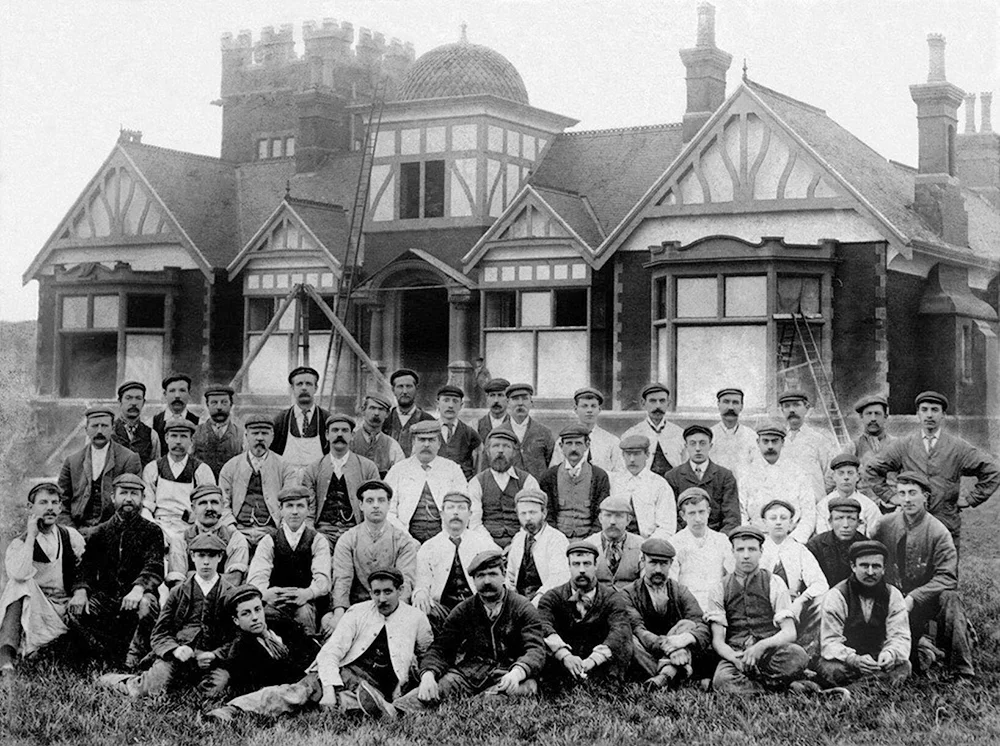
Illawalla and workmen c1902. © Alamy. Digital restoration and enhancement © Deeper Blue Marketing & Design Ltd 2026.
Standing on Skippool Road overlooking the River Wyre, The Illawalla was one of the Fylde Coast’s most remarkable private residences. Built in 1902, the striking Edwardian mansion was regarded as the largest bungalow in Europe at the time of its completion. With its distinctive tower, extensive landscaped grounds and commanding views across the estuary, it became one of the best-known landmarks in Skippool for almost a century before its demolition in 1996.
The house was commissioned by Charles Valentine Howarth, chairman of Blackpool’s Alhambra Theatre, who had previously converted an old warehouse at Skippool into a residence named Tarn Howes. Seeking an even grander home, he employed the Poulton-le-Fylde architects Fairbrother & Hall to design a residence unlike any other on the Fylde Coast. Construction began in 1902, and the foundation stone was laid on 12 June 1902 by celebrated male impersonator Vesta Tilley, who was appearing at the Alhambra Theatre in Blackpool at the time.
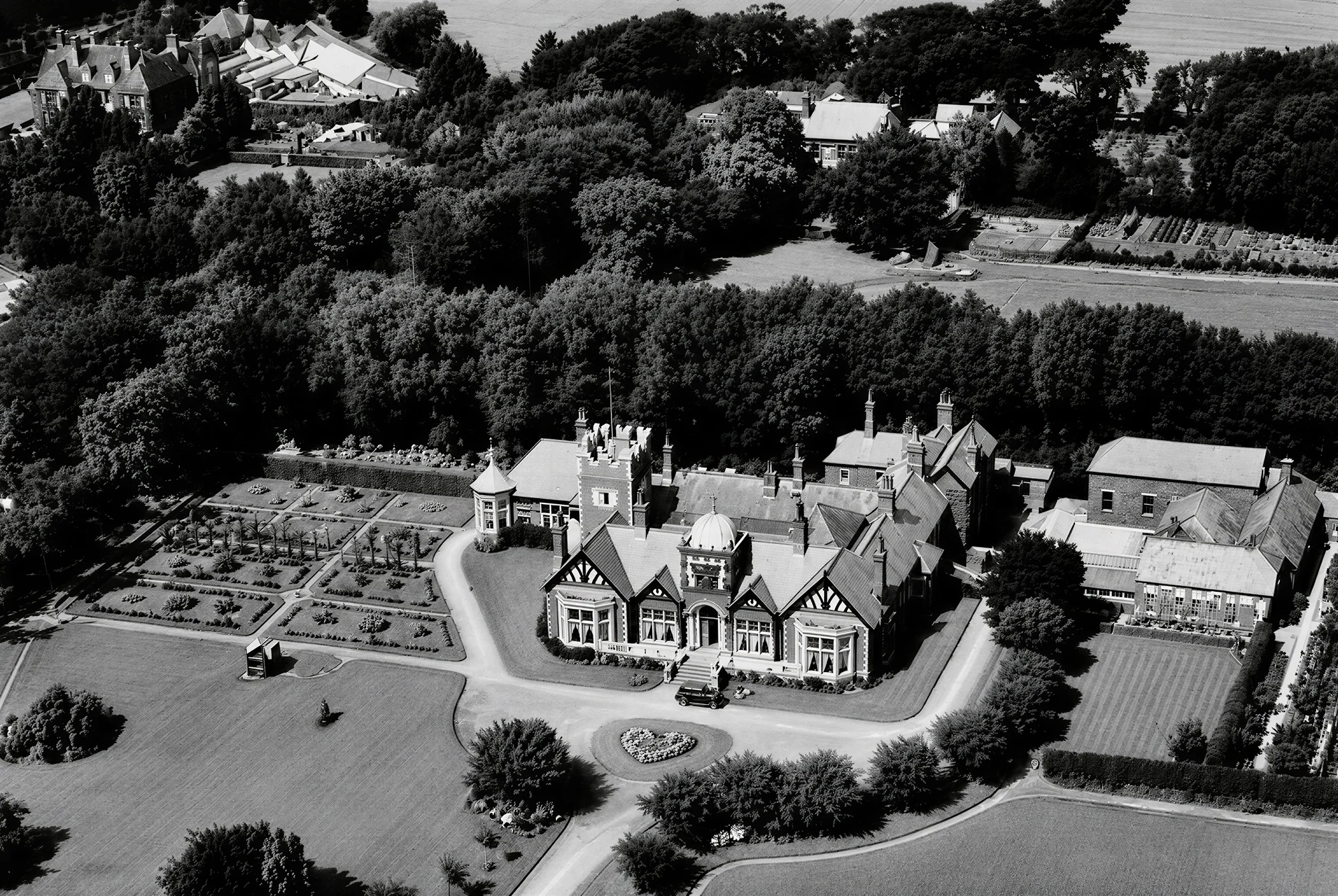
Illawalla Aerial Shot c1970 © Alamy. Digital restoration and enhancement © Deeper Blue Marketing & Design Ltd 2026.
The mansion’s unusual name, Illawalla, is believed to derive from an Aboriginal Australian expression meaning “house of plenty.” It is thought the name was later adopted by James Frederick Emery, one of the property’s best-known owners, reflecting his earlier years spent working as a government official in Australia. Inside, the house featured elegant reception rooms, richly decorated interiors and a plaster frieze depicting the wading birds of the nearby River Wyre, reinforcing its close connection with the surrounding landscape.
During the Second World War, the Illawalla entered a very different chapter in its history. After being purchased by James Frederick Emery in 1942, the family was unable to occupy the house because it had been requisitioned for military purposes. It first served as a British Army transit camp, was later used by the Home Guard, and subsequently became a Ministry of Health maternity home for pregnant women evacuated from areas threatened by bombing. After the war, the Emery family finally moved into the mansion, while James Emery leased part of the riverside grounds to Thornton Cleveleys Cricket Club, whose ground still occupies part of the estate today.
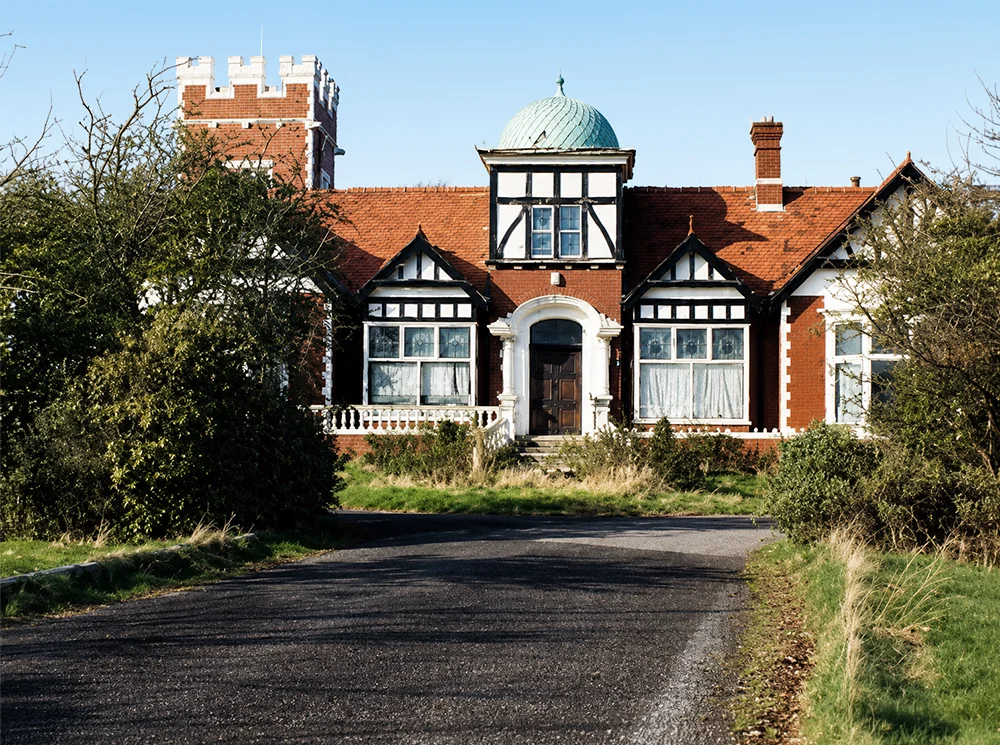
Illawalla photo taken by Karen Wilbur in 1993. Digital restoration and enhancement © Deeper Blue Marketing & Design Ltd 2026.
As the decades passed, the Illawalla found new uses beyond that of a private residence. Several scenes from the 1977 film Valentino were filmed within its impressive interiors, bringing the mansion briefly to the silver screen. In its later years, the building was converted into a country club and nightclub, becoming a popular destination for evening entertainment across the Fylde Coast. Many local residents remember the Illawalla as a lively venue during the 1970s and 1980s, long after its days as an Edwardian mansion had passed.
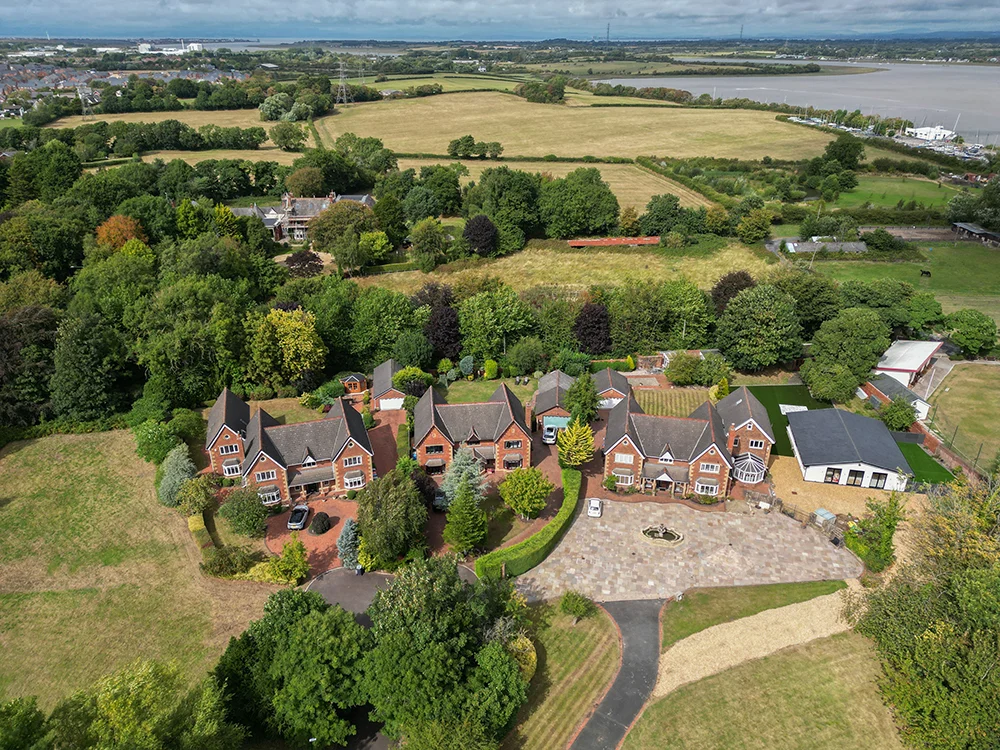
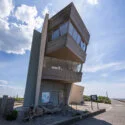
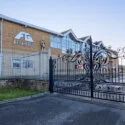
The Illawalla as it is today in 2026. © Deeper Blue Marketing & Design Ltd 2026.
By the early 1990s, however, the building had fallen into disrepair. Proposals to convert it into a school were rejected, and after standing derelict for several years, the Illawalla was demolished in April 1996. Three luxury homes were subsequently built on the site, although two carved stone gate pillars from the original mansion were retained at the entrance as a reminder of its former grandeur. The name also survives in The Illawalla, the private road serving the new homes, and in Thornton Cleveleys Cricket Club Illawalla, preserving the memory of one of the Fylde Coast’s most distinctive lost buildings.
Although the mansion itself has disappeared, the Illawalla remains an important part of Skippool’s history. From its origins as Europe’s largest bungalow and its wartime service, to its years as a country club and nightclub, the building reflected the changing fortunes of the Fylde Coast throughout the twentieth century. Today, its story lives on through photographs, local memories and the surviving features that continue to mark the site where one of Lancashire’s most remarkable Edwardian homes once stood.
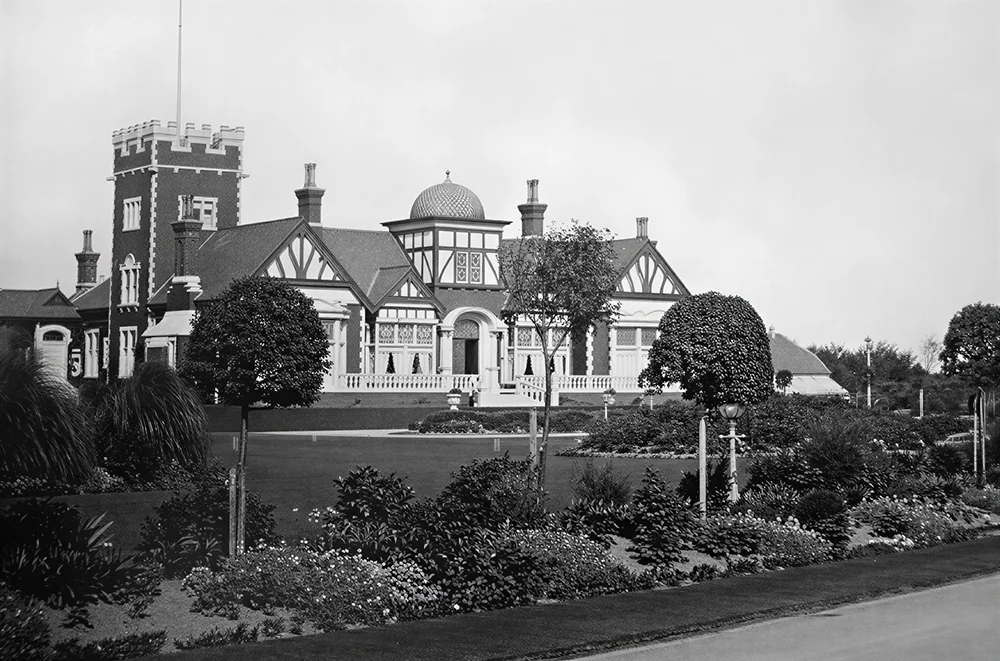
Historic photograph (public domain) c1903. Digital restoration and enhancement © Deeper Blue Marketing & Design Ltd 2026.
Featured Image © Public Domain

Additional Images © Deeper Blue Marketing & Design Ltd
Background Image © Alamy


