





















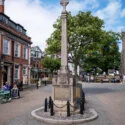












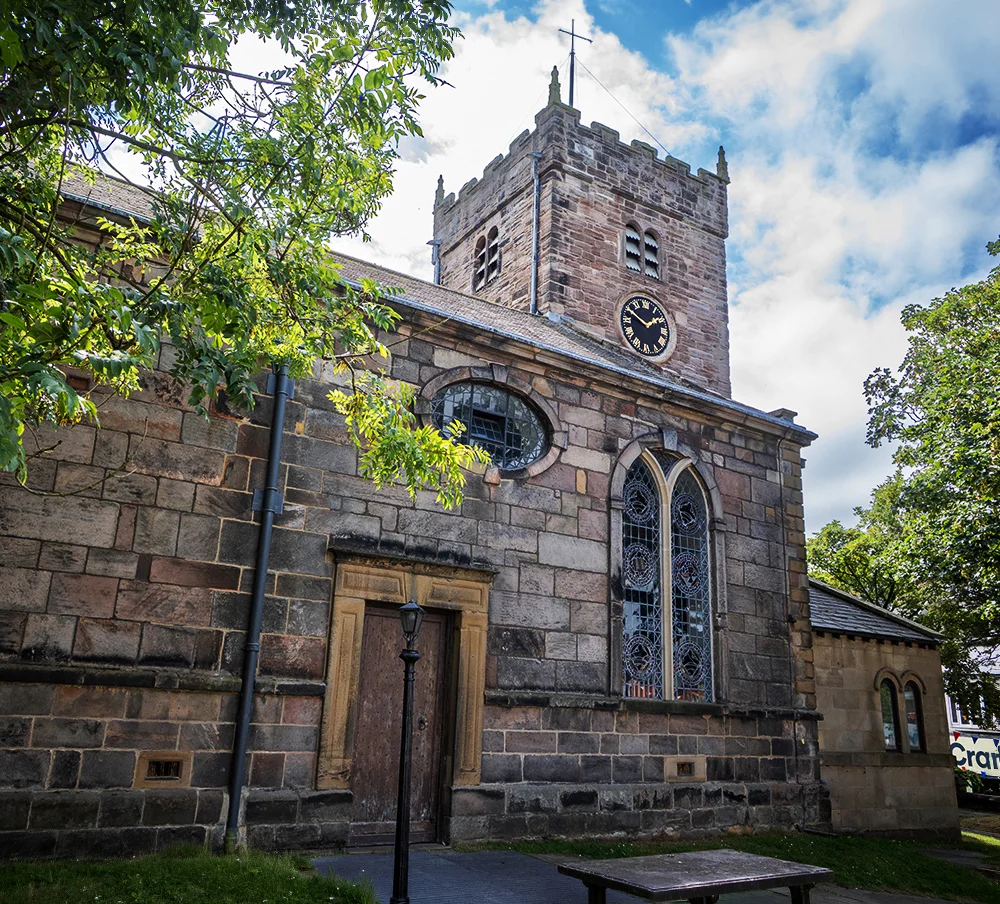
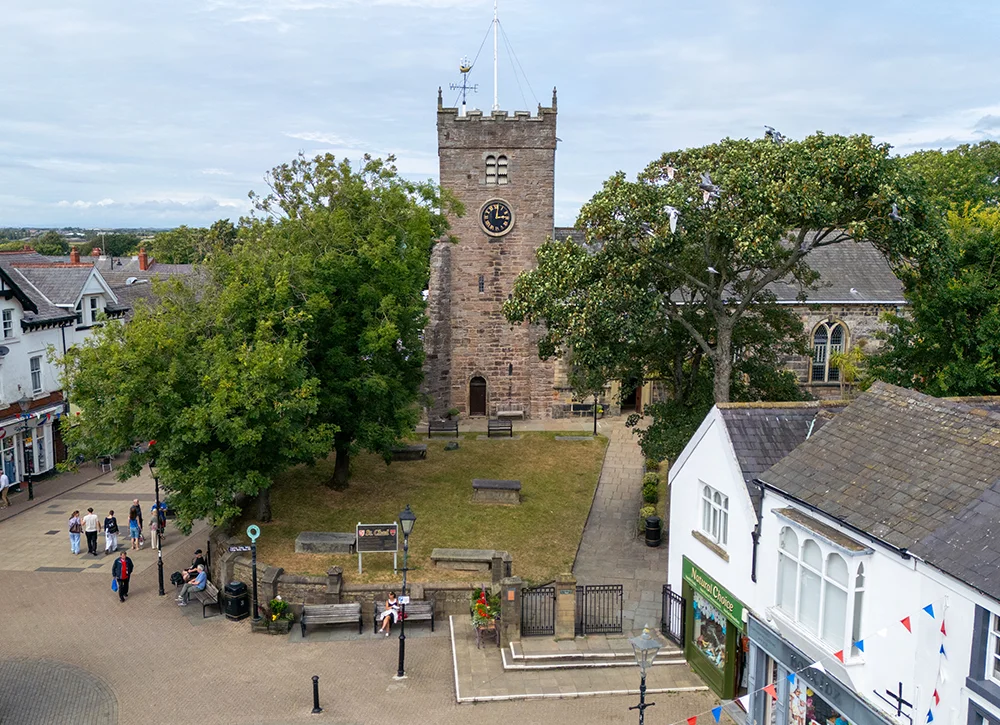
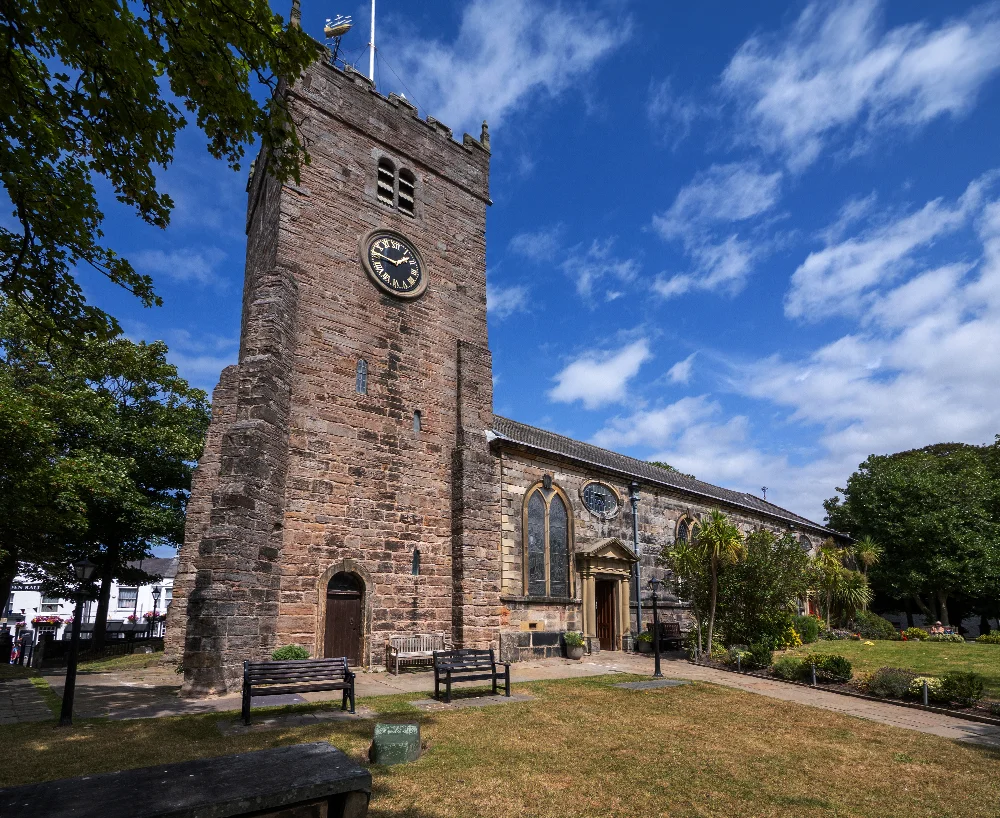
 Standing at the northern end of Poulton-le-Fylde’s Market Place, St Chad’s Church has occupied a central place in the life of the town for more than nine centuries. Its history reaches back to the earliest recorded years of Poulton itself, and although the building seen today has been altered and rebuilt many times, evidence suggests that worship may have taken place on the site before the Norman Conquest.
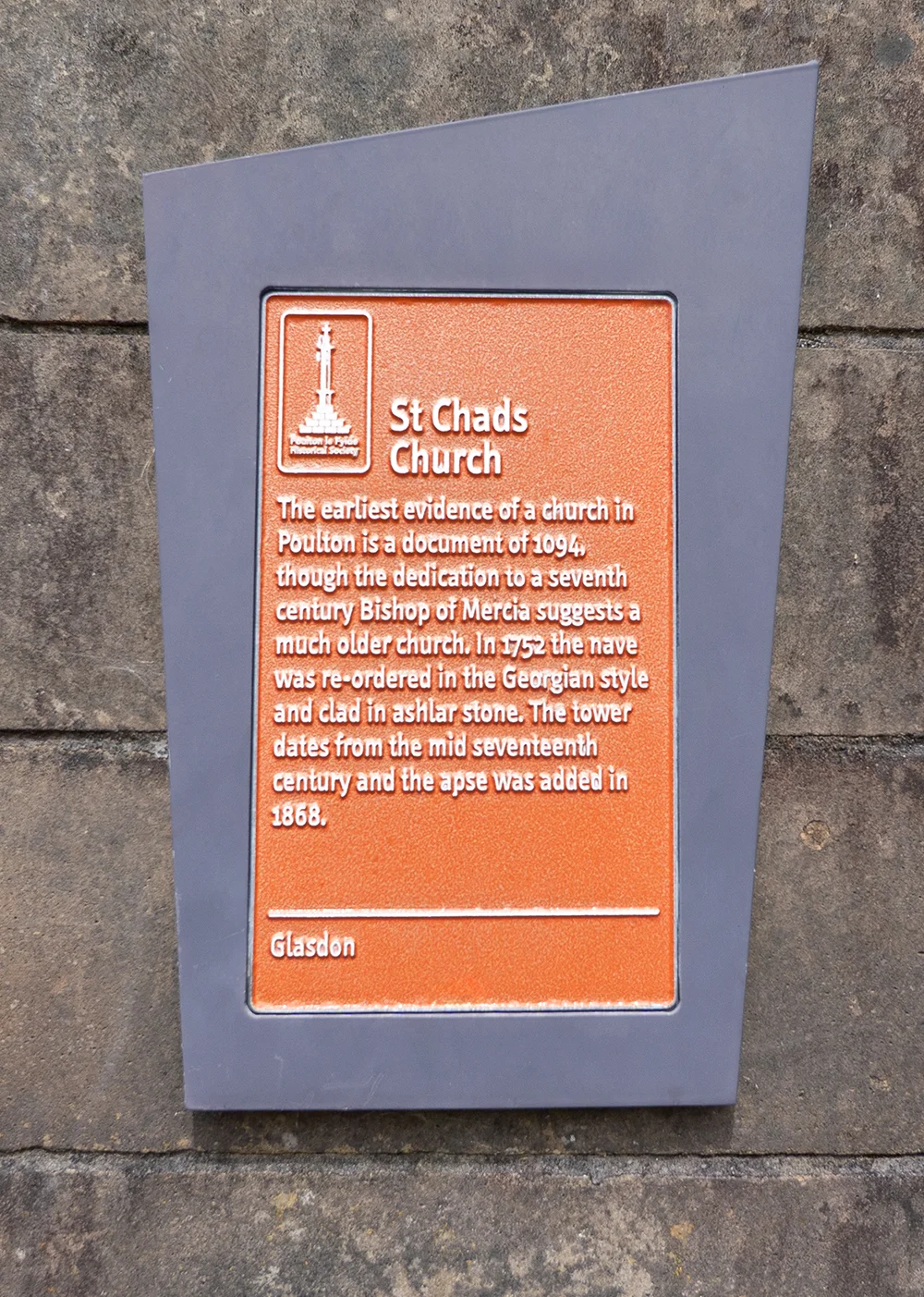
The earliest surviving documentary reference to the church dates from 1094, only eight years after Poulton was recorded as Poltun in the Domesday Book. In that year Roger de Poitou, the powerful Norman lord who controlled much of the area known as Amounderness, founded a Benedictine priory at Lancaster and granted it the church at Poulton. The dedication to St Chad, the seventh-century Anglo-Saxon churchman who became Bishop of Mercia, has been regarded as further evidence that a church may already have existed at Poulton before 1066, although its precise foundation date remains unknown.
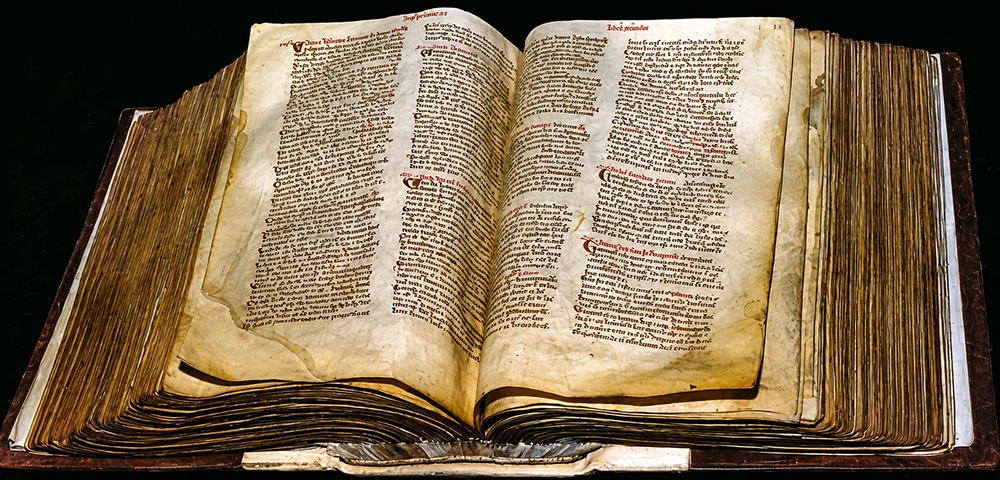
Doomsday Book
During the medieval period the church became the centre of a large parish extending considerably beyond the immediate settlement. Its position on elevated ground overlooking what developed into Poulton’s Market Place made the church and its churchyard a natural focus for the community. The surrounding churchyard was not simply a burial ground; in medieval times it was also a place where local people gathered, placing St Chad’s at the heart of both the religious and social life of the developing town.
 The church’s medieval estate extended beyond the churchyard itself. A vicarage and tithe barn were established nearby in the thirteenth century, with records dating their presence to 1287. The tithe system required parishioners to contribute a proportion of agricultural produce or income to support the church and clergy, and the barn provided somewhere for these contributions to be stored. The former vicarage grounds would remain associated with St Chad’s for centuries before eventually becoming part of the public open space now known as Vicarage Park.
St Chad’s passed through several changes of ownership and patronage during its long history. In the fifteenth century it came under Syon Monastery in Middlesex, before returning to the Crown following the Dissolution of the Monasteries in the sixteenth century. The right to appoint the parish priest subsequently became associated for centuries with the Fleetwood and Hesketh families, whose influence can still be seen inside the church.
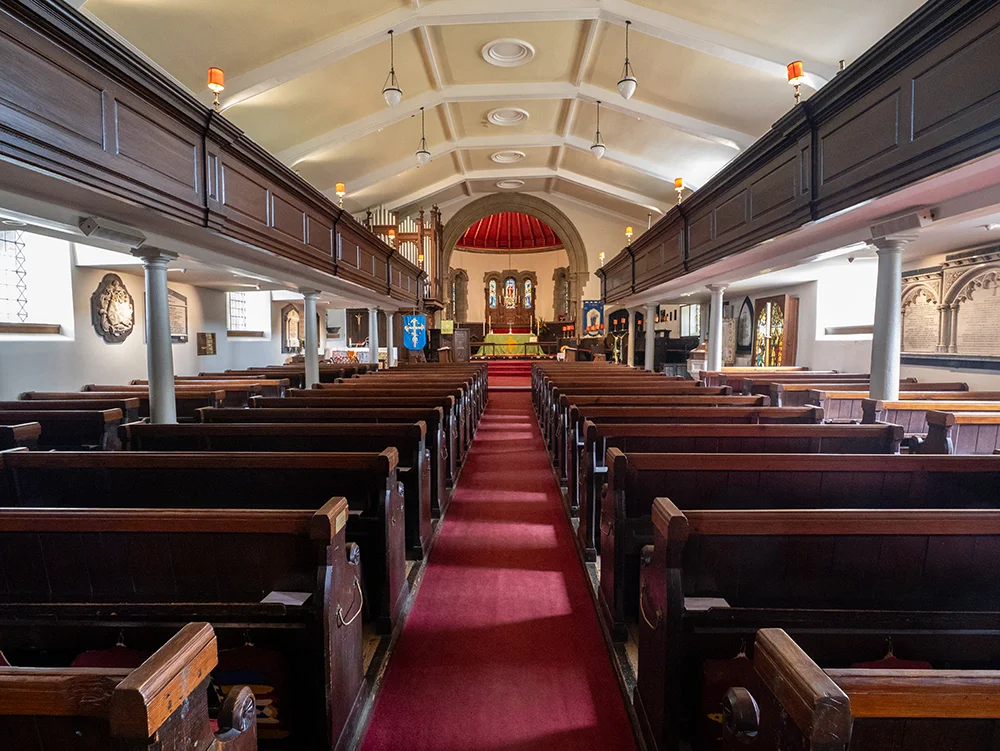
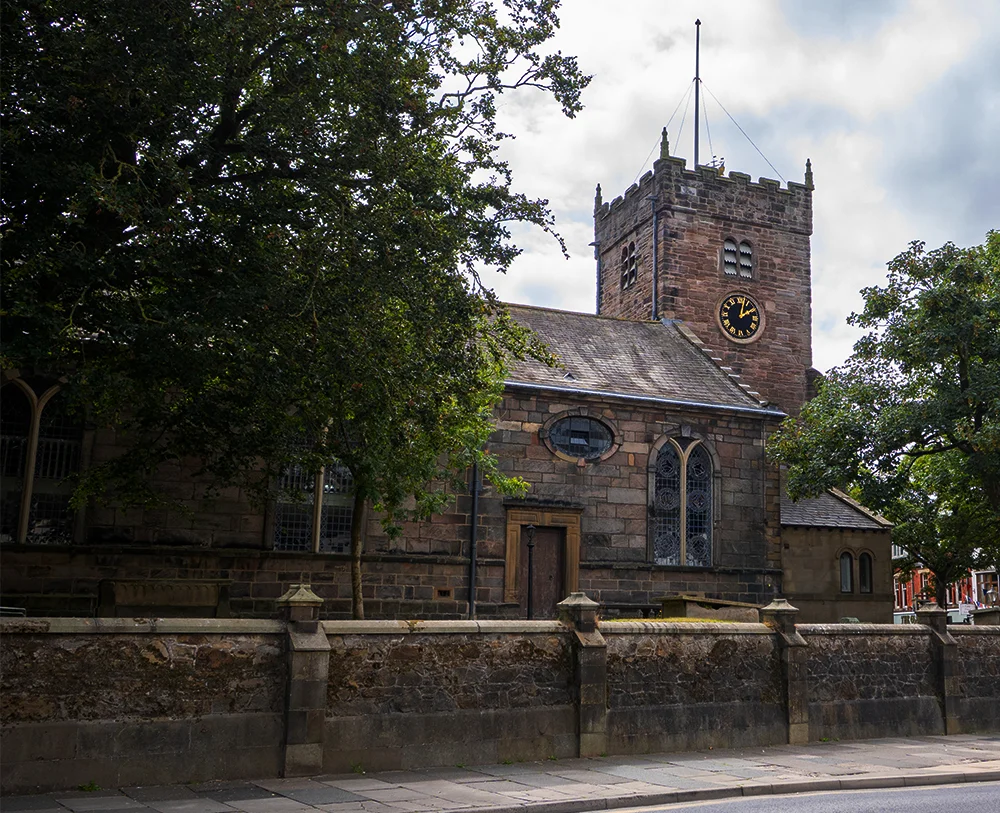
 The building itself bears evidence of successive generations rebuilding and adapting it. The square western tower dates from the seventeenth century and is one of the oldest substantial surviving parts of the present structure. A major reconstruction took place during the 1750s, giving much of St Chad’s the Georgian appearance it retains today. Although it was once believed that almost everything except the tower had been demolished during this work, later investigation established that portions of the earlier red sandstone walls survived and were incorporated into the rebuilt church behind the later grey ashlar facing.
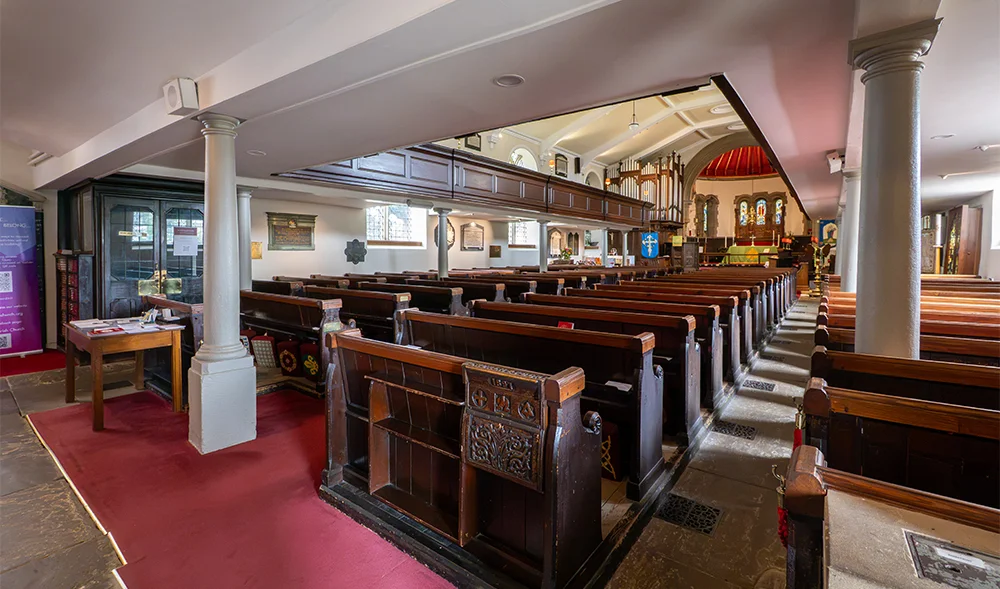
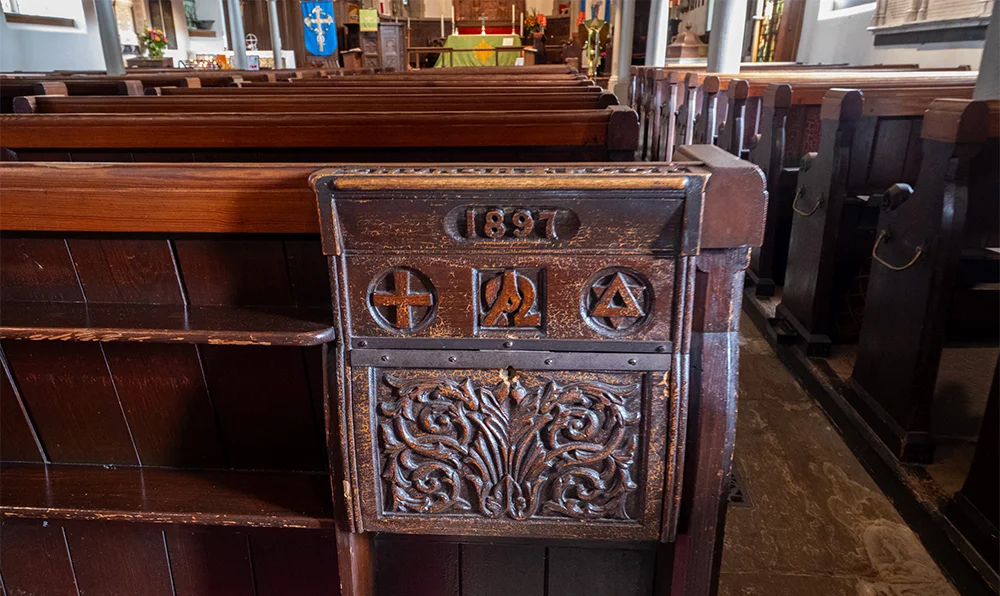
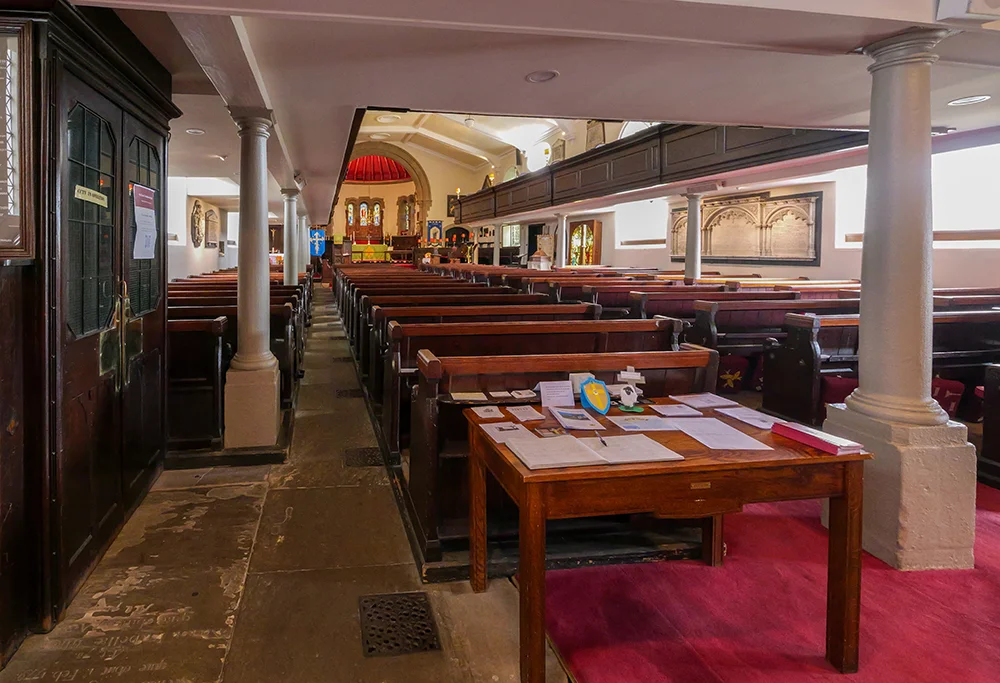 Several important eighteenth-century features also survive inside. Box pews dating from the rebuilding remain in the galleries, while memorials and heraldic hatchments preserve the connection with the Hesketh-Fleetwood family. Parts of an earlier seventeenth-century pulpit were later reused to create the present Jacobean-style pulpit. The tower contains a ring of eight bells, including five cast by Abel Rudhall of Gloucester in 1741. The bells once served a civic as well as religious purpose, and into the twentieth century were still being rung to signal Poulton’s traditional evening curfew during part of the year.
 Further changes came during the Victorian period. A Norman-style apsidal sanctuary was added in 1868 to designs by the Lancaster architectural practice of Paley and Austin. Further alterations followed under architect J. S. Crowther between 1881 and 1883, including a baptistery, changes to the organ and new choir stalls. Stained glass installed during the nineteenth and twentieth centuries included work by the noted Lancaster firm Shrigley and Hunt.
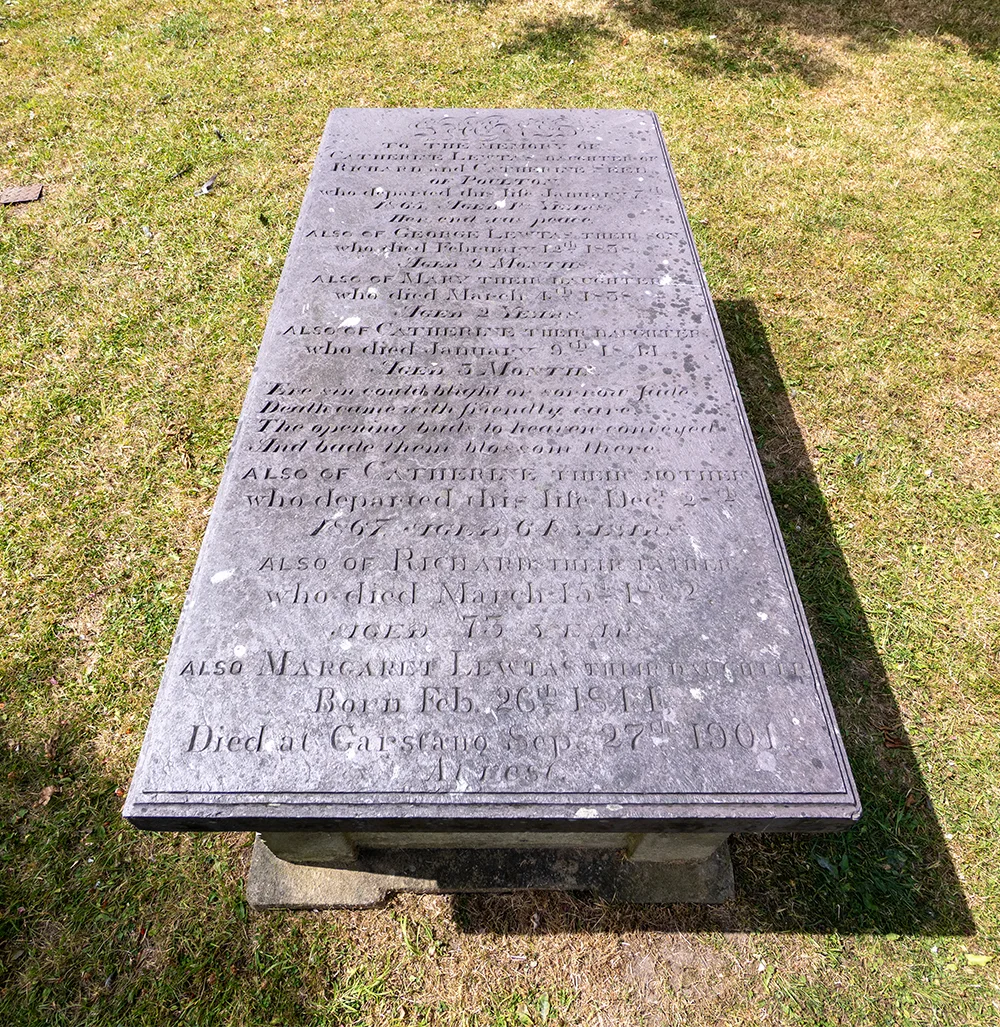
By the nineteenth century the ancient churchyard had become severely overcrowded. Space for new graves was increasingly difficult to find and concerns were raised about conditions within the burial ground. Poulton eventually opened a new cemetery and the churchyard was closed to further burials in 1884. Many historic graves nevertheless remain, preserving the names of generations of Poulton families.
 Among those later buried at St Chad’s was Jean Stansfield, the young Poulton girl whose name became associated with one of the town’s best-known parks. Jean died on 27 September 1923 and was buried in St Chad’s churchyard. Following her death, her parents decided that her memorial should provide something lasting for the children of the town. They purchased approximately two acres of glebe land from St Chad’s Church and presented it for use as a public recreation ground. The Jean Stansfield Memorial Park was dedicated on 17 June 1926, creating a direct connection between the ancient church lands and a public space that continues to serve Poulton a century later.
 That connection became still greater during the middle of the twentieth century. Land belonging to the former vicarage was sold to Poulton Council in 1951 and subsequently developed as Vicarage Park. In 1955 the old tithe barn was demolished as the former ecclesiastical land was transformed for recreational use, with tennis courts later occupying its site. Vicarage Park and the neighbouring Jean Stansfield Memorial Park gradually became interconnected and are now officially known as Jean Stansfield Memorial and Vicarage Park. The modern park therefore preserves, in a very different form, land whose history had been closely connected with St Chad’s for hundreds of years.
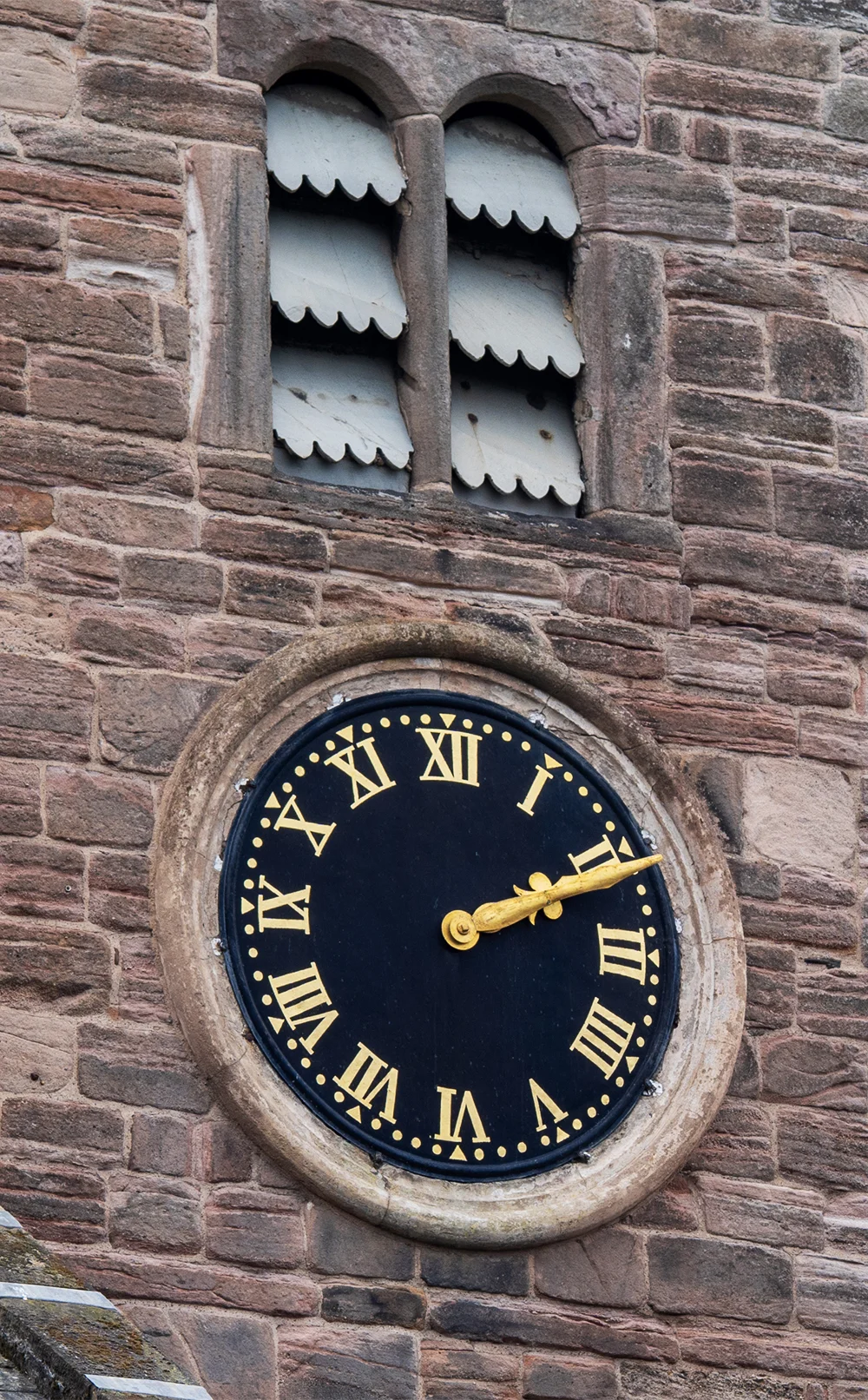 St Chad’s itself continued to change. Alterations in 1955 included the creation of a central aisle and changes to the church furnishings, while the church was formally designated a Grade II* listed building on 23 September 1950 in recognition of its architectural and historic importance. The churchyard was substantially reorganised in 1973, although a number of its historic table tombs were retained. Today it is particularly known for the display of crocuses that covers parts of the churchyard in early spring.
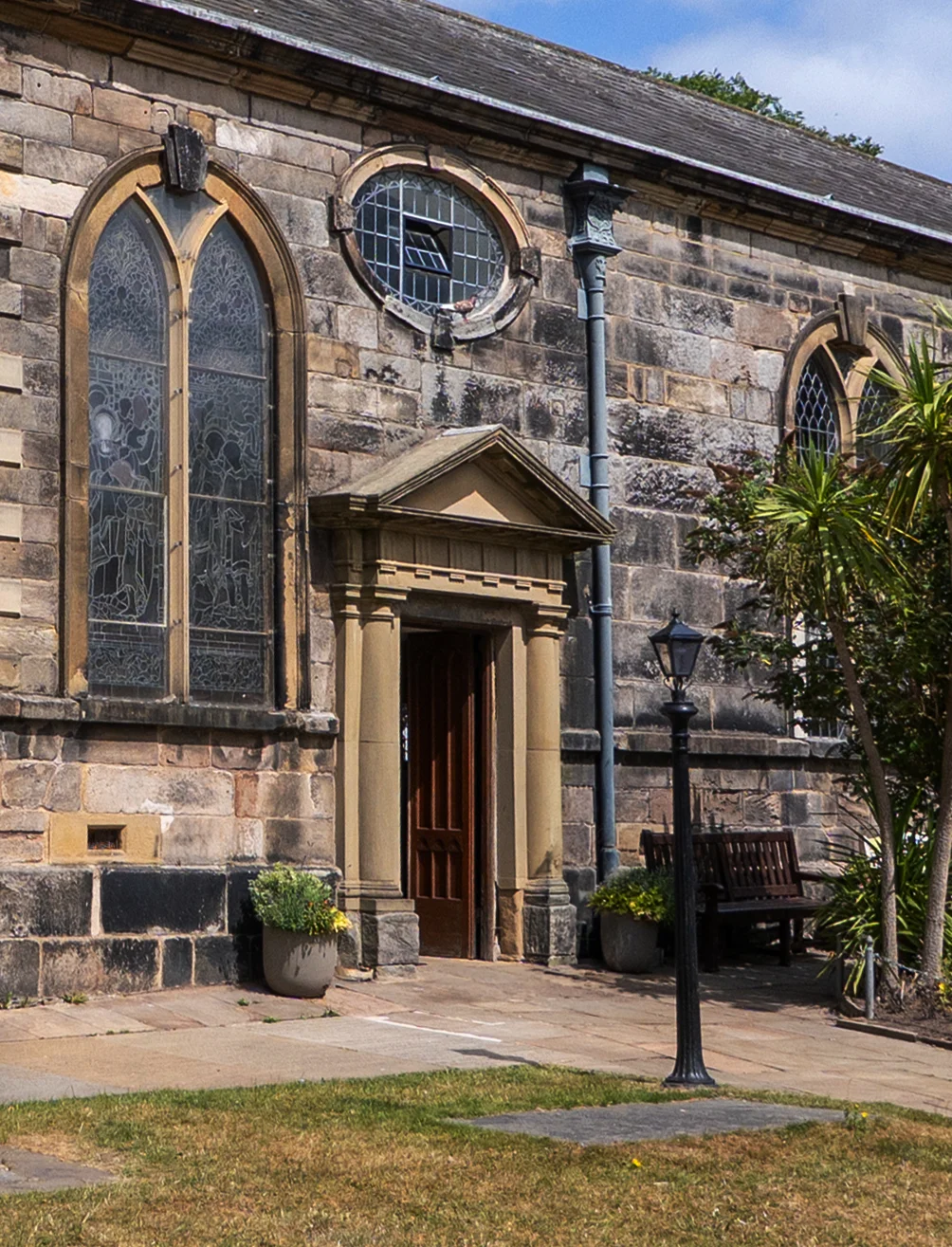 The relationship between St Chad’s and Poulton extends far beyond the history of the building itself. The church has stood beside the Market Place as Poulton developed from a small medieval settlement into a market town, witnessed centuries of baptisms, marriages and funerals, and influenced the ownership and eventual development of land around the town centre. The Market Place, former vicarage grounds, Vicarage Park and Jean Stansfield Memorial Park all form part of this wider story.
More than nine hundred years after its first documented appearance in 1094, St Chad’s remains an active parish church and one of the most recognisable landmarks in Poulton-le-Fylde. Behind its predominantly Georgian exterior are fragments of much earlier buildings, while the surrounding landscape retains connections stretching from medieval tithes and church lands to the creation of public parks in the twentieth century. Few places in Poulton provide such a continuous link between the town’s medieval origins and the community that surrounds it today.
Images by © Deeper Blue Marketing & Design Ltd


