









































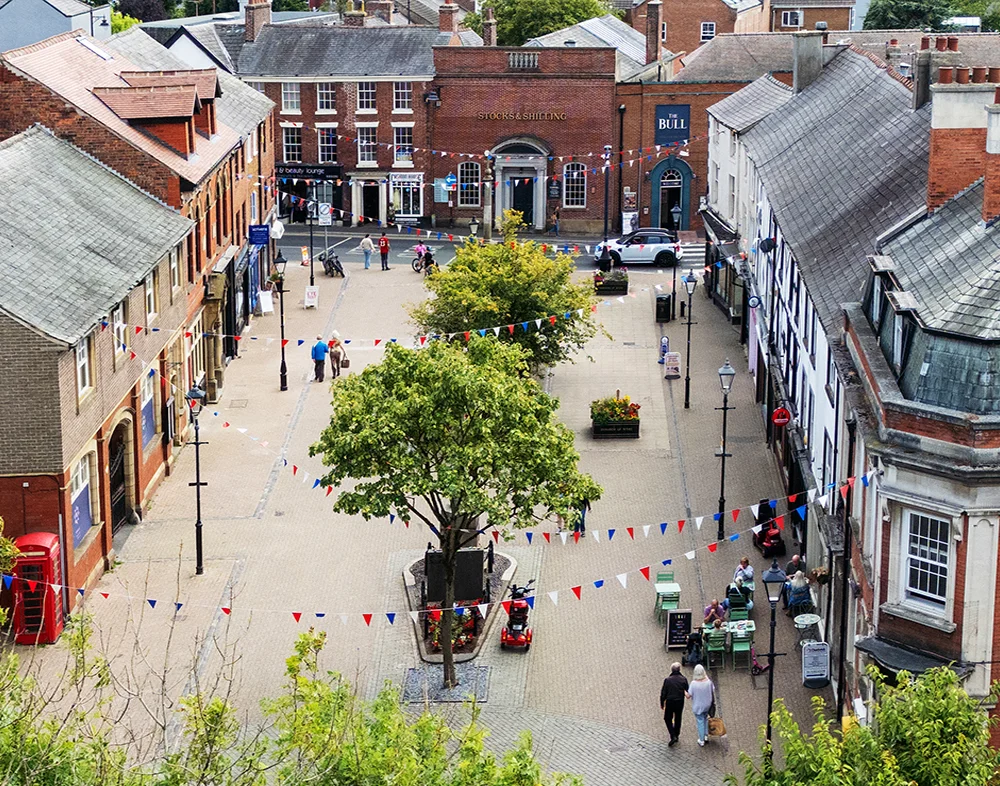
 For centuries, Poulton Market Place has been the beating heart of Poulton-le-Fylde, serving as the town’s commercial, social and civic centre. As one of the oldest surviving market squares in Lancashire, it has witnessed medieval trading, public celebrations, civic ceremonies and countless generations of daily life. Today, it remains one of the most distinctive and historically significant public spaces on the Fylde Coast. The origins of the Market Place date back to the medieval period, when Poulton developed as the principal market town for the Fylde. The town was mentioned in the Domesday book as ‘Poltun’ composed for William The Conqueror in 1086, though many historians agree that the market place would have existed centuries before. The town received the right to hold a weekly market and annual fairs, attracting farmers, merchants and traders from surrounding villages. Livestock, grain, dairy produce, fish, wool and locally made goods were regularly bought and sold in the square, establishing Poulton as the economic centre of the region long before the growth of Blackpool.
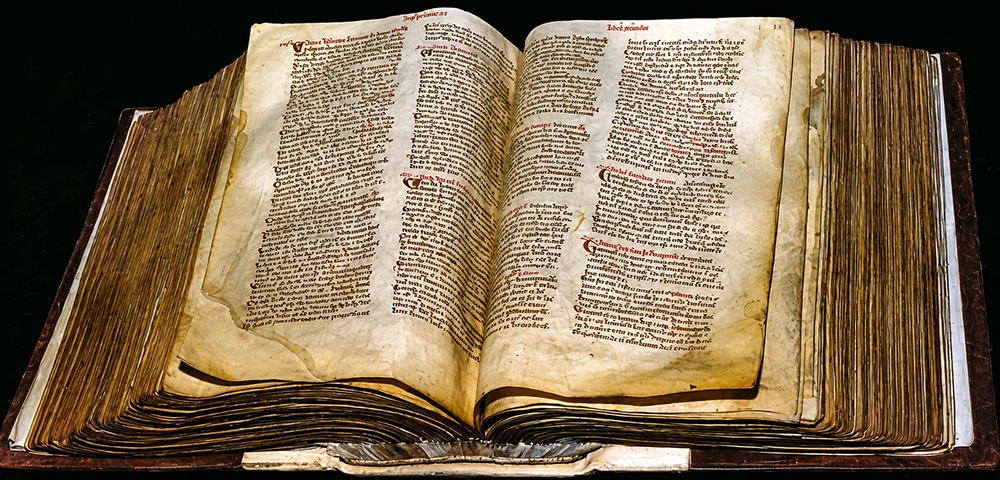
The Doomsday Book
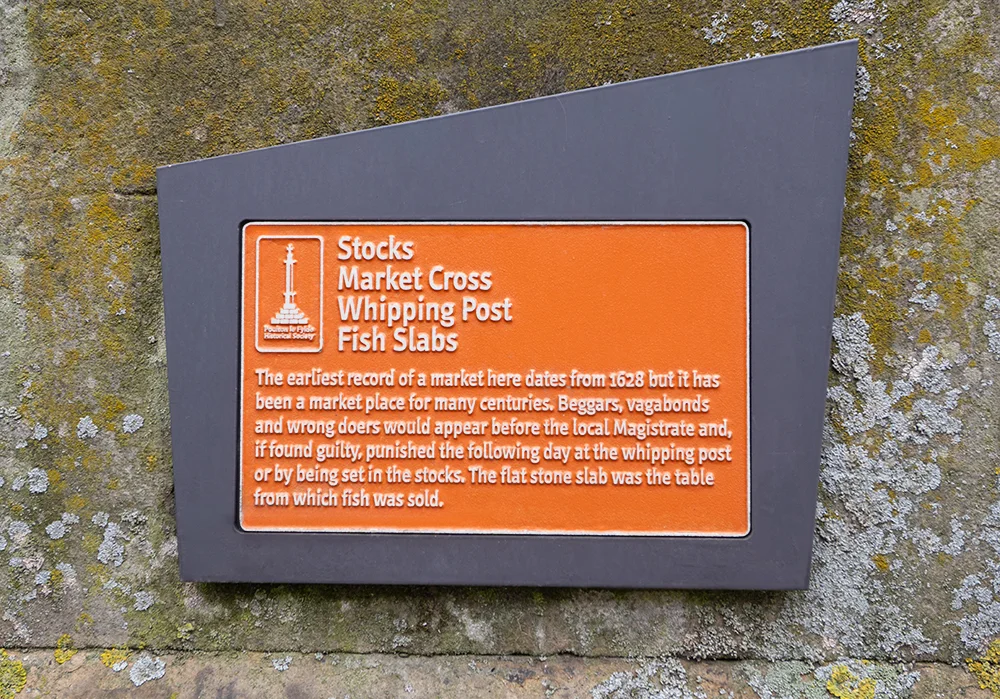
Unlike many historic market towns, Poulton has retained much of the character of its original marketplace. The broad open square remains surrounded by historic buildings, many dating from the eighteenth and nineteenth centuries, creating an attractive streetscape that reflects the town’s long history. Over the centuries, the Market Place has adapted to changing needs while continuing to fulfil its original purpose as a place where people gather to trade, meet and socialise. The square is home to several remarkable historic monuments that illustrate the changing life of the town. Among them are the Market Cross, Stocks, Whipping Post and Fish Stones, each representing a different aspect of Poulton’s history. The Market Cross symbolised the town’s right to hold markets, while the Stocks and Whipping Post served as instruments of public justice. The Fish Stones provided a designated area where fish could be displayed and sold, helping to maintain hygiene within the busy marketplace. Together, these rare survivals offer a fascinating insight into everyday life in a medieval and early modern market town.
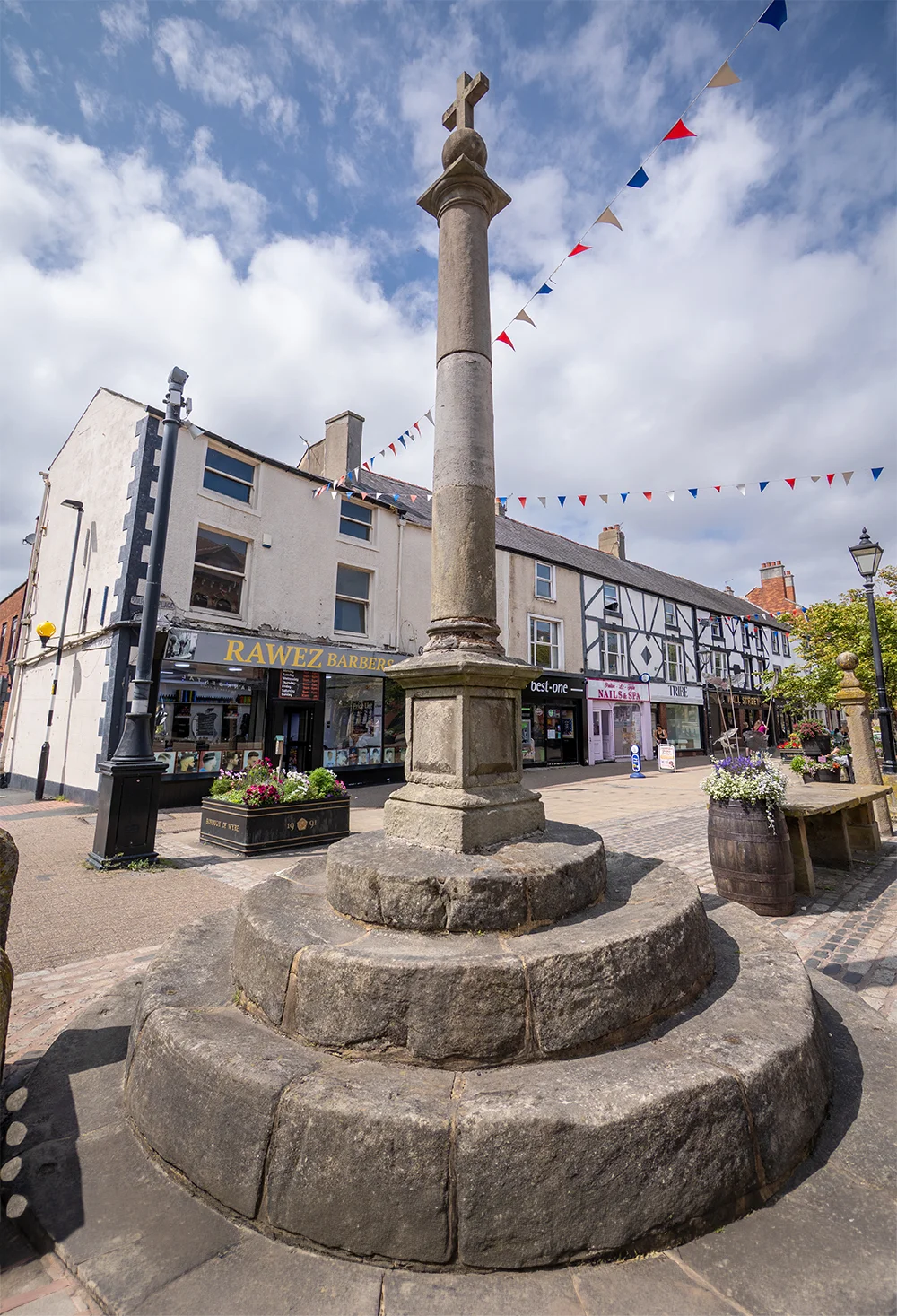
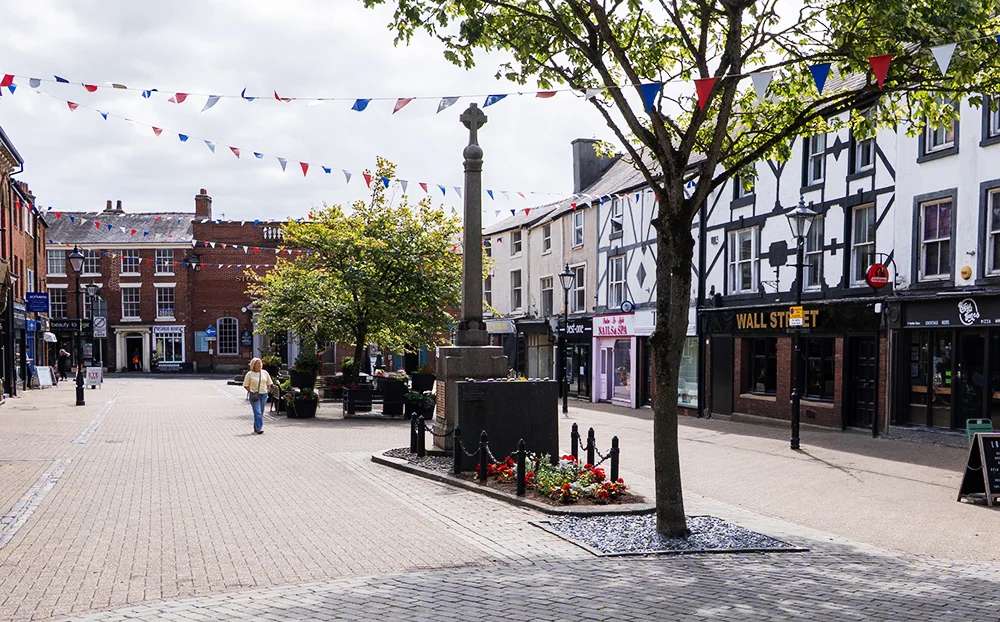
The Market Cross standing in Poulton Market Place is a genuine seventeenth-century structure and one of the oldest surviving reminders of the town’s long history as a trading centre. Although its precise date is unknown, it was probably erected during the 1600s and would have provided a recognised focal point for the market, where traders and townspeople gathered to conduct business. Built of stone, it consists of a Tuscan-style column formed from three tapering sections, standing on a square pedestal and four circular steps, with a ball and cross at its summit. Its survival is particularly significant because Poulton never received a formal market charter, its right to hold a market instead developing through long-established custom. The Market Cross remains in its historic setting alongside the fish stones, stocks and whipping post and was granted Grade II listed status on 23 September 1950.
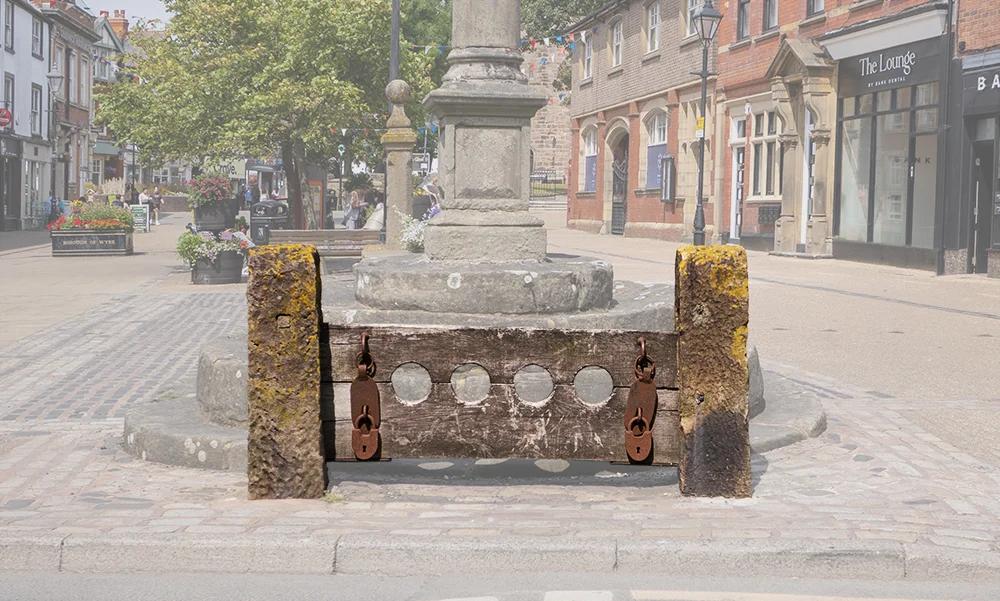
The stocks standing in Poulton Market Place are not simply a modern reminder of the town’s past, but the surviving remains of a genuine place of public punishment. Their exact date is unknown, although they are generally associated with the eighteenth century, when offenders could be secured by their legs between the wooden beams and exposed to public humiliation in the centre of the town. The original stone pillars survive, while the wooden beams have been replaced several times over their long history. Historic photographs show the stocks still standing beside the Market Cross and whipping post during the nineteenth century, and today they are protected as a Grade II listed structure.
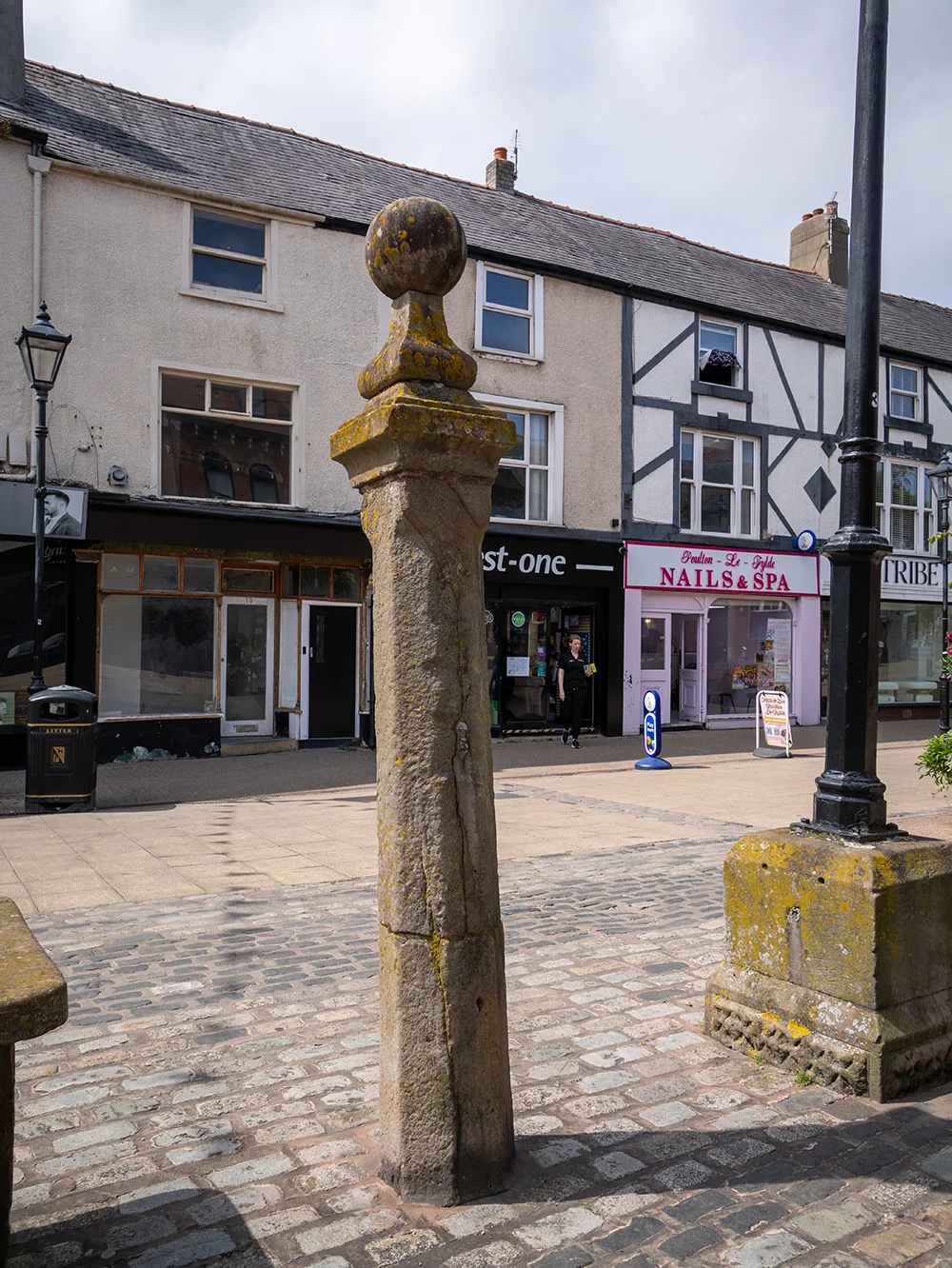
The whipping post standing in Poulton Market Place is another genuine survivor from the period when punishment was carried out publicly in the centre of the town. An offender sentenced to whipping would be secured to the post before receiving the prescribed punishment, deliberately placing the spectacle in public view. The exact age of Poulton’s stone whipping post is unknown, although it was certainly standing during the nineteenth century and appears alongside the stocks, Market Cross and fish stones in photographs from the 1890s. Unlike a decorative reproduction, the surviving post is recognised as an historic punishment structure and was granted Grade II listed status on 23 September 1950.
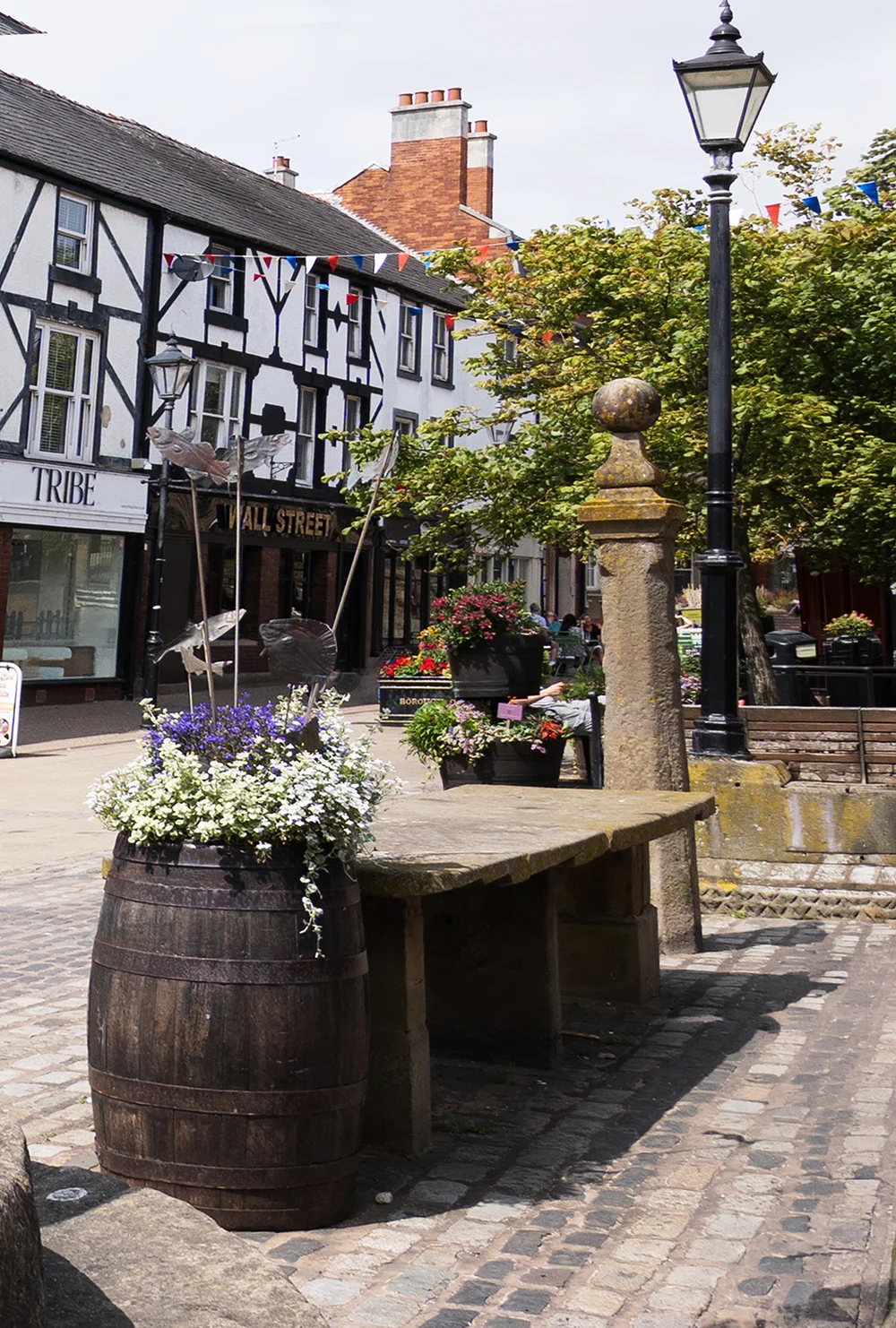
The fish stones in Poulton Market Place are genuine survivors from the town’s long history as a trading centre. Their precise date is unknown, although they are thought to date from around the eighteenth century, and consist of two heavy stone slabs raised on stone supports from which traders displayed and sold fish and other seafood on market days. They were certainly in place by the nineteenth century and can be clearly seen alongside the Market Cross, stocks and whipping post in photographs from the 1890s. Standing immediately beside the fish stones today is a wooden barrel topped by a metal sculpture of several fish, a much more recent addition which provides a visual reminder of the original purpose of the historic stones. The fish stones themselves were granted Grade II listed status on 23 September 1950 and remain an important reminder of Poulton’s centuries-old role as the principal market town of the Fylde.
Overlooking the square is St Chad’s Church, whose origins stretch back to the Anglo-Saxon period. The church and Market Place have developed side by side for centuries, with religious festivals, markets and civic occasions often taking place within the same historic setting. Their close relationship has helped define the identity of Poulton throughout its history. During the nineteenth century, the Market Place continued to thrive as agriculture remained central to the local economy. Horse-drawn carts, livestock and produce filled the square on market days, while nearby inns such as the Golden Ball and Bay Horse welcomed traders arriving from across the Fylde. As transport improved and the town expanded, Poulton retained its reputation as an important commercial centre, even as neighbouring Blackpool grew into a major seaside resort.
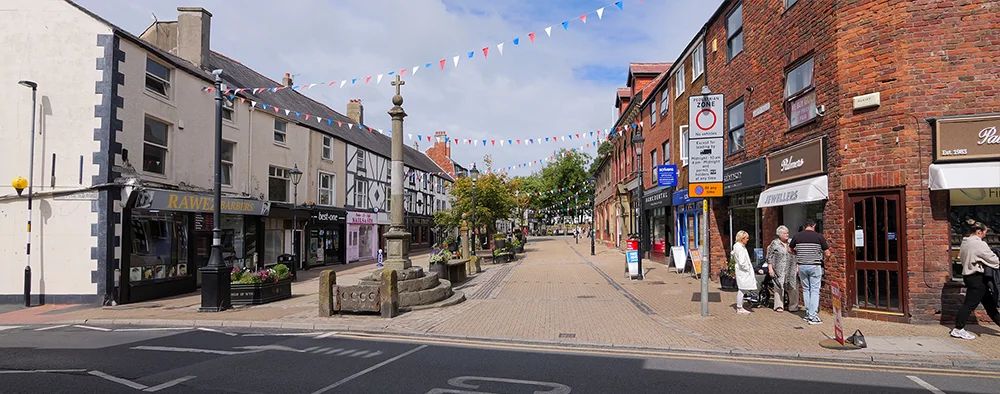 The twentieth century brought significant changes, including the redevelopment of parts of the town centre and the construction of the Teanlowe Centre. Despite these changes, great care was taken to preserve the historic character of the Market Place, ensuring that its ancient monuments and traditional layout remained at the heart of the town. This commitment to conservation has helped Poulton retain one of the most authentic historic centres in Lancashire.
Today, Poulton Market Place continues to play the role it has fulfilled for hundreds of years. Regular markets, seasonal events, farmers’ markets, Christmas celebrations and community gatherings attract visitors throughout the year, while the surrounding cafés, restaurants, independent shops and public houses create a lively atmosphere. The square remains a place where history is woven into everyday life, offering a direct link between the medieval market town and the vibrant community that exists today. Few places better illustrate the evolution of Poulton-le-Fylde than its Market Place. From medieval traders and livestock markets to modern festivals and outdoor events, it has remained the town’s civic and commercial heart for centuries, preserving a rich heritage while continuing to serve the community it was created to support.
Images by © Deeper Blue Marketing & Design Ltd


