





















Blackpool took a significant step towards becoming the UK’s City of Culture for 2029 when the government announced on 22 October 2026 that the resort had reached the final four in the national competition. The town was shortlisted alongside Sheffield, Milton Keynes and Wrexham, having progressed from an original longlist of nine contenders. If successful, Blackpool would become the first seaside resort to receive the prestigious title, bringing £10 million in government funding towards a year-long programme of cultural celebrations, performances and community activities.
The opportunity arose through the UK City of Culture competition, a government initiative established to recognise places where arts, heritage and creativity can help strengthen communities and encourage economic regeneration. First awarded to Derry in 2013, the title subsequently passed to Hull in 2017, Coventry in 2021 and Bradford in 2025. Although the competition is called City of Culture, eligibility is not restricted to places with formal city status, allowing towns such as Blackpool to compete. The award is made every four years, with the successful location hosting a programme of events designed to attract visitors, encourage participation in the arts and leave a lasting cultural legacy.
Blackpool’s involvement began when the council, working alongside the Arts Council England-funded Creative Blackpool development group, submitted an expression of interest to the Department for Culture, Media and Sport in January 2026. The proposal sought to build upon the resort’s distinctive entertainment heritage while demonstrating how culture could contribute to its future development. On 18 March, Blackpool was named among nine places invited to prepare a more substantial application, alongside Inverness-Highland, Ipswich, Middlesbrough, Milton Keynes, Portsmouth, Sheffield, Swindon and Wrexham. Each received £60,000 towards developing its bid, with Blackpool submitting its completed application in August.
 The campaign drew support from across the town and beyond, bringing together cultural organisations, businesses, performers, community groups and political representatives. Those involved included the Grand Theatre, LeftCoast, Aunty Social, House of Wingz, Bootleg Social, The Old Electric, Abingdon Studios and Blackpool and the Fylde College, alongside larger organisations such as Showtown and Blackpool Pleasure Beach. More than 60 organisations submitted or signed letters of support, while almost 30,000 people backed the campaign. The bid presented Blackpool as more than a traditional holiday destination, highlighting its contemporary creative industries, grassroots cultural activity and longstanding ability to bring people together through entertainment.
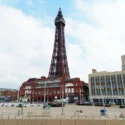
The timing carried particular significance. The proposed cultural year of 2029 would coincide with the 150th anniversary of the Blackpool Illuminations and the 135th anniversaries of both Blackpool Tower and the Grand Theatre. The Winter Gardens would also celebrate its 150th anniversary in 2028, providing an opportunity to connect some of the resort’s most recognisable landmarks with new artistic projects and celebrations. Blackpool’s proposal aimed to use these historic milestones as a foundation for a wider programme reaching neighbourhoods and communities throughout the town and the Fylde Coast.
Following an assessment of the nine full applications, the UK City of Culture Expert Advisory Panel, chaired by television writer and producer Sir Phil Redmond, recommended four finalists. The government confirmed the shortlist on 22 October 2026, placing Blackpool in direct competition with Sheffield, Milton Keynes and Wrexham. The announcement represented an important achievement for the resort, recognising both its established cultural identity and the ambitions of the organisations and individuals involved in developing its future.
 Blackpool Council leader Lynn Williams welcomed the decision, emphasising the town’s generations-long contribution to British entertainment and its distinctive working-class cultural traditions. Adam Knight, chair of Creative Blackpool, described the proposed programme as an opportunity to challenge expectations of the resort through imaginative events and new creative partnerships. Supporters also highlighted the potential economic benefits, including increased tourism, employment opportunities and greater access to cultural activities for local residents.
Reaching the final four did not guarantee the title. The remaining stage of the competition would involve visits to each shortlisted location by the expert advisory panel, followed by presentations and further discussions about the proposed programmes. The government expected to announce the winner in early 2027, with £10 million available to support the successful location’s celebrations. Each shortlisted place was also guaranteed at least £125,000 to take forward elements of its cultural proposals, regardless of the final outcome.
For Blackpool, the shortlist announcement was a recognition of an entertainment tradition stretching back well over a century. From the development of the great theatres, ballrooms and seaside attractions to the Illuminations, music festivals, community arts and contemporary performance, culture has played a central role in the resort’s identity. The 2029 bid offered an opportunity to celebrate that history while demonstrating how Blackpool’s creativity might shape its future.
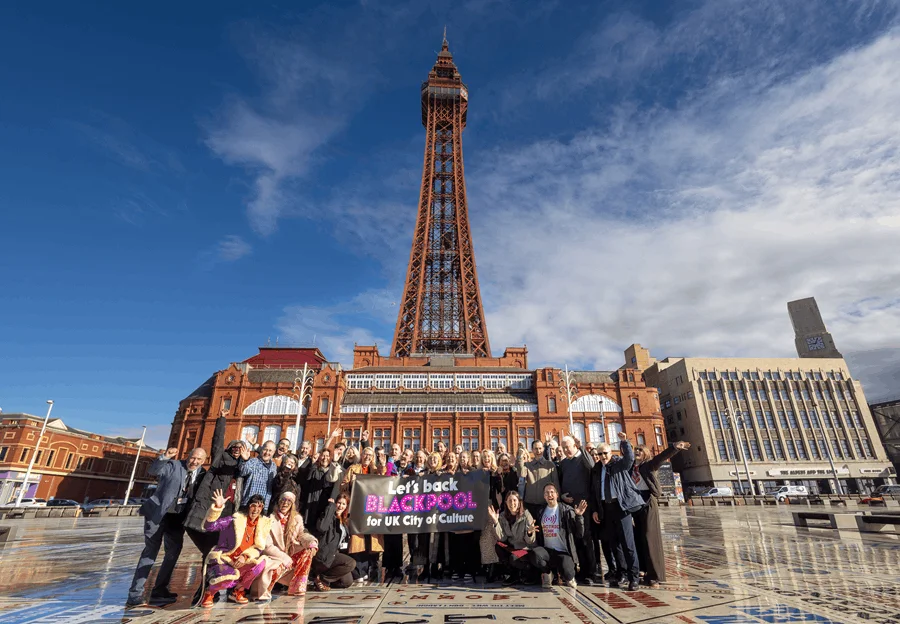
Featured Image © Visit Blackpool - Blackpool Council
Background Image © Deeper Blue Marketing & Design Ltd


