















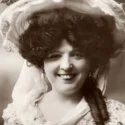



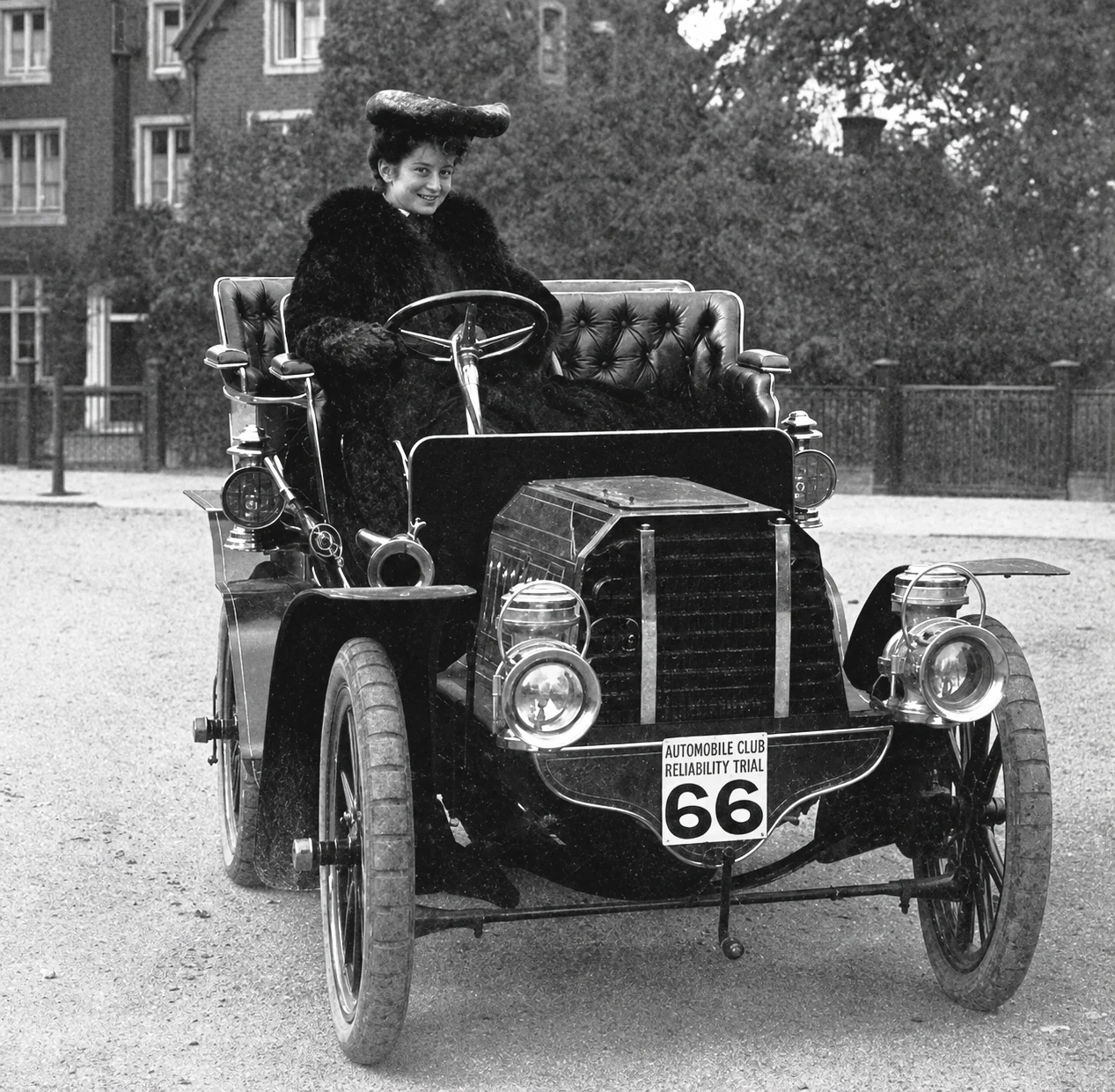
Dorothy Levitt and the 12 hp Gladiator car she drove in a series of reliability trials in 1903, although not in Blackpool. Historic photograph (public domain). Digital restoration and enhancement © Deeper Blue Marketing & Design Ltd 2026.

During the pioneering years of British motoring, Blackpool became an important venue for the new spectacle of motor racing. The resort’s long, straight South Promenade provided an opportunity for some of the most powerful cars of the period to demonstrate their speed, and among the competitors who came to Blackpool was Dorothy Levitt, one of the most remarkable figures in early British motoring. Levitt was the first Englishwoman to compete as a motor racing driver and became one of the best-known female motorists of the Edwardian period. At a time when driving itself remained a novelty and competitive motoring was overwhelmingly dominated by men, she demonstrated that women could successfully handle some of the fastest and most powerful cars then being produced.
Born in 1882, Levitt entered the motor industry through her association with the engineering and motor manufacturer Napier. Her potential was recognised by Selwyn Francis Edge, an influential figure in British motoring who promoted Napier cars through racing, trials and record attempts. Levitt learned to drive and developed the mechanical knowledge required at a time when motorists were often expected to maintain and repair their own machines.
By 1905 she was already attracting considerable attention. In July she competed at the Brighton Motor Trials in an 80 hp Napier before travelling north to Blackpool, where motor speed trials had first been staged on the new South Promenade in October 1904. Blackpool quickly established itself as one of the places where Britain’s rapidly developing motor industry could demonstrate its latest machines before large crowds.
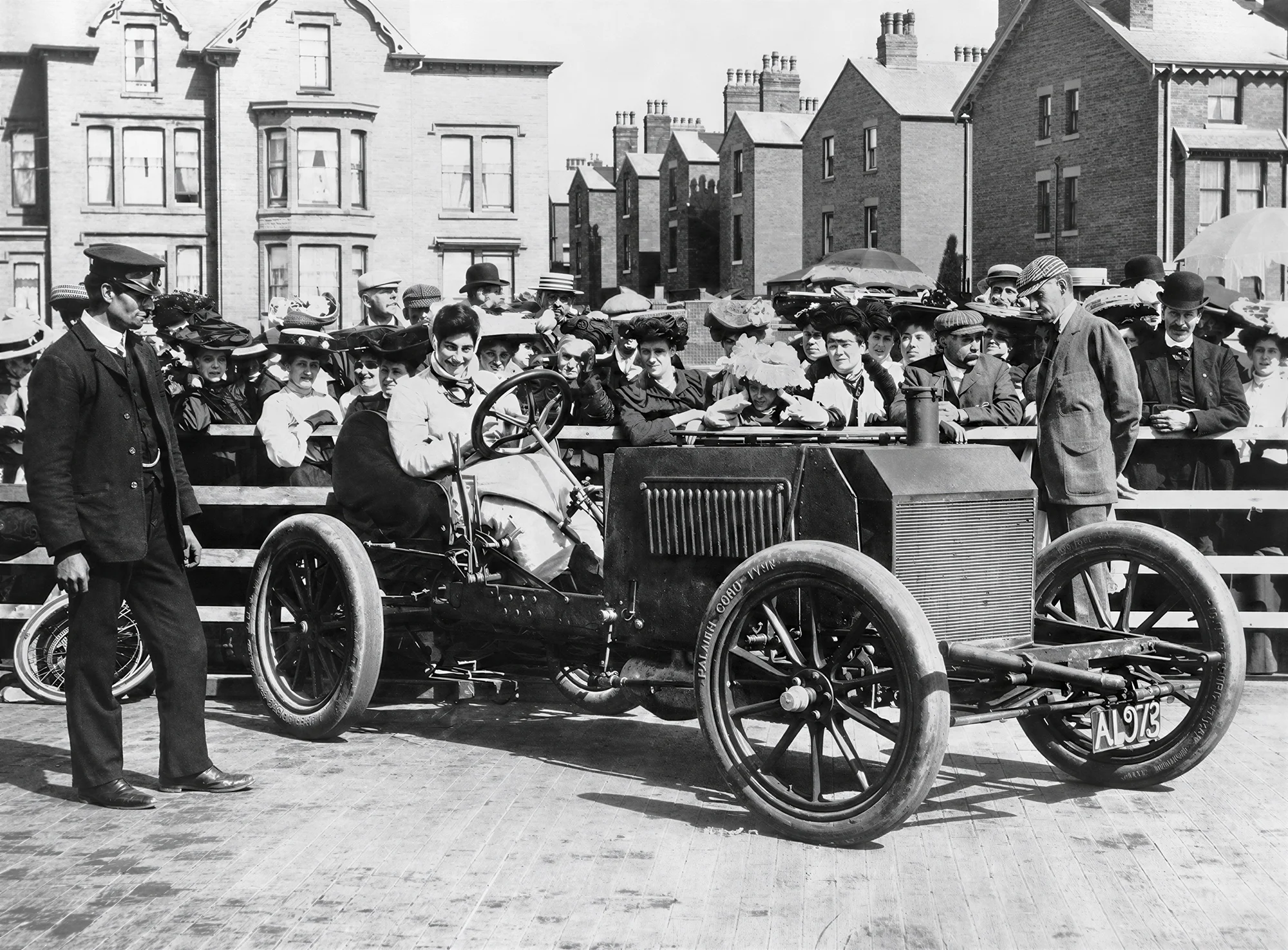
Miss Dorothy Levitt, the first Englishwomen to drive a racing car, at the wheel of 100hp Napier racer at the Blackpool Race Meeting in 1905. Historic photograph from Alamy. Digital restoration and enhancement © Deeper Blue Marketing & Design Ltd 2026.
A surviving photograph of Levitt at the Blackpool Race Meeting in 1905 captures an extraordinary moment in the resort’s motoring history. Preserved by the Institution of Mechanical Engineers, it shows her seated at the wheel of a formidable 100 hp Napier racer and describes her as the first Englishwoman to drive a racing car. The Science Museum’s Napier archive also identifies the photograph as having been taken at Blackpool in July 1905. Driving such a machine was very different from modern motor racing. Levitt sat almost completely exposed behind a large steering wheel, without an enclosed cockpit, seat belts or the sophisticated safety equipment of later generations. Controlling a 100 hp racing car on the roads of 1905 required considerable concentration, physical ability and mechanical understanding.
Blackpool became the setting for an even greater achievement when Levitt returned for the motor trials in October 1906. Driving a powerful six-cylinder Napier, she competed over the flying kilometre and completed the course in 24.3 seconds, achieving a speed recorded at approximately 90.88 mph and generally rounded to 91 mph. The performance broke her previous women’s speed record and established her as the fastest woman in the world. The achievement was particularly remarkable given the primitive nature of the machinery. Levitt later recalled that during her Blackpool record attempt part of the bonnet worked loose while she was travelling at speed. Recognising the danger of it being blown backwards towards her, she managed to bring the car to a halt before a serious accident occurred.
The 1906 Blackpool meeting was itself a major motoring event, attracting more than 200 competitors and producing several records. For a short period, the resort became one of the centres of British motorsport, with powerful cars and motorcycles competing before crowds drawn by the excitement of a technology that was still transforming everyday life.
Levitt’s achievements extended far beyond Blackpool. She competed successfully in motor trials and hill climbs, established records on both land and water and became a prominent advocate for women motorists. In 1909 she published The Woman and the Car, a practical guide encouraging women to drive independently and explaining everything from operating and maintaining a car to suitable clothing and equipment. Her connection with Blackpool nevertheless represents one of the most significant chapters of her career. In 1905 the resort provided the setting for the striking photograph of Levitt behind the wheel of the 100 hp Napier, while her return the following year resulted in the record-breaking performance for which she became internationally known. Blackpool had provided the stage on which one of Britain’s pioneering female motorists challenged contemporary expectations and, at approximately 91 mph, became the fastest woman in the world.
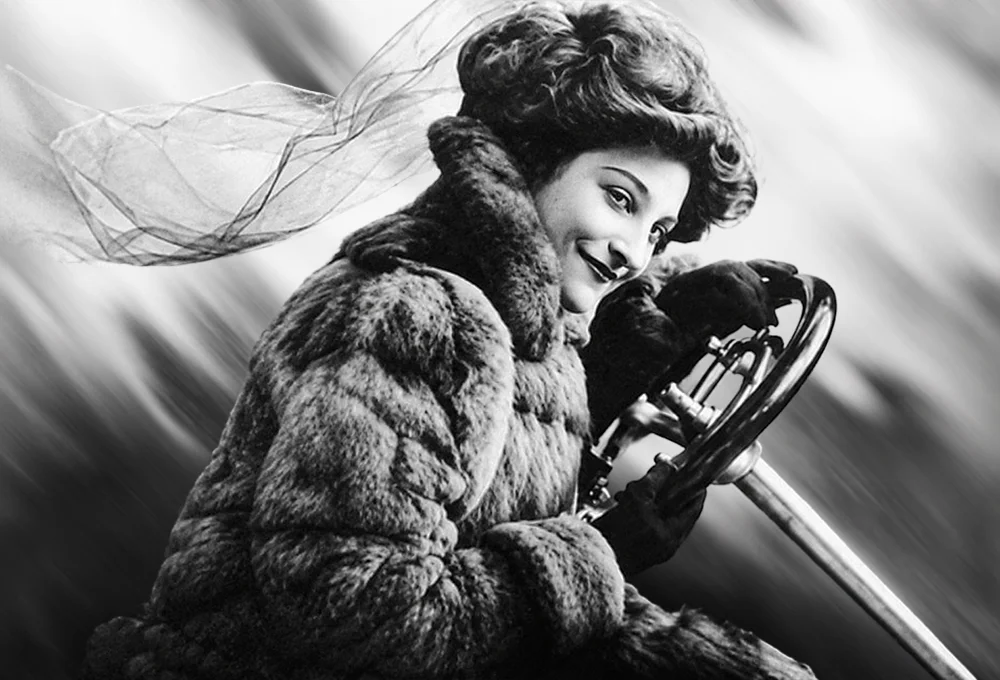
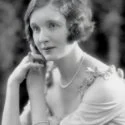
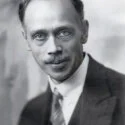
Dorothy Levitt Frontispiece to The Woman and the Car. Replicated on Google books and ”Women and the Machine” By Julie Wosk. c1909. Historic photograph (public domain). Digital restoration and enhancement © Deeper Blue Marketing & Design Ltd 2026.


