







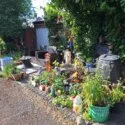




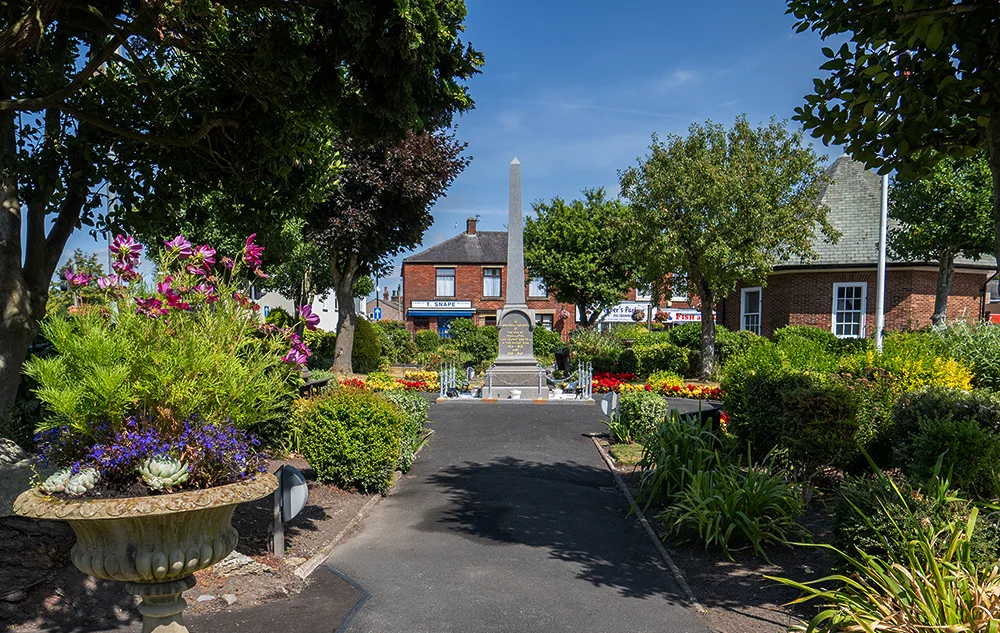
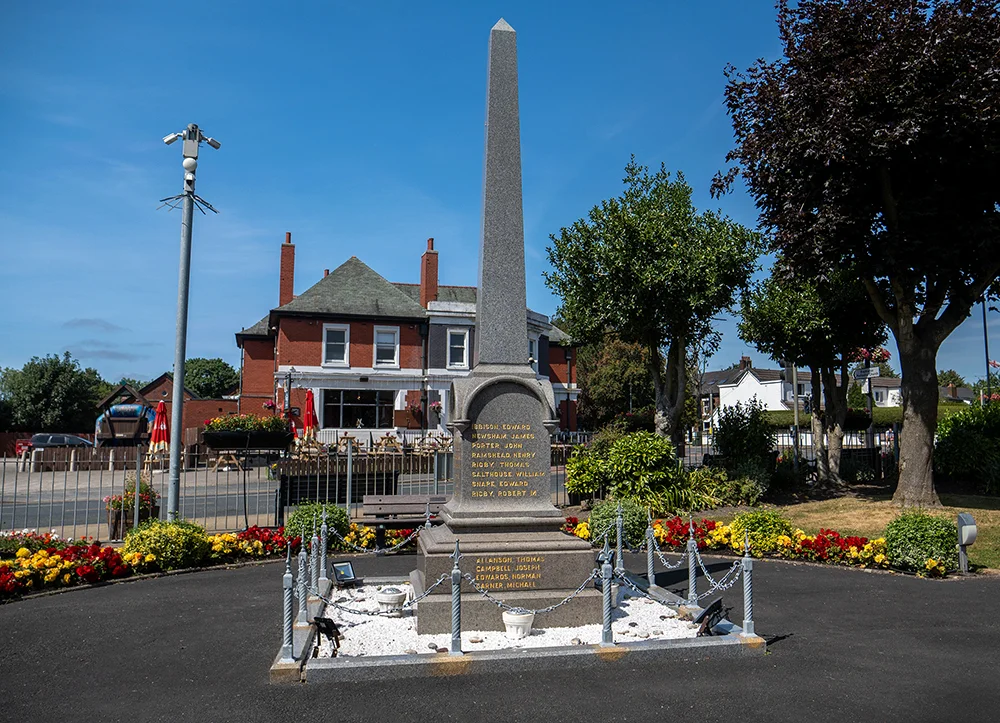
 Standing at the heart of Freckleton, the War Memorial serves as a lasting tribute to the men and women of the village whose lives were shaped by conflict. For more than a century it has been the focal point for remembrance, where generations have gathered to honour those who made the ultimate sacrifice and to reflect upon the impact of war on the local community. The memorial was unveiled in 1924, six years after the end of the First World War, on what had previously been part of the village green. It commemorated the 16 men of Freckleton who lost their lives during the conflict between 1914 and 1918. Their names were inscribed on the memorial to ensure that future generations would remember not only their service, but also their connection to the village they had left behind.
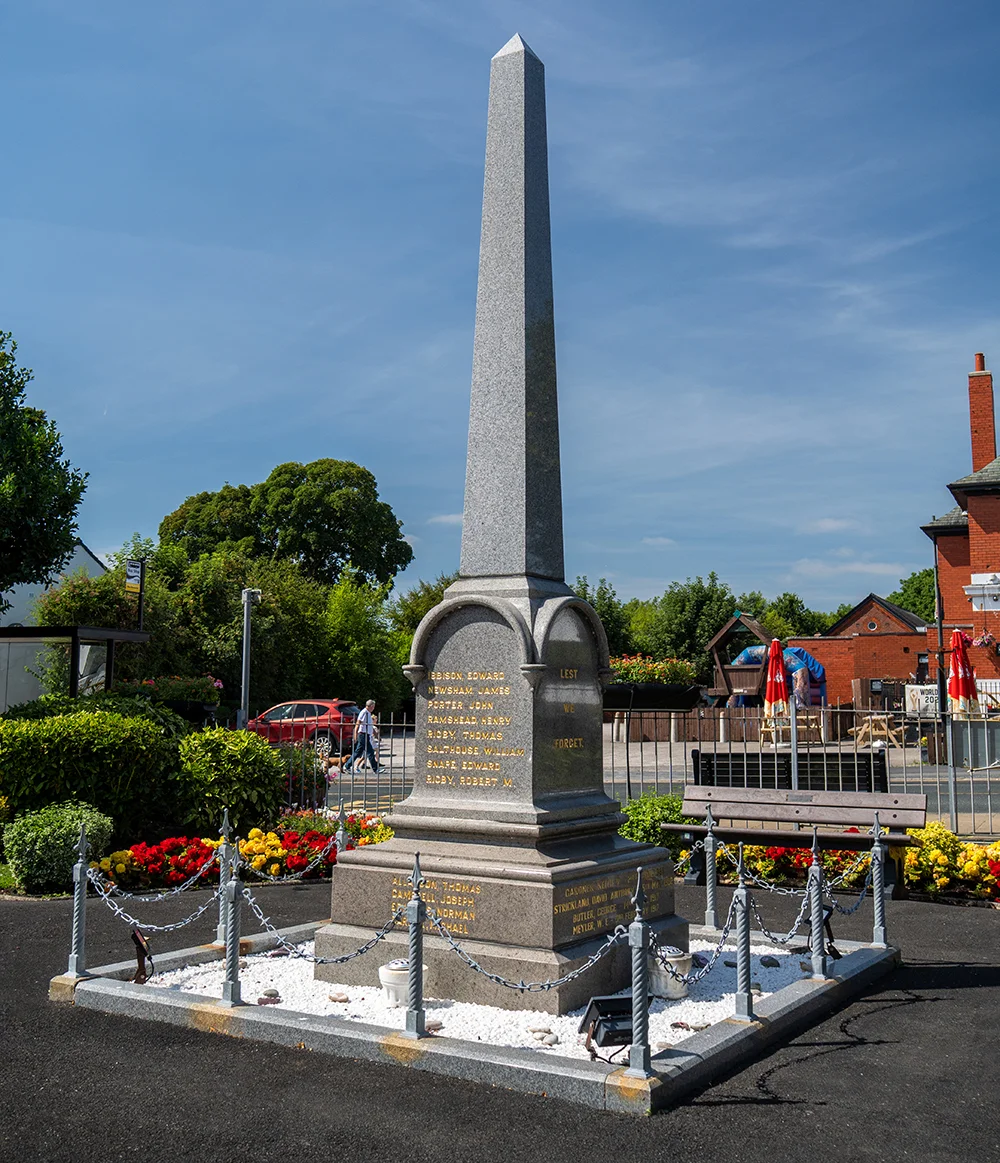 The men commemorated came from all walks of village life. Among them were mill workers, agricultural labourers, policemen, footballers and family men who answered the call to serve. Some were killed in the trenches of France and Belgium, others died from wounds or disease in distant parts of the British Empire, while several survived the fighting only to succumb to injuries or illness after the Armistice. One of the names, Herbert Davies, was added despite his death occurring in 1922, as the War Memorial Committee recognised that his death was directly linked to the effects of gas poisoning suffered during his wartime service. The memorial records the sacrifice of men including Thomas Rigby, killed during the Battle of Festubert in 1915; William Salthouse, who died of fever while serving in India in 1916; Henry Ramshead, a former employee of Freckleton Mill who was killed during the Allied advance in 1918; and John Porter, who lost his life on 10 November 1918, just one day before the Armistice brought an end to the fighting. Their stories reflect the many different ways in which war affected the village and its families.
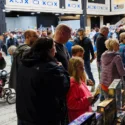
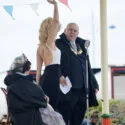
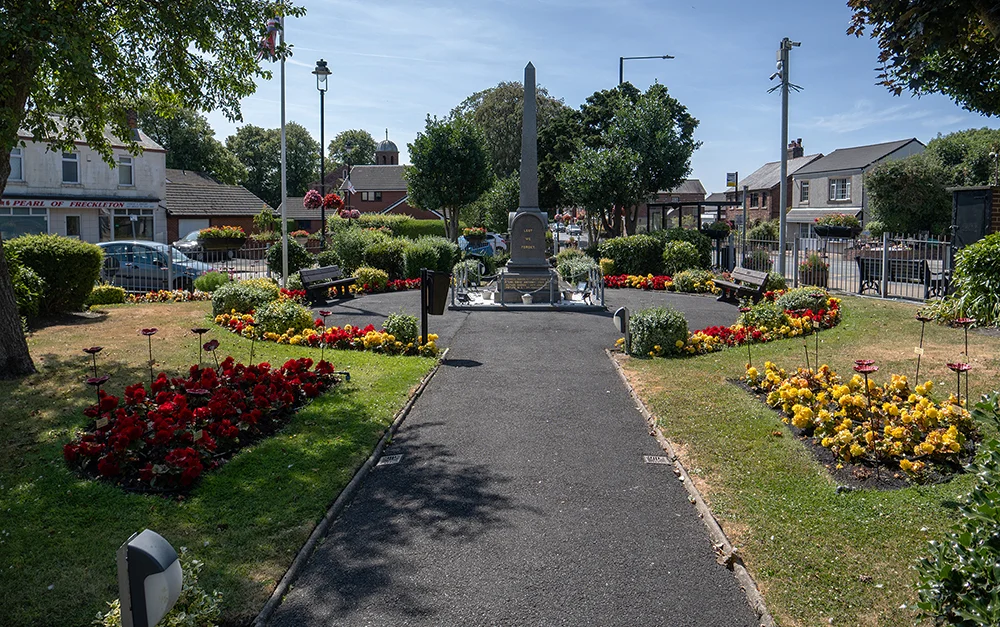 Over the years the War Memorial has become the centre of Freckleton’s annual Remembrance Sunday commemorations. Each November, members of the Royal British Legion, local organisations, schools, parish representatives and residents gather to lay wreaths, observe the Two Minutes’ Silence and remember those who served in both World Wars and later conflicts. The memorial continues to provide a visible link between the present-day village and the generations who experienced the hardships of war. Freckleton’s story of remembrance extends beyond the First World War. Following the devastating Freckleton Air Disaster of 23 August 1944, which claimed the lives of 38 schoolchildren, two teachers and 21 civilians and military personnel, additional memorials were erected elsewhere in the village, including the memorial cross in the churchyard of Holy Trinity Church. Together with the village War Memorial, these monuments ensure that the different chapters of Freckleton’s wartime history continue to be remembered.
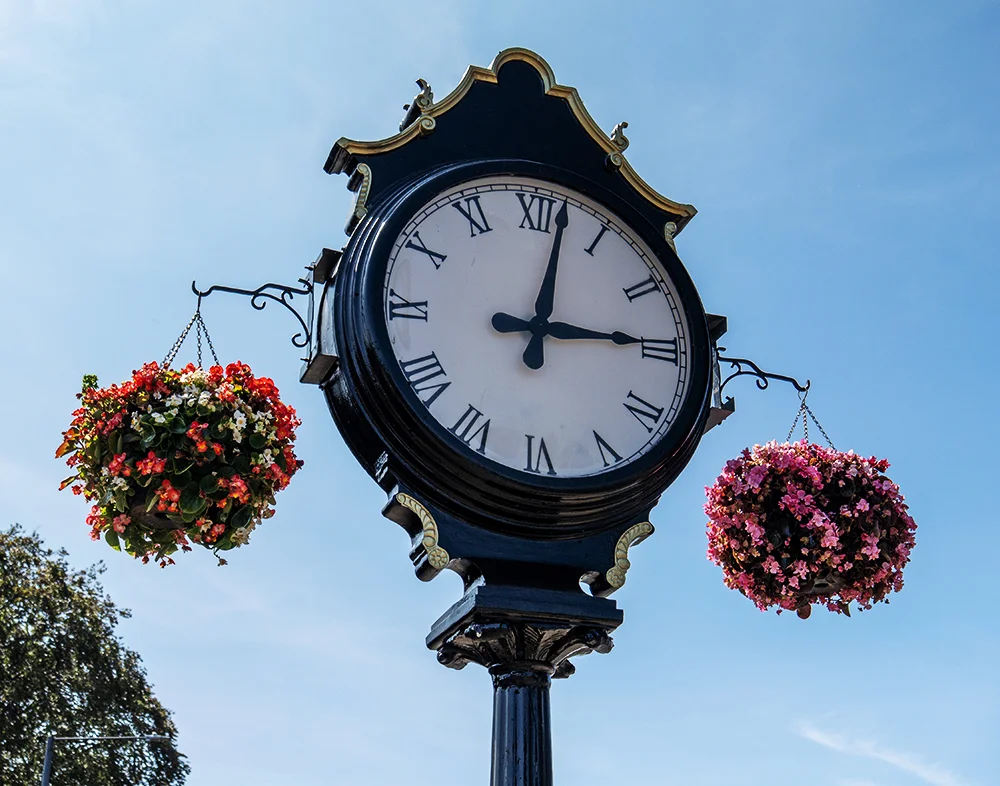 Today, the Freckleton War Memorial remains one of the village’s most significant landmarks. More than a list of names carved in stone, it stands as a permanent reminder of the sacrifices made by a small Lancashire community during one of the darkest periods in modern history. It continues to unite generations in remembrance, preserving the stories of those who never returned home and ensuring that their service remains an enduring part of Freckleton’s heritage.
Images by © Deeper Blue Marketing & Design Ltd


