
























 Standing in the small hamlet of Hall Cross on the edge of Freckleton, Hall Cross House is one of the oldest surviving buildings in the parish and an important reminder of the Fylde Coast’s agricultural heritage. Built in 1777, the Grade II listed house has overlooked the surrounding countryside for almost 250 years, surviving as a rare example of an eighteenth-century farmhouse that reflects the rural character of the area before the rapid expansion of the Fylde during the Victorian era. Hall Cross House occupies a prominent position on Kirkham Road within the historic hamlet of Hall Cross, a settlement whose name is believed to derive from one of the medieval stone wayside crosses that once marked important routes across the Fylde. A weathered stone cross still survives nearby at the junction of Kirkham Road and Hillock Lane. Such crosses are thought to have served as resting places for funeral processions travelling to neighbouring parishes, route markers for travellers or boundary markers between townships, providing a tangible link with the medieval landscape that once surrounded the village.
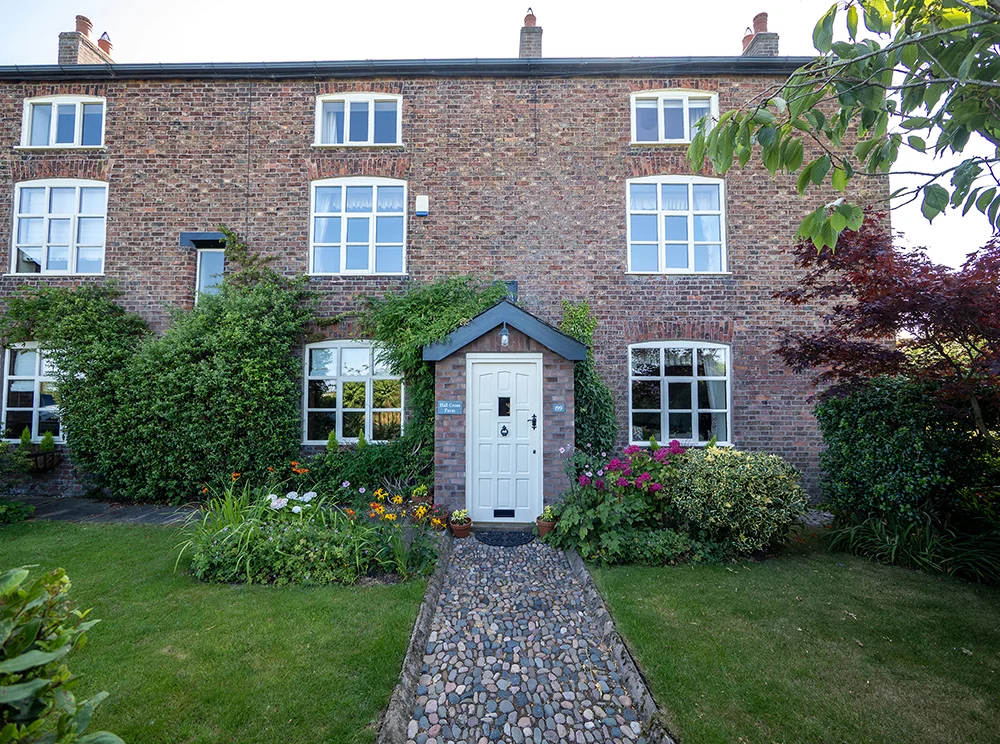
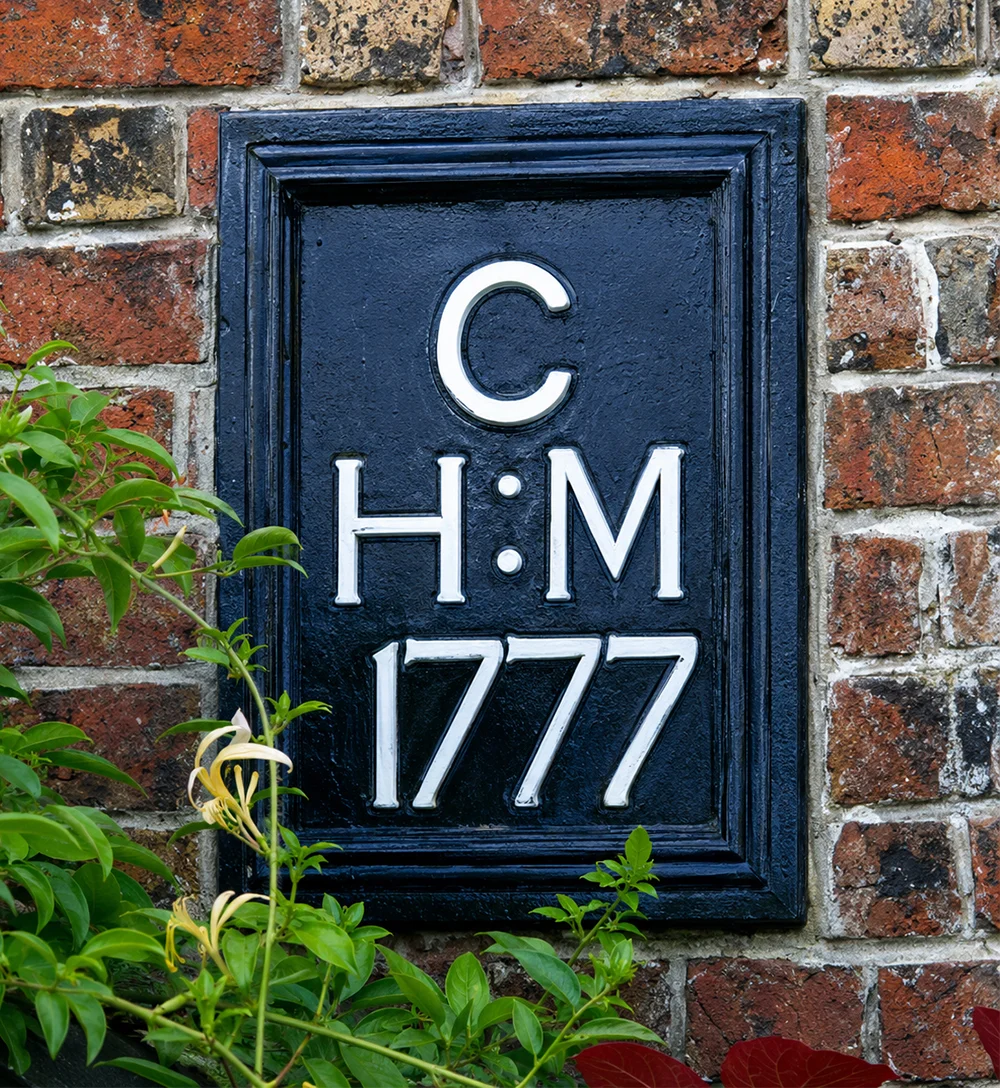 The farmhouse itself bears a datestone inscribed with the initials H and M alongside the date 1777. Local history identifies these initials as Henry and Margaret Grimbaldeston, who occupied the property at the time and are believed to have commemorated their silver wedding anniversary by recording their names on the building. During the eighteenth century, Hall Cross formed part of a substantial farming estate, and the house would have stood at the centre of an agricultural landscape that supplied crops and livestock to communities across the Fylde. Constructed in red brick beneath a slate roof, Hall Cross House displays many of the characteristics associated with prosperous Lancashire farmhouses of the late Georgian period.
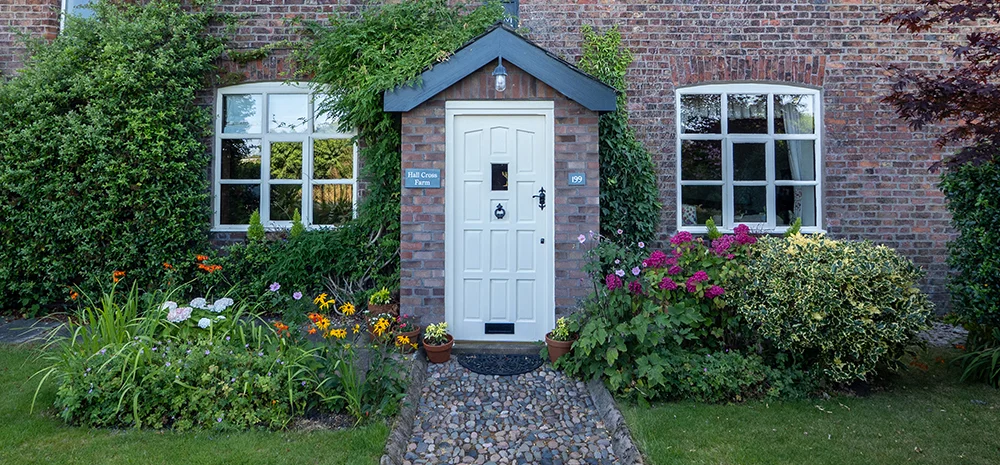
Historic England notes its three-storey design, original panelled entrance door, moulded datestone, substantial brick chimneys and carefully crafted brick window arches. Although altered in places during later centuries, much of its historic character survives, while original interior features, including timber beams and stone fireplaces, continue to reflect the quality of eighteenth-century craftsmanship. The building was recognised for its special architectural and historic interest when it was granted Grade II listed status in 1986.
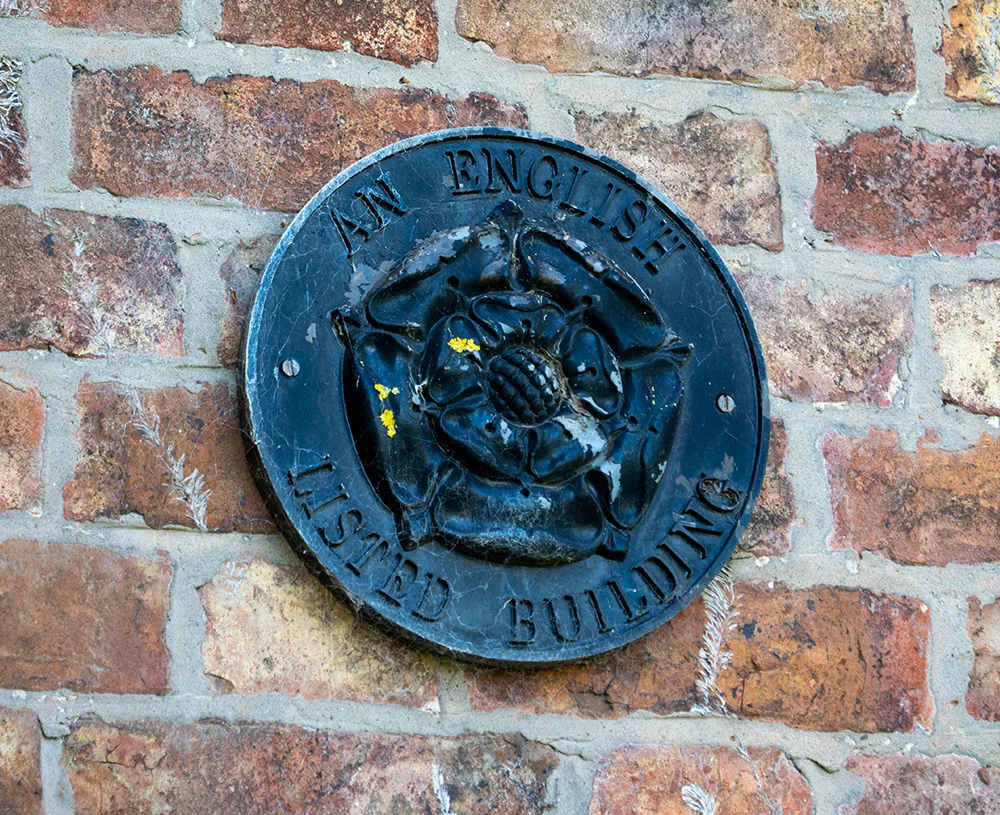
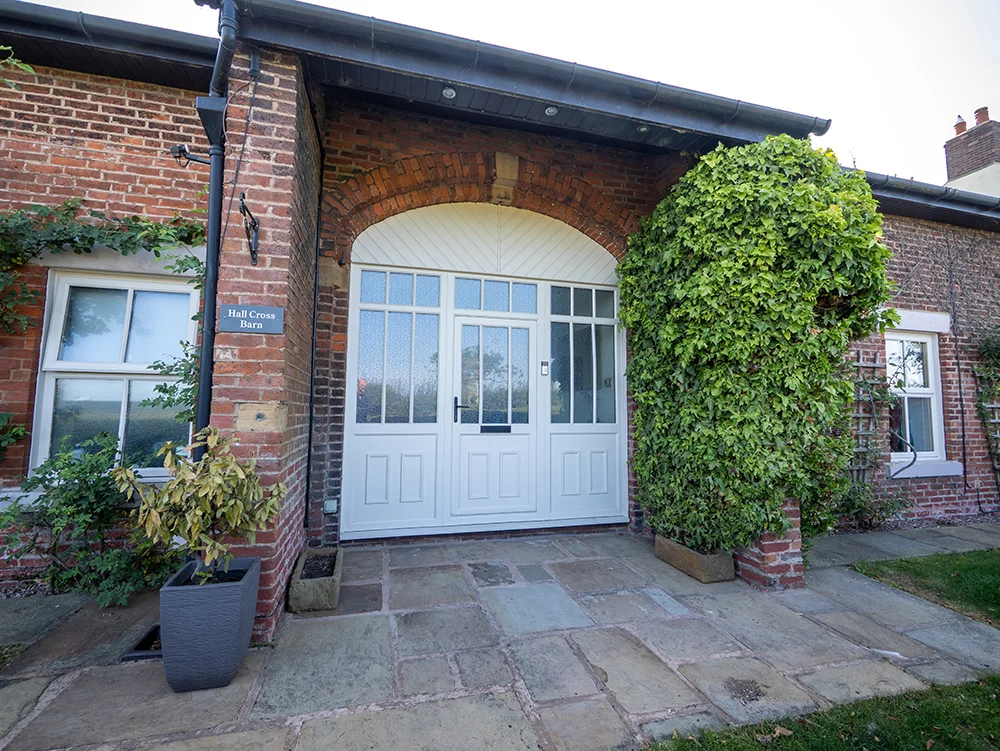 Hall Cross House also forms part of the wider story of Freckleton and its surrounding hamlets. Nearby Strike Lane was once home to weavers producing sailcloth and sacking from locally grown flax, while the surrounding farmland remained central to the local economy for generations. Together with the medieval stone cross and the surviving agricultural buildings nearby, Hall Cross House provides an important glimpse into the rural landscape that existed long before aviation, industry and suburban development transformed this part of the Fylde Coast. Today, Hall Cross House remains one of only three Grade II listed buildings within the civil parish of Freckleton. Its survival offers a valuable reminder of the area’s farming heritage and preserves an important chapter in the history of one of the Fylde Coast’s oldest settlements. As visitors pass along Kirkham Road, the house continues to stand as a quiet but enduring symbol of the agricultural communities that helped shape the region long before the arrival of modern Blackpool and its neighbouring towns.
Images by © Deeper Blue Marketing & Design Ltd


