


























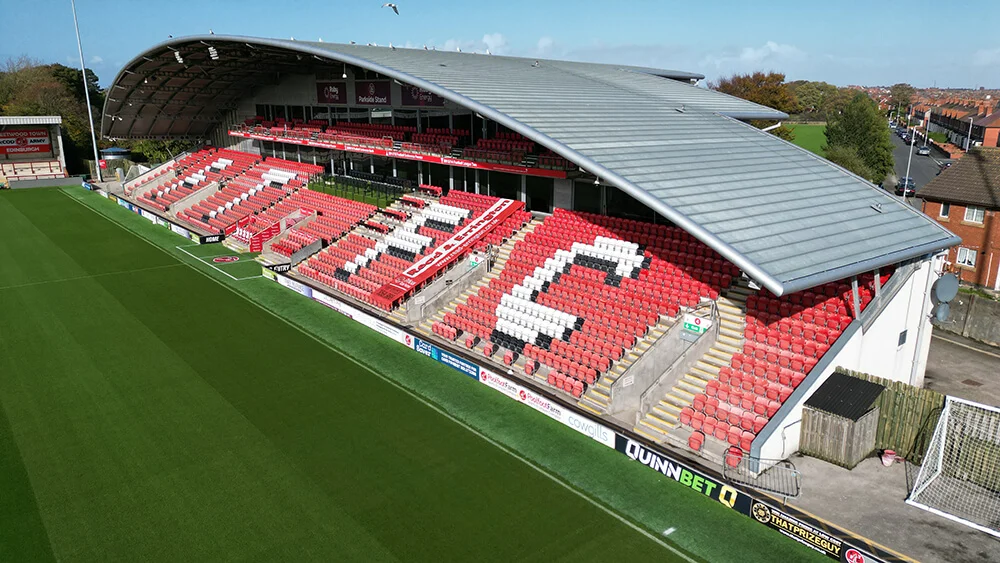
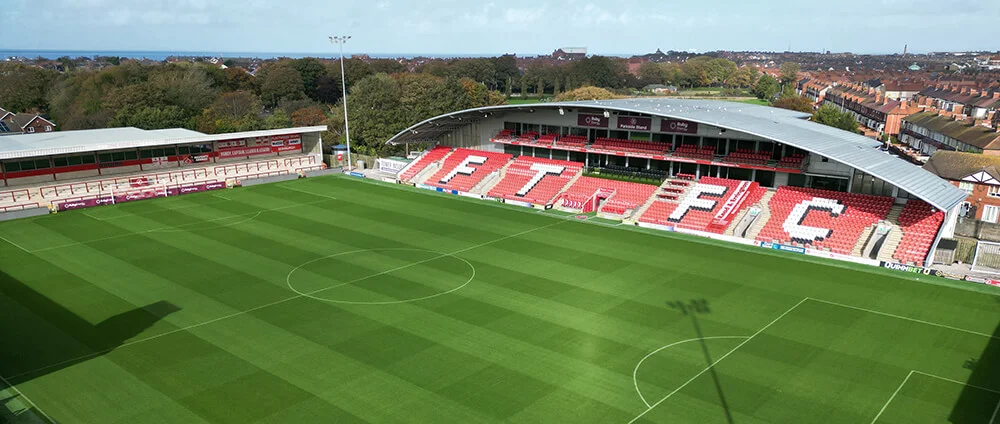
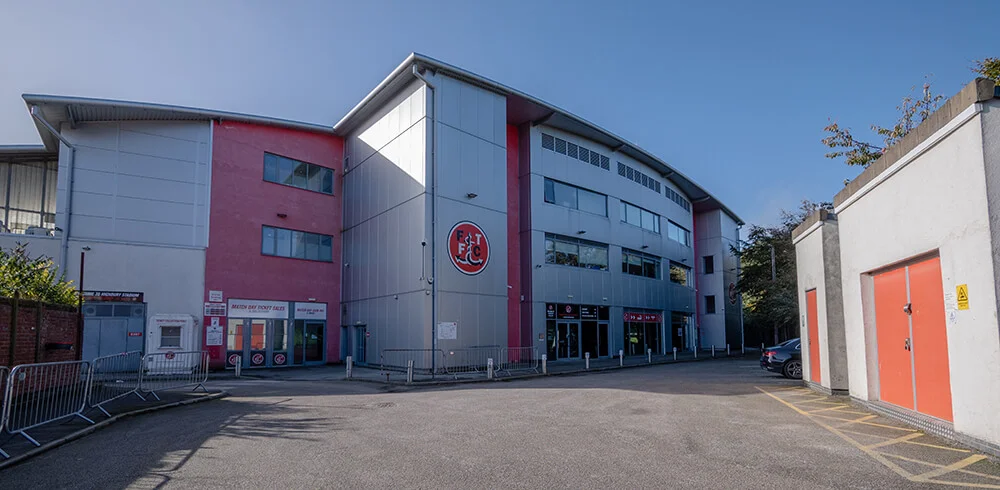
 Fleetwood Town Football Club, based in the coastal town of Fleetwood, Lancashire, is a professional football club competing in EFL League Two, the fourth tier of English football. Known affectionately as the Cod Army by its supporters, the club also retains its traditional nickname, the Fishermen. Home matches are played at Highbury Stadium, where the team traditionally wears red shirts with white sleeves and white shorts.
The history of football under the Fleetwood Town name has been marked by repeated financial difficulties, rebirths and an extraordinary rise through the English football pyramid. The present club is the fourth incarnation of a footballing tradition that began with the formation of the original Fleetwood club in 1908. That team achieved early success by winning the Lancashire Combination in 1923–24, but financial difficulties forced it to resign from the competition in 1928.
Later incarnations, including Fleetwood Windsor Villa and another Fleetwood Town, restored competitive football to the town and enjoyed periods of regional success. Fleetwood won the Lancashire Combination Cup on several occasions, while one of the most memorable moments came in 1985 when the club reached the FA Vase final at Wembley. Financial instability continued to follow the club, however, and the later Fleetwood Town eventually folded in 1997.
The present club emerged that year as Fleetwood Wanderers and adopted the name Fleetwood Freeport before reclaiming the Fleetwood Town name in 2002. Its fortunes were transformed following the arrival of businessman Andrew Pilley in 2004. Considerable investment accompanied an ambitious programme to take the club through the non-League pyramid and ultimately into the Football League. Pilley’s tenure produced unprecedented sporting progress, although his subsequent conviction for fraud cast a considerable shadow over his association with the club.
Fleetwood’s rise was rapid. Promotion from the North West Counties Football League First Division had been achieved in 1998–99, and further success followed as the club climbed through the divisions. Fleetwood won the Northern Premier League Premier Division in 2007–08 before eventually securing the Conference Premier title in 2011–12. The achievement took Fleetwood into the Football League for the first time in the history of any of the town’s clubs.
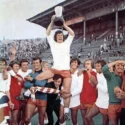
Another landmark followed at Wembley on 26 May 2014. Fleetwood defeated Burton Albion 1–0 in the League Two play-off final, Antoni Sarcevic scoring the decisive free kick, to secure promotion to League One. The club had progressed from the ninth tier of English football to the third in little more than a decade.
That rapid ascent created requirements far beyond those of the club Fleetwood Town had once been. Highbury remained its home, but professional football required substantially improved facilities for training, sports science, rehabilitation and youth development. The result was one of the most ambitious projects undertaken during Fleetwood’s rise through the leagues.
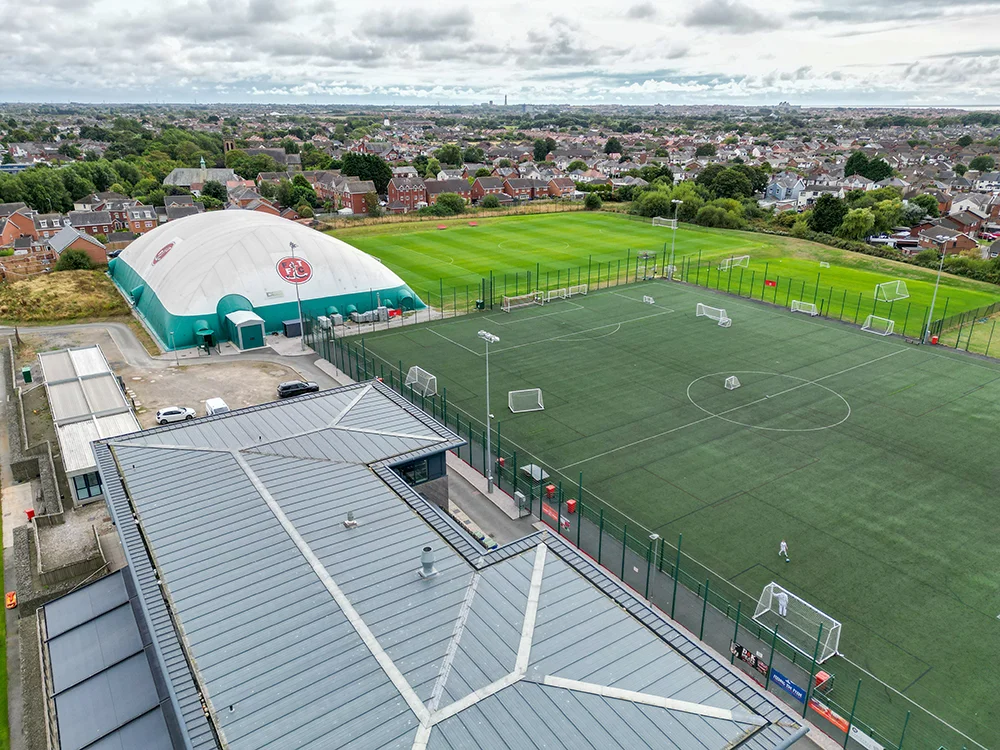
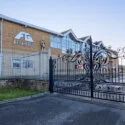
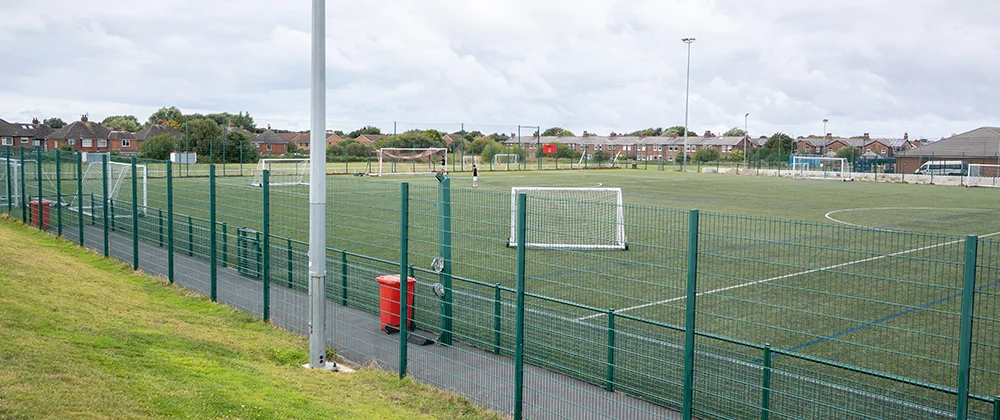
Poolfoot Farm was developed at Butts Road in Thornton, several miles south of Highbury. Planning proposals submitted in 2014 envisaged a major community and training complex on former farmland, incorporating numerous grass pitches, an artificial floodlit pitch, a clubhouse, changing facilities, parking, allotments and associated landscaping. The development gave Fleetwood Town something it had previously lacked: a permanent purpose-built base where the first team, Academy and developing players could operate together.
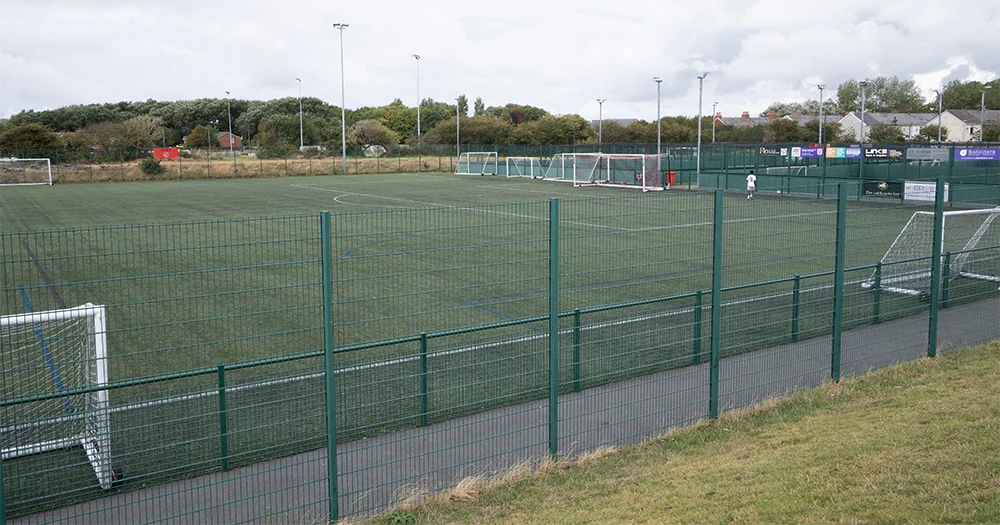
The scale of the completed complex was remarkable for a club which had been playing non-League football only a few years earlier. Reported to have cost around £8 million, Poolfoot Farm incorporated extensive grass training pitches and two full-size artificial pitches, together with seven changing rooms, a purpose-built gymnasium, fitness facilities, physiotherapy provision, classrooms, meeting rooms and club offices. A restaurant and bar were also incorporated into the development, while parts of the complex were made available to the wider community.
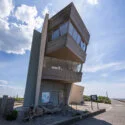
One of its most distinctive features was the position of the first-floor gym overlooking the training pitches. Rather than isolating injured players undergoing rehabilitation inside the building, its large windows allowed them to see their teammates training outside.
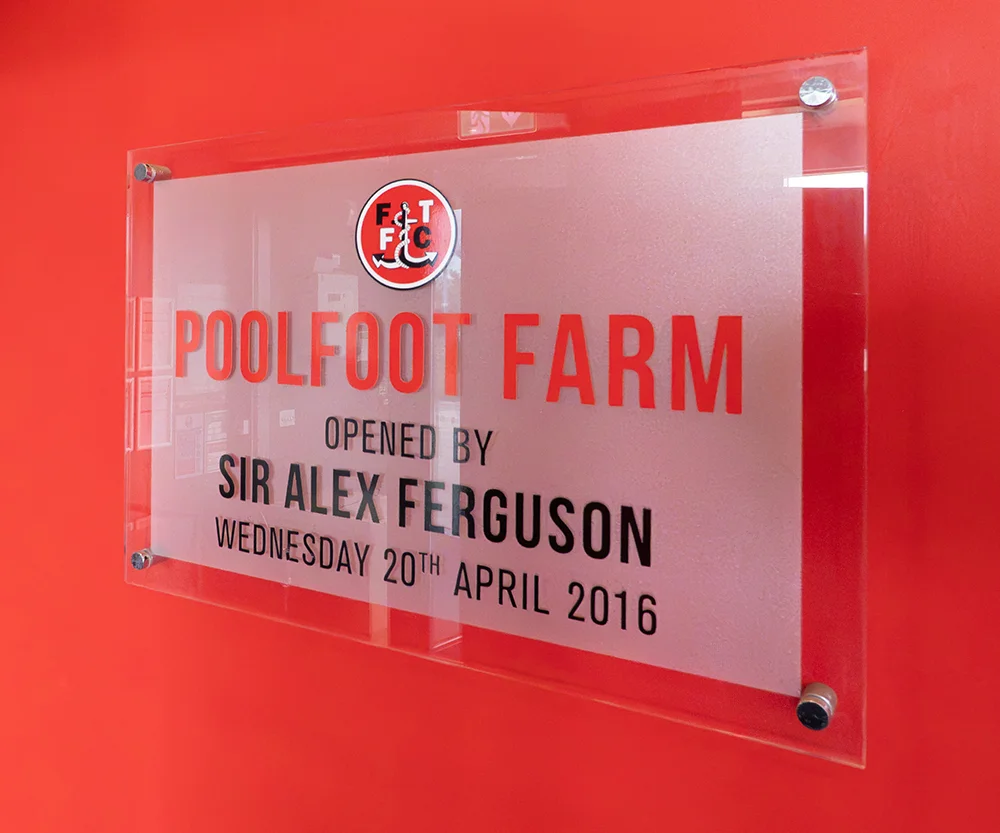 Poolfoot Farm received an unusually distinguished official opening on 20 April 2016, when former Manchester United manager Sir Alex Ferguson travelled to Thornton to perform the ceremony. Ferguson had initially expected something considerably more modest and admitted that the scale of the complex surprised him. He was particularly impressed by the elevated gym overlooking the pitches. Having overseen Manchester United’s move to the Carrington training complex, Ferguson explained that this was a feature he wished had been incorporated there, believing that the sight of players training provided additional motivation for those recovering from injury.
The significance of Ferguson opening the facility extended beyond the prestige attached to his name. His Manchester United career had been closely associated with the development of young footballers, and Fleetwood intended Poolfoot Farm to become central to its own Academy and youth-development system. The complex allowed first-team footballers, Academy players and younger age groups to train within the same environment rather than being dispersed among separate facilities.
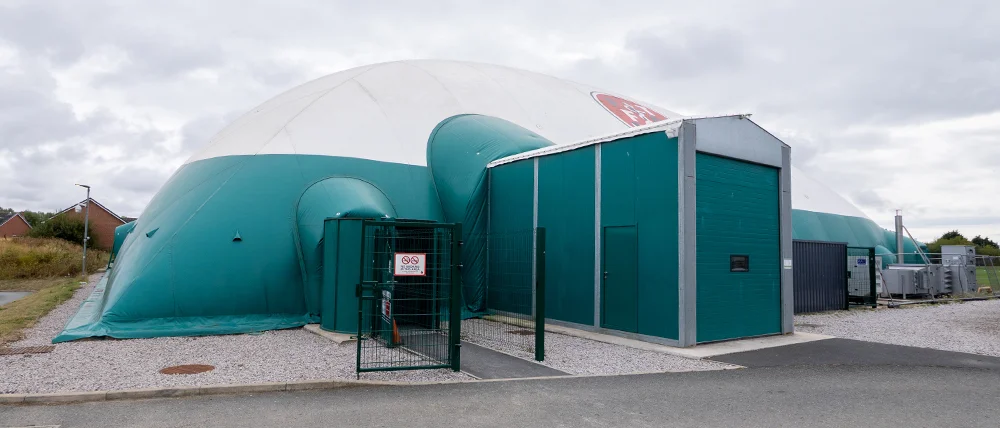
Outside the new all-weather enclosure.
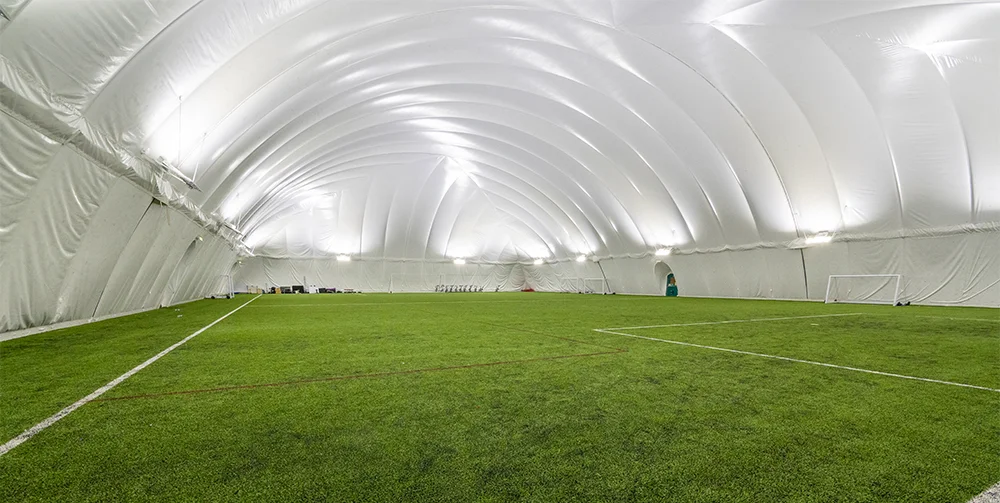
Inside the new all-weather enclosure.
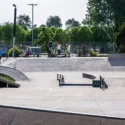
Poolfoot Farm was also conceived as more than a private professional training ground. Artificial and grass pitches were made available for community football, while the site became a base for grassroots teams, women’s football, walking football, children’s coaching and sports camps. Fleetwood Town Community Trust also established a presence there, giving the development a role in local sport considerably wider than the needs of the professional first team.
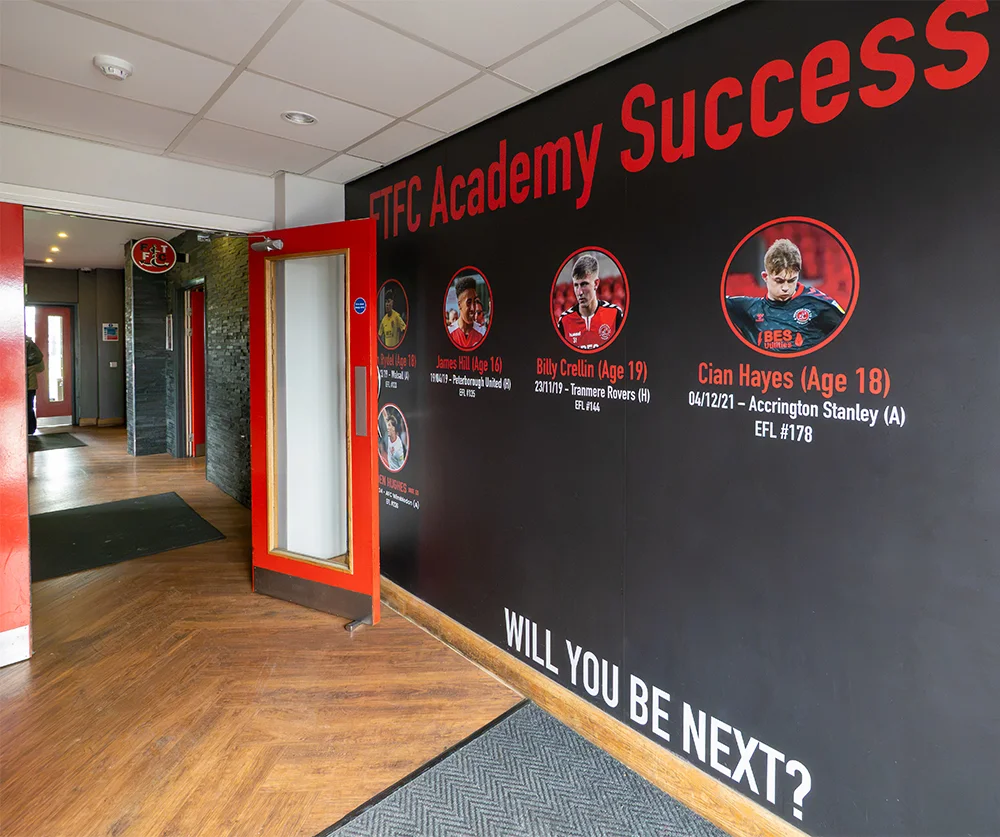
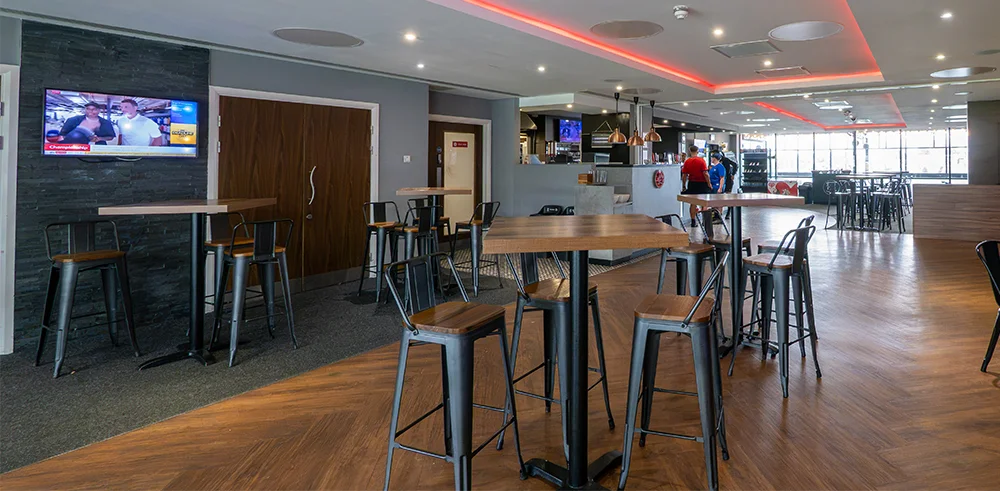
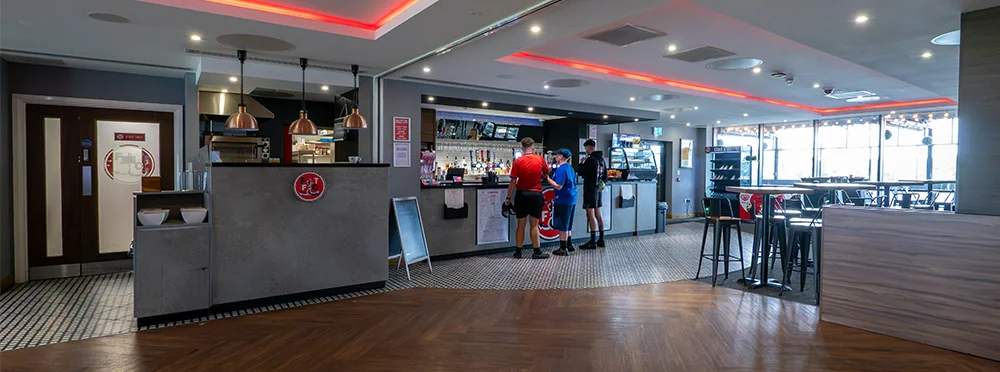 The facilities subsequently supported Fleetwood Town’s international football academy, bringing young players from overseas to train on the Fylde Coast. The complex has continued to evolve, with more recent facilities including an indoor Airdome alongside grass and artificial pitches, first-team and Academy facilities, physiotherapy, analysis and teaching rooms.
Poolfoot Farm consequently became a physical expression of just how dramatically Fleetwood Town had changed. A club that had ceased to exist in 1997 had, less than two decades later, developed a training complex impressive enough for one of the most successful managers in football history to compare aspects of it favourably with Manchester United’s facilities.
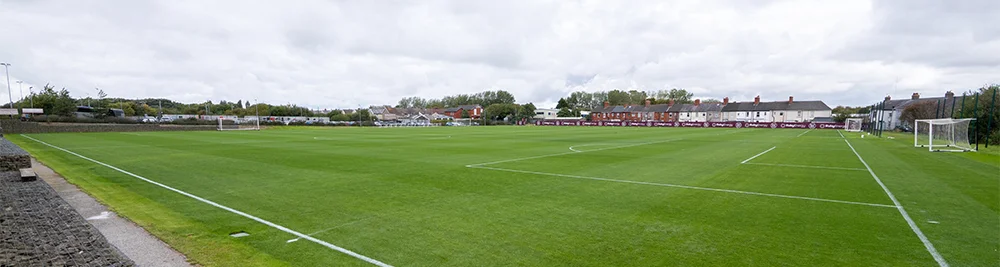
 On the pitch, Fleetwood established itself in League One for a decade following the 2014 promotion, achieving a highest league finish of fourth in 2016–17 before losing to Bradford City in the play-off semi-finals. The club also reached the fifth round of the FA Cup for the first time in 2023. Relegation in 2024 returned Fleetwood to League Two, but the infrastructure created during the club’s rapid ascent remained.
Fleetwood Town’s Fylde Coast derby with nearby Blackpool adds a strong local rivalry whenever the clubs meet, but its importance to the town extends beyond individual seasons and league positions. Highbury Stadium represents more than a century of Fleetwood’s footballing tradition, while Poolfoot Farm represents the scale of the modern club’s ambitions. Together they tell an unusual story of repeated collapse, revival and advancement, from regional football and financial failure to Wembley, the Football League and one of the most substantial professional training facilities on the Fylde Coast.
Images by © Deeper Blue Marketing & Design Ltd


