


















Among Blackpool’s oldest historical mysteries is the disappearance of Number 1 and Number 2, two public houses believed to have once formed part of the town’s unusual numbered inns. While The Number 3 and The Number 4 have survived into the present day, the first two establishments vanished long ago, leaving historians to debate where they stood and why they were numbered in the first place.
The numbering system almost certainly originated during the eighteenth century, when Blackpool was still a small coastal settlement linked to Poulton-le-Fylde by the old road through Great Layton. Before the railway arrived in the 1840s, travellers, carriers and merchants relied on this route to reach the growing seaside village. Although the purpose of the numbering has never been conclusively established, many historians believe the numbers identified recognised stopping places or carrier stations along the route rather than simply serving as pub names.
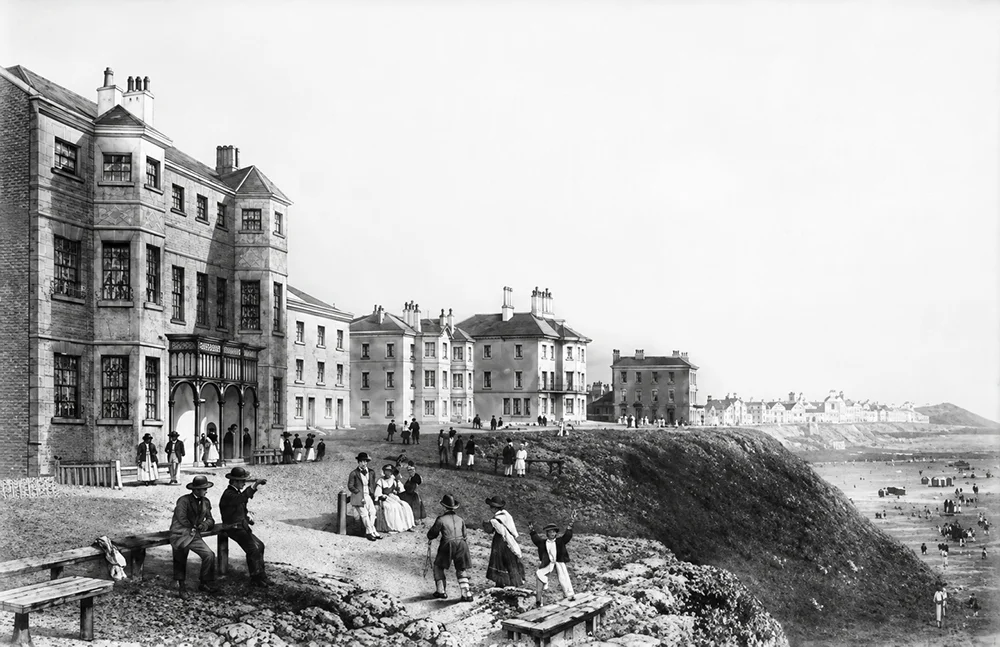
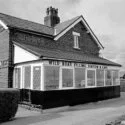
The building to the far left is the original Lanes End Hotel c1840s
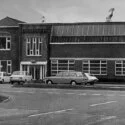
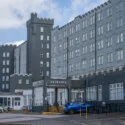
Most researchers agree that Number 1 probably stood near the bottom of Church Street, on the site later occupied by the Lane Ends Hotel. The Lane Ends became one of Blackpool’s best-known inns before being rebuilt as the County and Lane Ends Hotel in 1864. It remained a prominent landmark until its demolition in 1961, when the site was redeveloped for Lewis’s Department Store. Despite strong local tradition linking the site with Number 1, no surviving licence or deed has yet been found to prove beyond doubt that it carried the numbered name.
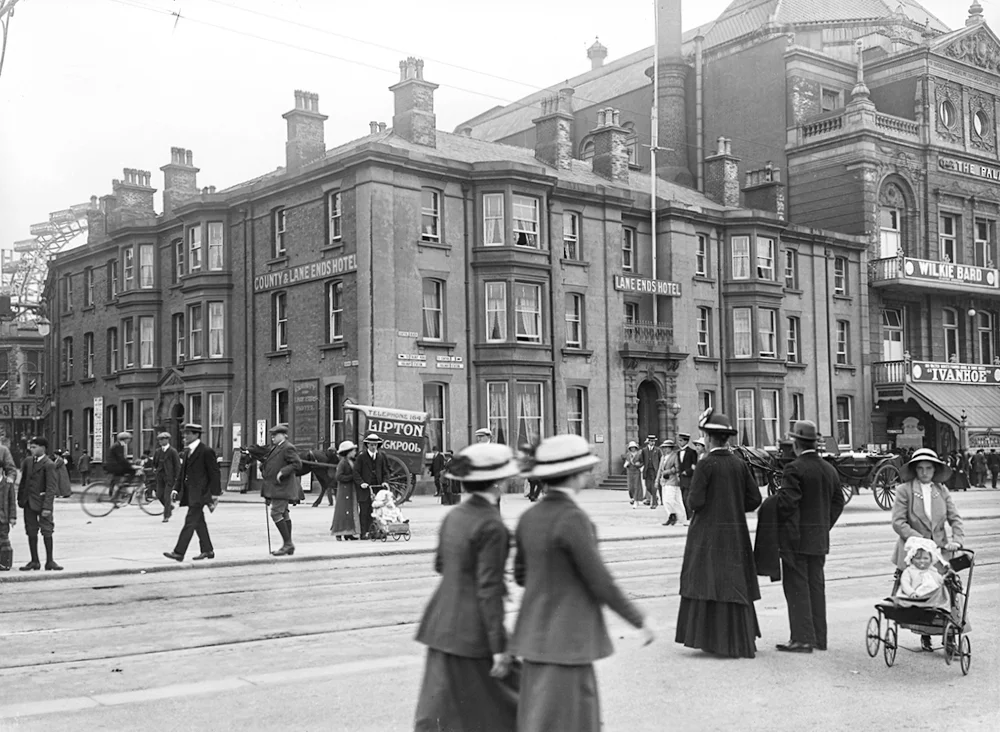
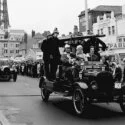
Blackpool, County and Lane Ends Hotel Palace Theatre, 1904-1915, 4473, BDB 86,1,6532 Sankey Family Photographic Archive © Cumbria
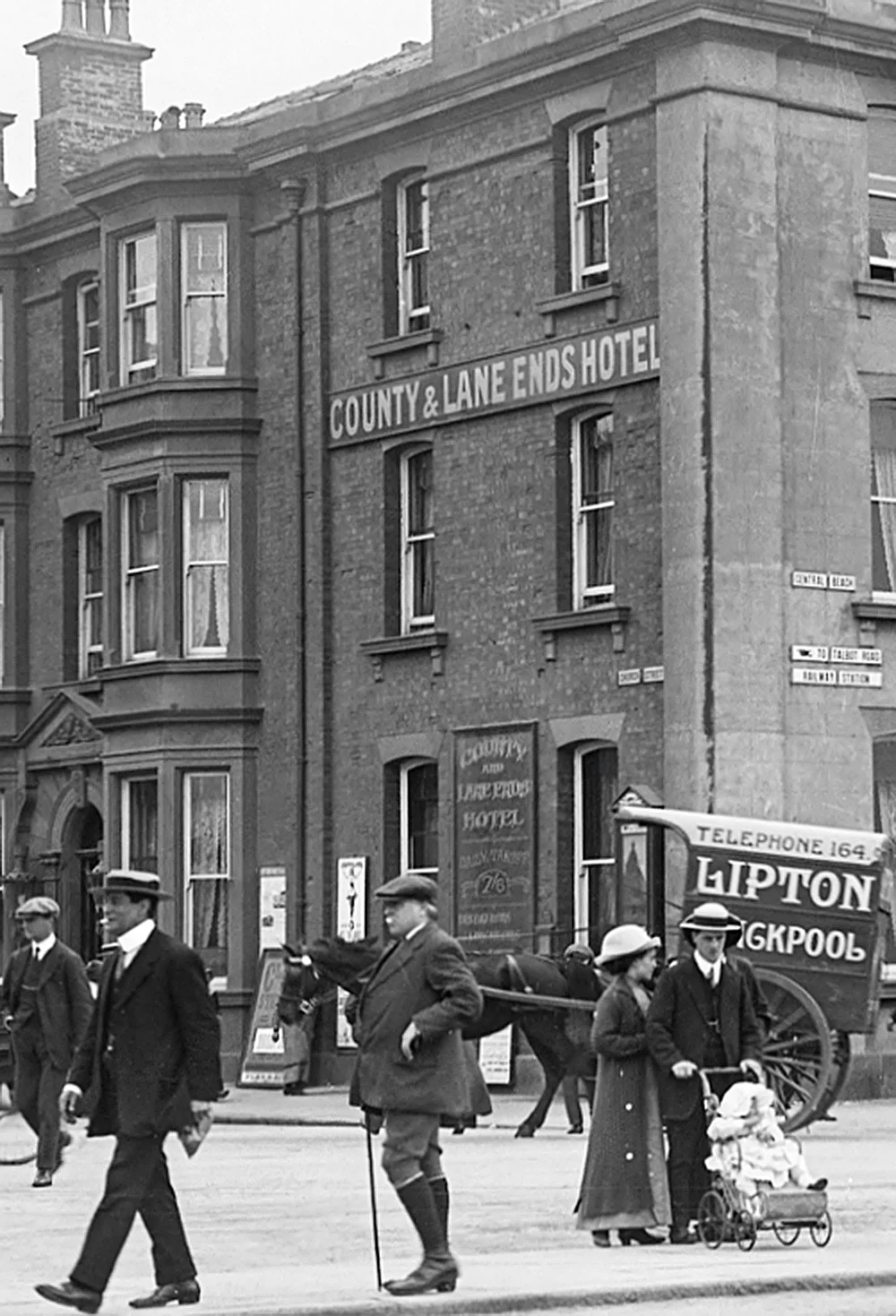
County and Lane Ends Hotel in 1864. BDB 86,1,6532 Sankey Family Photographic Archive © Cumbria
The whereabouts of Number 2 are even more uncertain. Over the years, a number of buildings have been suggested, including the Adelphi Hotel, the Albion Hotel, the Grosvenor Hotel, and a property at Layton Rakes. One long-standing local story claimed that the figure “2” could once be seen beneath weathered render on an old cottage wall at Layton Rakes, leading some historians to believe this marked the missing inn. However, no documentary evidence has been discovered to confirm that the building was ever licensed as a public house, leaving the theory unproven.
The mystery has fascinated local historians for generations because the existence of The Number 3, first recorded in 1788, and The Number 4, documented by 1824, clearly demonstrates that the numbering system once extended beyond the surviving inns. Yet despite extensive research through licensing records, maps, directories and newspapers, no definitive evidence has emerged to identify either Number 1 or Number 2.
Several explanations have been proposed over the years. Early writers suggested the numbered inns formed a series of coaching houses, although this theory has largely been discounted because the principal coaching route into Blackpool approached from Preston via Lytham rather than through Layton. A more widely accepted interpretation is that the numbers identified recognised collection points for carriers transporting passengers, goods and mail between Poulton and Blackpool before the railway transformed travel. Whether every numbered location was actually a public house, however, remains unknown.
Today, the stories of Number 1 and Number 2 remain unsolved. While their exact locations may never be established with complete certainty, the mystery continues to add to the rich folklore of Blackpool’s early history. Together with the surviving Number 3 and Number 4, they provide a fascinating reminder of the town before it became Britain’s most famous seaside resort, when a handful of inns served a small coastal community connected to the outside world by little more than country lanes and horse-drawn transport.
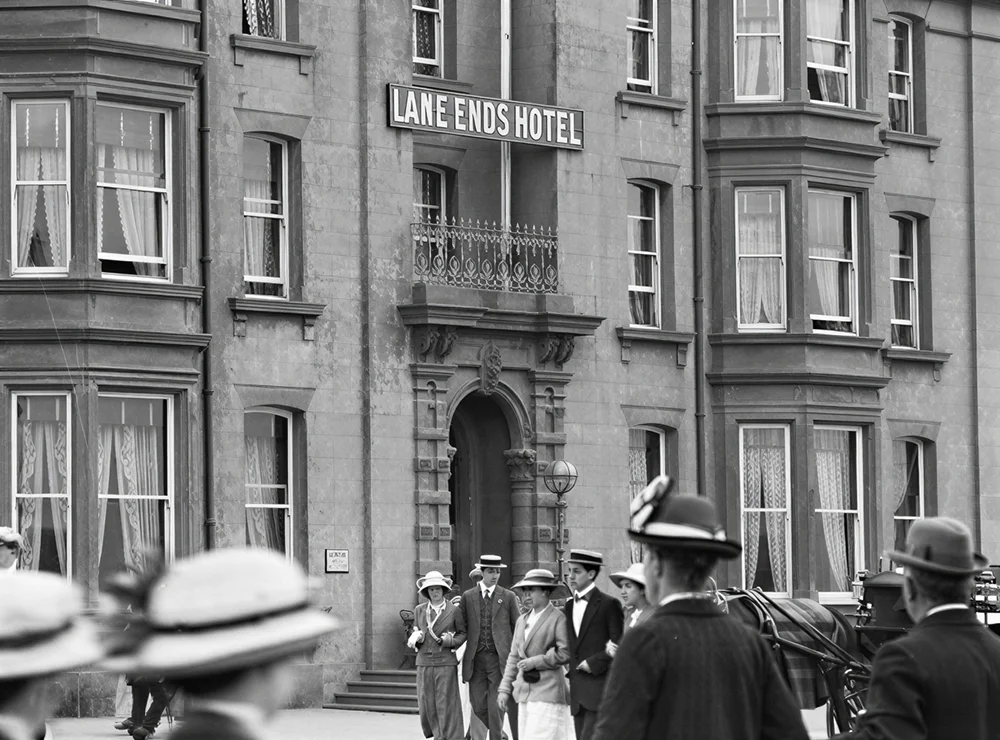
Featured Image © BDB 86,1,6532 Sankey Family Photographic Archive © Cumbria


