







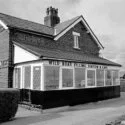























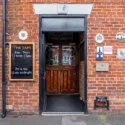







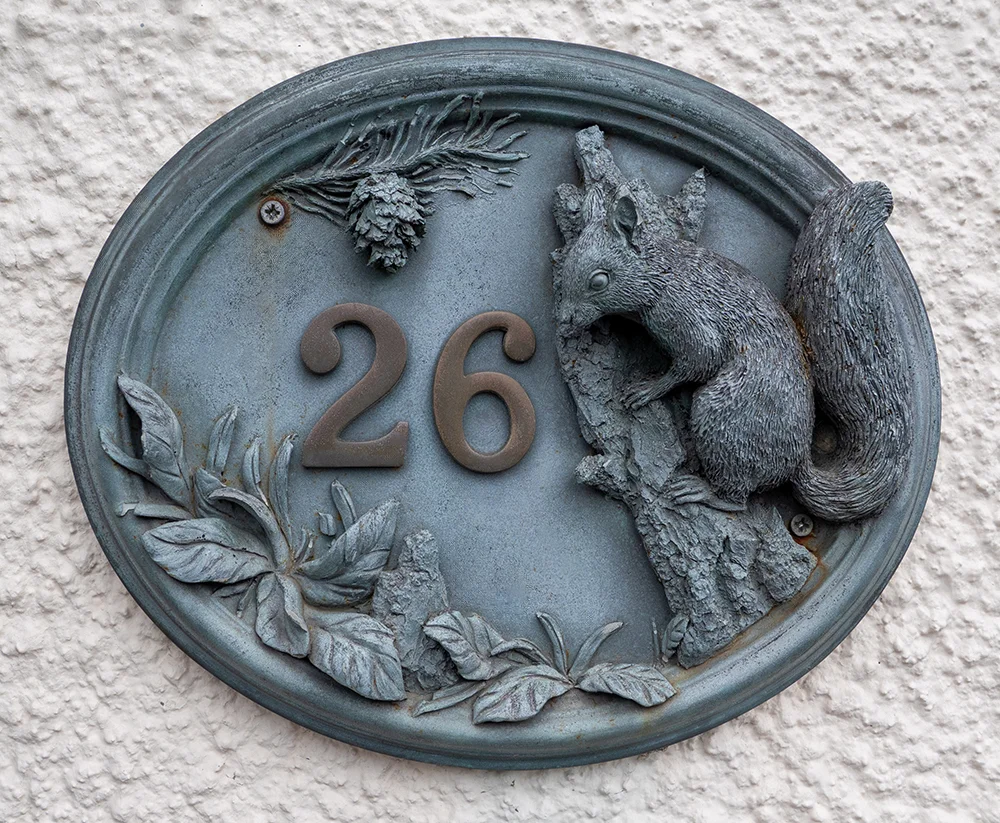
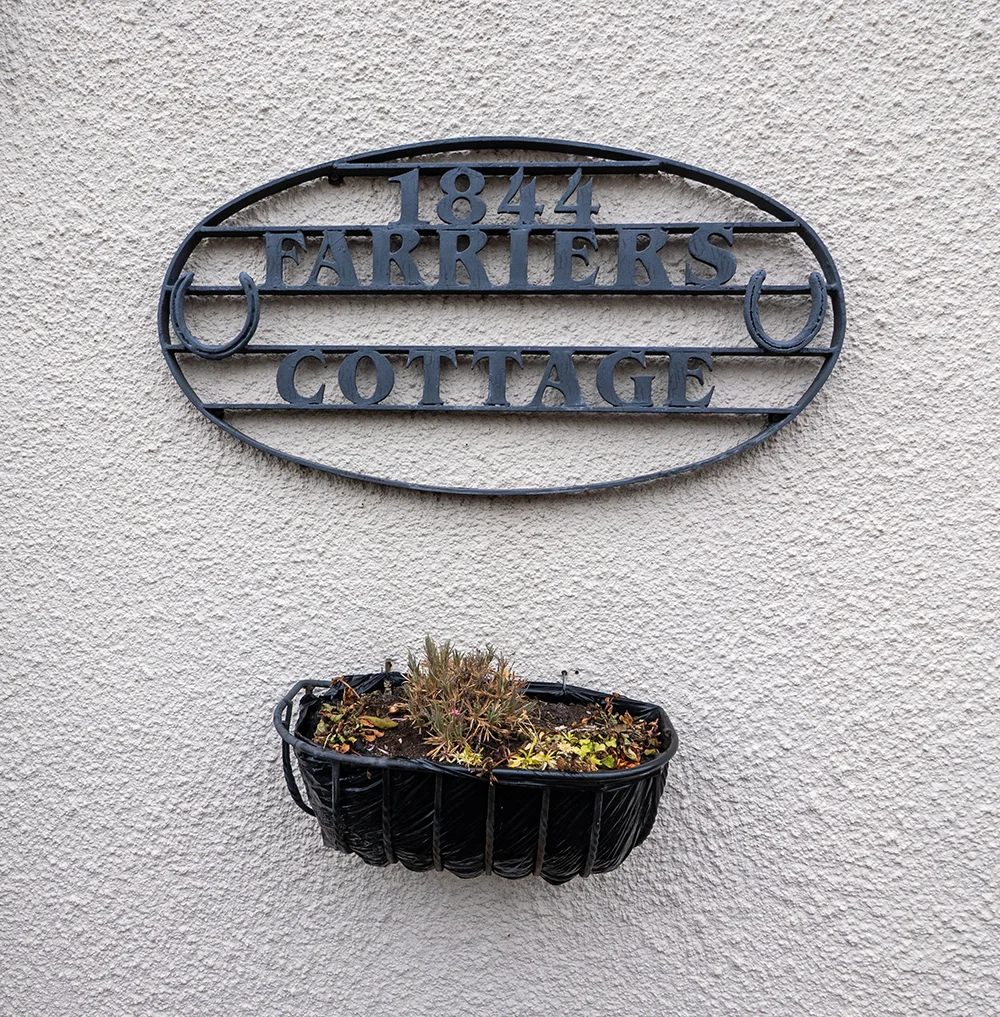
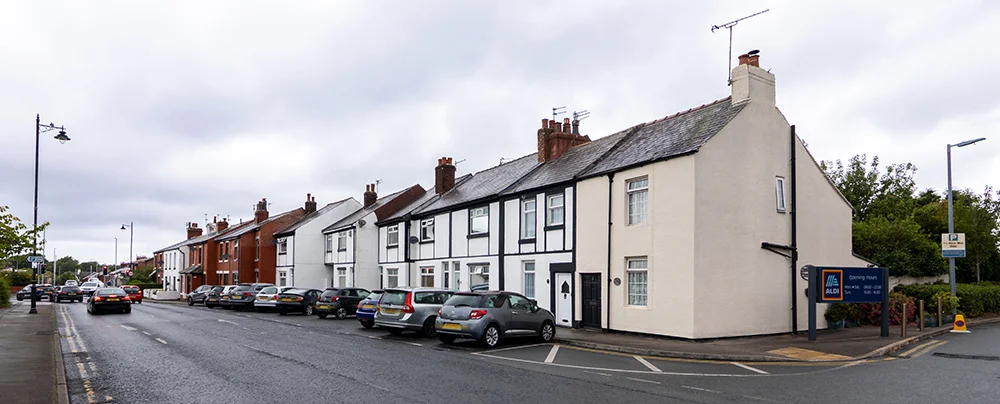
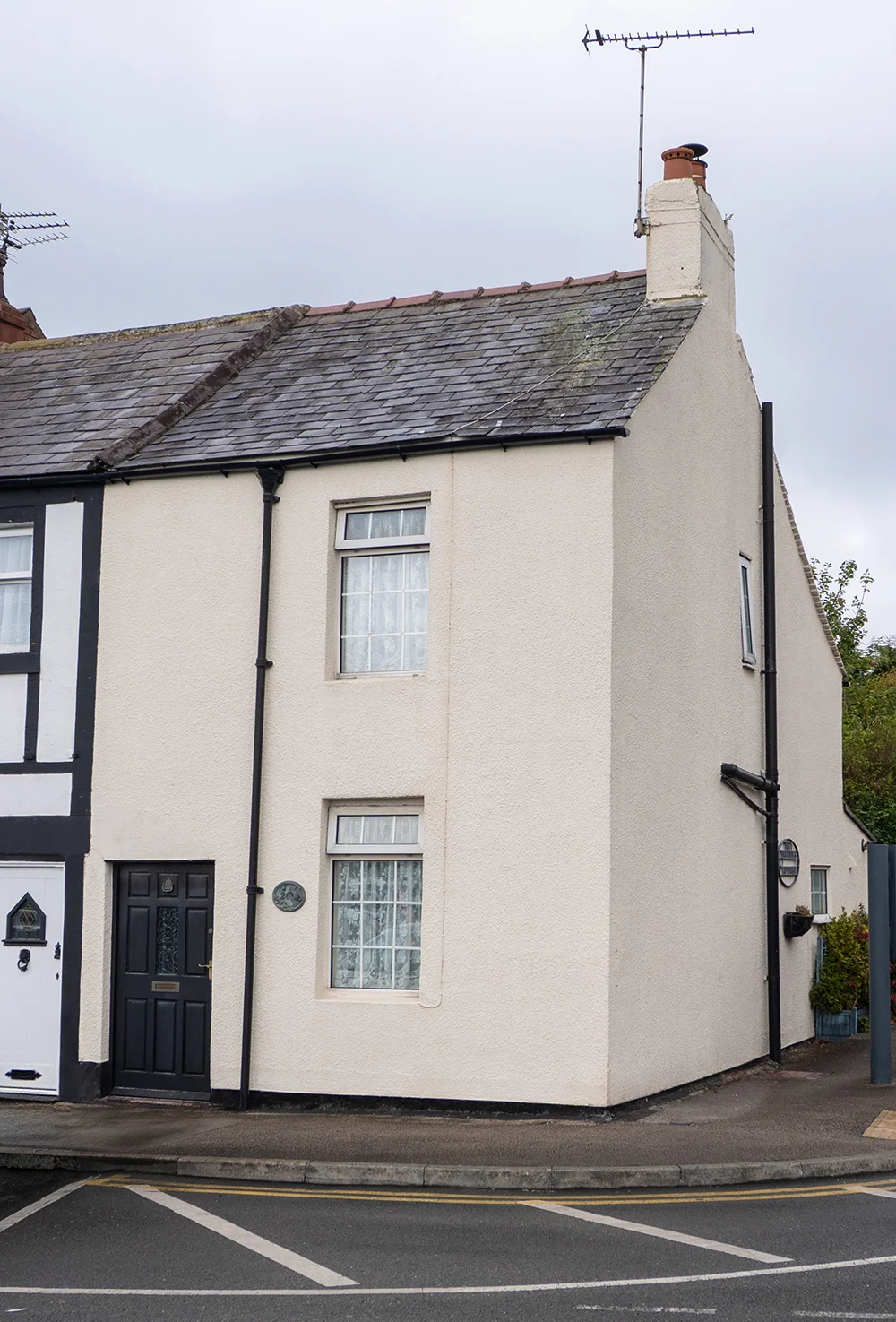
 Standing at 26 Tithebarn Street, Farriers Cottage is one of Poulton-le-Fylde’s most distinctive historic buildings and a rare reminder of a trade that was once essential to everyday life. Built in 1844, the cottage was both the home and workplace of the town’s farrier, whose skills in shoeing horses and caring for working animals were vital to the local farming community and the bustling market town.
During the nineteenth century, horses were central to transport, agriculture and commerce. Farmers relied upon them to plough fields and pull carts, while carriers, tradespeople and coach operators depended upon strong, healthy horses to move goods and passengers throughout the Fylde. The farrier occupied an important position within this rural economy, forging and fitting horseshoes, treating hoof ailments and helping to keep working animals fit for the demands of daily life. His work required not only the skills of a blacksmith but also a detailed understanding of equine anatomy and health.
 The location of Farriers Cottage was no coincidence. Situated only a short distance from Market Place, the Golden Ball and the livestock market, it was ideally placed to serve the many farmers and horse owners visiting Poulton on market days. Horses arriving from villages across the Fylde could be shod or treated before returning home, making the cottage and its forge an important part of the town’s commercial life.
Architecturally, the cottage remains a fine example of the modest vernacular buildings that once characterised Poulton. Constructed in brick with traditional detailing, it reflects the practical nature of nineteenth-century artisan housing while preserving the scale and character of the historic streetscape. Unlike many similar workshops and cottages that disappeared during twentieth-century redevelopment, Farriers Cottage survived, providing a tangible link to a profession that has largely vanished from modern town centres.
 As motor vehicles gradually replaced horse-drawn transport during the twentieth century, the demand for traditional farriers declined. Many village forges closed or were converted to other uses, and the familiar sound of hammer on anvil became increasingly rare. Farriers Cottage, however, remained as a reminder of a time when the welfare of every working horse depended upon the skill of the local craftsman.
Today, the building continues to contribute to the historic character of Tithebarn Street, standing among a number of surviving nineteenth-century properties that reflect Poulton’s development before the arrival of the motor car. More than 180 years after it was built, Farriers Cottage remains an enduring symbol of the craftsmanship, rural traditions and agricultural heritage that helped shape the market town of Poulton-le-Fylde.
Images by © Deeper Blue Marketing & Design Ltd


