












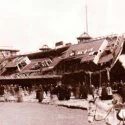






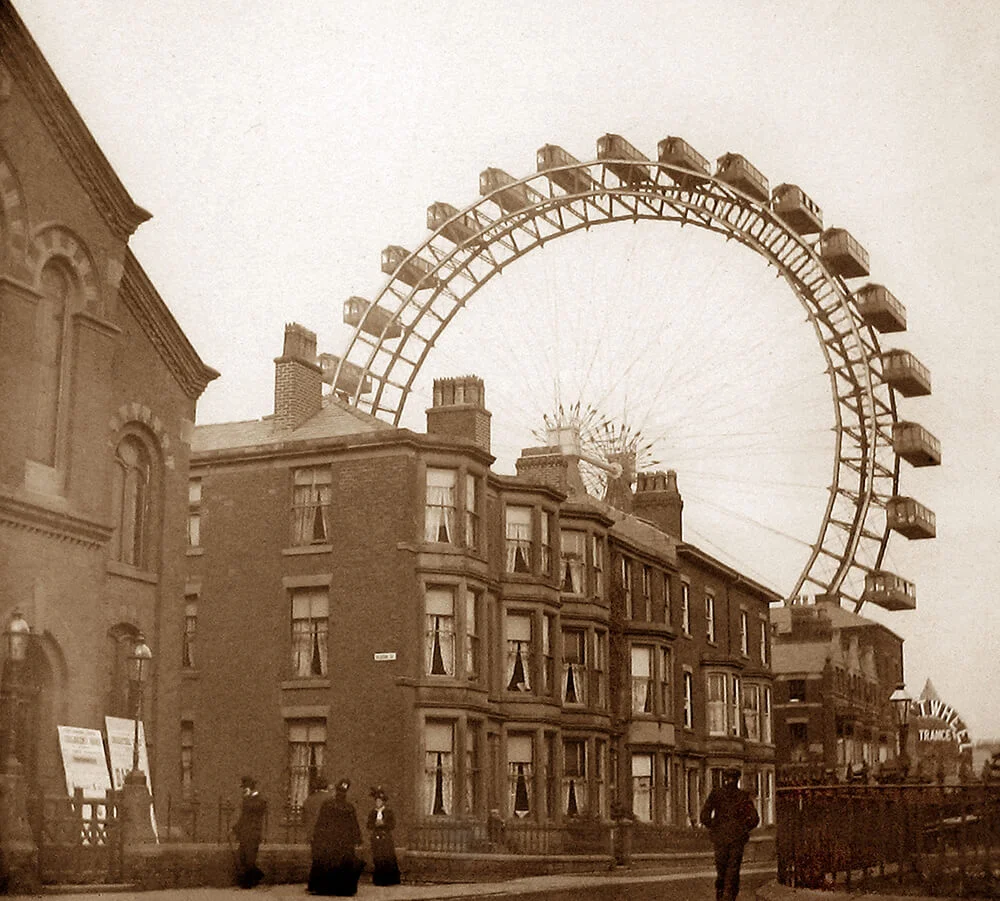
The Big Wheel was built in 1896 as part of Winter Gardens manager Bill Holland’s bold response to the arrival of Blackpool Tower in 1894. Holland recognised that the Tower would transform the resort and sought to create rival attractions that would keep visitors within the Winter Gardens complex. Alongside the construction of the Empress Ballroom — which proved an immediate and enduring success — the 220-foot-high Big Wheel was erected as a dramatic new skyline feature.
While the Empress Ballroom flourished and even prompted the Tower Company to upgrade its own assembly rooms into what became the famous Tower Ballroom, the Big Wheel never quite matched the Tower’s dominance. The Tower was taller, architecturally striking and mechanically simpler, and it quickly became the defining landmark of the resort. The Wheel struggled financially, particularly during quieter seasons, though it developed a certain romantic reputation. During slow periods, it was said that young men escorting young ladies would discreetly tip the attendant to hold their carriage at the very top for a few extra moments, suspended high above the town with panoramic views across the coast.
In 1928, when the Tower Company acquired the Winter Gardens, one of its earliest decisions was to dismantle the Big Wheel. The structure was taken down, and its thirty enclosed carriages were auctioned off. Rather than being scrapped, they found new lives as garden sheds and summer houses across Lancashire.
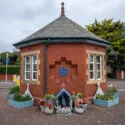
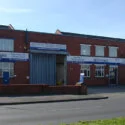
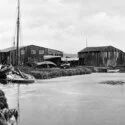
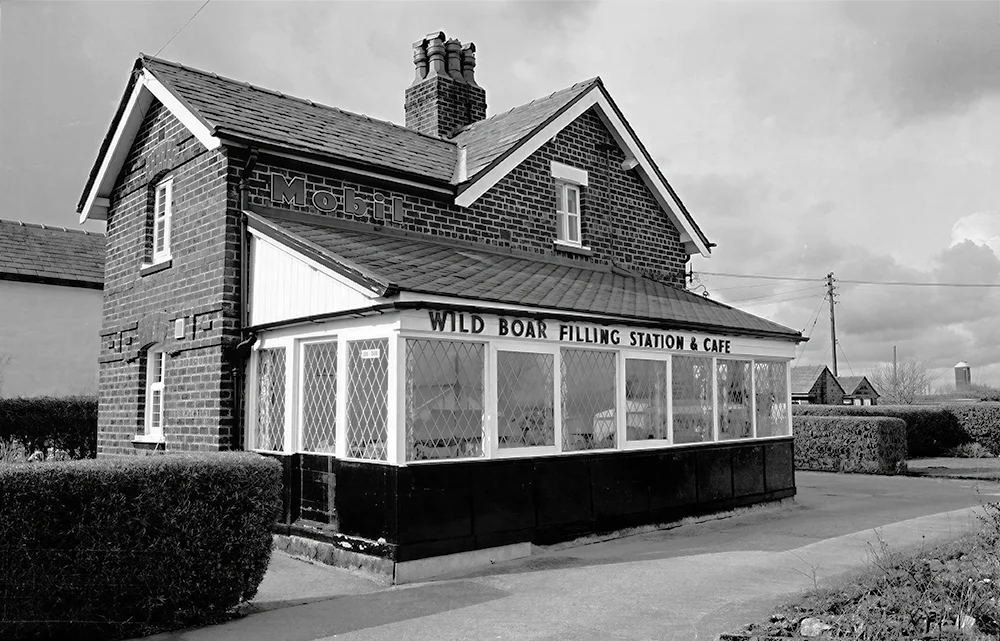
One of those thirty carriages has survived into modern times. It was purchased at auction by Miss Edith Swallow, the first matron of Blackpool Orphanage, who intended it as a holiday retreat for the orphaned girls under her care. In later years the carriage came into the possession of Judith Hunter. For a period, Judith incorporated it into a roadside café building on the Out Rawcliffe road near St Michael’s, creating what became informally known as the Big Wheel Café. The petrol filling station once attached to the site has long since gone, but the wheel carriage remained as a remarkable relic of Blackpool’s late Victorian ambition.
Today, the carriage is retained for private use rather than commercial trade. It stands as the last surviving physical fragment of the 1896 Big Wheel — a rare and tangible reminder of an era when Blackpool’s entertainment entrepreneurs competed fiercely for spectacle, romance and skyline supremacy.
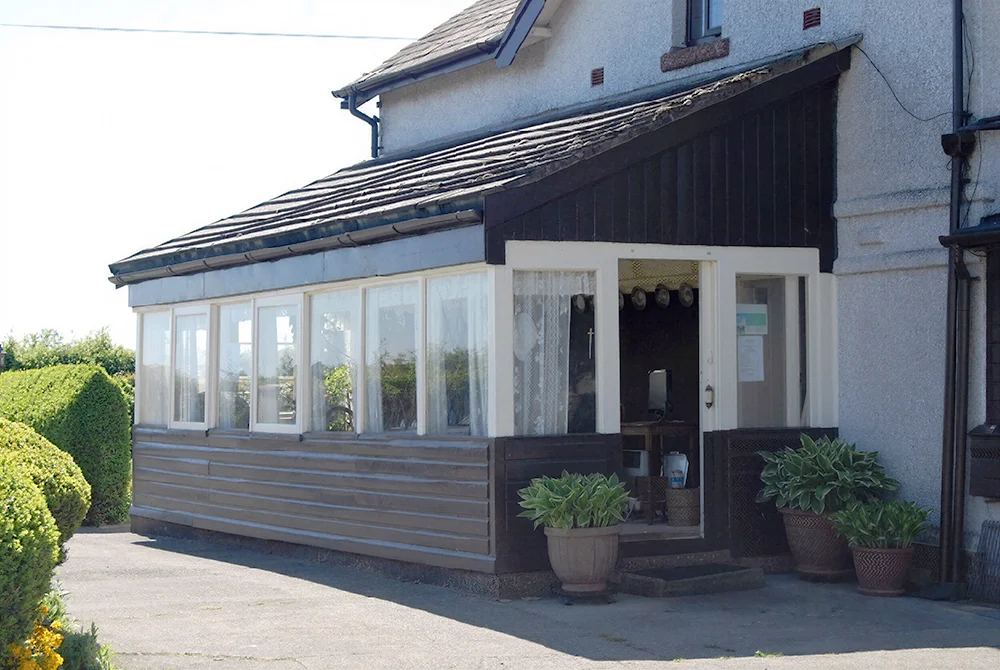
Converted now for private use.
© Alamy
Additional Images © John Burke
Images by © Mike Higginbottom


