





























On the low, exposed edge of the Wyre Estuary, where marshland once stretched toward the Irish Sea, the town of Fleetwood was created not by gradual settlement, but by vision. It was a product of the Victorian age, born from confidence in progress, engineering, and the power of planning.
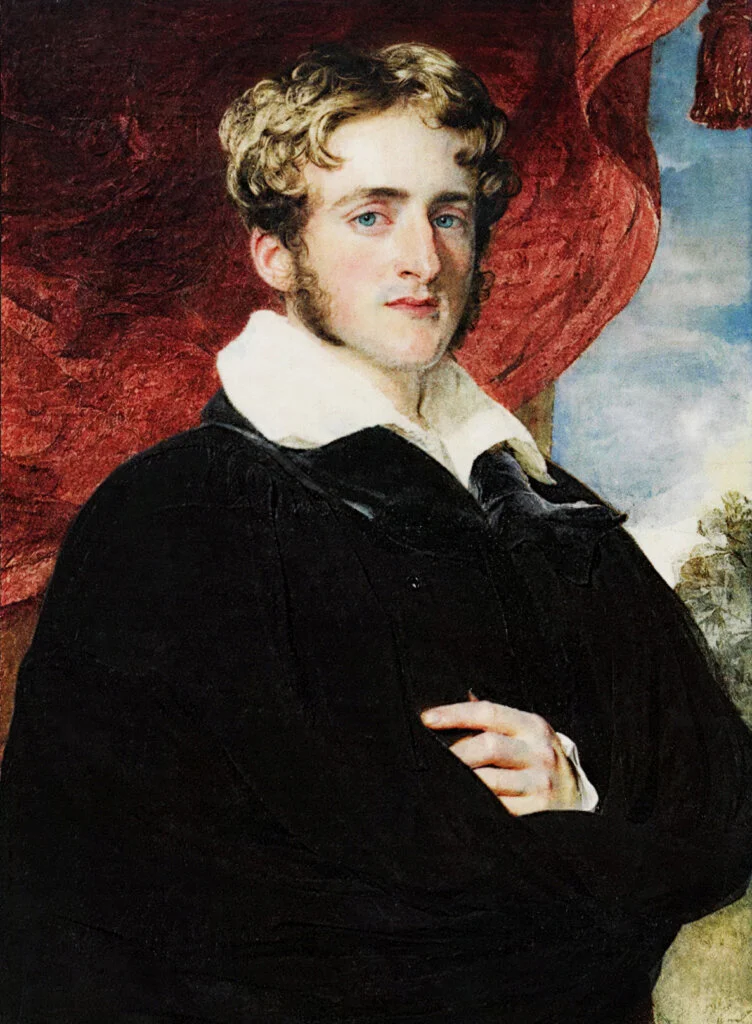
At the centre of this ambition stood Sir Peter Hesketh-Fleetwood, a wealthy landowner and Member of Parliament who, in the 1830s, believed the future of transport lay at the meeting point of rail and sea. He imagined a modern port town that would serve as a gateway between England and Scotland, allowing travellers to bypass slow, congested, and often dangerous overland routes. In 1836, that idea began to take physical form on what had previously been little more than windswept pasture and tidal flats.
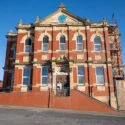
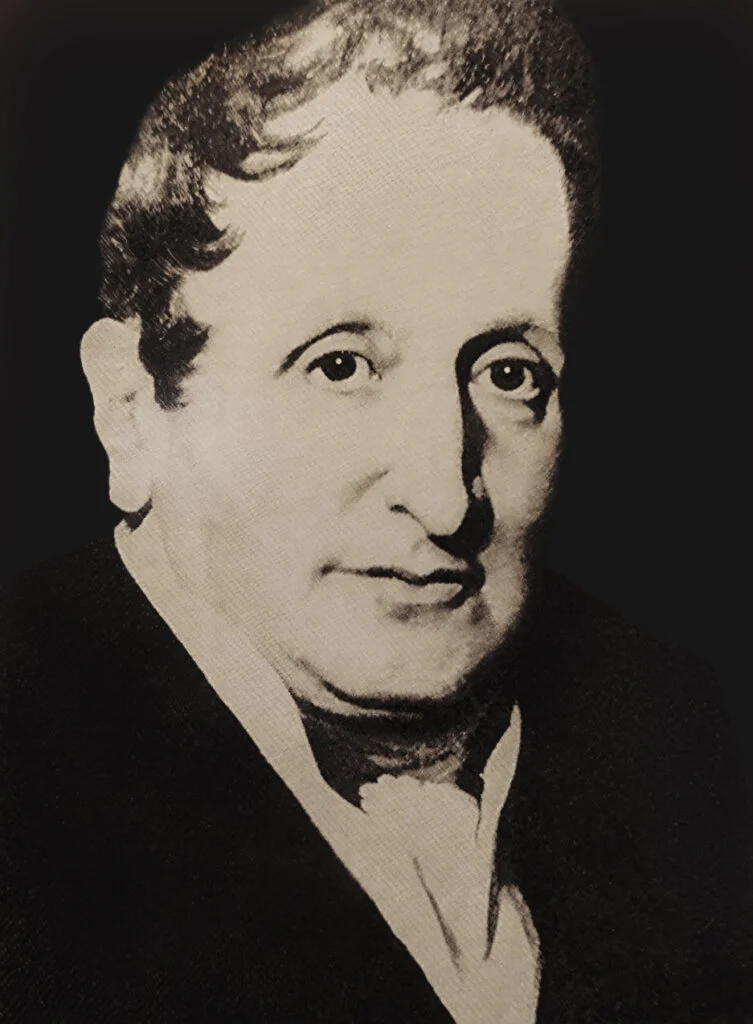
Sir Peter did not work alone. To give shape, coherence, and symbolic authority to his new town, he turned to Decimus Burton, one of the most respected architects of the era. Burton designed Fleetwood as a fully planned settlement, with a classical dignity unusual for a working port. Broad streets, formal vistas, and carefully positioned civic buildings reflected a Victorian belief that order, beauty, and moral improvement went hand in hand. Among Burton’s most striking contributions was the Pharos Lighthouse, placed deliberately at the heart of the town rather than on a remote headland — a powerful statement that Fleetwood existed for, and because of, the sea.
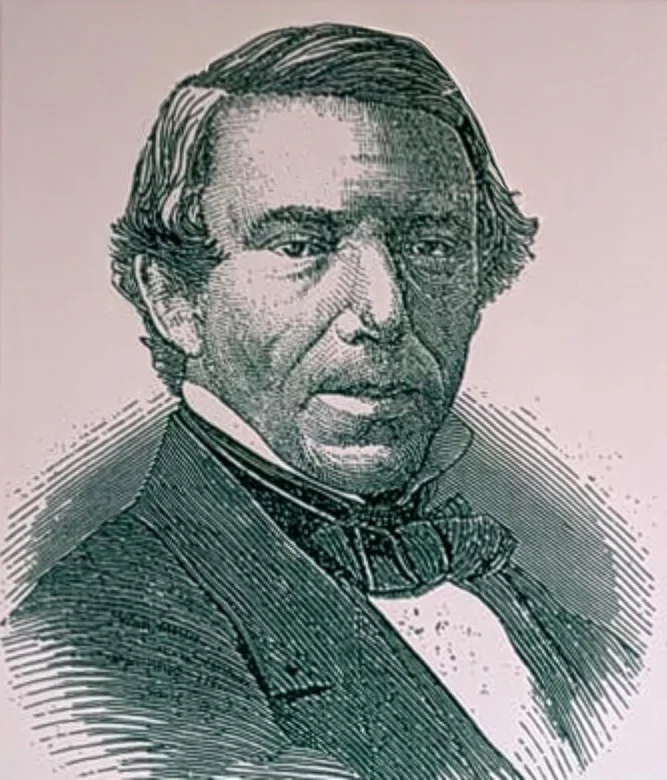
The practical success of this elegant vision depended on engineering expertise. One of the most influential figures in this respect was Thomas Drummond, an engineer whose work on railways and surveying embodied the technical confidence of the age. Drummond’s involvement helped ensure that Fleetwood was not merely architecturally impressive, but functionally connected. Accurate surveying, efficient layout, and reliable infrastructure were essential if the town was to operate as a serious transport hub rather than an ornamental experiment.
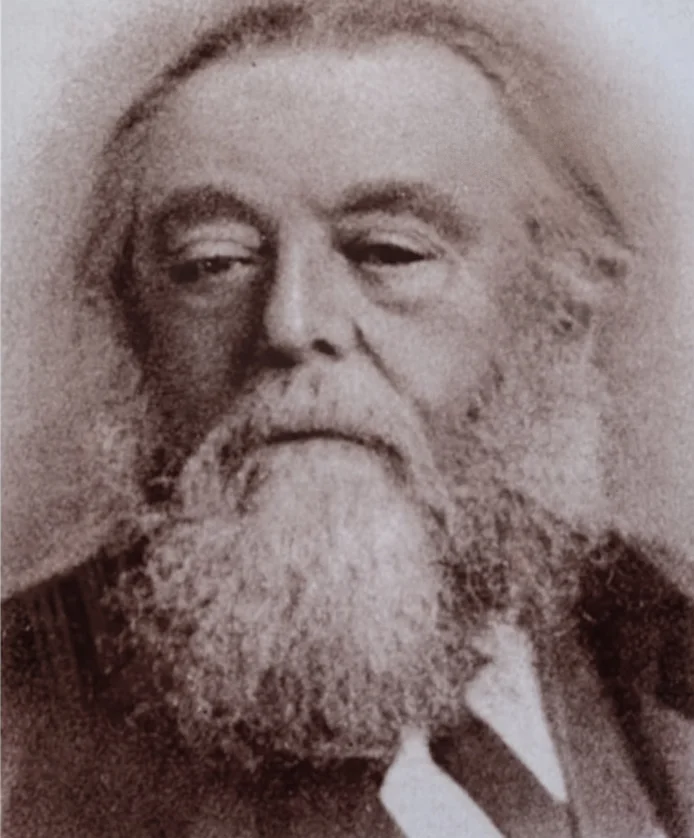
Railways were the lifeblood of the project, and here figures such as Frederick Kemp played a crucial role. Kemp was involved in developing and managing railway interests that linked Fleetwood to the industrial heartlands of Lancashire. These connections allowed coal, manufactured goods, workers, and passengers to flow efficiently to the docks. Without such inland links, Fleetwood’s ambitious maritime role would have been impossible.
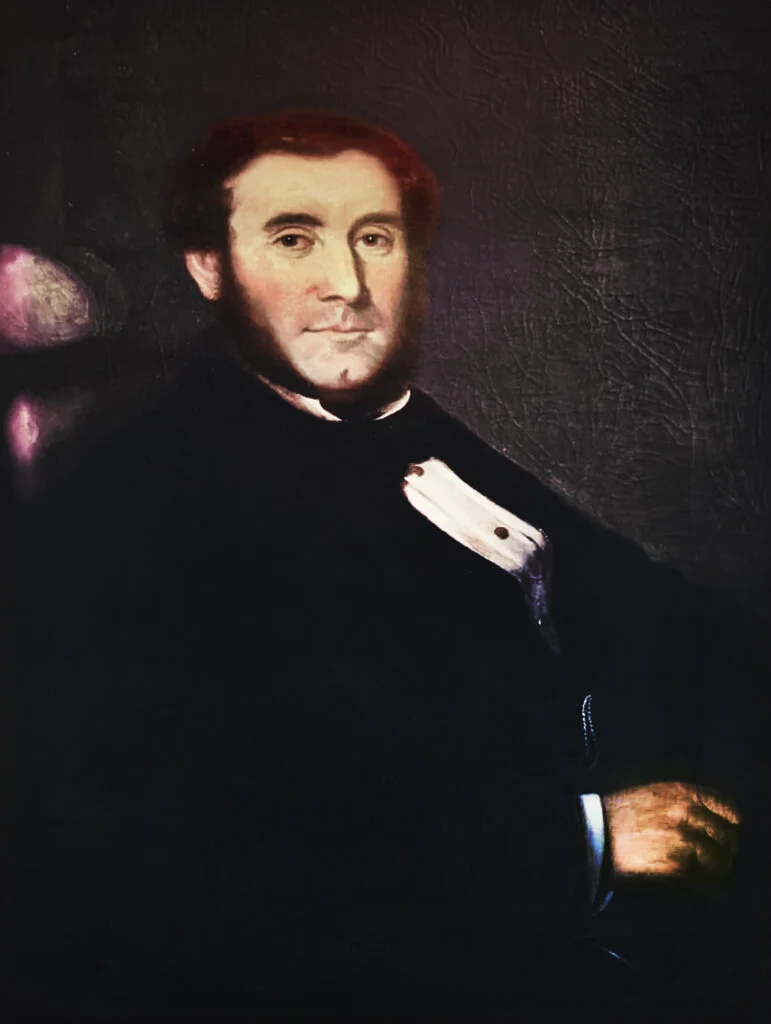
Industrial capital also underpinned the town’s growth. Benjamin Whitworth, part of the powerful Whitworth manufacturing dynasty, represented the class of Victorian industrialists who saw opportunity in Fleetwood’s strategic position. Investment from men like Whitworth helped stabilise railway companies, improve dock facilities, and ensure that the town was integrated into wider commercial networks rather than isolated at the edge of the Fylde coast.
Steamship operators completed the original vision, running ferry services that linked Fleetwood directly to Scotland and Ireland. For a brief period, the town occupied a pivotal position in national travel routes, serving passengers who transferred seamlessly from train to ship. Although advances in railway technology elsewhere eventually undermined Fleetwood’s dominance as an Anglo-Scottish gateway, the infrastructure and expertise assembled during this early phase left a lasting legacy.
Those foundations allowed Fleetwood to adapt. The docks constructed for passengers and cargo became the base of a powerful fishing industry, and the town reshaped itself around maritime labour, trawling fleets, and associated trades. What began as a bold experiment in transport planning evolved into a resilient working port.
Fleetwood’s origin is therefore best understood as a collaborative Victorian achievement. It was the product of Sir Peter Hesketh-Fleetwood’s ambition, Decimus Burton’s architectural discipline, Thomas Drummond’s engineering rigour, and the railwaymen and industrialists — including Frederick Kemp and Benjamin Whitworth — who believed that a new town could be drawn on open land and made real by iron, steam, and the pull of the sea.
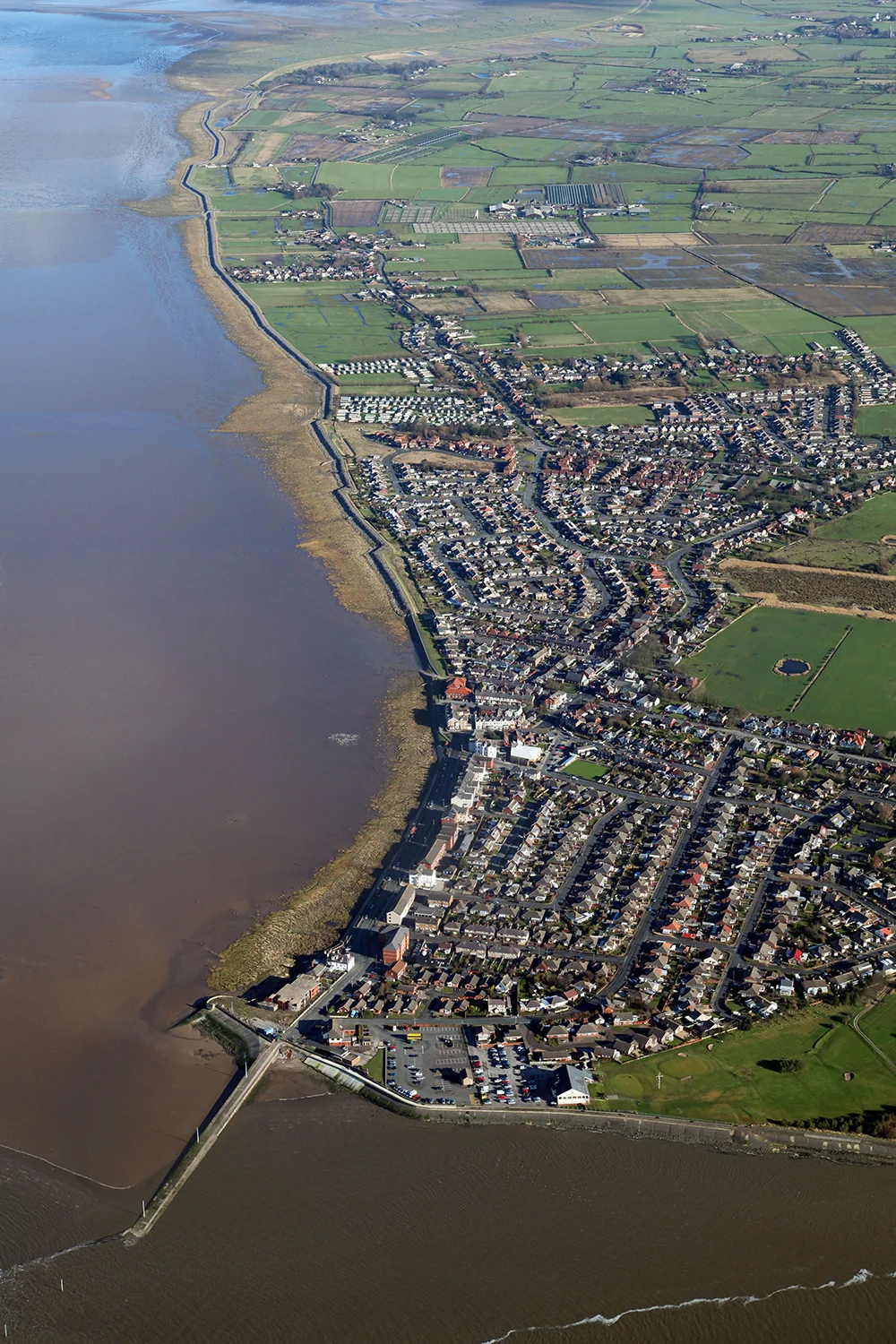
Aerial view of Knott End-on-Sea near Fleetwood, Lancashire


