



























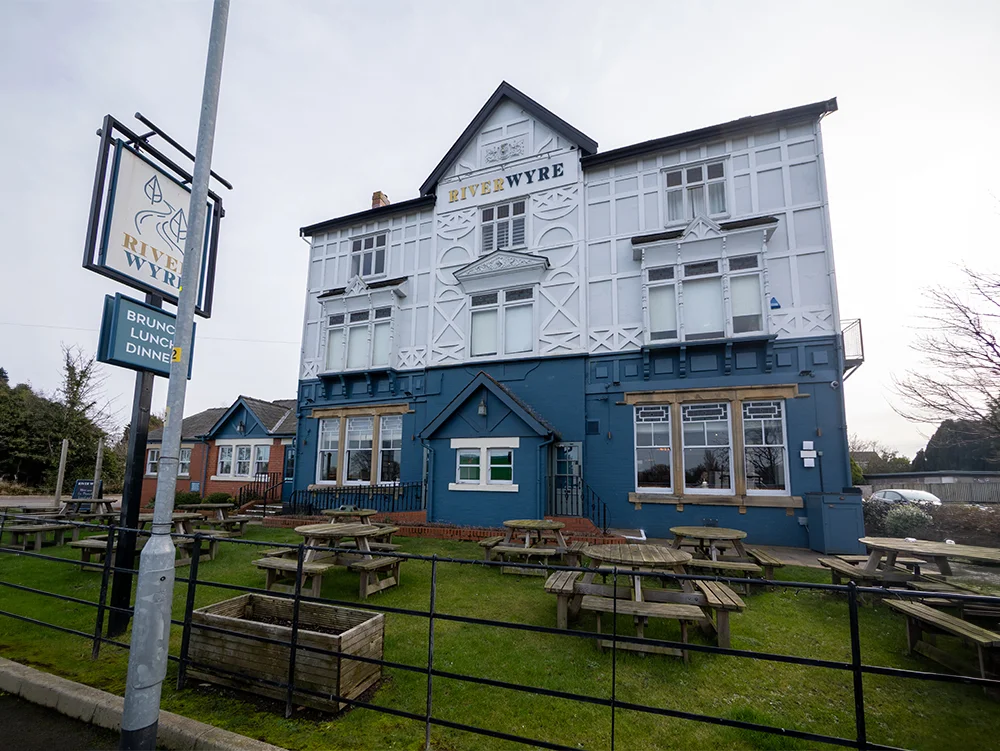
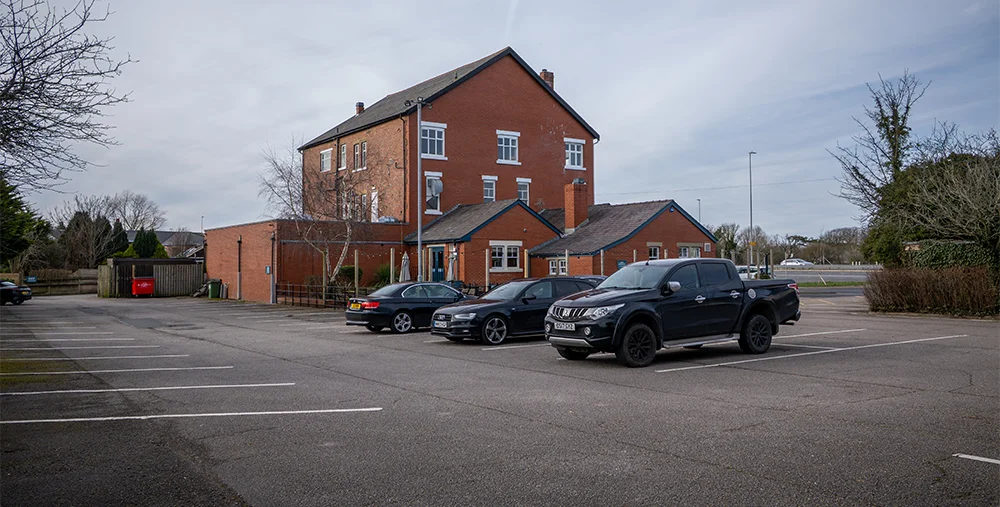

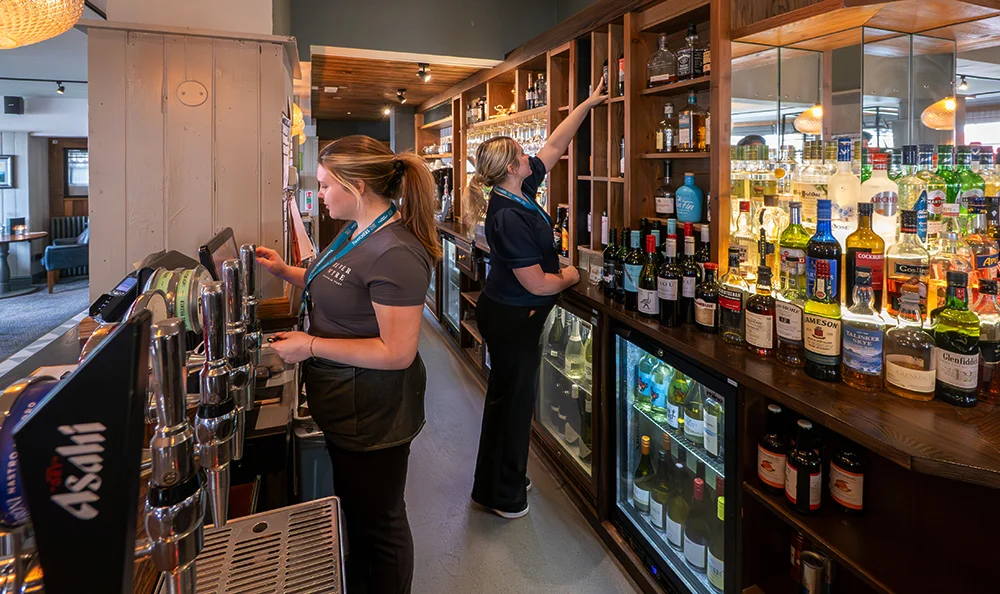
 Set back from the main roads of Poulton-le-Fylde, close to the slow curve of the estuary, The River Wyre occupies a landscape that has long attracted travellers, sportsmen, and those seeking refuge from the formality of towns and cities. In the late nineteenth and early twentieth centuries, this quiet stretch of Lancashire was fashionable in a way that now feels distant — valued for fresh air, shooting estates, fishing, and the privacy offered by its flat, open horizons.
It was within this context that King Edward VII, then Prince of Wales, is said to have visited the River Wyre during one of his stays in the region. Edward was known for his love of informal hospitality. Unlike his mother, Queen Victoria, he embraced social life, travel, good food, and drink, often preferring country houses, hotels, and well-appointed inns to rigid court settings. Lancashire’s coastal and rural retreats suited him well.
Local tradition holds that Edward visited the River Wyre while attending nearby shooting parties or travelling through the Fylde. At the time, the building operated not merely as a public house but as a hotel and social stopping point — the sort of establishment designed to host gentlemen, landowners, and their guests. Such places functioned as semi-private spaces: respectable, discreet, and removed from public attention, yet not burdened by ceremony.
Accounts suggest that Edward did not arrive with royal pomp. Instead, he came as he often preferred — as a gentleman among gentlemen — taking refreshment with companions rather than presiding over an occasion. This was characteristic of him. He was known to value conversation and comfort over display, and his presence in provincial inns and hotels was not unusual, though it was rarely publicised at the time. Only later did these visits take on the weight of legend.
The significance of Edward’s visit lies less in any single event than in what it reveals about the River Wyre’s standing. A future king would not have stopped at just any riverside pub. Its reputation for comfort, discretion, and quality placed it firmly within the network of establishments that quietly served Britain’s elite as they moved between estates, ports, and resorts.
Over time, the story of Edward VII at the River Wyre became part of the building’s inherited memory — passed down through owners, staff, and local historians. Like many such royal anecdotes, it exists in the space between record and recollection, but it endures because it fits the character of both the man and the place.
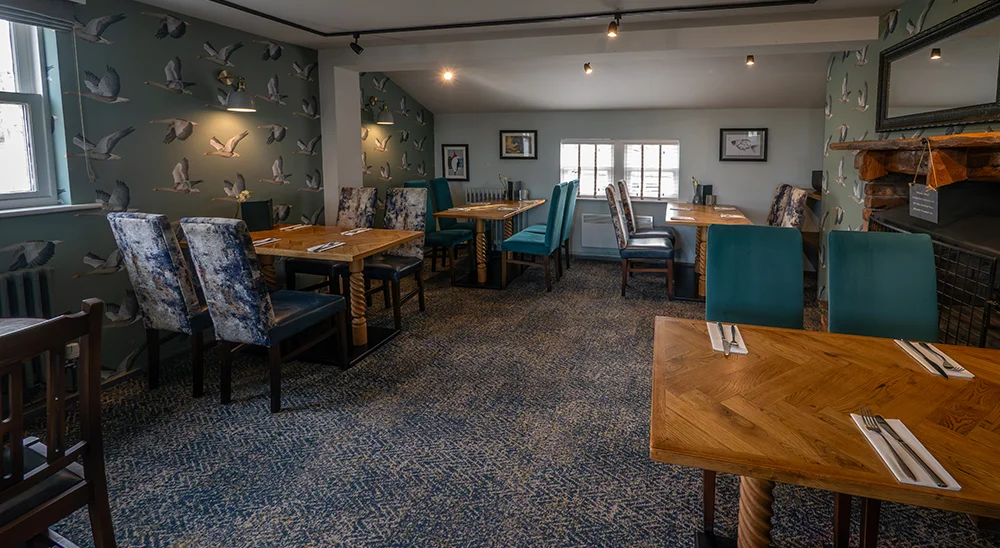
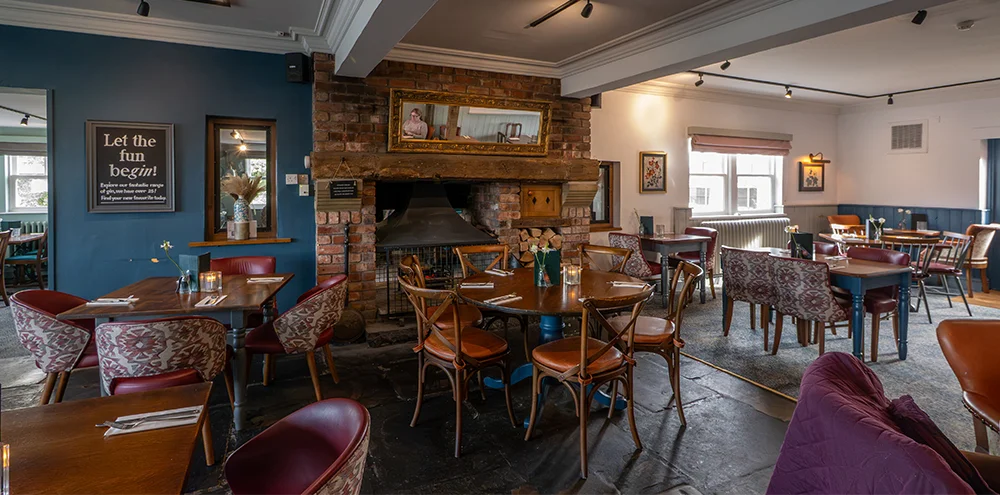
Today, the River Wyre no longer hosts princes travelling incognito through Edwardian Lancashire, yet the fabric of the building and its setting still reflect that earlier world. The low ceilings, sheltered rooms, and proximity to the water speak to an age when travel was slower and pauses mattered. The king’s visit, real or embellished by time, anchors the pub within that broader Victorian and Edwardian landscape — a reminder that even on the quiet edge of the Wyre Estuary, history once arrived, took a seat, and ordered a drink.
There is no surviving record that gives an exact year of when King Edward attended the River Wytre, but based on what is known about the River Wyre, Edward’s movements, and the way the story appears in local history, historians generally place the visit within a fairly tight window of between the years of 1895 – 1905. We chose the year 1900 for archiving.
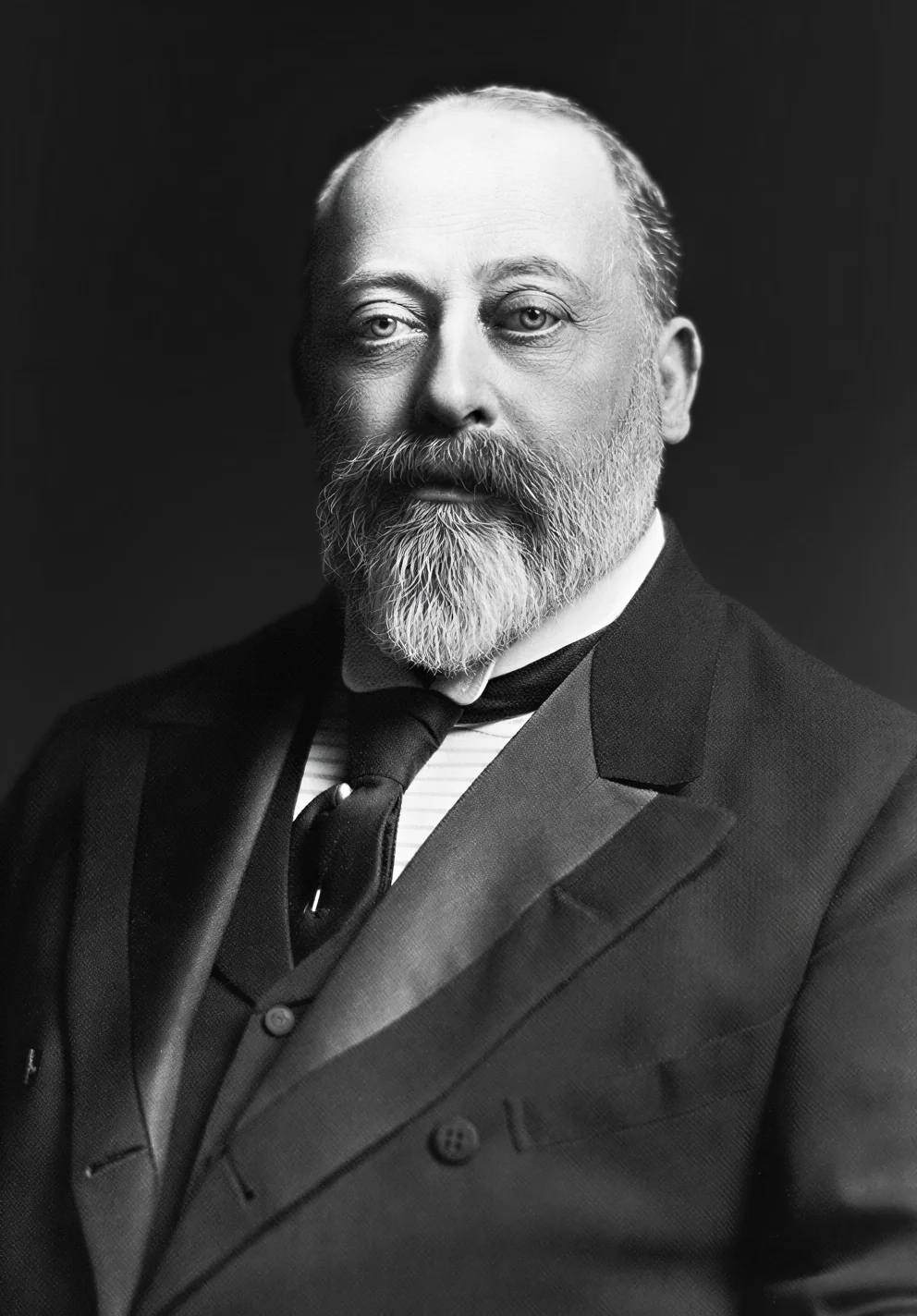
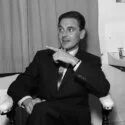
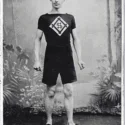
King-Edward-VII
Images by © Deeper Blue Marketing & Design Ltd


