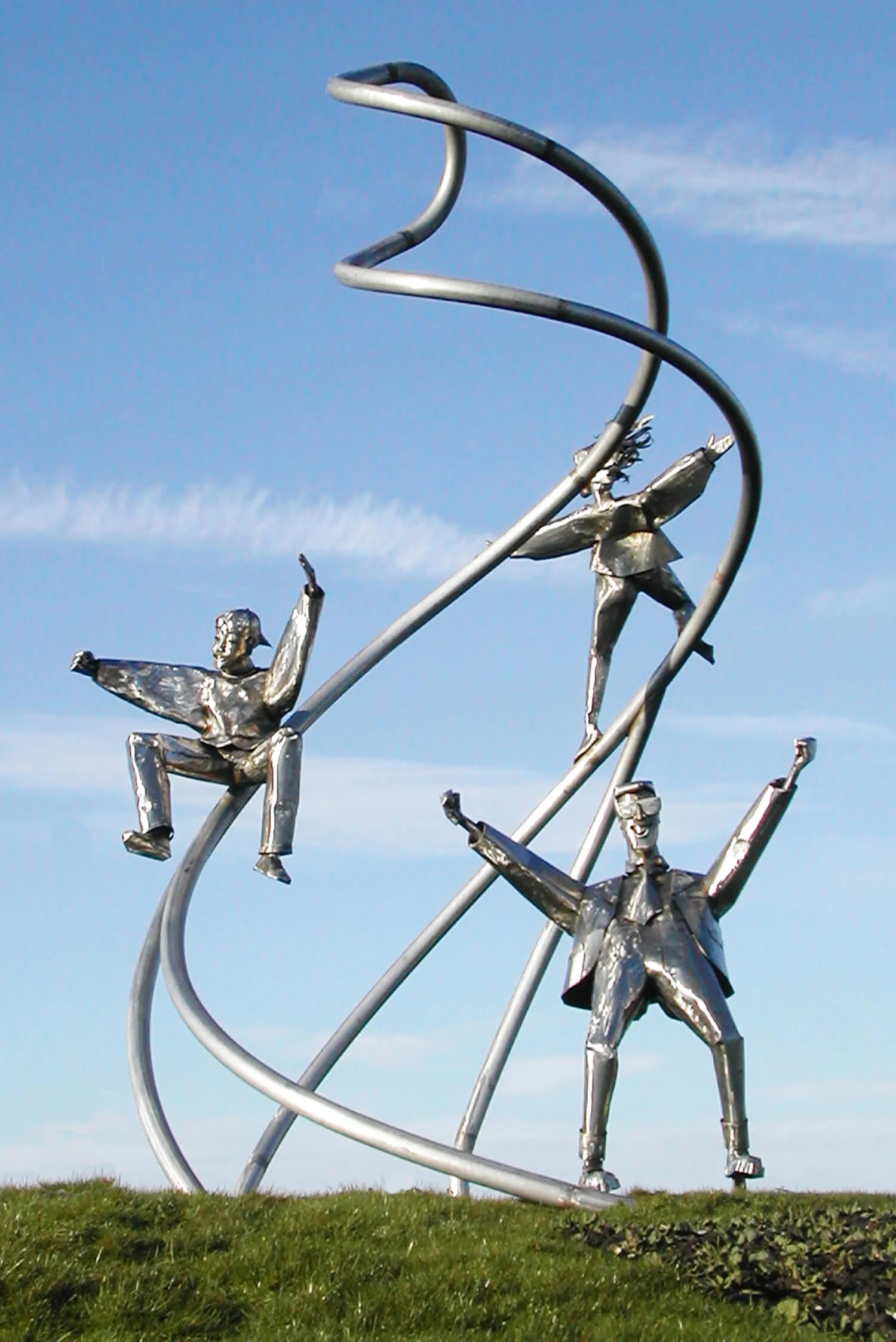































ArtusThe steel sculpture known as Helter Skelter once stood proudly on the roundabout at the end of the M55 motorway, where it meets Yeadon Way — one of the main gateways into Blackpool. For two decades it served as a bold and playful landmark, greeting motorists as they entered the resort and reflecting the town’s long association with seaside fun and fairground spectacle.
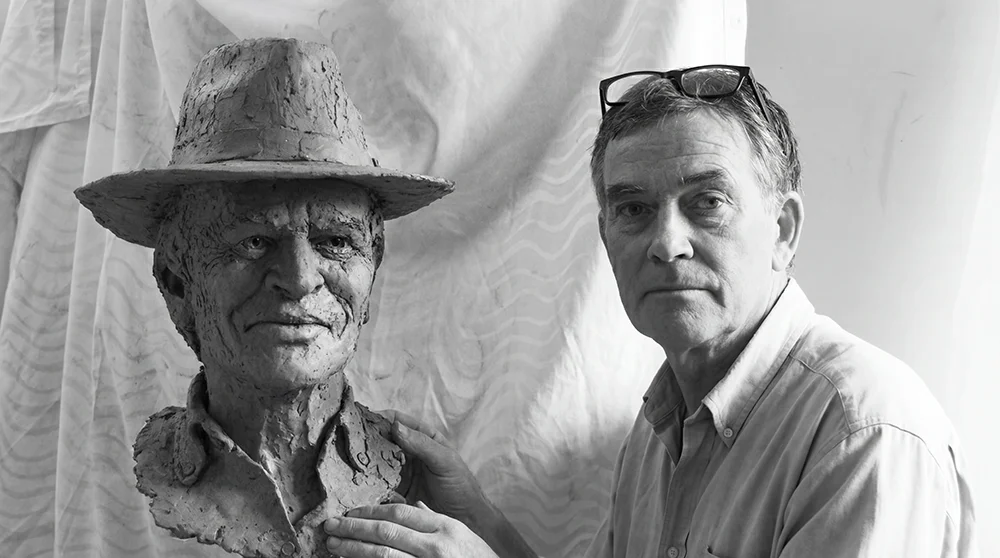
Erected in 1995, the sculpture was created by artist David Annand. Constructed from steel, the design featured a stylised helter-skelter tower accompanied by lively human figures, capturing the energy and movement of traditional amusement rides. Its form was instantly recognisable and intentionally symbolic, echoing Blackpool’s heritage as Britain’s premier seaside entertainment destination. Positioned prominently at a busy junction, it became part of the visual identity of the approach into the town.
In December 2015, however, the structure suffered catastrophic damage when a vehicle mounted the roundabout and collided with it during a police pursuit. The impact left the sculpture beyond repair, and for safety reasons it was subsequently removed. The loss was widely noted by residents and visitors who had long regarded it as a familiar feature of the town’s landscape.
Despite interest in restoring or replacing the artwork, the cost of commissioning and installing a new large-scale steel sculpture has prevented its return. As a result, the roundabout has remained without its distinctive centrepiece. The disappearance of Helter Skelter marked the end of a small but symbolic chapter in Blackpool’s public art history — a reminder of how even roadside landmarks can become woven into the fabric of a town’s identity.